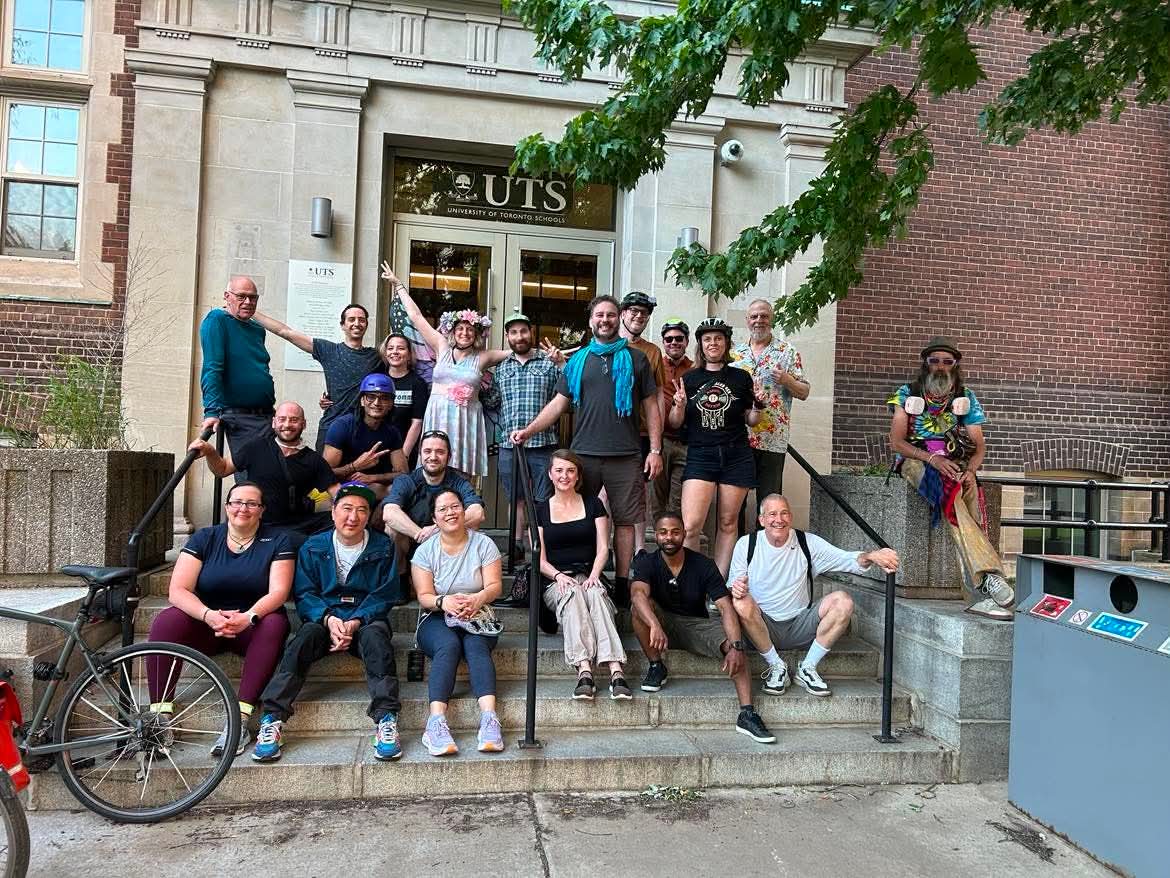
Photo by Tom Ross
climate change activist and science communicator; photographer; mapmaker — advocate for a stable global climate, reduced nuclear weapon risks, and safe human-AI interaction

Photo by Tom Ross
I picked up a Pro subscription to the Claude LLM, chiefly to have more computing power to apply to writing an interactive RPG about a witch in Oxford that I have been working on as a side-project for much of the year.
Their Opus model is impressive at turning a months-long discussion of many hundreds of pages (with updates and contradictions and reversals) into a mostly-coherent and undeniably well-written lore document.
Last night I came across a strangely empowering way to use Claude. In voice mode I can use it on a bike grinding up a hill, and did so last night to start an all-life to-do tracking instance. When I got home, it talked me through organizing and discarding stuff that I had been putting off for months or years. It’s not that the LLM’s output was all that useful or necessary for such tasks — a lot of which amounts to ‘you’re right! keep going!’ — but the feeling of talking it out with somebody makes tedious and unwanted tasks much more tractable. We literally talked through every item in my weird hallway-to-bathroom closet, and will continue with the rest of the mini-bachelor in days ahead.
[Update: 1 June] Claude’s Sonnet on the Pro plan absolutely cannot function for any useful length of time as a personal organizer or task manager. After 2-3 days of interaction, I find it always collapses into saying “Hey, I’ve lost the thread on this — long conversations do this sometimes. Let’s start a fresh conversation.” and it cannot create handoff documents to effectively spin up a new instance. The funniest case was asking it about rabbit ecology and warrens at Tommy Thompson Park. That was too much for this LLM, leading to swift collapse into the “lost the thread” state. Quite possibly it will never be capable of being a decent narrator for my Aslak game.
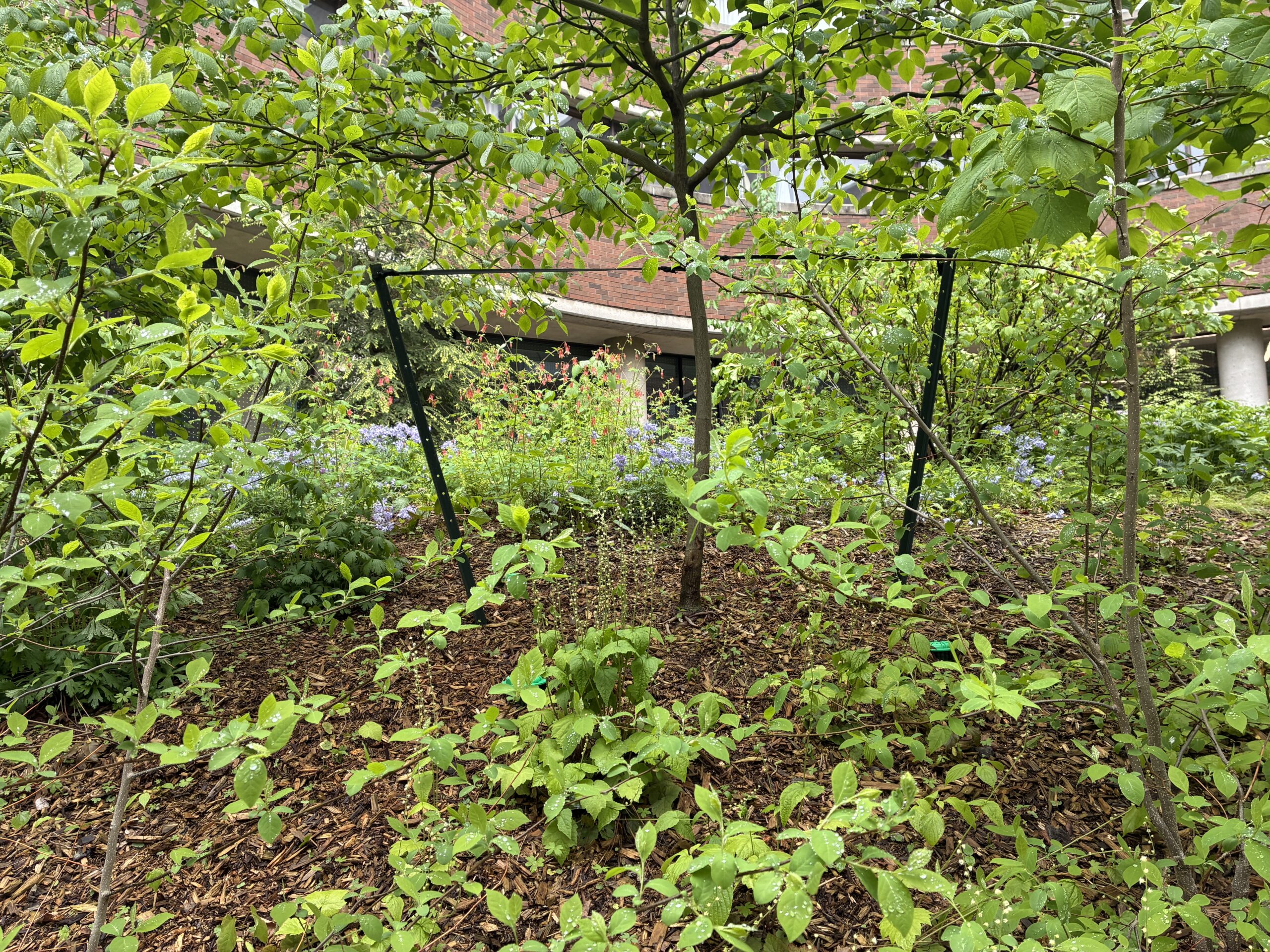

Yesterday, Albert Koehl from the Toronto Community Bikeways Coalition led about 50 of us on a loop around Toronto, from the central waterfront along the lake to the Humber River, up the Humber to the Finch Hydro Corridor, across the city to the Don, and back along the waterfront:
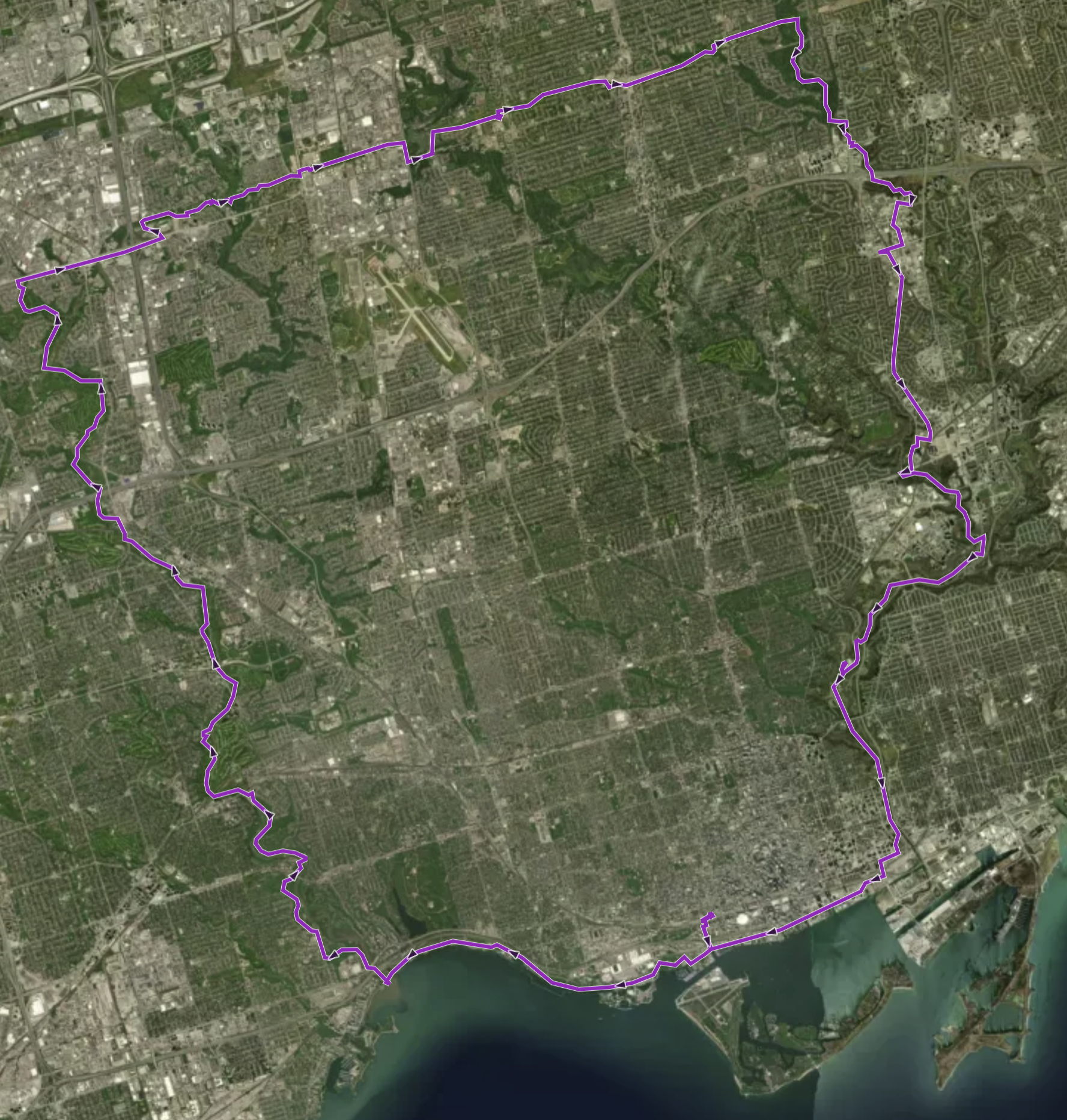
We did 79 km in 8 hours, and I met lots of nice people. The theme of the ride was ‘filling the gaps’ — calling on the city to remove the awkward parts where we had to leave the bike trails behind for fast roads and, in one case, an active construction site where we had to help each other through fences.
This could be a fantastic season for cycling, and I am looking forward to when the Neon Riders start meeting weekly again.

Grasses create a special challenge when it comes to identifying native plants, and even experienced experts have told me they have trouble with it.
I recently got a useful start from Natasha Gonsalves’ presentation for the Toronto and Region Conservation Authority (TRCA): “Getting to Know Grasses“.
I’m still an absolute beginner, but at least know I know a bit of the relevant anatomical vocabulary and have a sense of the difference between grass and grass-like plants like sedges and rushes.
I attended a Hart House job fair a few weeks ago with my friend Nada. One service provided was free headshots: