
This weekend I photographed the 2023 Canada-United Kingdom Colloquium: The Global Order Beyond Ukraine: Strategic Priorities for Canada and the United Kingdom
Author: Milan
In the spring of 2005, I graduated from the University of British Columbia with a degree in International Relations and a general focus in the area of environmental politics. Between 2005 and 2007 I completed an M.Phil in IR at Wadham College, Oxford. I worked for five years for the Canadian federal government, including completing the Accelerated Economist Training Program, and then completed a PhD in Political Science at the University of Toronto in 2023.
New moon walk and celestial navigation
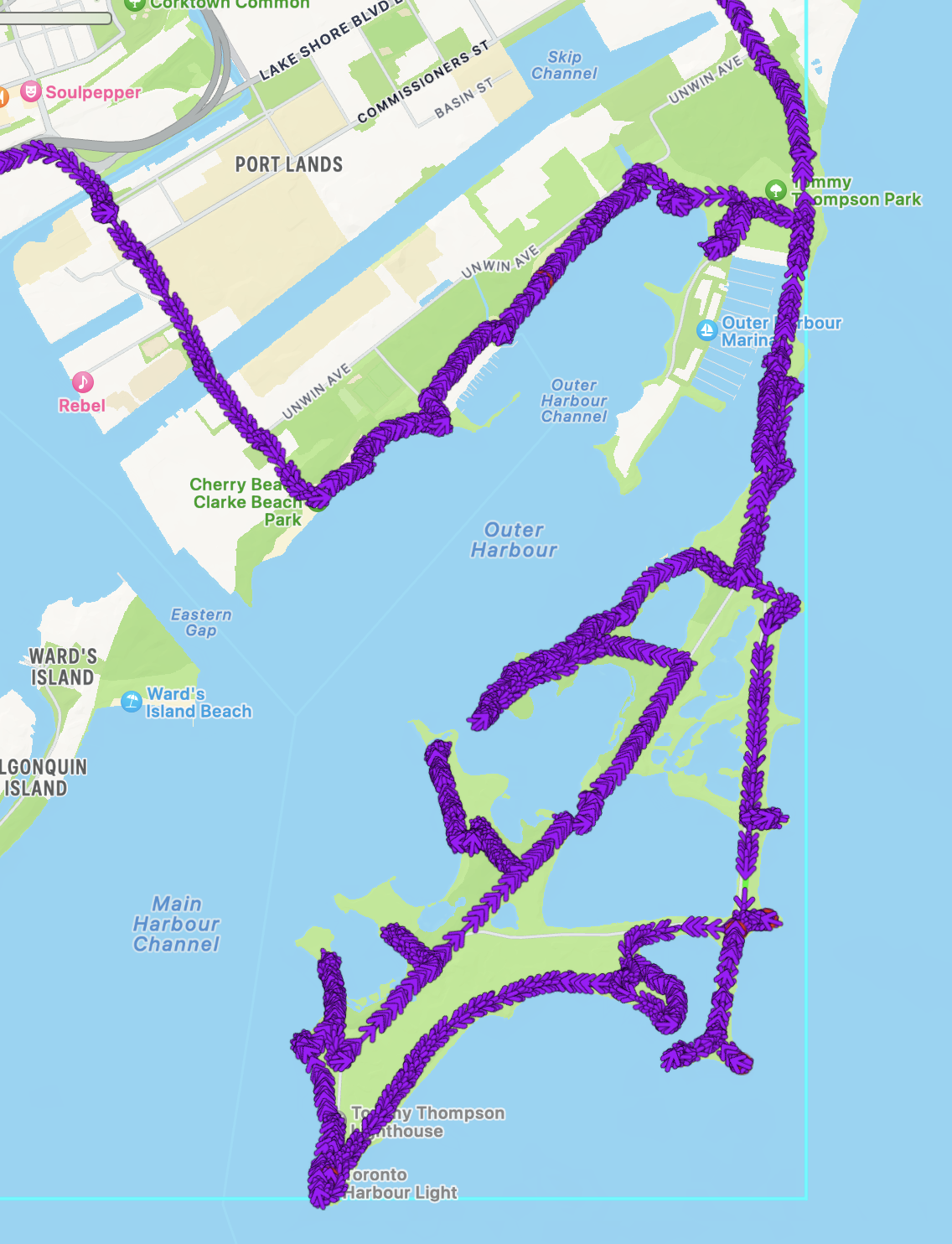
One of the most remarkable walks I have ever taken was around Tommy Thomson Park on November 6th, 2021.
It was the night of a new moon, and I got to the park entrance around 10pm. I decided to use an exhaustive search algorithm to explore the penninsula. I would begin walking around the hand-shaped penninsula clockwise, starting at the ‘wrist’ and visiting each ‘finger’ one by one. At every junction between paths, I would choose the one on the left if I had not already taken it. That way, I would explore every dead end and follow every path.
When I got into the park, lit only by starlight and city light reflected across the water, I began to perceive the stars above me as a gigantic compass. In the eastern sky, I could see just the right shoulder of Orion rising. As I walked around the penninsula, with my eyes having adjusted to hours of darkness, I could see by starlight alone. At one point, I was startled when a darker part of the shadow ahead of me moved and scampered off the path, but in less than a second I understood that it was a surprised skunk who had been taking the same path in the other direction hastily getting out of my way.
As the night went on, more and more of Orion was visible until the whole constellation rose about the horizon and up about 30˚ into the southern sky. The whole experience was an accidental but effective tutorial in celestial navigation. With the city visible, I had help orienting myself, and by keeping track of Orion I could make sense of which direction I was moving within Tommy Thomson Park’s suprisingly hard to navigate layout. It looks simple from the air, but since all the parts are equally low and beside one another, it can be very hard on the ground to know exactly where you are and which direction to go to reach somewhere else.
By 2am I was back at the park entrance. I will never forget what it was like to see by just the stars and the glow of the downtown core about 4 km away across the water, and I will never forget the feeling of when my brain flipped inside out to see the sky like a spherical compass which I was inside of, helping me to orient myself, plot a straight course, and explore.
Re-writing my dissertation as a popular book
Rather than for academics, my PhD dissertation was always intended more for activists, policy-makers, and concerned citizens.
Despite my efforts to make it accessible and limit jargon, however, it seems that a document in PhD dissertation format just won’t have that broad an audience. As such — once I have a job — I think I should re-write the argument as a book for a popular audience. That would expand the readership, and also let me write it the way I want and not to meet the requirements of academics.
I will be producing a new version of the dissertation with some minor corrections, but that too will have to wait until I am employed and able to pay my bills.
Canada’s 2023 fires
Oliver Milman writes in The Guardian:
The impact upon the world’s climate will be even more significant than this. According to data from the European Union’s satellite monitoring service, more than 1.7bn tons of planet-heating gases have been released this year by the enormous fires – about three times the total emissions that Canada, a major fossil fuel-producing nation, itself produces each year.
Such huge emissions, eclipsing in a single year any measure, however ambitious, to cut pollution from cars or factories by a country like Canada, are a major drag upon efforts to stem the climate crisis. The majestic boreal forests, much like the Amazon rainforest that now emits as much carbon as it sucks up and is tipping towards becoming a savannah, suddenly appear to be a danger to the world’s climate rather than a key safeguard.
The world has ignored the imperative to stop worsening climate change through fossil fuel use for at least three decades now. The planet is starting to gravely reflect that mistreatment, and doing so in ways that worsen future disruption.
Internet-ed
As of last night, my new dwelling has that most indespensible of features that makes a modern building a home: home internet and wifi.
I had been holding off due to my lack of income, but my brother Sasha asked me to give a remote presentation to his class and I have had enough of the stress of trying to leach Starbucks and Massey College wifi for important meetings.
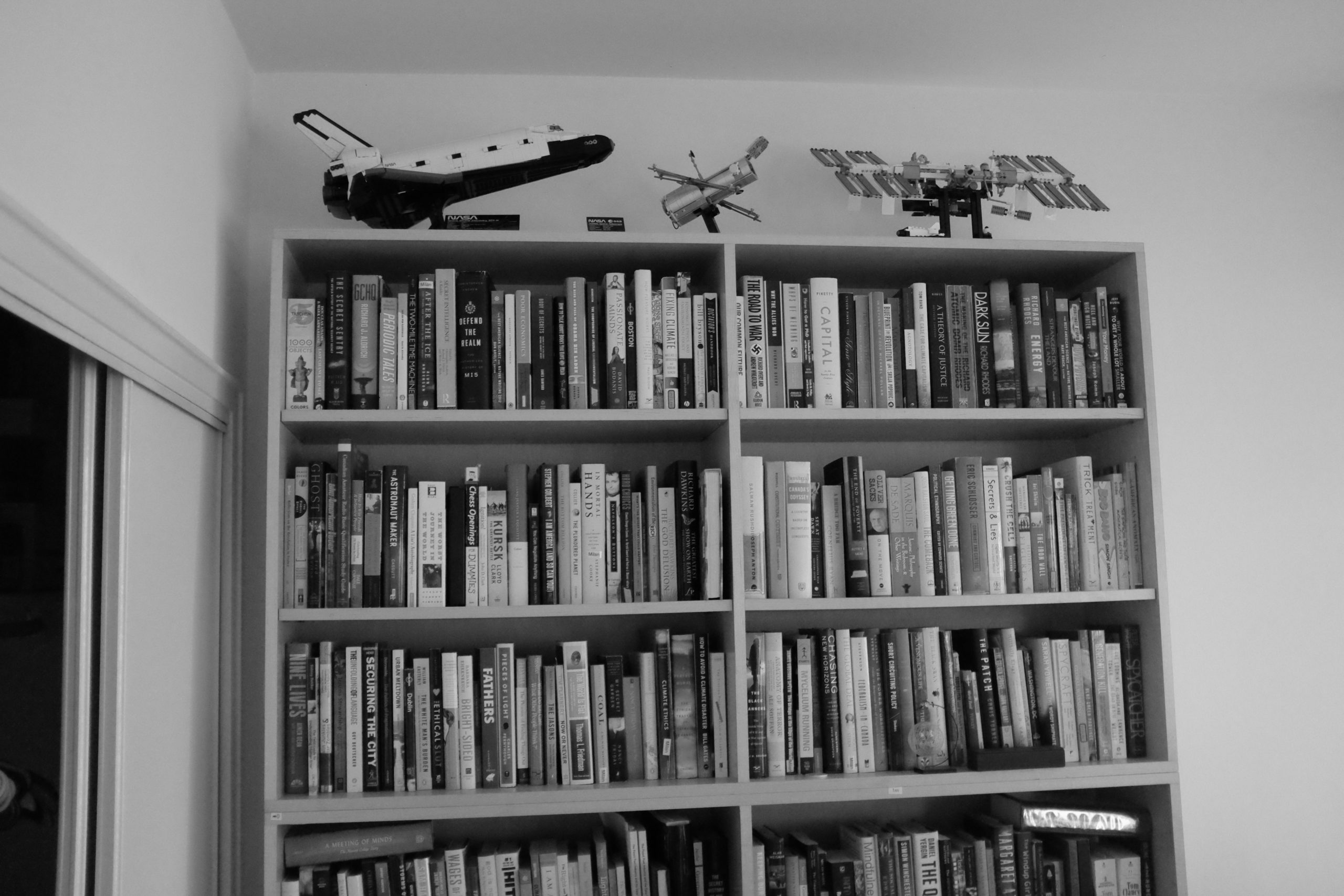
Books and lego space hardware in The Perch
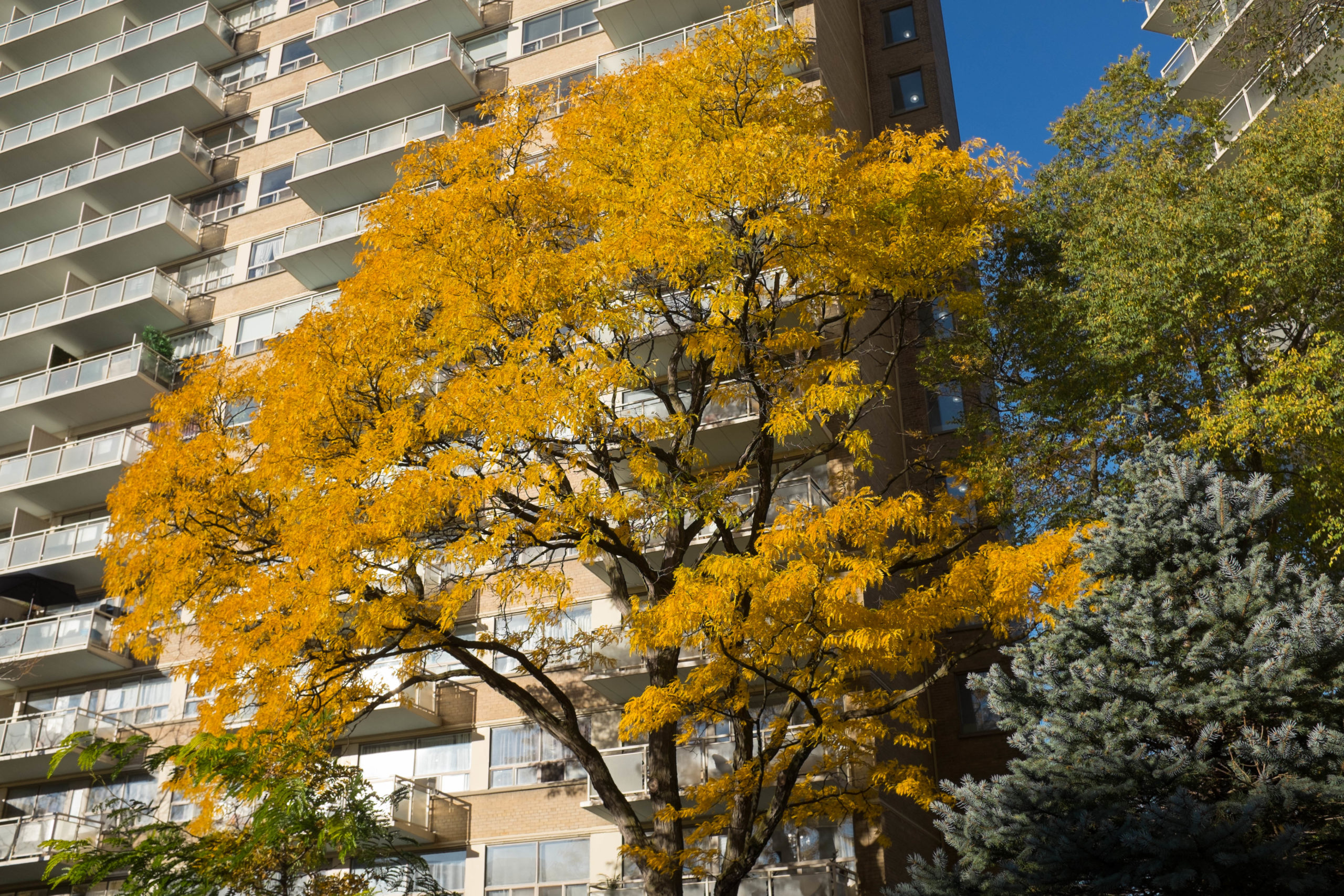
Fall
Exciting reading material
I am still job-hunting, but life has given me a bit of a treat to work on between those efforts. I have two new books from professors I know at U of T to read.
Already published and available to everyone, there is Steve Easterbrook’s Computing the Climate: How We Know What We Know About Climate Change.
Still in the works, possibly for another year, are Peter Russell’s draft memoirs, which he has been kind enough to let me read.
I will be working on both before today’s Critical Mass bike ride, which I expect will be the last with decent weather before spring.
Some documents from the history of fossil fuel divestment at the University of Toronto
Back in 2015, during the Toronto350.org / UofT350.org fossil fuel divestment campaign, I set up UofTFacultyDivest.com as a copy of what the Harvard campaign had up at harvardfacultydivest.com/.
The purposes of the site were to collect the attestations we needed for the formal university divestment policy, to have a repository of campaign-related documents, and to provide information about the campaign to anyone looking for it online.
The site was built with free WordPress software and plugins which have ceased to be compatible with modern web hosting, so I will re-list the important content here for the benefit of anyone seeking to learn about the campus fossil fuel divestment movement in the future:
- The earliest public draft of the brief: September 2013 brief
- Final brief presented by Toronto350.org to the Office of the President
- Cover for the bound paper copies of the brief made for the members of the president’s ad hoc committee at the Toronto Reference Library’s Asquith Press (available in the Robarts catalog and the U of T Archives)
- Presentations to the ad hoc committee
- December 2015 recommendation from the president’s ad hoc committee to divest
- Toronto350.org / UofT350.org Community Response to the committee’s recommendations
- Campus-wide endorsements for the campaign
- University of Toronto Faculty Association (UTFA) endorsement
Of course, U of T announced in 2021 that they would divest. Since then, the Climate Justice U of T group which developed out of the Leap Manifesto group which organized the second fossil fuel divestment campaign at U of T (after Toronto350 / UofT350) has succeeded in pressuring the federated colleges of St. Michael’s, Trinity, and Victoria University to divest as well.
Post-Old Orchard Properties move finished
Yesterday I got my steel bedframe, futon, pillows, and bedding delivered by my cousin Oleksa and his partner. I had no space for them in my temporary student co-op digs, and my aunt offered to hang on to them until I had a new place.
That means that the move which began in March when I learned that I would be forced to leave my room on Marlee Street because the landlords illegally refused to add me to the lease has finally ended. It also means no more sleeping on the floor with a yellow foam sleeping bad, Thermarest collapsible pillow, and light-duty MEC sleeping bag.