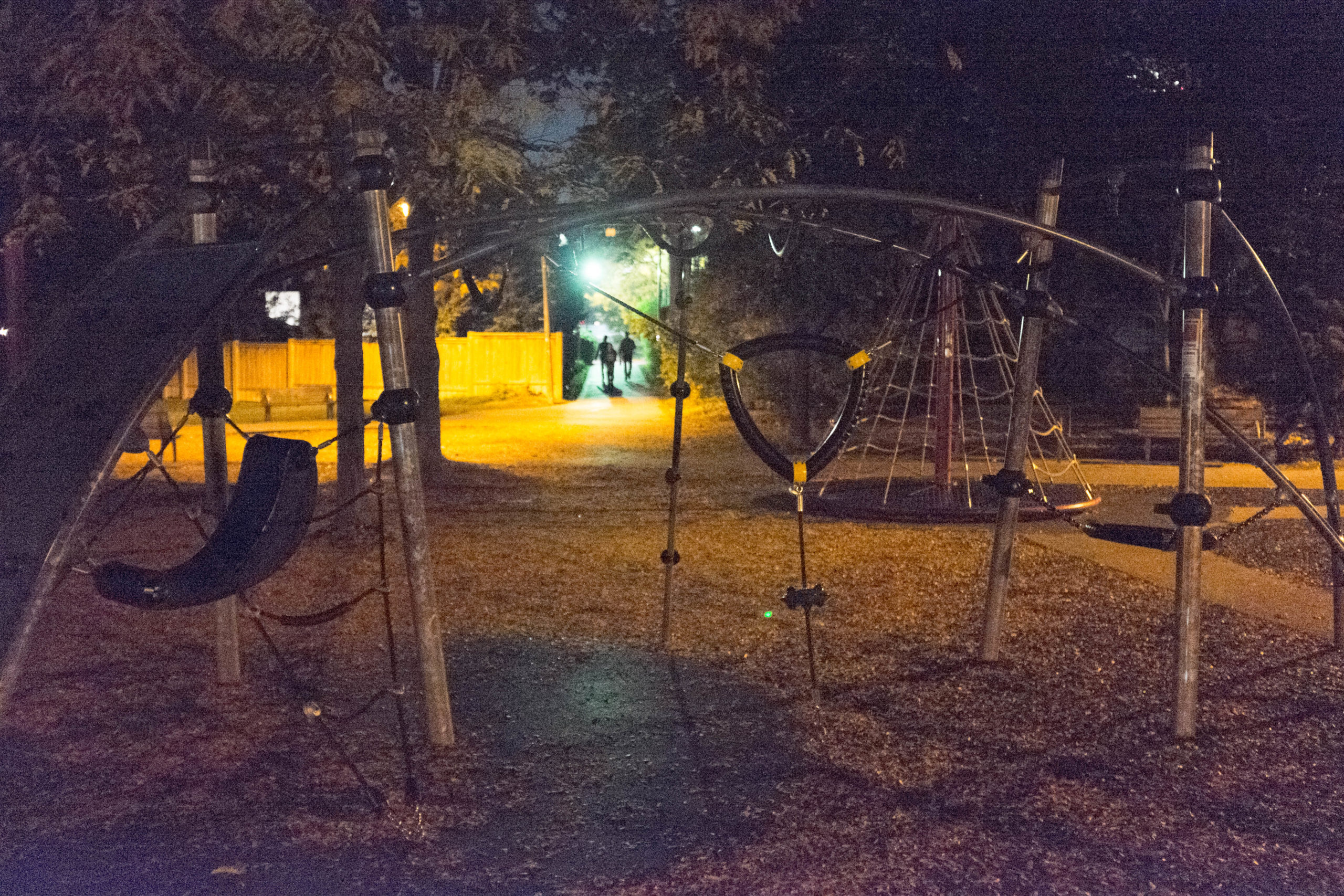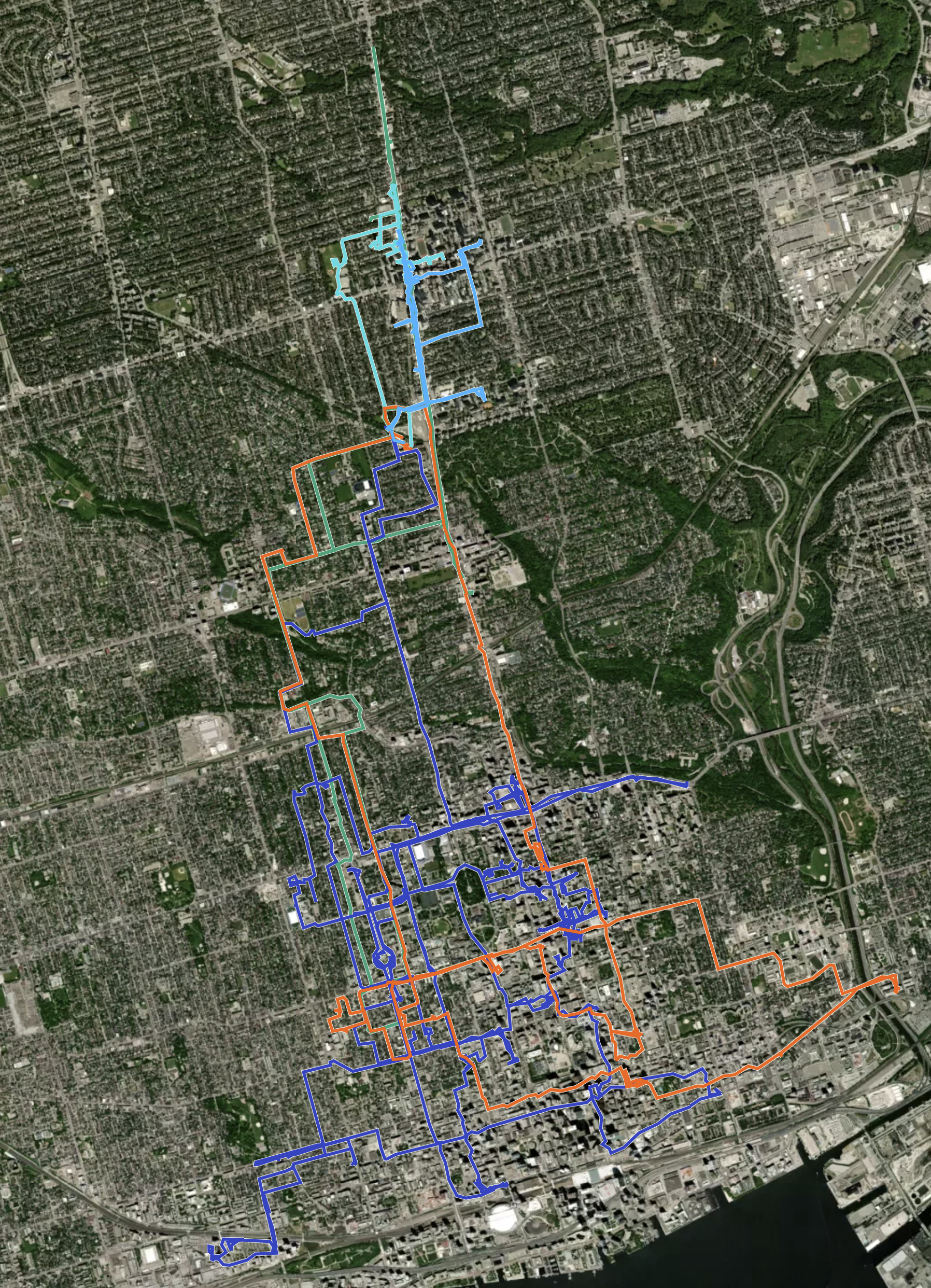
Uber Eats bike delivery — break-even time in downtown Toronto

I have not been able to find another job, I love cycling, and I know the city — so I have been trying out working as food delivery rider for uber.

The lesson from 19.5 hours in is that it pays far below miniumum wage, even before considering any expenses.

At JJ International Inc at 438 Spadina I bought a large two-shelf insulated backpack for food deliveries for $84.76.

Since my total revenues, revenues per hour, revenues per delivery, and revenues per kilometre were all dismal in the first few days, I took a Smart Serve course in order to be able to carry deliveries with alcohol. The course took about 3 hours and cost $44.95.

Just now, I had to take a break from a Saturday night shift to go home because all my external phone batteries are dead.

In sum, so far:

  • I have been online for 19 hours and 18 minutes.
  • I have ridden 153 km.
  • I have earned $150.04 ($116.55 in fares and $34.39 in tips).
  • That works out to about $7.69 per hour, which is a considerable over-statement because it doesn’t count the riding time required to get into the high density zones with many restaurants or to ride back home.
  • It took basically 17 hours of work to pay for the carrier bag and Smart Serve certificate.

All told, a person would be far better off working at the Ontario minumum wage of $16.55 than doing deliveries for uber eats by bike.

Canadian oil production expected to cross 5 million barrels per day

Taking into account both the things we are doing right (some carbon pricing, some other efforts) and what we are doing wrong (building more fossil fuel production, transport, and use infrastructure) Canada is still not even moving in the right direction on fossil fuels and climate change: Canada could lead the world in oil production growth in 2024.

The people leading our society are earning a legacy as the worst wreckers and vandals in human history: inheriting a planet that is the sole jewel of life in the solar system, and passing on profound and perhaps inescapable peril to their human successors while simply blotting out most of the rest of life on Earth.

Emotional maturity and self-reflection

Emotionally mature, responsive people have an emotional engagement instinct that works smoothly. They like to connect, and they naturally give and receive comfort under stressful conditions. They are sympathetic and know how crucial friendly support can be.

They reflect on their actions and try to change. Emotionally mature people are capable of taking a look at themselves and reflecting on their behavior. They may not use psychological terms, but they clearly understand how people affect each other emotionally. They take you seriously if you tell them about a behaviour of theirs that makes you uncomfortable. They’re willing to absorb this kind of feedback because they enjoy the increased emotional intimacy that such clear communication brings. This shows interest in and curiosity about other peoples’ perceptions along with a desire to learn about and improve themselves. Willingness to take action as a result of self-reflection is also important. It isn’t enough to just say the right things or apologize. If you’re clear about what bothers you, they’ll remain aware of the issue and demonstrate follow-through in their attempts to change.

Gibson, Lindsay C. Adult Children of Emotionally Immature Parents. ch. 11, 25:00 – 26:20

Awareness others don’t automatically share our wants

Emotionally mature people will respect your individuality. They never assume that if you love them you’ll want the same things they do. Instead, they take your feelings and boundaries into account in any interaction. This may sound like a lot of work, but it isn’t. Emotionally mature people automatically tune in to how others are feeling. Real empathy makes consideration of other people second nature. An important gesture of courtesy and good boundaries in relationships is not to tell partners or friends what they should feel or think. Another is respecting that others have the final say on what their motivations are. In contrast, immature people who are looking for control or enmeshment may psychoanalyze you to their own advantage: telling you what you really meant, or how you need to change your thinking. This is a sign that they disrespect your boundaries.

Gibson, Lindsay C. Adult Children of Emotionally Immature Parents. ch. 11, 7:54 – 8:33

Boundaries and the assertion of will

Even in minor encounters, you can adjust how much you give so you won’t be exhausted by trying to fulfill others’ needs. I recommend using the maturity awareness mindset to observe how your parents react when you ask them to respect your boundaries. Notice whether they try to make you feel ashamed and guilty — as if they have a right to do whatever they want, regardless of how it affects you.

Gibson, Lindsay C. Adult Children of Emotionally Immature Parents. ch. 10, 18:04 – 18:31