Phages for treating pathogenic bacteria

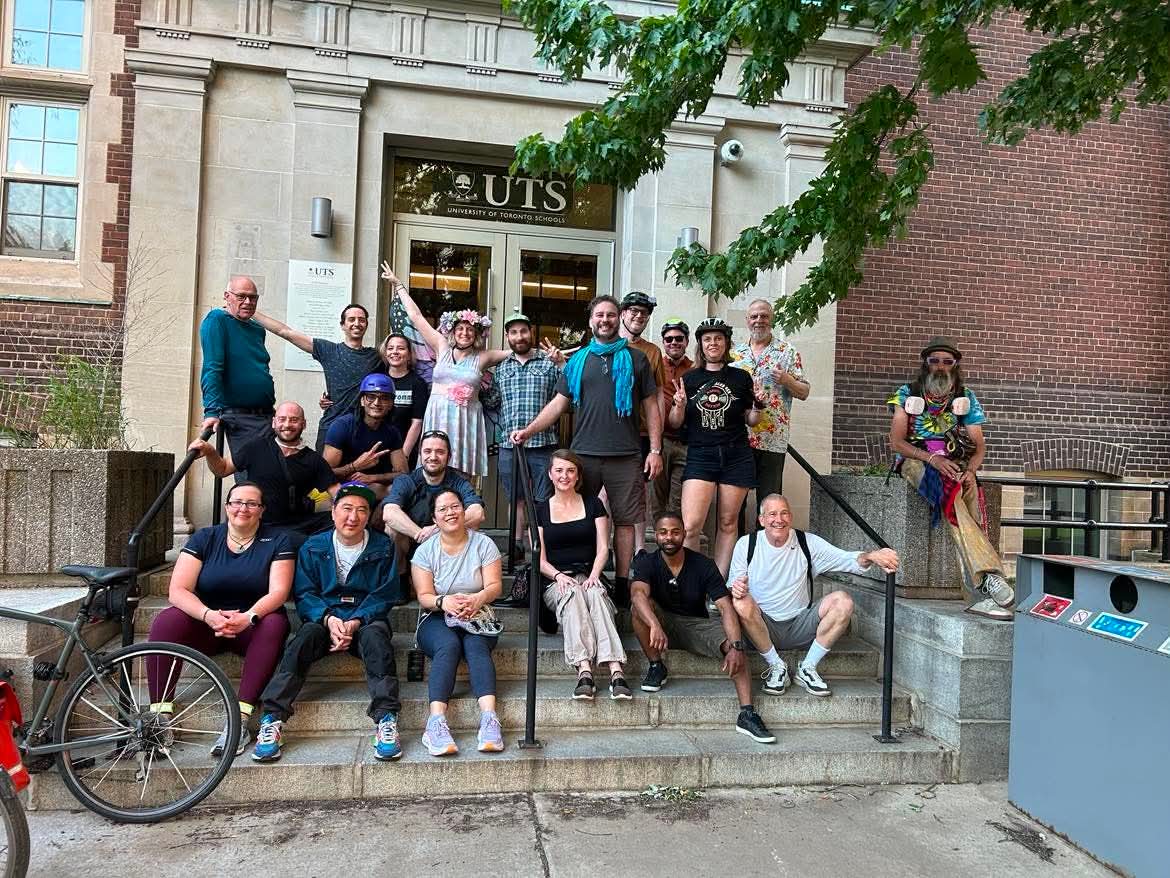
I have been deeply worried about antibiotic resistance for ages. Last night, Paul Turner’s Martin Lecture on leveraging evolutionary trade-offs for phage therapy was very encouraging.

Professor Turner, who is Rachel Carson Professor of Ecology and Evolutionary Biology at Yale, provided a fascinating account of how bacteriophages (viruses that attack bacteria) can be used in synergy with antibiotic drugs to avoid the development of drug resistance.

His Martin Lecture doesn’t have a public recording, but he suggested his TEDx talk for people interested in the subject. Though he was not featured in it, he also recommended the documentary “The Good Virus”.

Use or forfeit every hour

From this we can see just one thing: death is a meaningful part of life, just like human suffering. Both do not rob the existence of human beings of meaning but make it meaningful in the first place. Thus, it is precisely the uniqueness of our existence in the world, the irretrievability of our lifetime, the irrevocability of everything with which we fill it—or leave unfulfilled—that gives our existence significance. But it is not only the uniqueness of an individual life as a whole that gives it importance, it is also the uniqueness of every day, every hour, every moment that represents something that loads our existence with the weight of a terrible and yet so beautiful responsibility! Any hour whose demands we do not fulfill, or fulfill halfheartedly, this hour is forfeited, forfeited “for all eternity.” Conversely, what we achieve by seizing the moment is, once and for all, rescued into reality, into a reality in which it is only apparently “cancelled out” by becoming the past. In truth, it has actually been preserved, in the sense of being kept safe. Having been is in this sense perhaps the safest form of being. The “being,” the reality that we have rescued into the past in this way, can no longer be harmed by transitoriness.

Frankl, Viktor E. Yes to Life: In Spite of Everything. Beacon Press, 2019. p.44-5

Toronto’s bike season re-emerging

Snowbanks are still dwindling and another winter blast is still expected, but I was nonetheless able to ride my bike every day from Saturday through Monday.

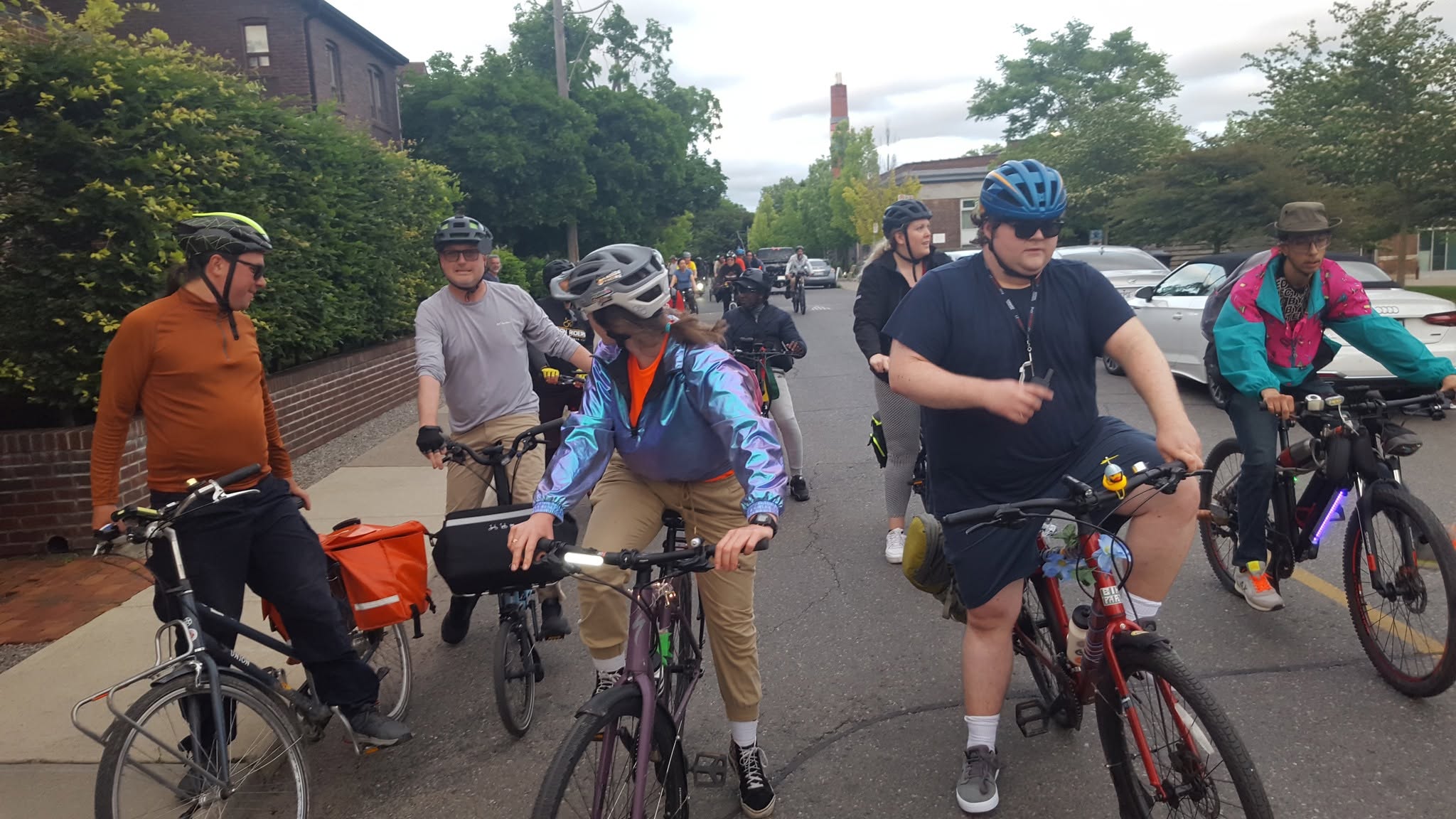
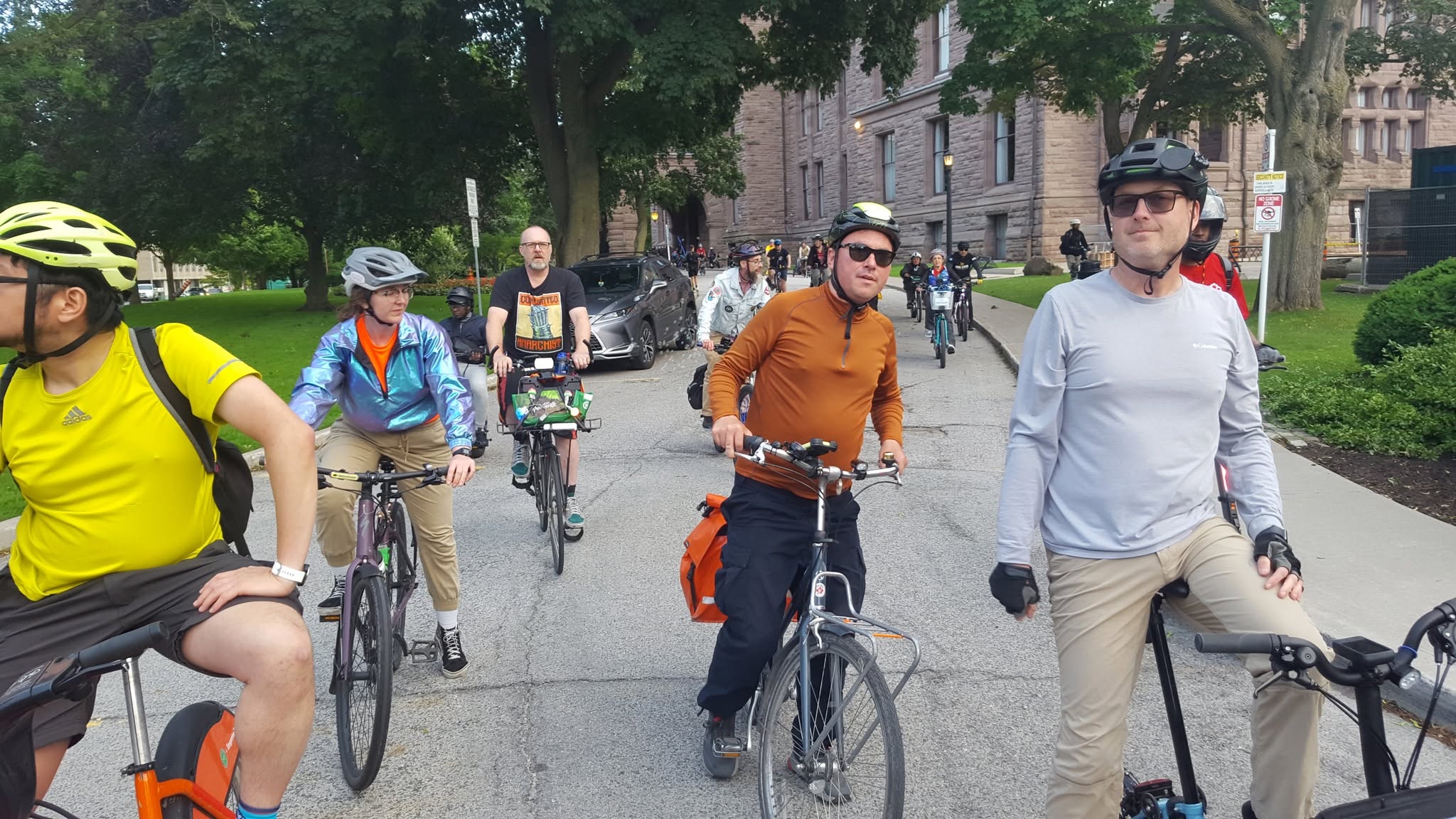
Official Neon Rides likely won’t resume until April, but if attractive weather warrants it we might undertake some unofficial rides sooner. For me, that would represent the re-emergence of a social community which I have badly missed through the winter’s flurries and pools of slushy brine.

Meadoway 2025 report

I have been suffering for a week from a vexing stomach bug that has had me living on nothing but an hourly soda cracker and oral rehydration salts.

It has nonetheless been very exciting to read about the excellent work being done by the Meadoway project, in which a 16 km stretch of hydro corridor has been turned into a giant re-naturalization project. The corridor runs all the way from the eastern edge of the Don Valley to the Rouge and Toronto Zoo area.

Their 2025 annual report is detailed, beautifully illustrated, and inspiring. Toronto has a great opportunity to add new ways of getting around the city on foot and by bike, avoiding cars, while achieving all the erosion and biological benefits of re-introducing native plants at scale.

Their restoration manual is highly interesting too, and shows a laudable desire to share lessons with everybody.

As soon as ground conditions, weather, and health allow, I want to take my first real bike trip of the year to see the early emergence of the plants of interest out in Scarborough.