Author: Milan
In the spring of 2005, I graduated from the University of British Columbia with a degree in International Relations and a general focus in the area of environmental politics. Between 2005 and 2007 I completed an M.Phil in IR at Wadham College, Oxford. I worked for five years for the Canadian federal government, including completing the Accelerated Economist Training Program, and then completed a PhD in Political Science at the University of Toronto in 2023.
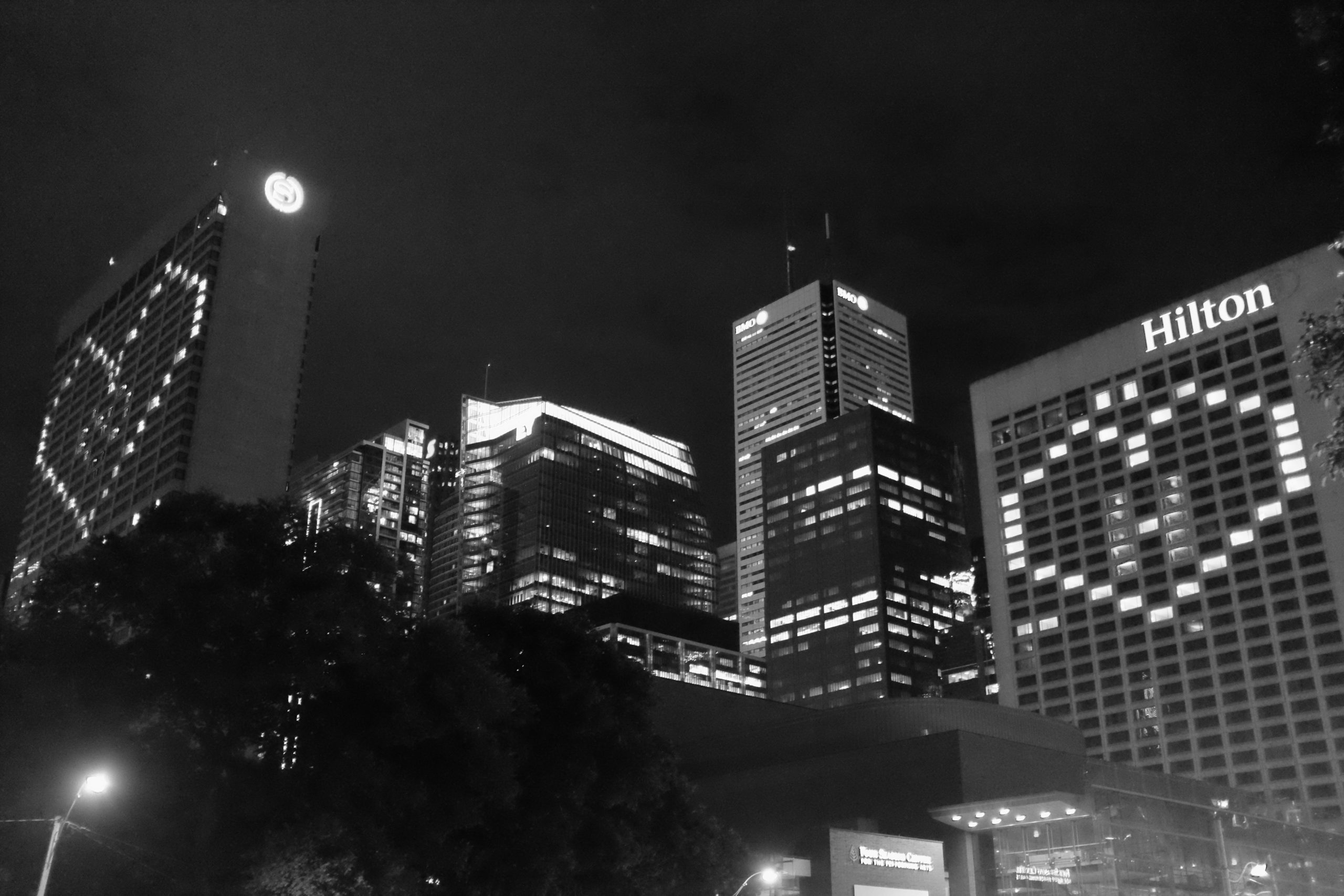
Hotel hearts
Christian nationalism in America
Today’s [Christian nationalist] movement leaders have declared a new holy war against America’s ethnically and religiously diverse democracy. Yet the vision of a nation founded on hierarchies enshrined in purportedly biblical law remains now, as it was with the Confederacy and Jim Crow, the foundation of a weak society, not a strong one. If we want to guard against demagogues and theocrats who wish to ‘redeem’ America, we don’t need a new theory of American democracy. We just need to recover and restore the vision of a nation dedicated to the proposition that all men and women are created equal.
Many leaders of the Christian right like to dress up in red, white, and blue to annouce themselves as true patriots. But they are the same people who seek to pervert our institutions, betray our international alliances and make friends with despots, degrade the public discourse, treat the Constitution as a subcategory of their holy texts, demean whole segments of the population, foist their authoritarian creed upon other people’s children, and celebrate the elevation of a ‘king’ to the presidency who has made a sport of violating democratic laws and norms. We don’t need lessons on patriotism from Christian nationalists. We need to challenge them in the name of the nation we actually have—a pluralistic, democratic nation—where no one is above the law and the laws are meant to be made by the people and their representatives in accordance with the Constitution.
Stewart, Katherine. The Power Worshippers: Inside the Dangerous Rise of Religious Nationalism. Bloomsbury Publishing, 2020. p. 275–6
Insomnia and activist burnout
The most common physical health symptom described by the participants was chronic insomnia. Heidi explained: ‘One of the first indicators for me is insomnia. . . . I’m waking up in the middle of the night thinking about how I need to do this or bring this in or what time I am meeting with these parents, and that starts repeating itself.’ The insomnia became more serious for Cathy: ‘I would not be able to sleep unless I took sleeping pills.”
…
They described, not just brief periods of weariness, but chronic, debilitating stress, anxiety, and depression that drove them away from their activism at least temporarily. Christopher, for example, felt ‘frayed all over’. Evelyn described feeling ’emotionally devastated’.
Chen, Cher Weixia and Paul C. Gorski. “Burnout in Social Justice and Human Rights Activists: Symptoms, Causes and Implications.” Journal of Human Rights Practice, Volume 7, Issue 3, November 2015
Related:
Starting the stickiest season
For this year’s summer solstice I walked down to the lakefront to photograph the dawn.
Institutional memory on fossil fuel divestment
One concern about the informal and non-hierarchical approach used in most campus fossil fuel divestment campaigns, and in the climate activist movement more broadly, is that it impairs institutional memory and thus prevents people from having a strong understanding of what has already been done and learned.
In an effective and intriguing effort to counter that concern the Fossil Free Macalester in Minnesota released a 29-page handbook: Handbook: Lessons from a Divestment Campaign.
It’s hosted on a Google Drive account (another challenge for institutional memory) but if that link breaks there is a backup on the Wayback Machine.
The new Starbucks experience

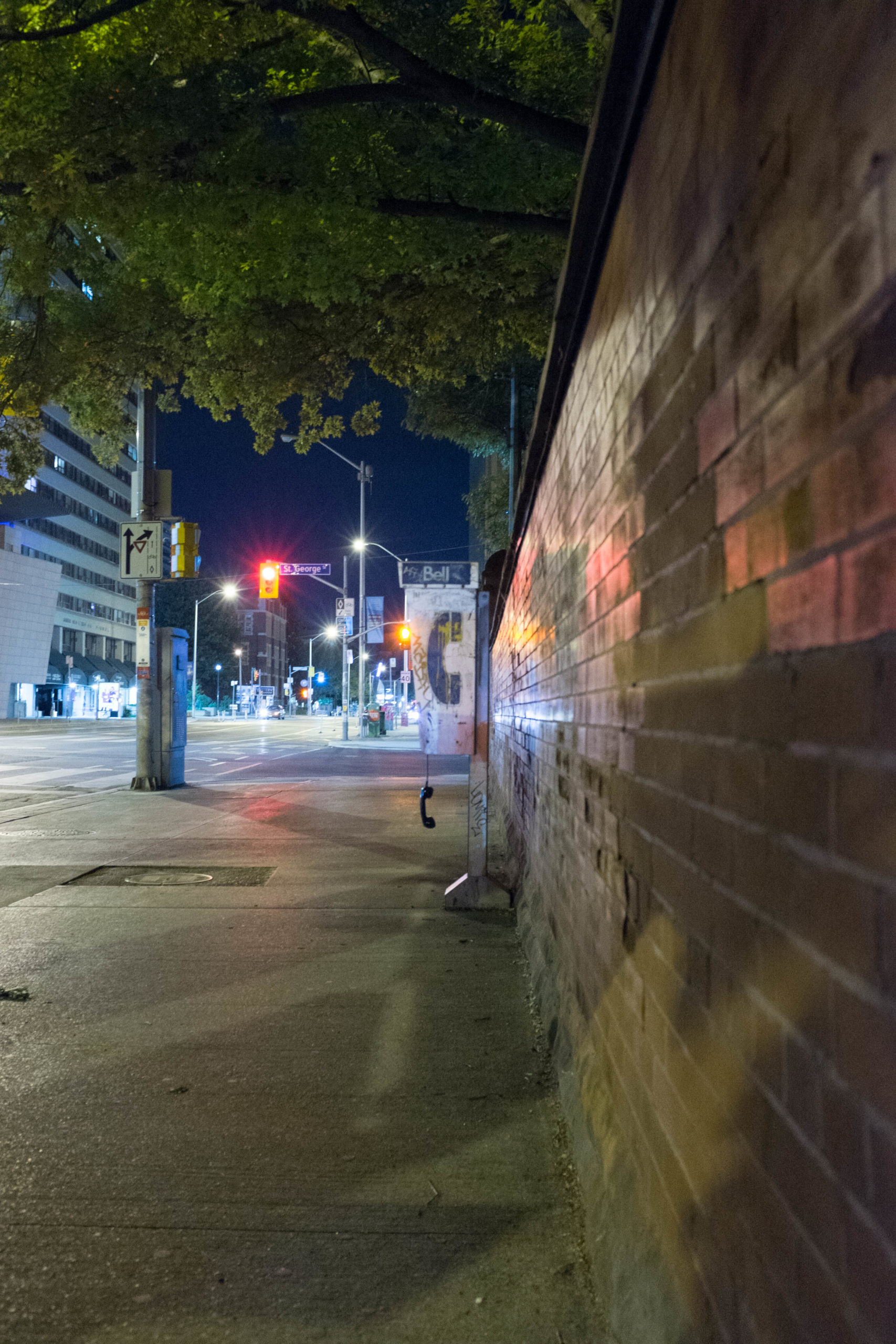
Off the hook
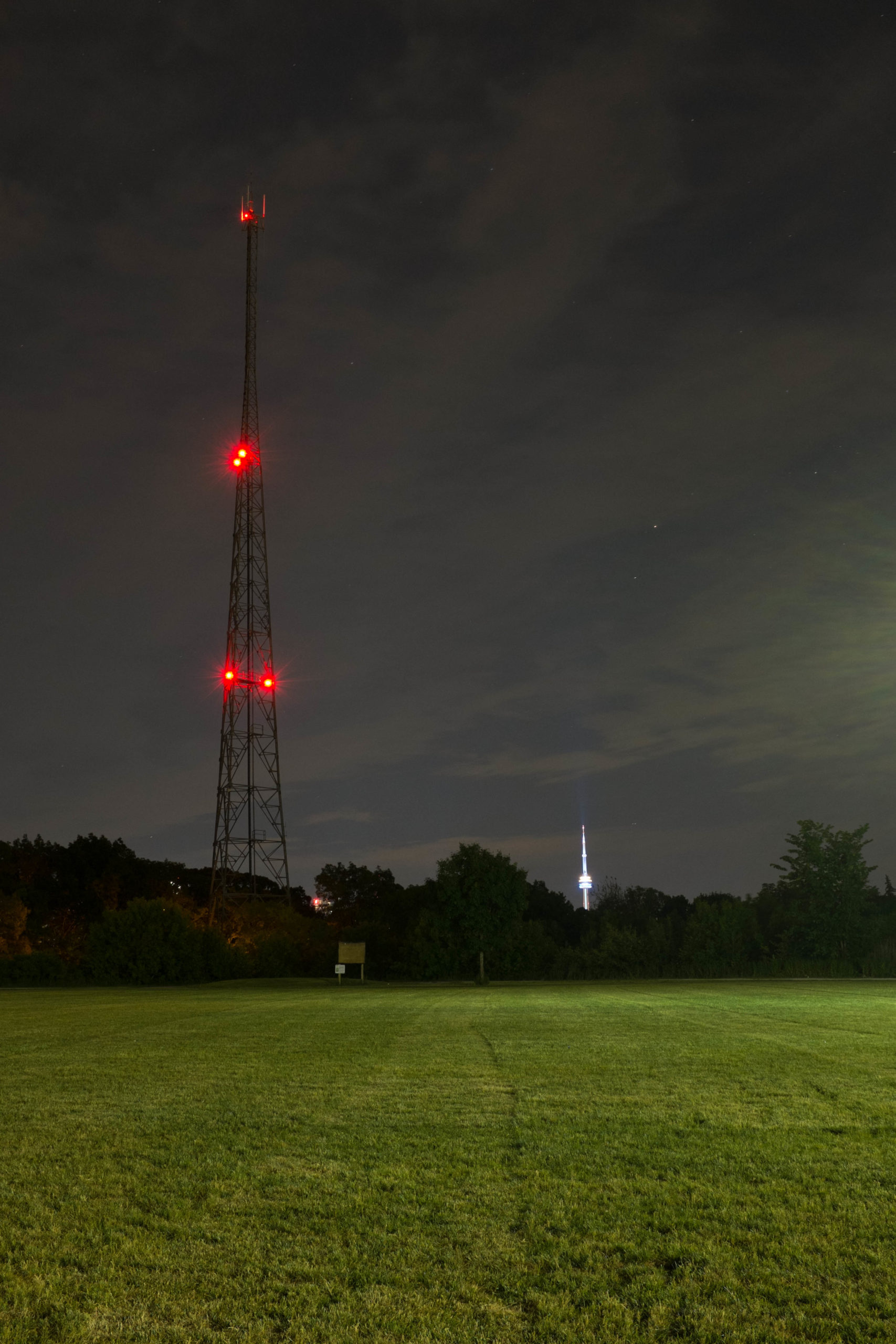
Radio tower in Sir Winston Churchill Park
EVERYTHING UNDER THE SKY