
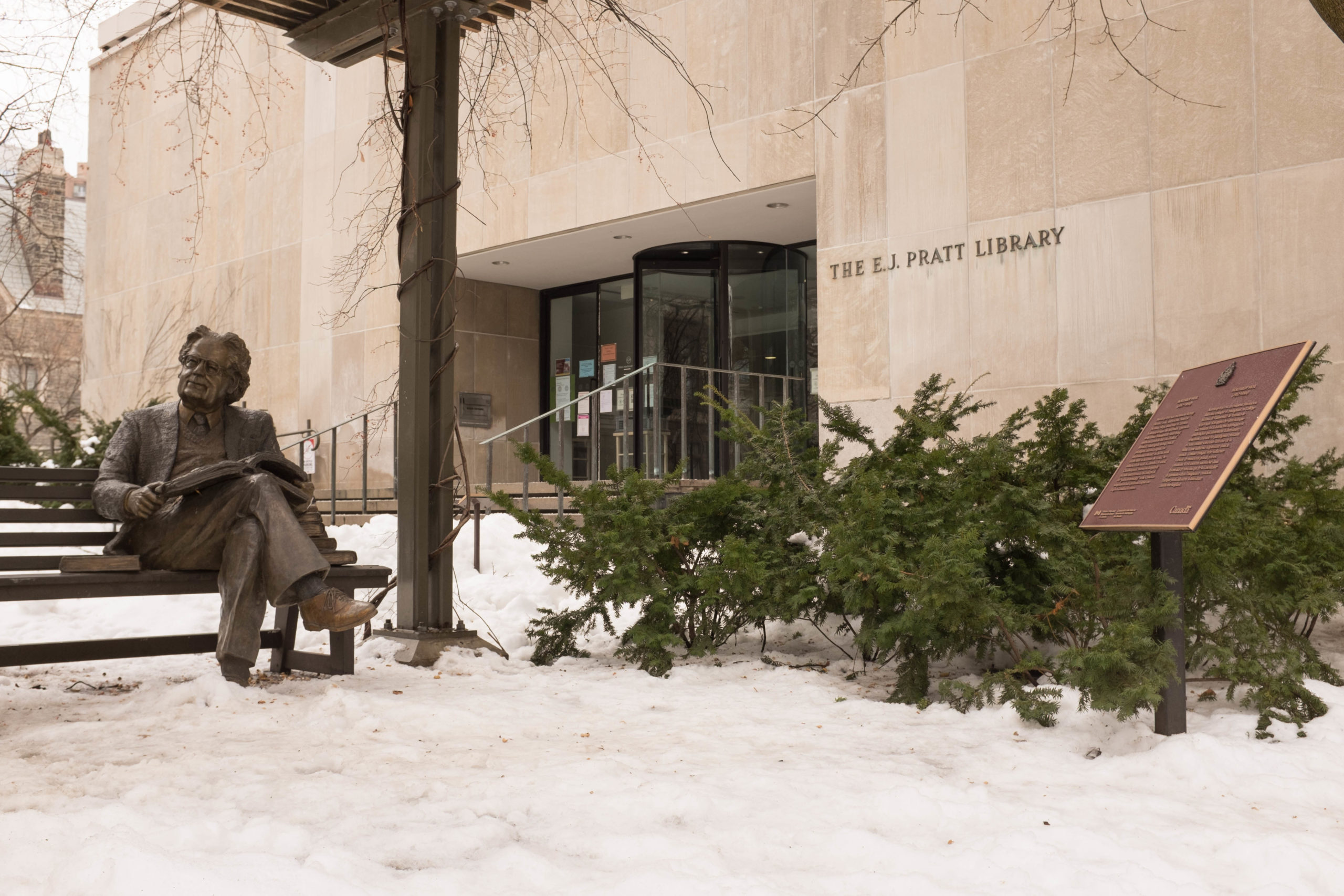
Author: Milan
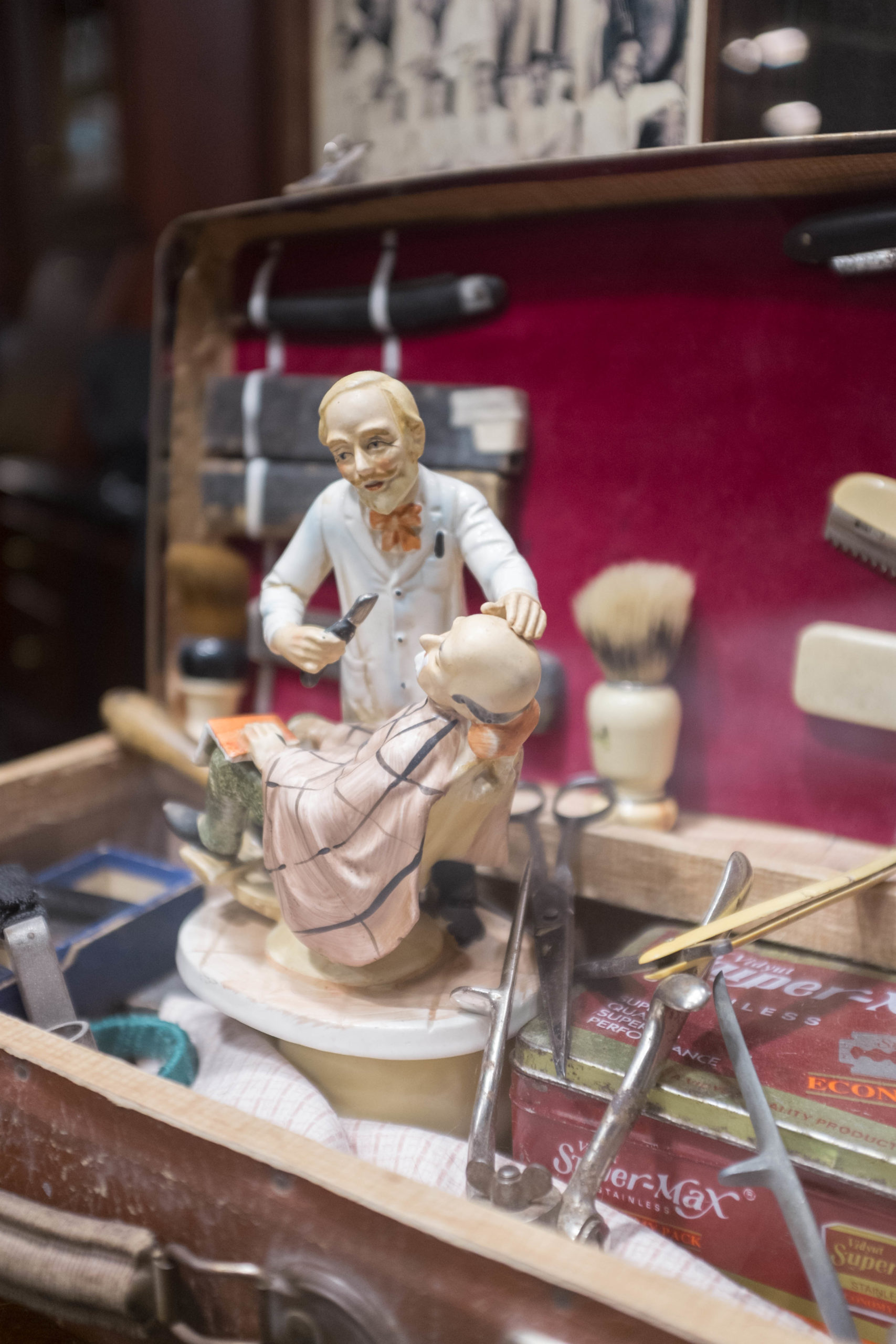
Shaving kit and sculpture
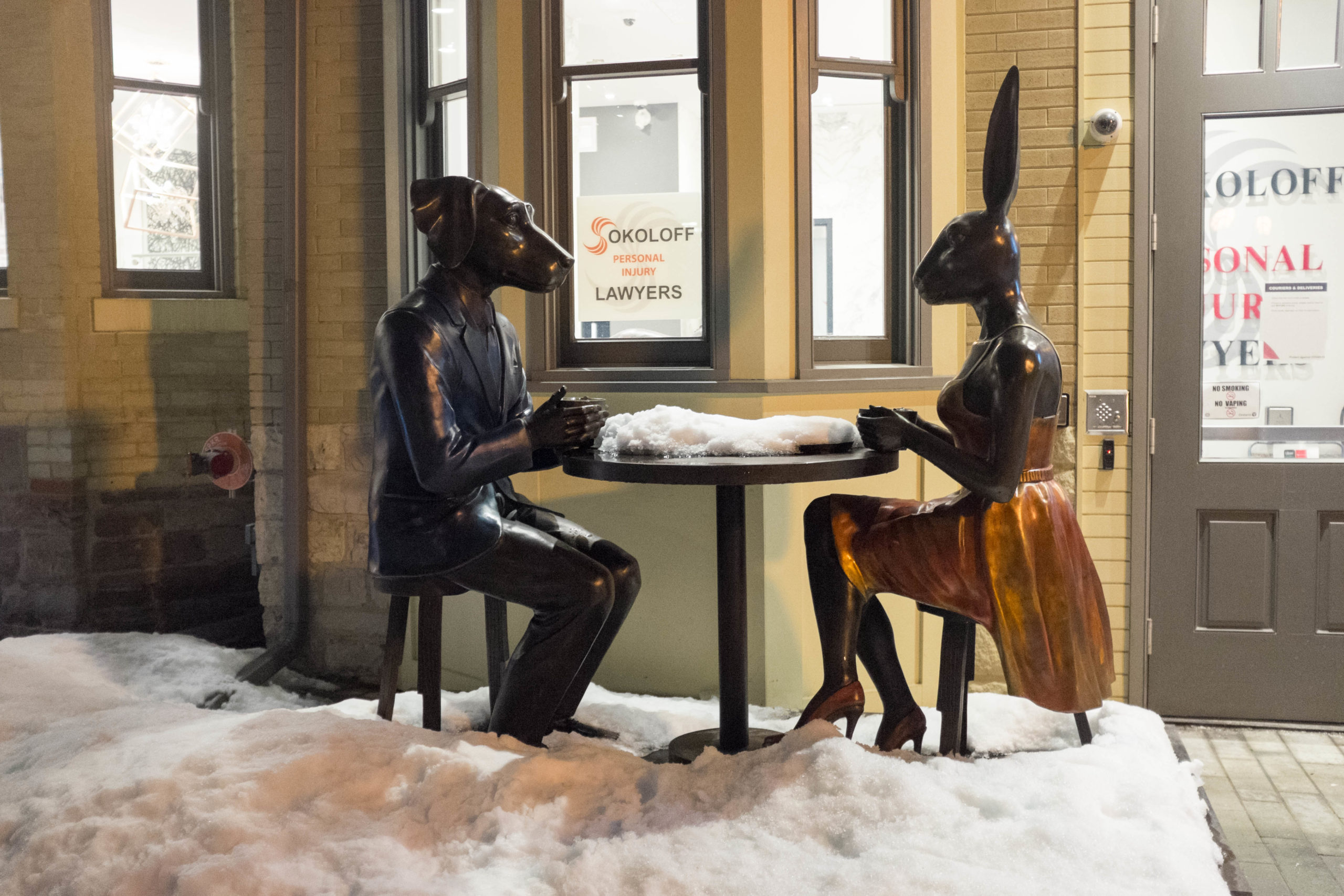
Dog and rabbit
Lessons from successful fossil fuel divestment campaigns
Divest Canada — a self-initiated, volunteer-run effort to support fossil fuel divestment campaigns at Canadian universities — recently hosted a webinar on lessons learned from recent successful campaigns:
It is encouraging on several fronts. It’s great to see all these groups patiently implementing strategy on their own initiative and yet in parallel. It brings hope to see the commitment and dedication of the activists. Above all, it suggests that the most important success factor for a divestment campaign is being able to survive long enough for an opportunity to arise with sympathetic administrators, all the while building the intellectual and moral case along with campus-wide support.
B-Liner

Core writing time
It’s an intellectual treat to incorporate the thoughtful comments of experts into a long piece of writing which you have spent a great deal of time developing.
I think it’s going to take a major two-step to complete the dissertation: a line by line review of the existing manuscript to incorporate comments from committee members, and then a rewriting of the front matter, concluding matter, and structure to be consistent and represent the thru-story which emerged through the development of the manuscript.
It’s exciting in part because there’s an awareness that aside from my efforts none of this specific work would get done, and it’s only possible after having taken the effort to acquire a detailed background understanding of the narrower divestment movement and more broadly environmentalism generally. Most of all, I look forward to being able to share, hear back from others in public fora, and keep developing our collective understanding.
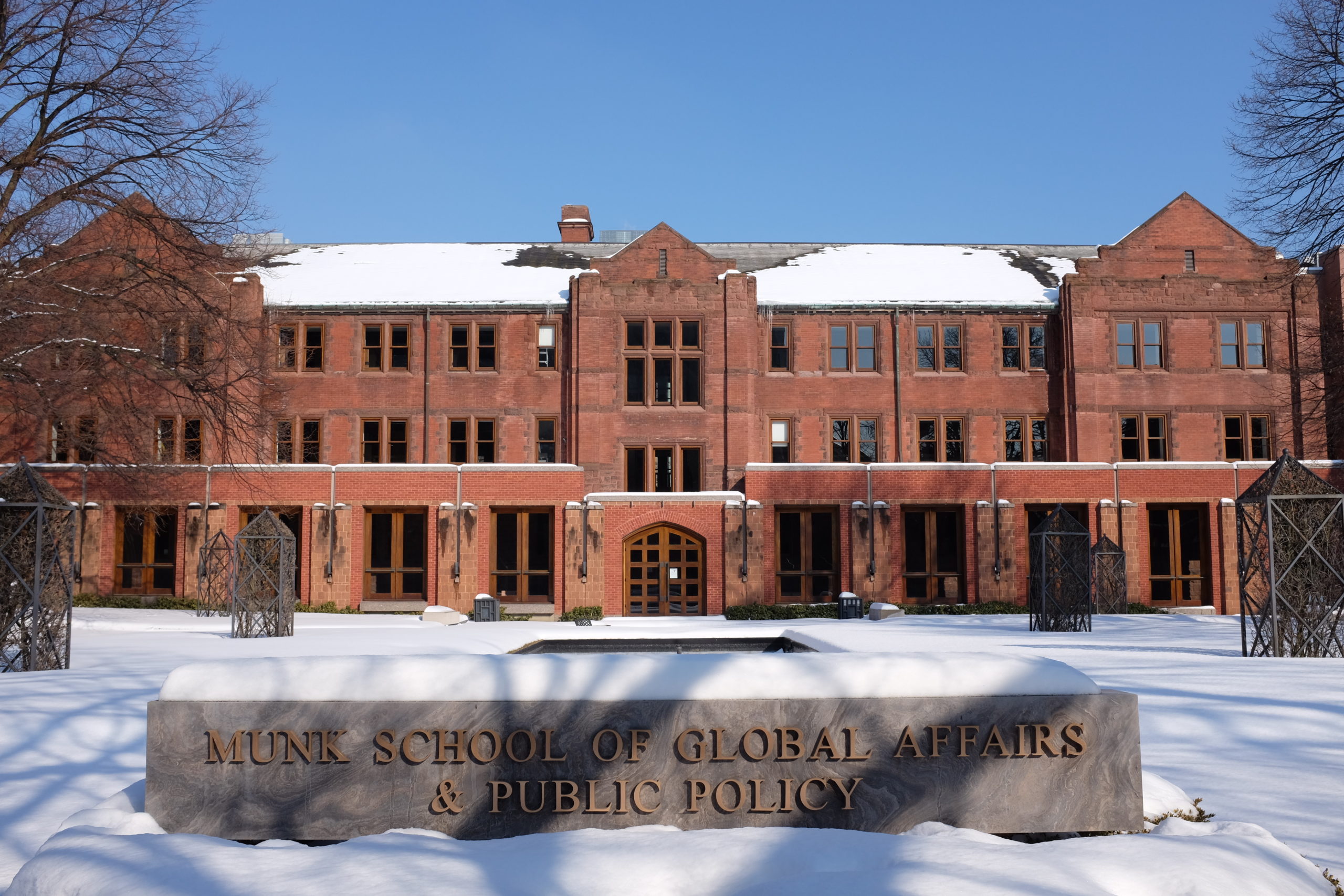
Munk School
Sources on fossil fuel divestment
Even while working to adapt my thesis chapters in response to comments from my supervisor, I still regularly come across new popular and scholarly writing about the campus fossil fuel divestment (CFFD) movement.
Tonight, that is former McGill professor Gregory Mikkelson’s article: “Divestment and Democracy at a Canadian University“.
It’s frustrating that I talk so much with people about divestment but cannot share my dissertation contents until they have gone through review by my supervisory and examination committee members. My growing bibliography is public, however, since almost everything I am citing is available in libraries or online.
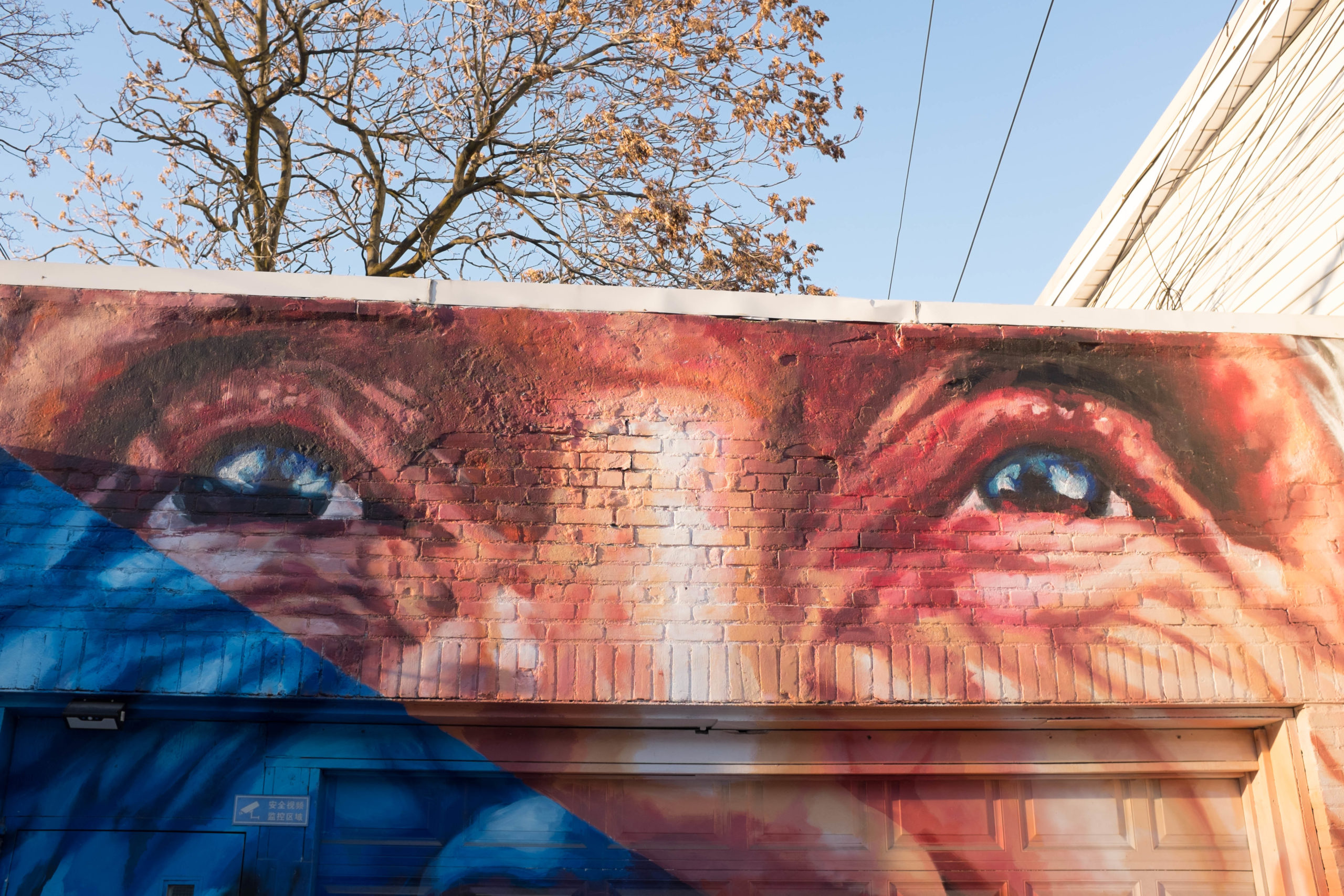
Eye mural
Starlink in the Canadian north
SpaceX’s Starlink satellite constellation promises to provide low-latency high-bandwidth internet to anyone on the planet.
In November or so, the company announced a beta release in Canada. Some northern communities are already being connected, notably Pikangikum in northwestern Ontario with the charitable assistance of FSET Information Technology and Service.
With my brother Mica starting to teach at the Chief Jimmy Bruneau School in Behchoko, about 125 km down the highway from Yellowknife, we both wondered whether the satellite internet package might be useful for them.
So far, I have found three explanations for why Starlink isn’t available in the region yet:
- SpaceX doesn’t yet have the necessary satellites to support access from that latitude
- SpaceX needs ground stations in areas where there will be customers
- Starlink needs to negotiate with Innovation, Science and Economic Development Canada (ISED) for use of the Ka radio band
I have reached out to bureaucrats and people in ministers’ offices to try to get authoritative information on what the issue is.
This post — based around this map — shows a station in Kaparuk, Alaska. I sent a message to the map’s creator for verification, since I can’t see how satellites going from pole to pole could cover Alaska but not the Canadian territories. This post shows a Starlink ground station in St. John’s Newfoundland.
If you have any relevant information please contact me. If you are also looking into getting a Starlink connection in northern Canada I don’t have any further information for now but I will provide updates when I do.