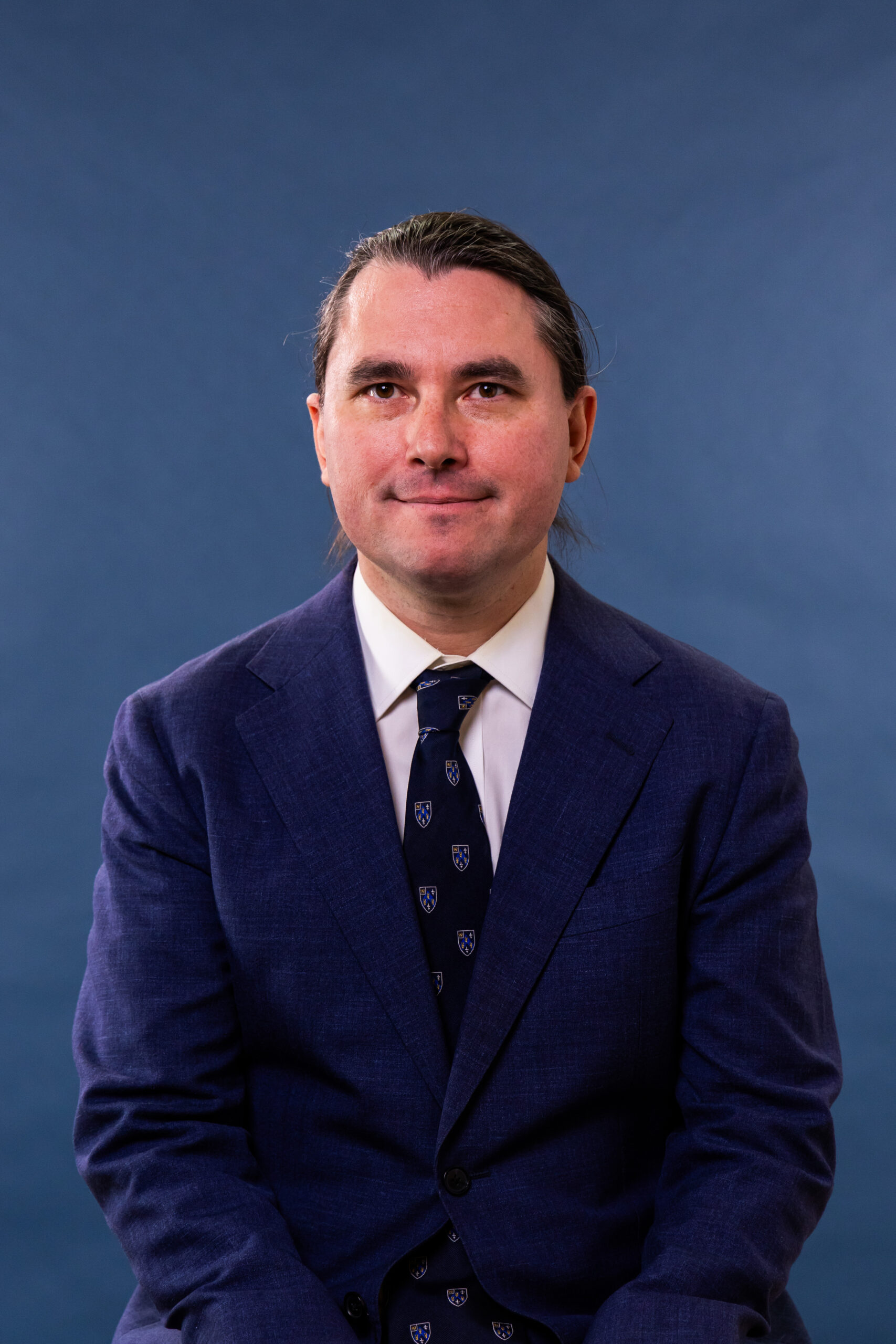
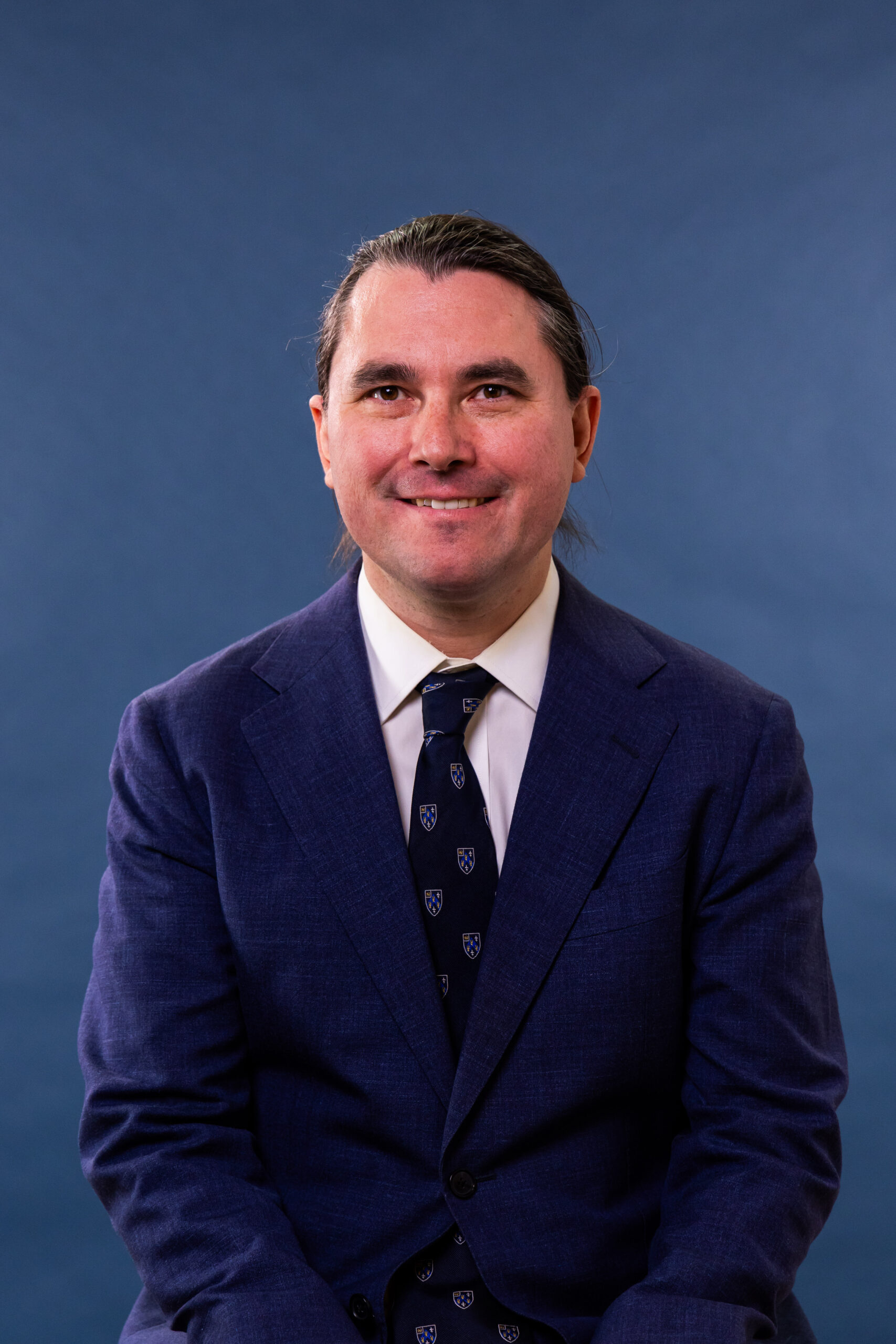
I attended a Hart House job fair a few weeks ago with my friend Nada. One service provided was free headshots:
climate change activist and science communicator; photographer; mapmaker — advocate for a stable global climate, reduced nuclear weapon risks, and safe human-AI interaction

Generally musings of the day, usually accompanied by a photograph
I attended a Hart House job fair a few weeks ago with my friend Nada. One service provided was free headshots:
‘History fan’ and master of long-form podcasts Dan Carlin circulated an email yesterday which describes several things which I have also been powerfully feeling:
But, we ARE living through absolutely momentous times (and dangerous ones). Don’t allow yourself to be gaslit about that. Any fan of History can see it. And as someone who fretted for years (and bored the people around me to tears) about the trends we are now seeing play out, it’s personally a bit of a crisis for me. I spent my life since I was a teen paying attention to ideas, and approaches and arguments to keep from reaching the point we’ve reached. I wrapped my whole career around it. I am less well equipped (and of course totally inexperienced) with dealing with things now that we have arrived here. I feel I have less useful commentary to offer. I don’t know how to get us out of the mess we’re in. At that point what’s there to say that’s helpful? I am sure there’s something. But I haven’t figured out yet what it is.
But it’s haunting me. And it is thwarting me. It is sapping my energy and I feel angry and I feel stuck. Normally when I have things to say I will talk your ear off. I am silent these days. I’ve turned inward and want to read and study, rather than communicate. Even around the house. My wife is driving me nuts saying “are you ok?” all the time. But I am worried about the future. I think all intelligent Americans are. And like a computer that gets co-opted trying to figure out the value of pi to the last digit, my mind goes over our circumstances, endlessly and without answers or resolution.
…
I still go in the studio every morning. It just is slow going and frustrating, and the days when the energy and Muse/inspiration come together as they need to for a successful end result are fewer per week than they used to be. And maybe this is just age, maybe it’s that the traditional vast amounts of coffee seem almost powerless over me now, or maybe its the weight of the times in which we live. It would be nice to not be thinking about politics or the latest dangerous, divisive nightmare every day from the moment we wake up. But that’s not the reality in which we currently live.
I share that sense of having prepared all my life for this moment, and yet often feeling uncertain and disempowered now that it is here.
It has been one year since my brother’s successful brain surgery. I am eternally grateful to everyone who helped him: the surgical team, the nurses and rest of the hospital staff, and his friends who organized his ‘big brain benefit’ and provided post-surgical support.
The last few months have been a really tough time for me — with more challenges ahead — but the anniversary provides a reminder of what is most important and makes me once again filled with relief and gratitude, as I was in Victoria a year ago.
Dr. Ian Fleetwood — thank you. Perhaps one day I will unveil a project which I am undertaking to thank the land at a scale commensurate with my gratitude.
Snowbanks are still dwindling and another winter blast is still expected, but I was nonetheless able to ride my bike every day from Saturday through Monday.
Official Neon Rides likely won’t resume until April, but if attractive weather warrants it we might undertake some unofficial rides sooner. For me, that would represent the re-emergence of a social community which I have badly missed through the winter’s flurries and pools of slushy brine.
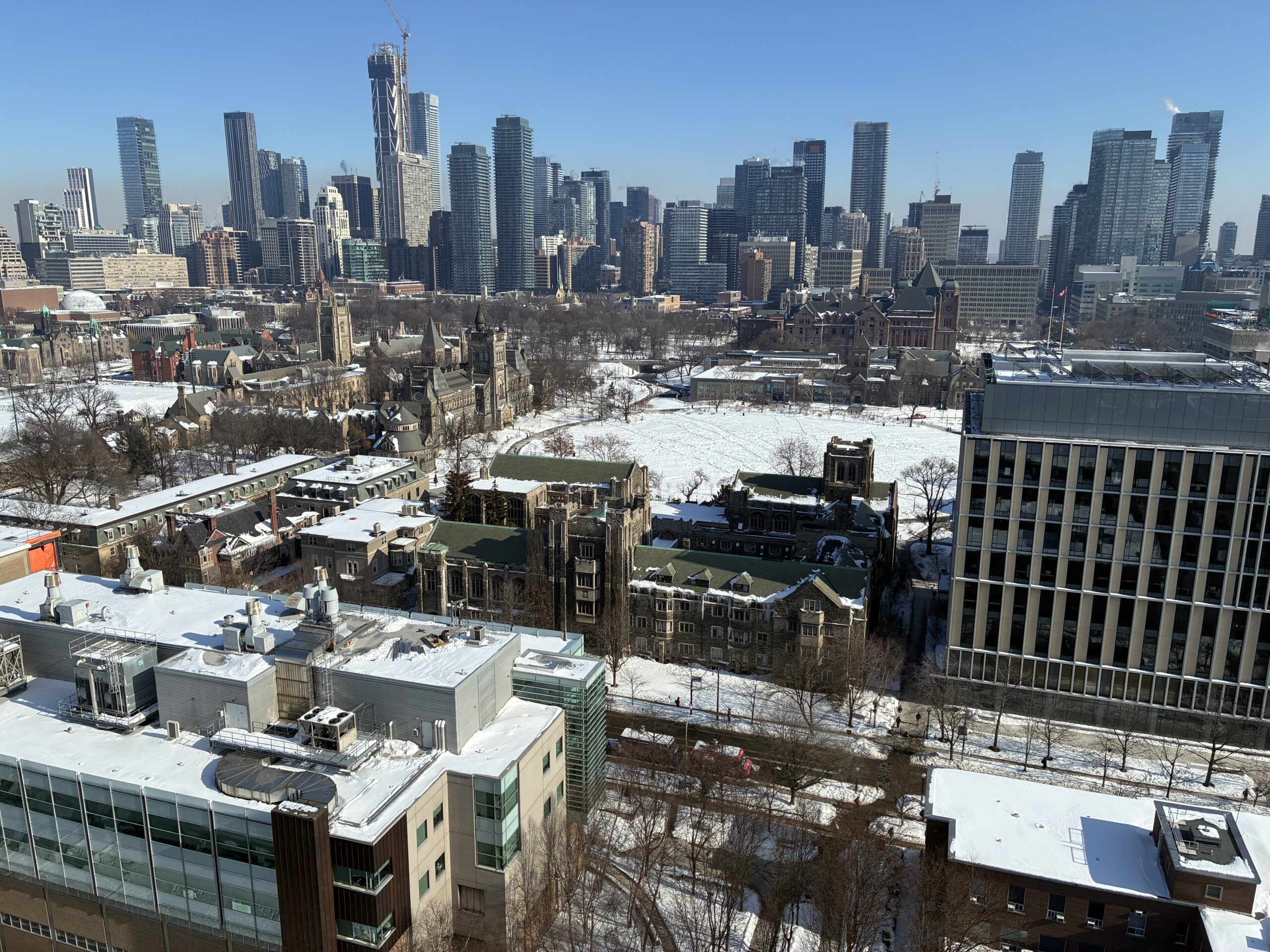
Winter has fallen decisively across Toronto. Right now it’s longjohns-and-a-toque weather inside my small apartment, with nothing but white to see at any distance outside the windows.
I brought my bike in for an annual tune-up, plus a shifter repair and replacement tires. I don’t expect much biking for several months, but it was good to get it into the shop during their less busy time. I’m getting an upgrade to Schwalbe Marathon Plus tires, which the staff say are good for puncture resistance, plus replacing the seat which is gradually eroding away with a more comfortable and better one.
I am looking forward enormously to the return of bicycling season. The city seems so much more open and endowed with possibility when it is possible to get anywhere without worrying about TTC delays or deep snow banks.
As the cooler weather of meteorological fall is arriving, I can reflect back on a good and productive summer. I did a great deal of work on a self-initiated project, and have been deepening relationships with new friends.
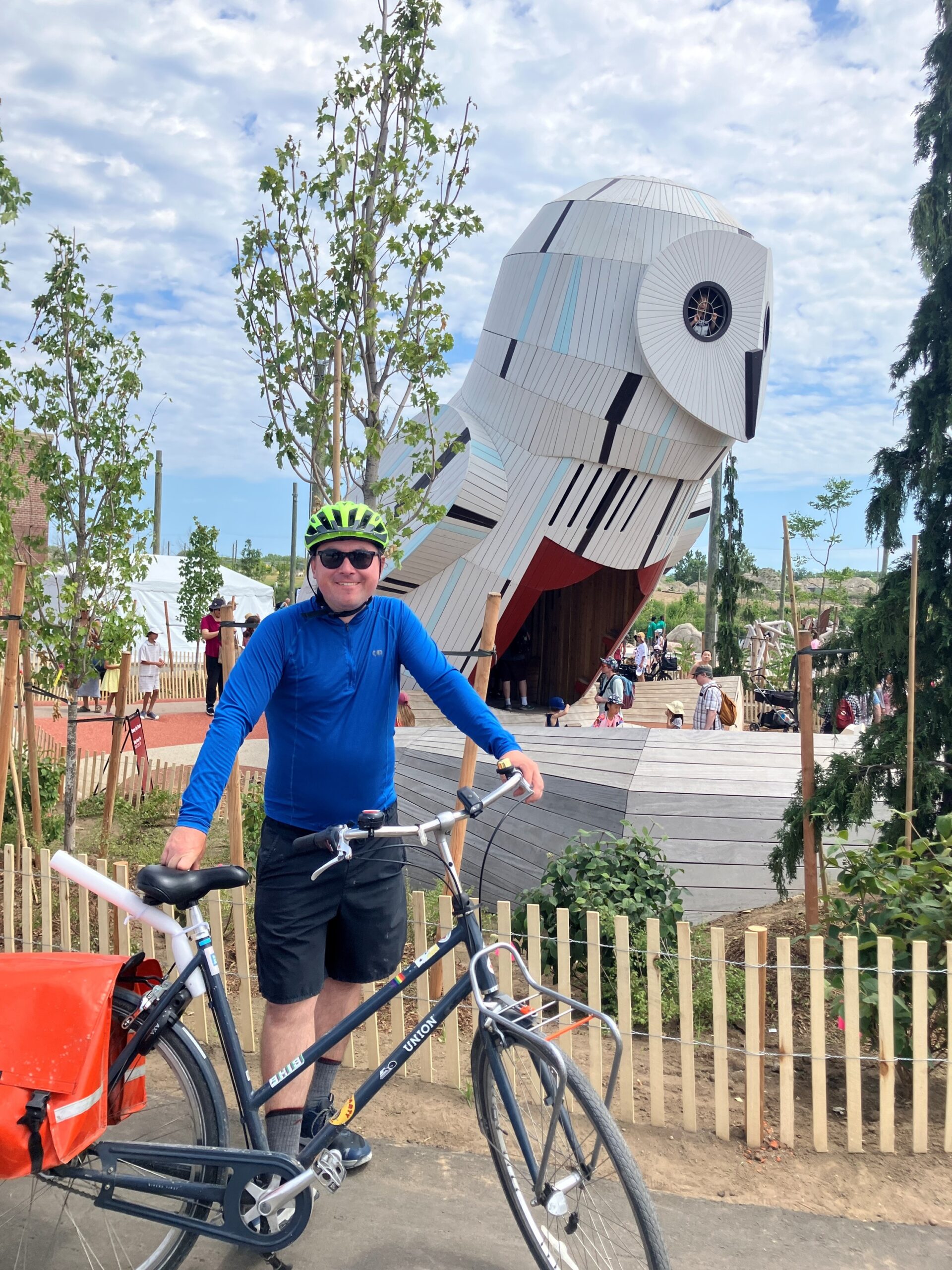
Photo by Jess
I had a great Saturday. It was cool enough not to be oppressive, and I was able to ride down the Don past the Brickworks to the new Biidaasige (bee-daw-sih-geh) Park. The park is very impressive. They have turned the engineered, industrial, concrete landscape around the mouth of the Don River into a real human space again, and an alluring one. There is a large outdoor adventure playground with ziplines, charmingly rendered animal play sculptures, and two-story high treehouses shaped like a raccoon and an owl, the latter of which has a tiny amphitheater in front. Within a large landscape of springy concrete, kids can use human-powered pumps to move water into a simulated watershed with controllable floodgates and sand areas to play in. There are curving paths along the new rivercourse, which is lined thickly with native plants. There are also boat launches and fishing spots.
The park grand opening was happening just a short ride from the Neon Riders BBQ, so I was able to see some friends there and bring one back for another ride through Biidaasige Park. After that, another friend from the Riders had a charmingly creative and playful music gig in Bickford Park, which was further enriched for me by a pair of very friendly dogs who were part of the small audience.
A river mouth should be a geographical anchor and natural point of interest. As someone who has walked extensively all over Toronto, the way the Don came to an end failed to satisfy those expectations. With Corktown Common, Biidaasige Park, and the other park areas still in progress, the city is doing a great job at making the river mouth part of the human landscape again. I have thought for years that Toronto’s greatest planning blunder was cutting off the city from the lake with the Gardiner Expressway. Personally, I would be fine with getting rid of the whole thing through the mechanism of less driving downtown, but while we are waiting it’s great that at least the river is being reclaimed.
The ziplines all had long lines of small children on Saturday, so I will need to return when things are less crowded. I expect Biidaasige Park to become a popular break spot for Neon Rides.
P.S. At an arts and crafts station, I was taught to make ‘seed bombs’ out of dirt, pottery clay, and heirloom open-pollinated seeds of Common Evening Primrose (Oenothera lamarckiana) from the Ecoseedbank in Montreal. The flowers are native to the region and good for pollinators, and the initiative reminds me of charming videos of dogs who help re-seed the forest after fires in Chile.
I had never taken a bicycle to the Toronto Island before, so yesterday I went with my friend Lance to ride the different tracks:

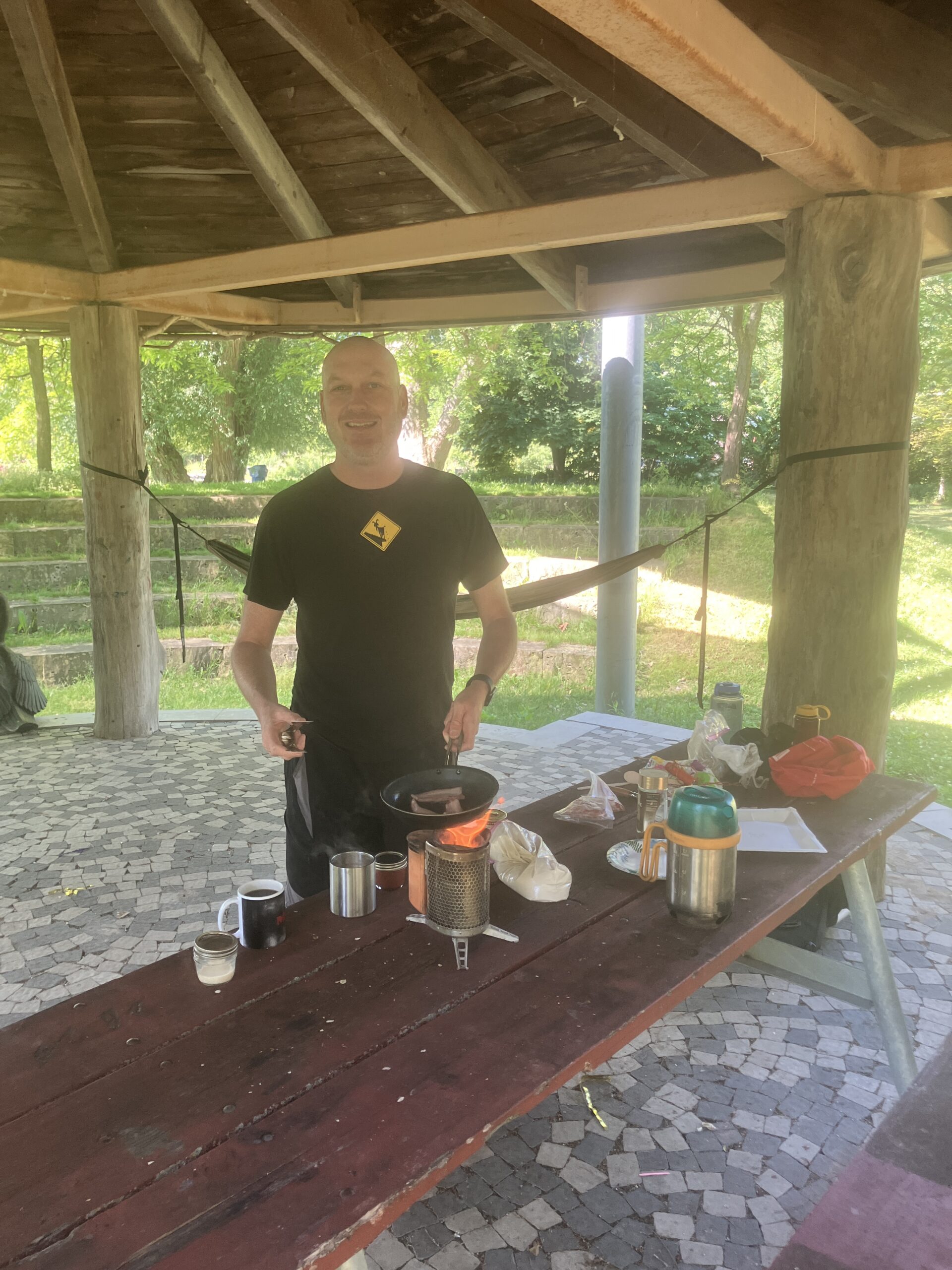
He also very kindly made us bannock, coffee, and bacon on his portable twig stove, and even brought along hammocks and lent me one after:
Soon, some friends are planning to ride up the Humber from Old Mill station toward the West Humber trail and Claireville conservation area.