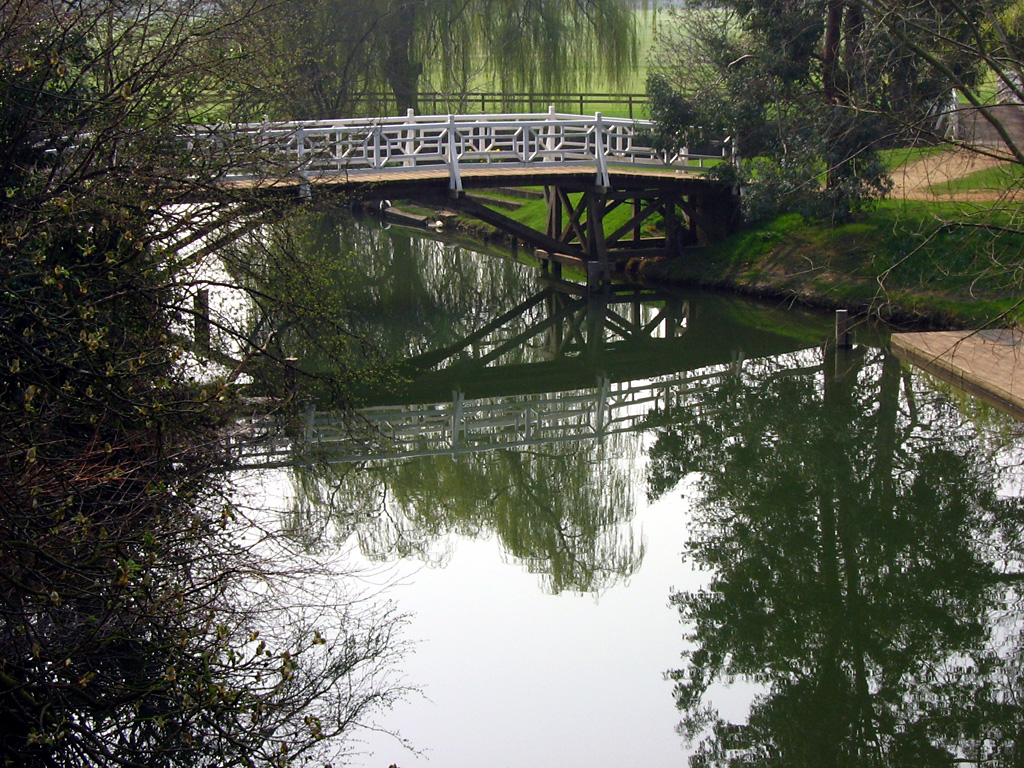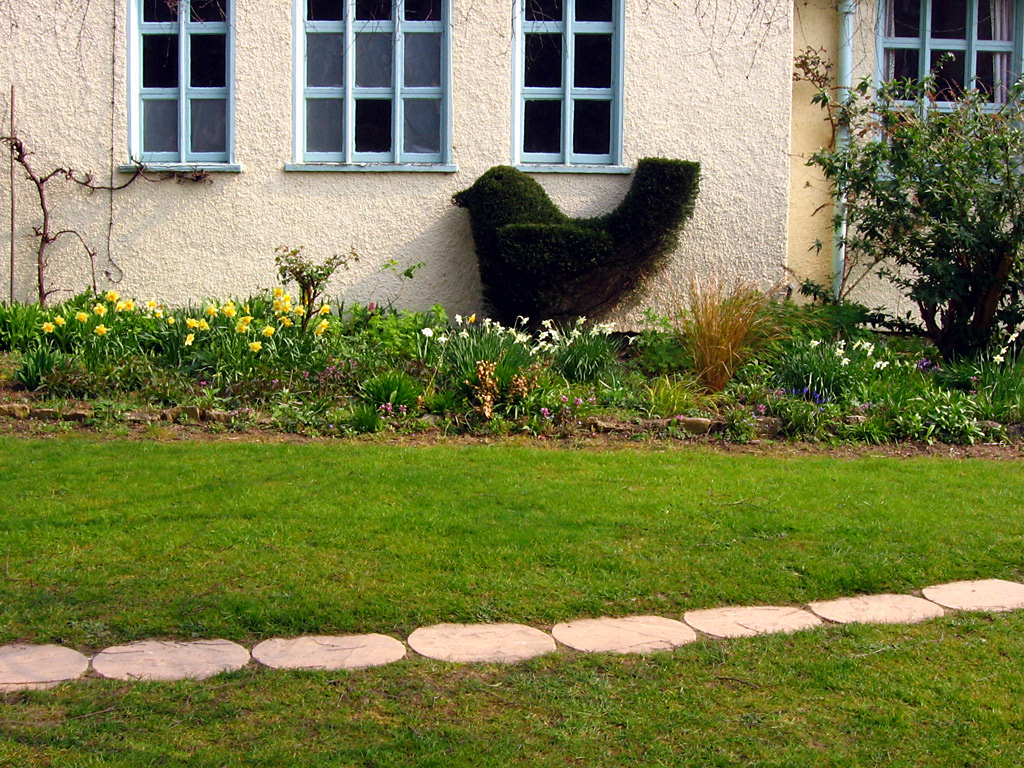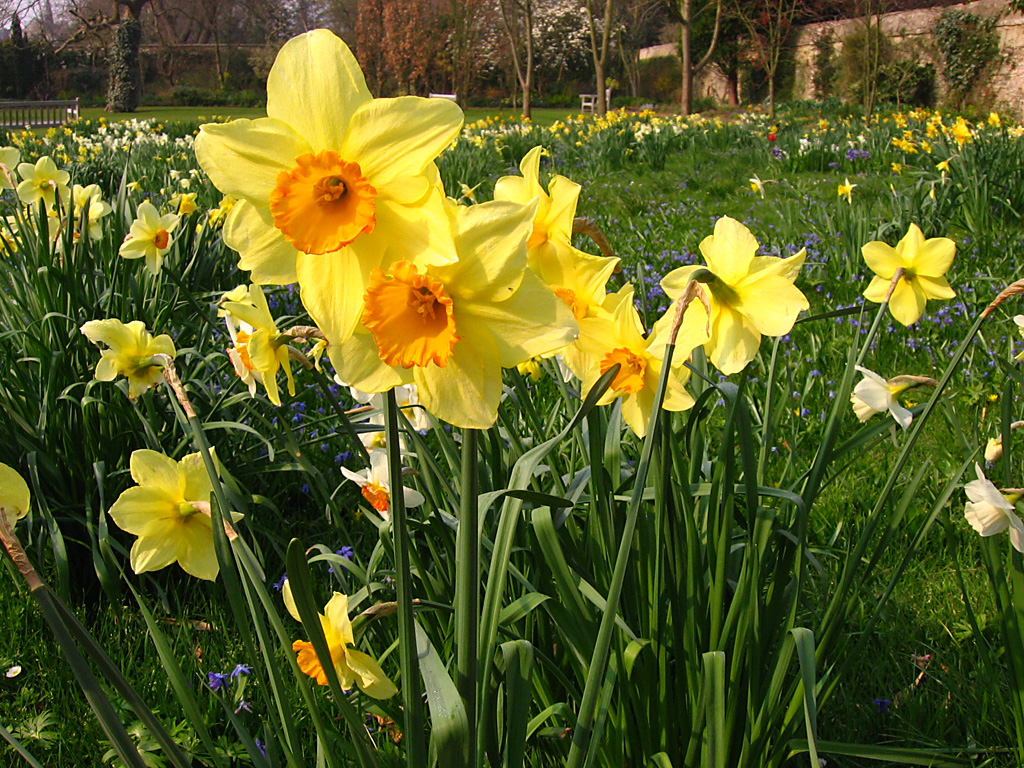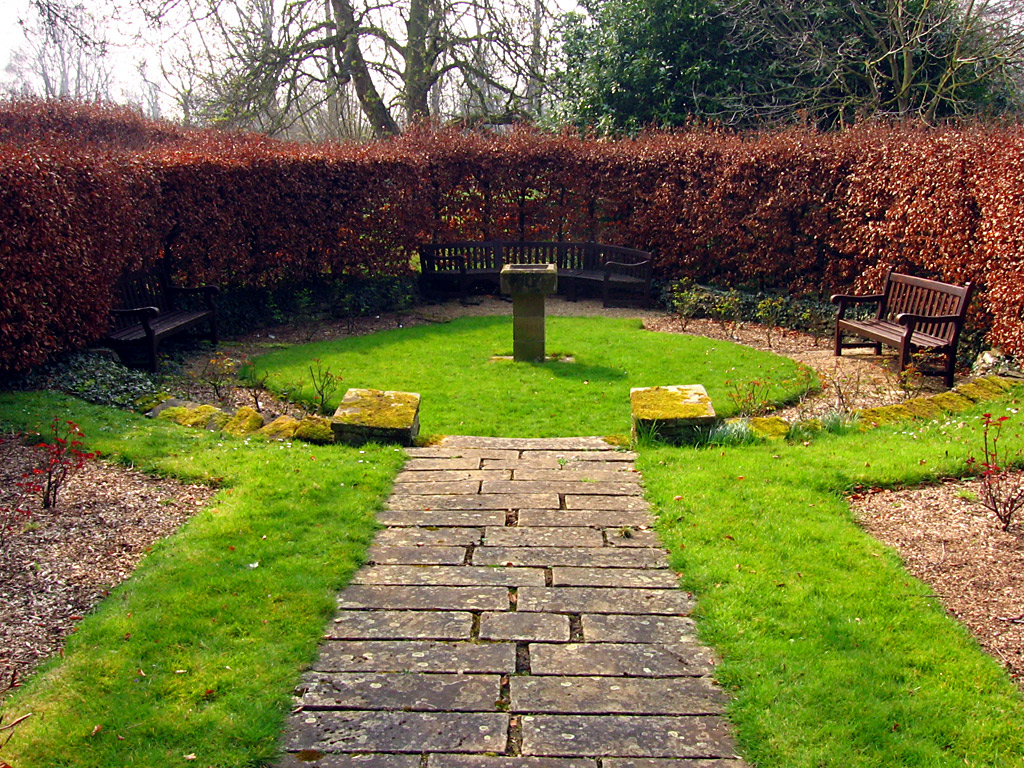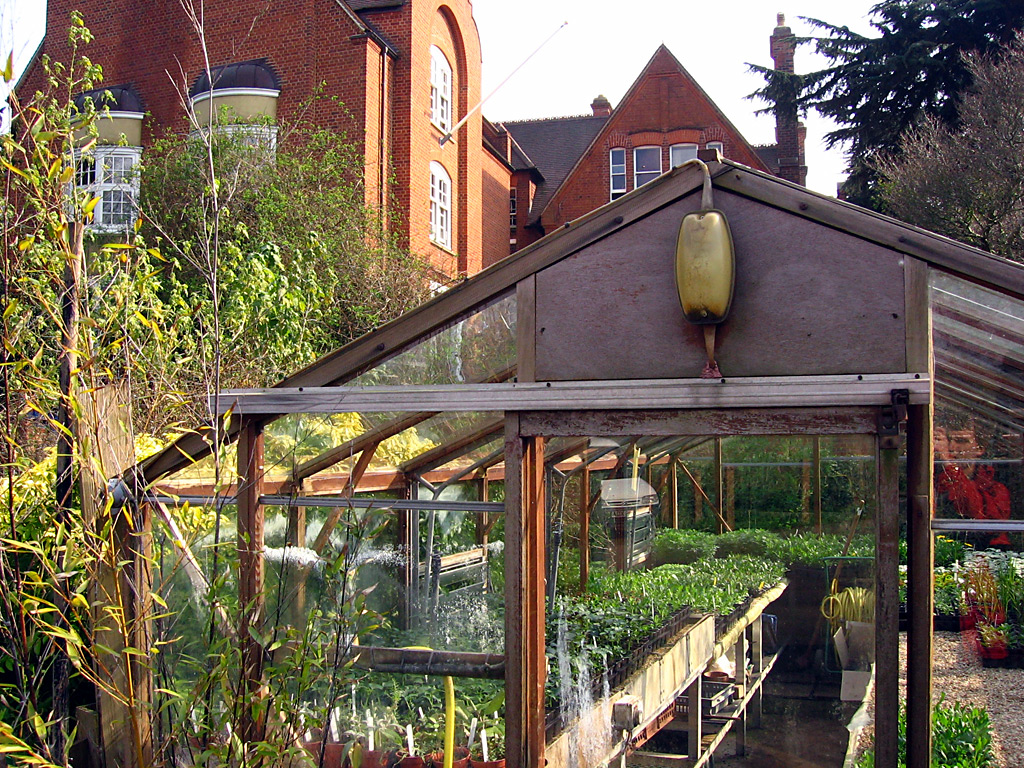
About 72 hours into this trip, I have 21 days left before the thesis actually needs to be handed in at the Examination Schools. Since it will need to be printed by the Friday prior (April 20th), it actually needs to be submitted for printing by the 18th. Hopefully I will come back from Devon on the 7th with something very close to being finished.
Category: Daily updates
Generally musings of the day, usually accompanied by a photograph
Off in Devon (2/8)
With luck, the first full day on this thesis writing retreat is proving useful for the conversion of heaps of notes and myriad random thoughts into well-sequenced textual arguments. I hope my fellow program members are finding equal success and that those lucky enough not to have theses to write are enjoying their liberty.
Off in Devon (1/8)
Adios to Oxford, albeit temporarily
Files, books, drafts, system recovery discs, emergency rations, bed sheets, caffeinated mints, and more: I am now essentially ready for my thesis writing week in Devon. The sheets I was instructed to bring; the rest is meant to be essential thesis gear. I sure hope this trip proves as useful for advancing the thesis writing as I hope. Once I get back, I will only have about a week of editing time left before the thing needs to be sent off for printing.
Best wishes to everyone for the next eight days.
Scientists and remedies: brainstorming
Tonight, I am brainstorming connections between scientists and remedy design. Addressing environmental problem basically seems to revolve around changing the intensity with which an activity is being carried out (ie. fish or cut down trees at the rate of regeneration) or finding substitutes (using solar power instead of natural gas power). Both kinds of solutions involve some critical imputs from scientists. Not surprisingly, my focus here is on types of actions that pertain specifically to my case studies.
I have come up with the following. Does anything else spring to mind?
Technological development
Development of:
- Alternative chemicals to replace ones that have been problematic (for instance, CFCs and POPs)
- Alternative mechanisms for energy generation, storage, and transmission
- Energy-using technologies that are more efficient
- Plant varieties that require fewer pesticides
- Mechanisms for the disposal or long-term storage of unwanted by-products
- Less polluting mechanisms for waste disposal
Predictions
Anticipating the consequences of:
- Continuing to behave as we have been
- Adopting one or another alternative approach
- The combination of our impact upon the world with possible natural changes, such as major volcanic eruptions
Providing information about uncertainty:
- How good are our predictions?
- If they do fail, in what ways might it occur (what is not included in the models?)
- What kinds of uncertainty are out there (ie. magnitude of effects, distribution of effects, etc)
Predictions about technological development:
- What will the state of environmentally relevant technologies be in X years?
- Is it better to invest in the best technology we have now, or continue research and wait (partly an economic question)
Big ideas about the world
Establish and describe the limits of nature:
- Is this a factual or ideological exercise?
- The same facts could justify differing views
- Some ideologies have elements that can be pretty effectively undermined by science (ie. eugenics)
How should we treat uncertainty?:
- Are there categories of risk that it is more ‘rational’ to worry about?
- When does it make sense to ‘wait and see’ and when does it make sense to act in a precautionary way?
Naturally, those last few items extend into territory that is not obviously scientific. One big question about the social role of scientists is the extent to which they do or should contribute to such hybrid debates, with both empirical and ethical dimensions. Also, there is the question of whether they do or should do so ‘with their scientist hats on’ or whether they are no different from any other actor, once they have strayed from their area of core competence.

Now with thixotropic ink
With the addition of St. Hilda’s, my collection of all the Oxford colleges actually located in Oxford is complete. At some point before I go, I will need to duck out to Kennington to have a look at Templeton College.
Today, I received the bullet-style Fisher Space Pen that I bought on eBay. The suggested complement to the ‘hipster PDA,’ the pen is meant to partially embody my new spirit of active task completion. The design is an elegant one, though the experience of writing is not as enjoyable as with my fountain pen or my nicest ballpoint pen. I’d say it is on par with the four colour pens that are my mainstay, though with a bit less scope for note categorization and a lot more of an eye-catching look.
I haven’t been able to test it underwater or in space so far, but you can expect an update once I have.
[Update: 29 March 2007] The space pen writes perfectly well on an index card submerged beneath a few inches of water. The ink does smudge if you rub it, however. I would like to test it at a greater depth. At some level, the water pressure must be greater than the gas pressure in the ink cartridge.
[Update: 13 November 2007] My father has started using a Hipster PDA as well, having seen me using mine during a recent visit to Toronto. We shall see how useful he finds it and how long he keeps it up.
Pondering remedy design
Sorry to be so uninteresting of late. While waiting for me to hammer my thesis together, why not read some fine web comics:
These have all been mentioned here before, but may prove novel to those who haven’t been paying very close attention. Feel free to suggest more to one another.
For random thesis mutterings, follow this link:
After the vernal equinox
Next time, find something to count
My supervision today highlighted how much work remains to be done on the thesis. Also highlighted were some of the things I have learned over the course of the project about the issue area, and about the nature of such investigations. When you are studying something that thousands of people have studied, and you don’t have any new empirical data to contribute, it can be hard to believe that you are making a substantial contribution to the discourse. It is hard to be both well-researched and original in your thinking.
If I ever undertake another academic research project of this magnitude, I will be sure to include at least some empirical investigation. That way, even if you are treading in familiar territory, you are at least placing some newfound objects within that territory. As such, it is always possible to point to a discrete addition you’ve made to the landscape: a series of interviews, an archive examined, some methodologically rigorous meta-study concluded.
I have until Friday to bludgeon my three substantive chapters (problems, consensus, remedies) into some semblence of order.
Law and science
Another intersection between science and policy is embodied in a recent report (PDF) from the Science Select Committee of the British Parliament on the relative harmfulness of different legal and illegal drugs. Notably, the survey ranks alcohol and tobacco as being more harmful than illegal drugs including cannabis, LSD, and ecstasy.
Setting aside methodological issues, the survey does reveal some ways in which our response to scientific information is conditioned by pre-existing understandings and practices. Why society feels that it should permit an adult to drink or smoke as much as they choose to (though not in public or before driving) but that it must actively forbid the use of some other substances has no clear logical basis. Any argument that can be used to justify legal tobacco (free individual choice, etc) could be just as easily applied to other substances on the select committee’s list. While scientific and ethical arguments can be made to bolster various positions, it seems that sheer momentum is the main determinant of policy.
I would be willing to guess that some prescription drugs – especially the anti-depressants given ever-more-readily to children and teenagers – would rank quite unfavourably, if subjected to the same type of analysis.