Morocco photos, first batch

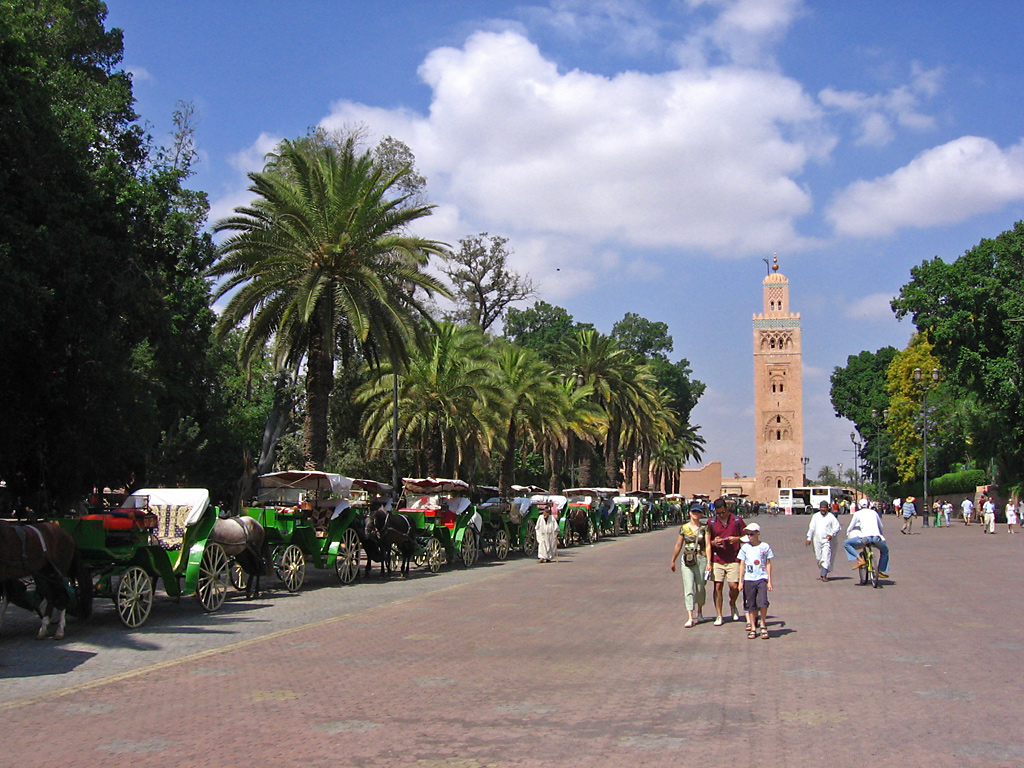
Koutoubia mosque

The Koutoubia mosque is the largest in Marrakesh, standing out prominently near one corner of the Djemma El Fna.

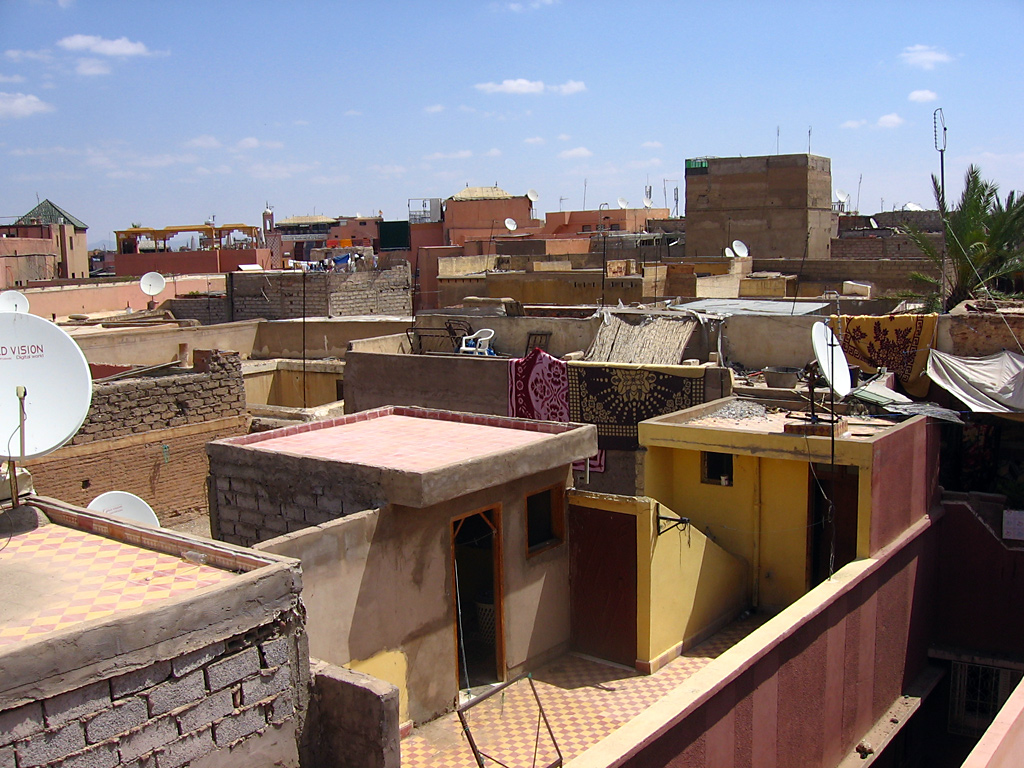
Marrakesh rooftops

From the terrace of my first hotel, you could get a glimpse of the old city from above.

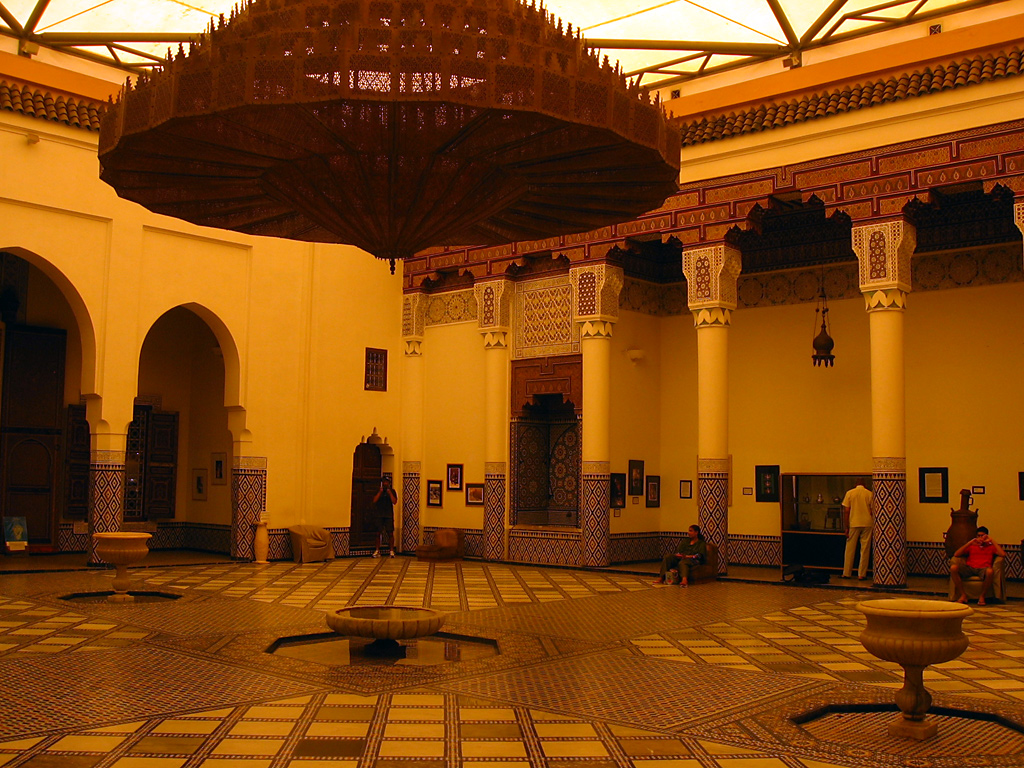
Marrakesh museum

This is a courtyard inside the Marrakesh museum, which I found by accident while I was completely lost in the souq.

Marrakesh museum

The largest open space in the Marrakesh museum is a great place to have a rest and read.

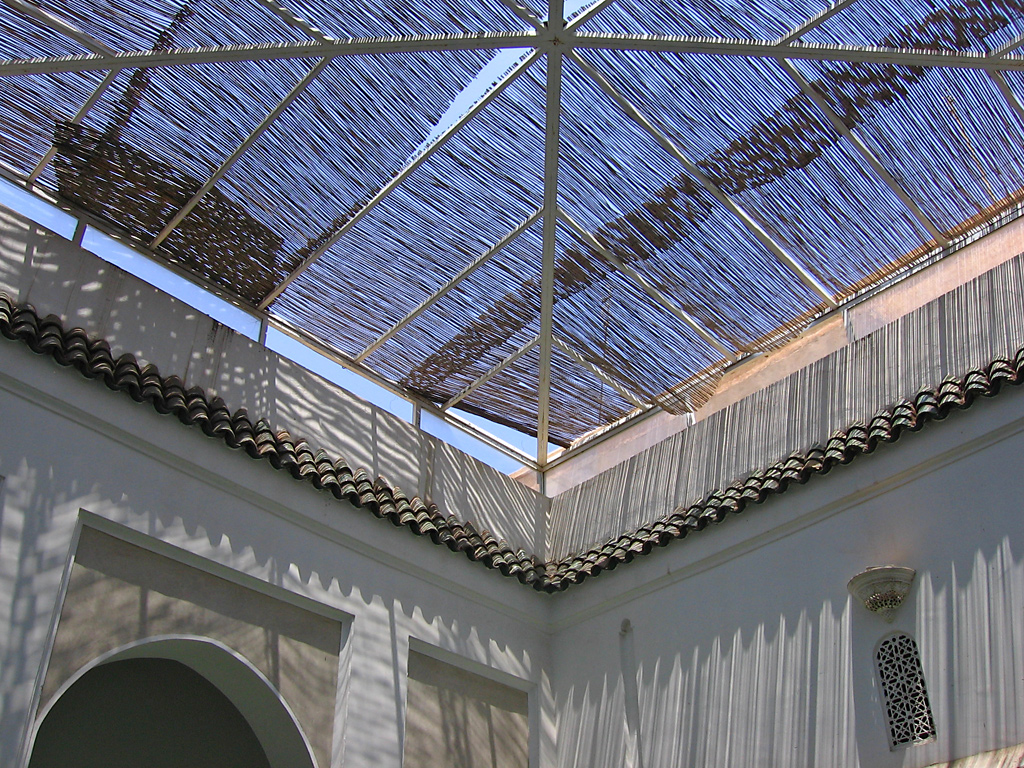
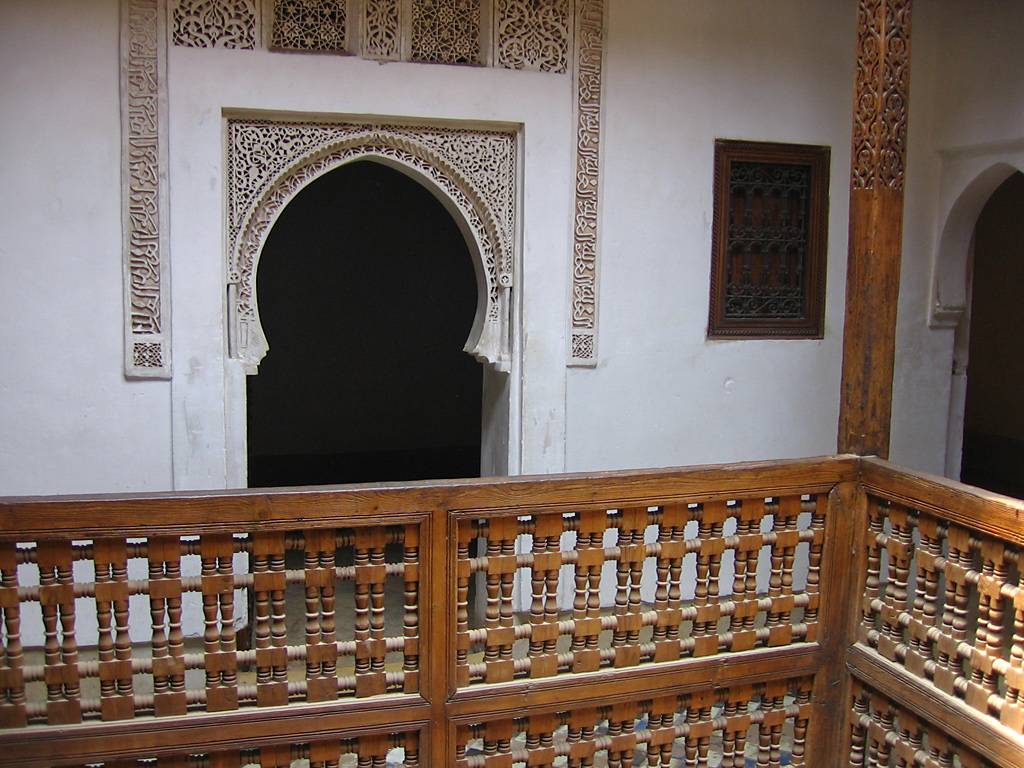
Ali ben Youssef Medersa

The Ali ben Youssef Medersa is very open for a museum, allowing you to wander all over the place.

Paris photos IV

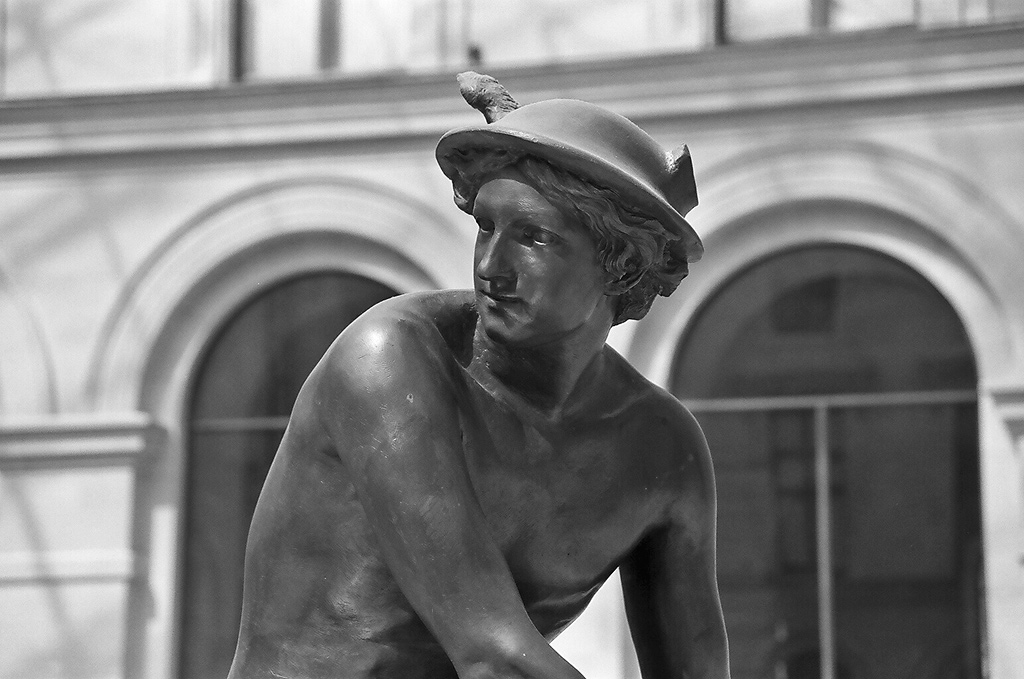
Statue in the Louvre

These are the shots taken on film, hence their late emergence. As has often been the case in the past, getting back the photos from my expensive film camera has been a reminder of just how good a deal my cheap point and shoot digital camera was.

Louvre pyramids

Getting interesting angles sometimes involves hanging out windows, alarming the guards, and looking a right fool.

Hilary McNaughton and Mike Kushnir

Parisian coffeehouse

Boat in the Canal St. Martin

Boat in the Canal St. Martin

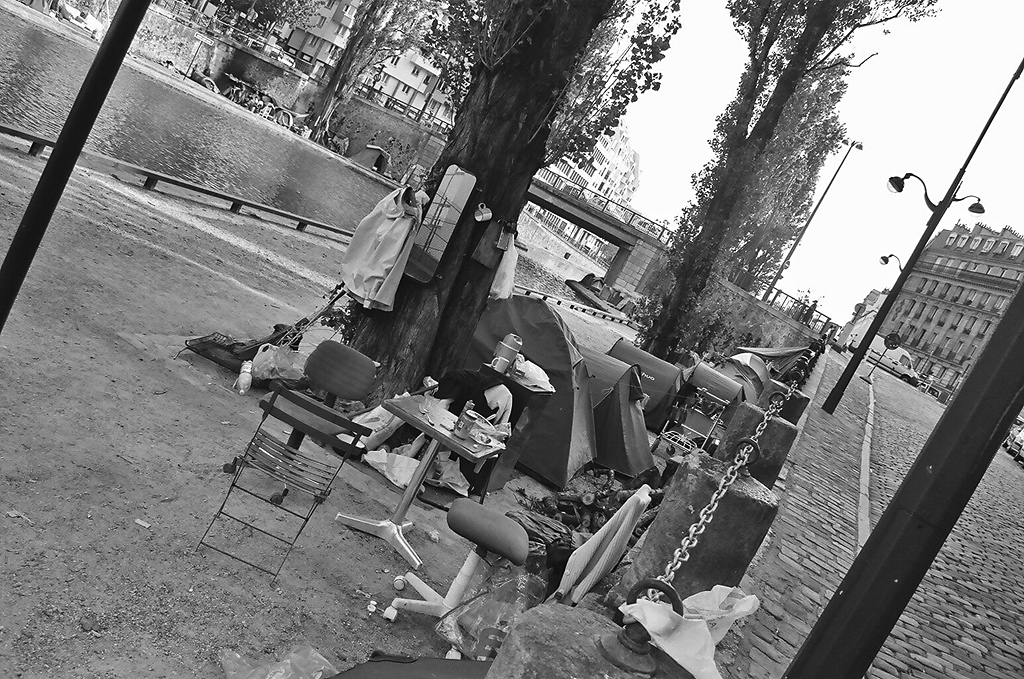
Canalside slum

A kind of shabby encampment beside the canal.

A510 backup battery

Every time I turn on my Canon Powershot A510, it now asks me to enter the date and time. This suggests that the backup battery, which is used to store that information, has died. Having the right time programmed in is valuable, because it helps to organize thousands of photos. Do any of the A510 owners who read this blog have the manual? I need to know (a) where the battery is located and (b) whether it is user-serviceable.

Thanks a lot.

[Update: 18 July] I got a new battery from the key cutting shop in the Covered Market. It seems to have dealt with the issue.

Photography beyond Bayer

[Photograph removed – 21 October 2012]

The individual pixels in the sensors inside digital cameras cannot collect information from across the entire visible spectrum. To get a full colour image, it is therefore necessary to combine information from several different pixels, each of which has a coloured filter in front of it that acts to establish which part of the visible light range it observes.

Virtually all digital sensors rely upon the Bayer Pattern, invented by Kodak. This allocates half of all pixels to the green portion of the spectrum, with 1/4 devoted to red and blue, respectively. The process of combining the data mathematically is fairly resource intensive. This process is called interpolation. It can be done either using a generic of-the-shelf processor, which is cheaper per unit but not very fast or energy efficient, or with a custom chip, such as the DIGIC chips in Canon digital cameras.

Today, Kodak announced a new pattern for use in CCD and CMOS sensors. The new system uses both filtered and unfiltered pixel elements. These will record brightness data from across the entire spectrum. The new interpolation algorithms then use this panchromatic data to create a luminance channel, to which colour data is added using data from the filtered elements. Doing so may require much more processing power, which suggests that new custom chips will need to be designed.

The benefit of the new pattern is that it will supposedly double the sensitivity of sensors, allowing for better performance in low light. Given how small and inexpensive the lenses on cheap cameras and camera phones are, this is a very important design parameter. Of course, all this constant development in digital photography makes one a bit wary to invest $1000 or more in what is available this year. Chances are, the offer next year will be rather better. For this particular technology, it will probably be necessary to wait until the first quarter of 2008.

Lakeland photos II

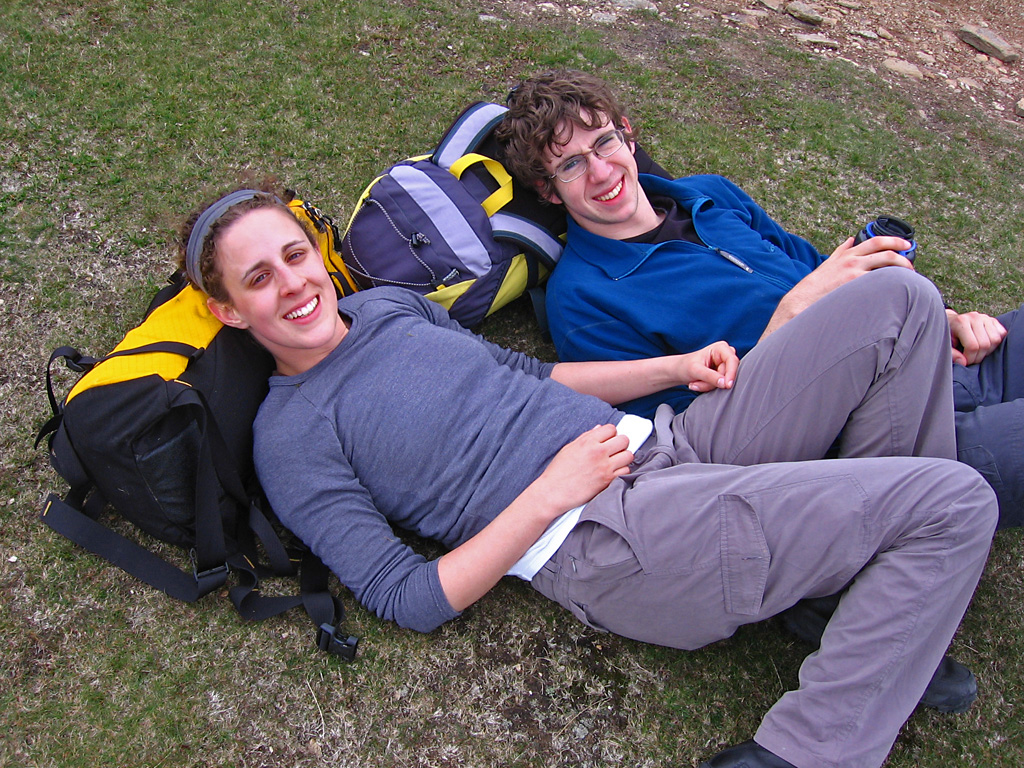
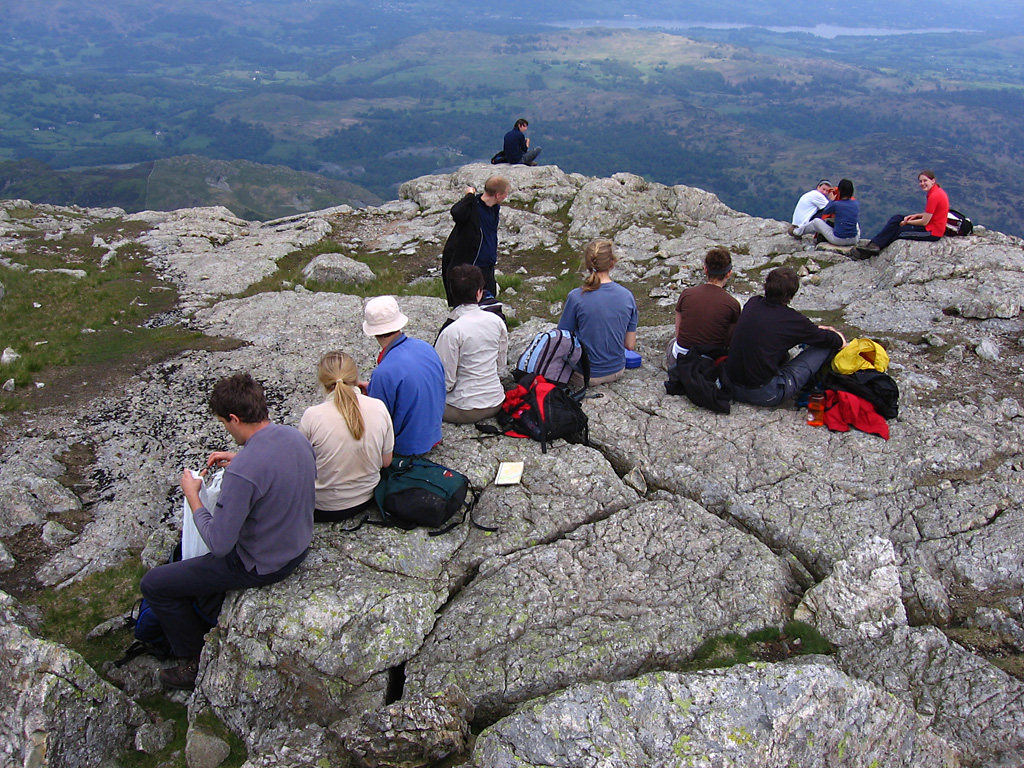
Sarah and Rob, reclining on packs

Once you reach a peak, a bit of a rest is surely in order. Actually, Rob and Sarah were ill during the whole trip, so their fellwalking demonstrated particular persistence.

Walkers atop Wetherlam

Walkers atop Wetherlam.

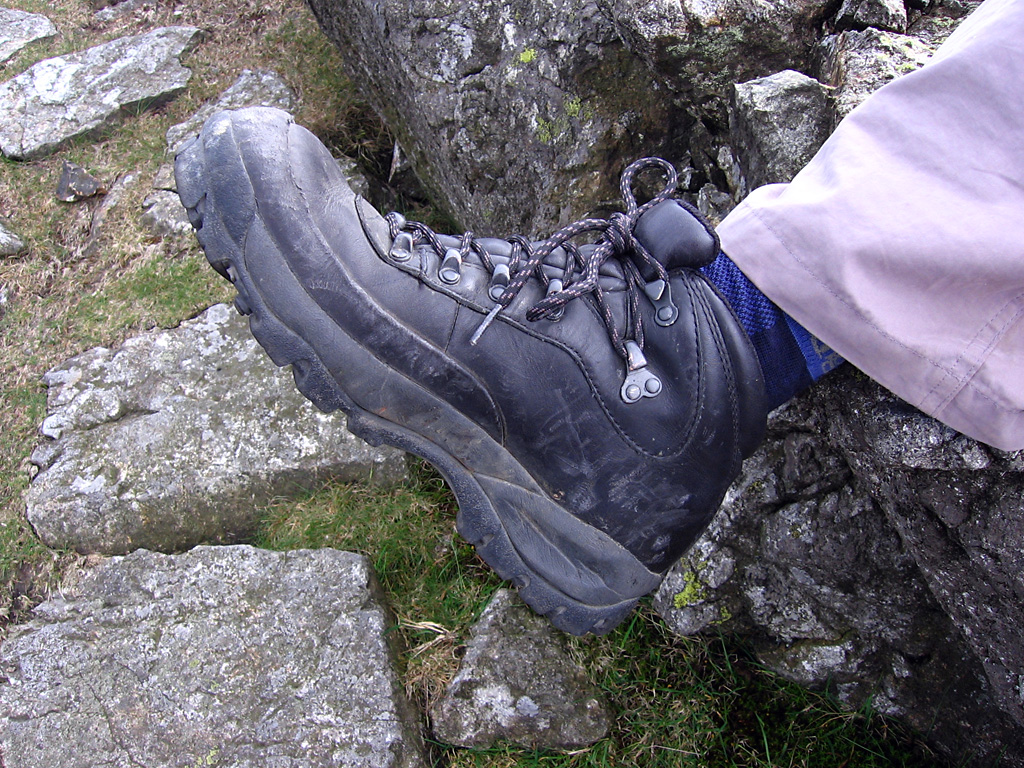
Hiking boot

The hiking boot: noble symbol of our determination.

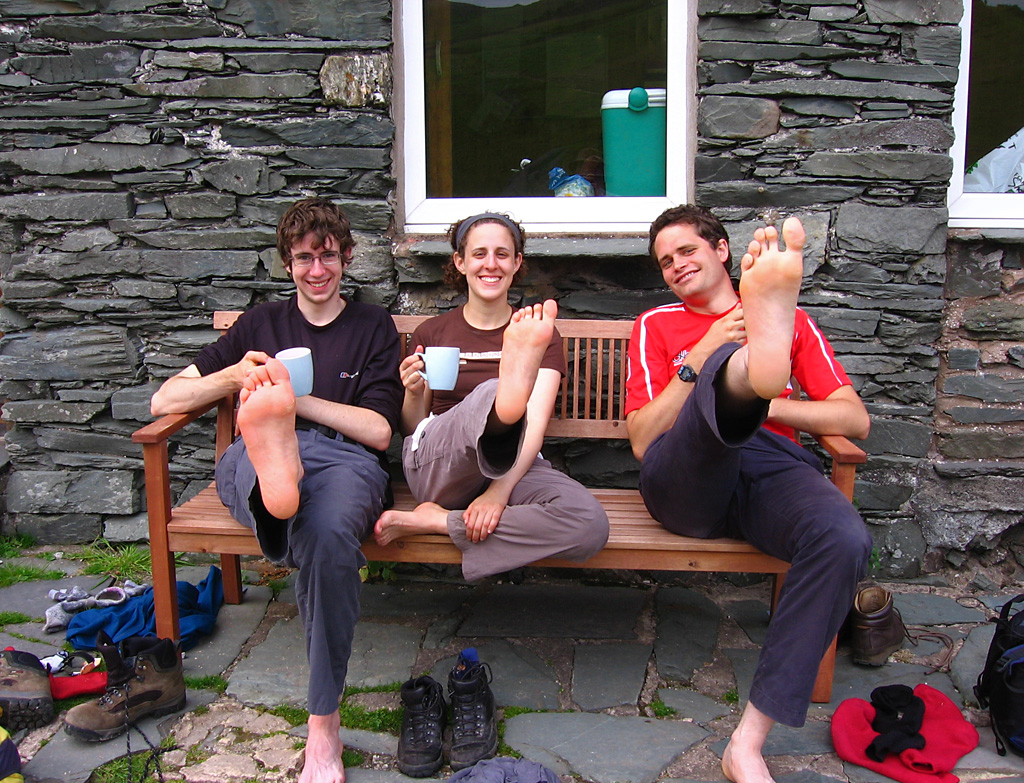
Bare feet

Which isn’t to say we never take them off…

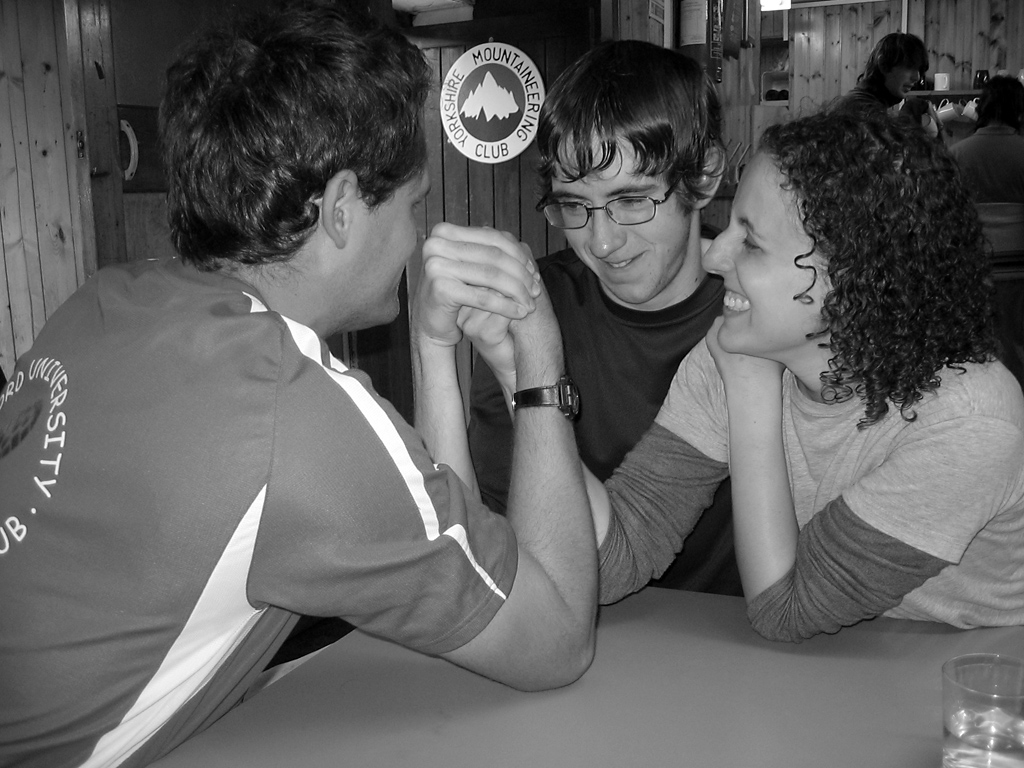
Arm wrestling

If you can shear a sheep, you can arm wrestle two humans at once and win.

Review: UCO Ultrapod Small Tripod

For the Paris trip, Hilary kindly acted as courier for this small tripod, sold by Mountain Equipment Co-Op. While it is not without some good features, it is a disappointment overall. The main reason for this is bad design.

The first mistake has to do with the rubber pads at the base of the legs. They fall off very easily: particularly the one shaped like an L-joint. They should be tighter or glued on. The second problem is with the velcro strap. It has no convenient place to go when the tripod is unfolded, except wrapped around one leg. It should be positioned more intelligently for situations where you want to fold and unfold the tripod often, or it should be made removable. I have never used it once, but I am a bit hesitant to irreversibly cut it off.

Far and away the biggest problem has to do with the knob controlling the ballhead. Even if you twist the knob with as much torque as you can possibly muster, the tripod head remains somewhat loose. If you want to keep the tripod on the side of your camera with the legs folded up along one side, the friction between the ball and the plastic socket for it is not enough to keep it there. Even more annoyingly, when you have tightened the knob as much as you can, it often becomes badly stuck. You will find yourself frequently using your teeth to loosen it. I have had to resort to pliers on several occasions.

While light and promising in its form-factor, this little tripod does not live up to its potential. I am grateful to Hilary for bringing it, but my search for a small, always-on tripod for my A510 is not over.

PS. ThinkGeek sells the same device.

Lakeland photos I

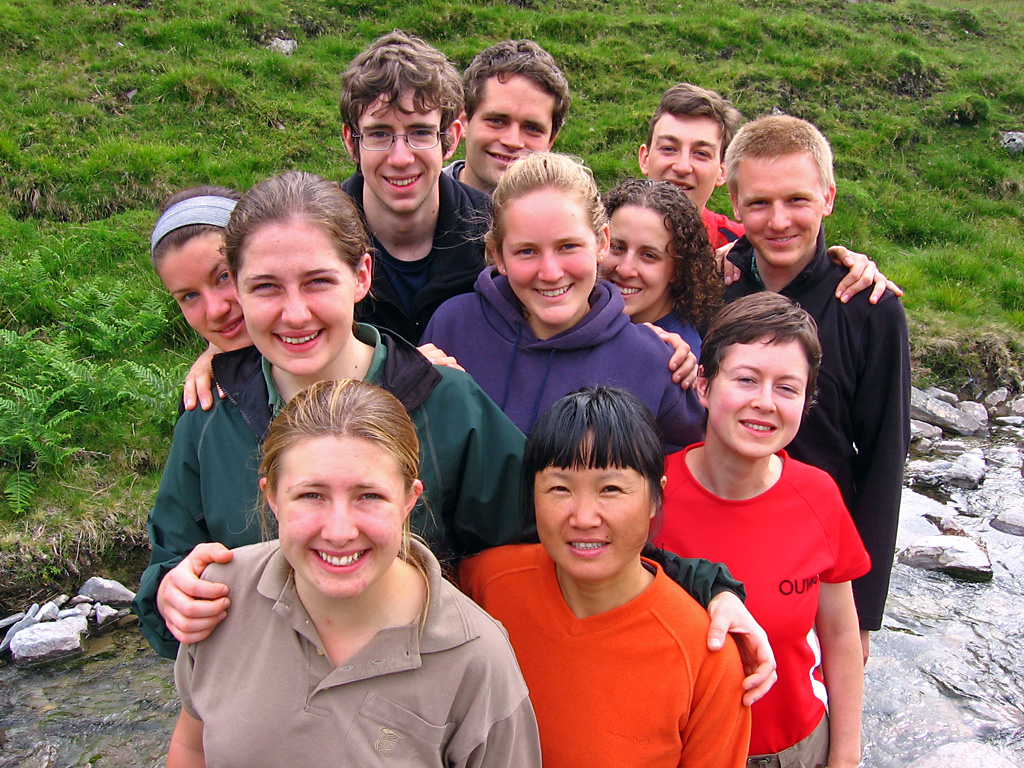
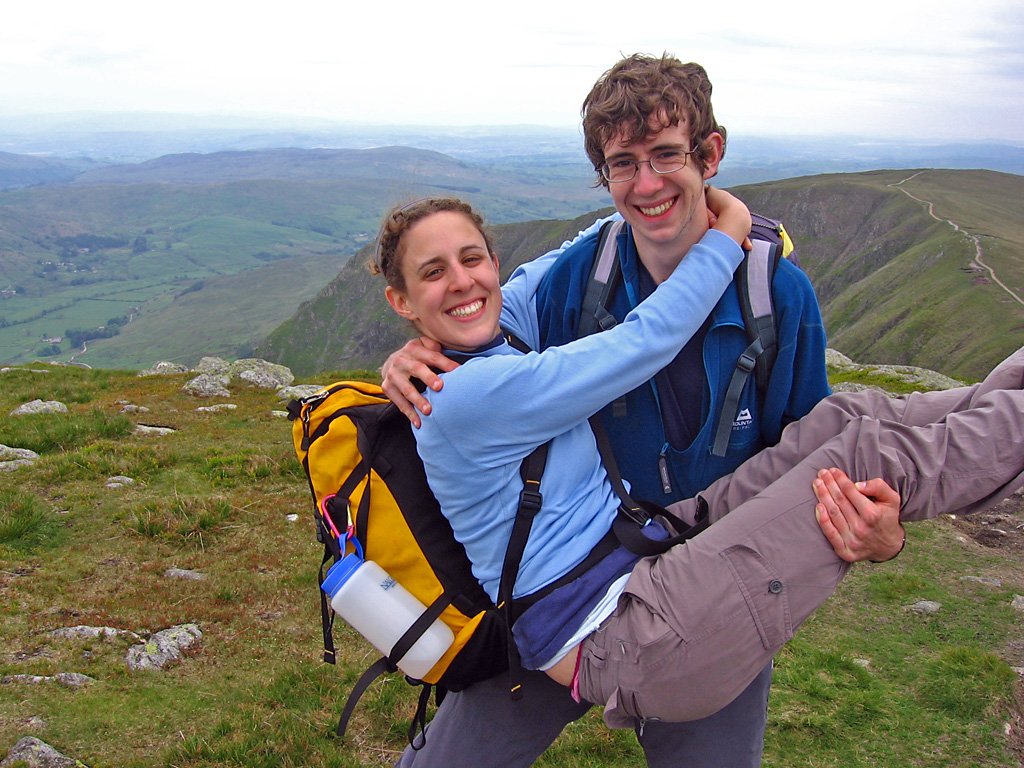
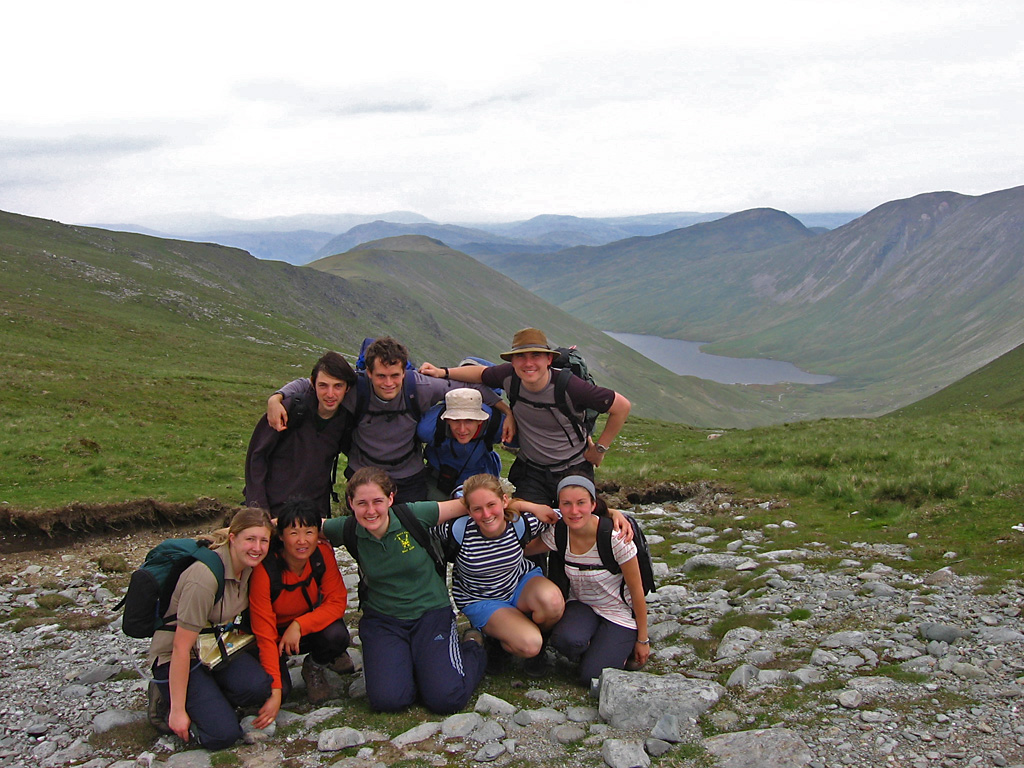
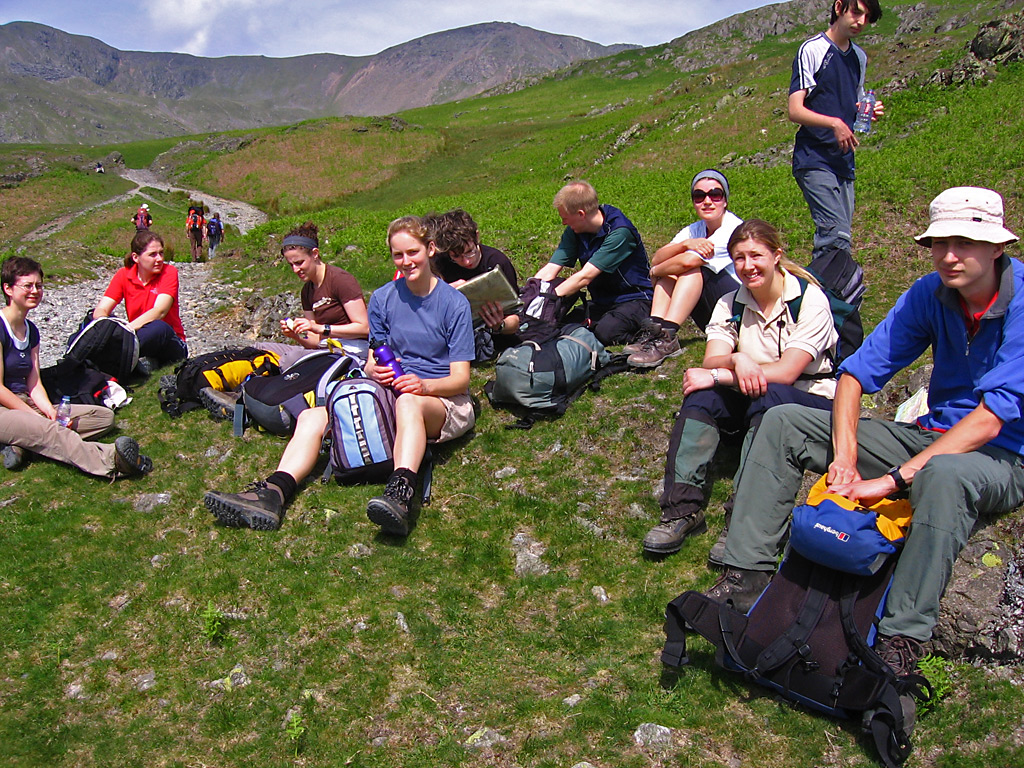
Thirteen Oxonians on a mountainside

Thirteen Oxonians on a mountainside.

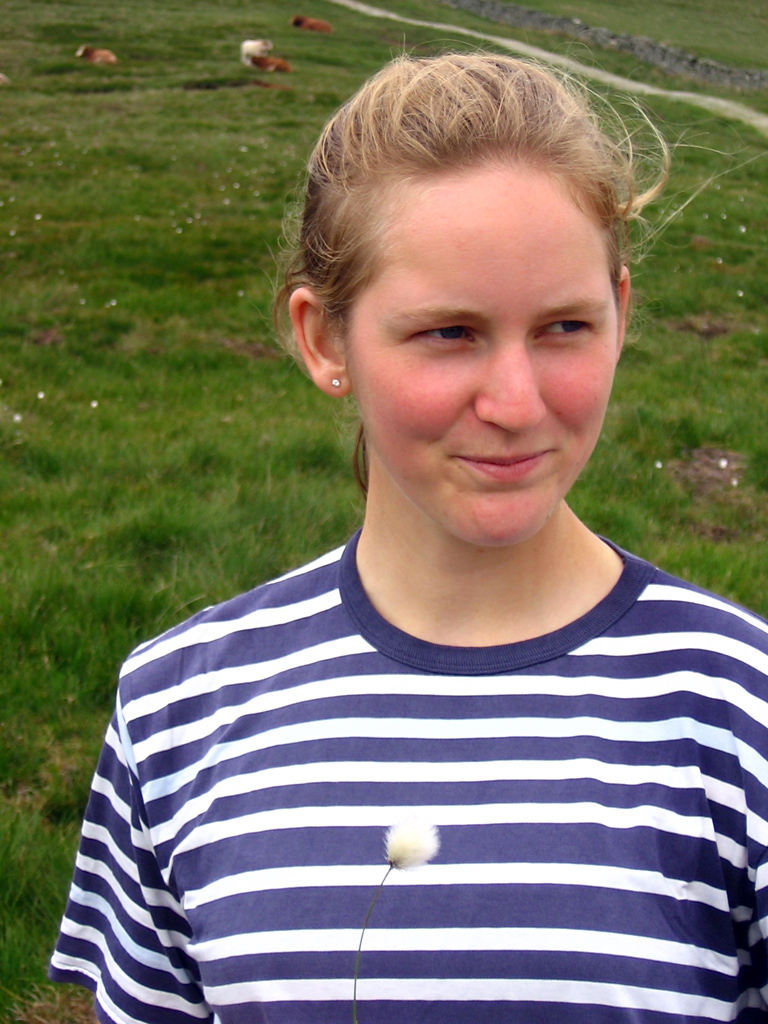
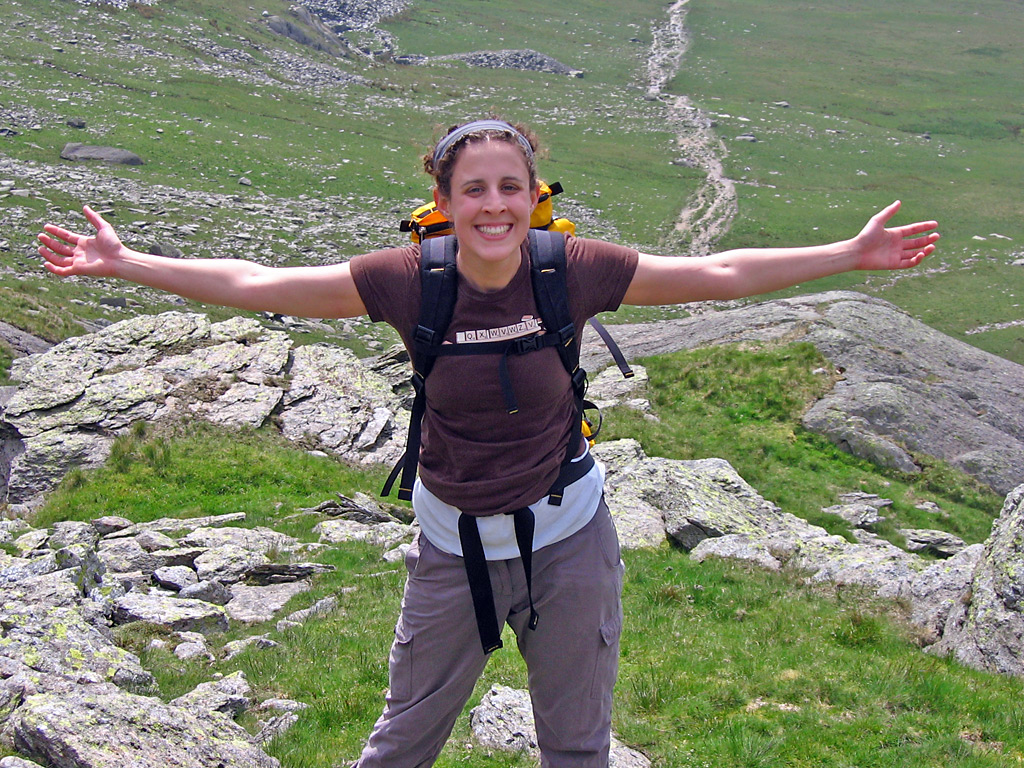
Sarah Roger being enthusiastic

An enthusiastic fellow Canadian.

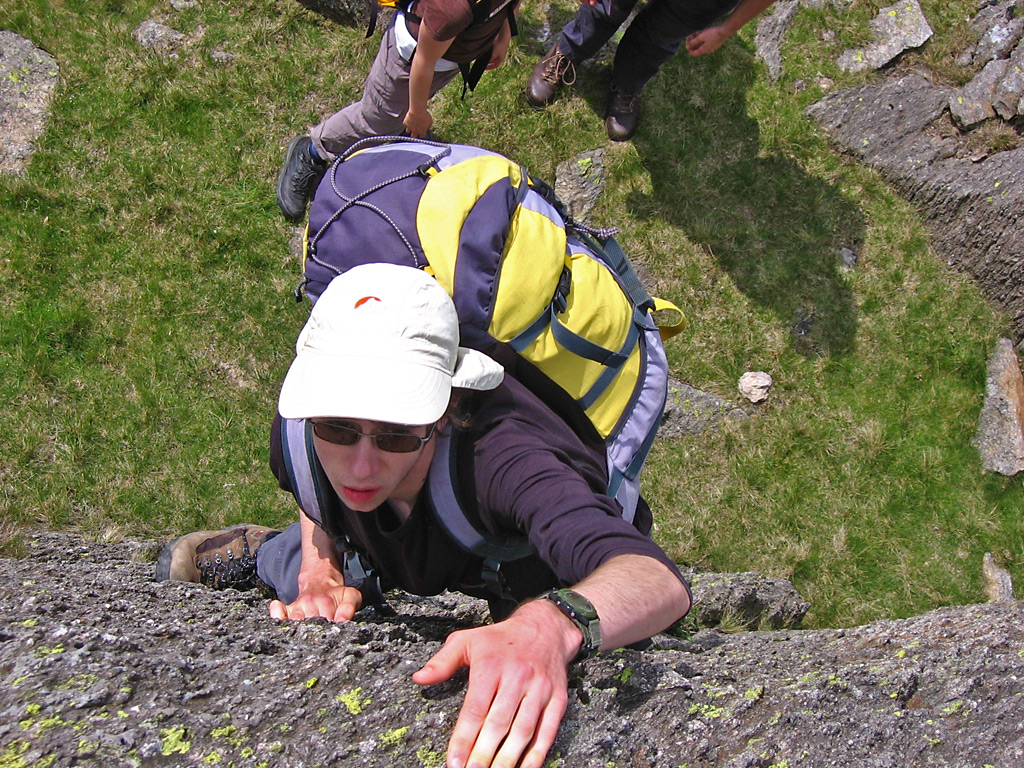
Robert Siddaway rock climbing

This was one of the few bits of actual rock climbing we did. Note how much more impressive it looks when done with a gear-filled leader’s pack.

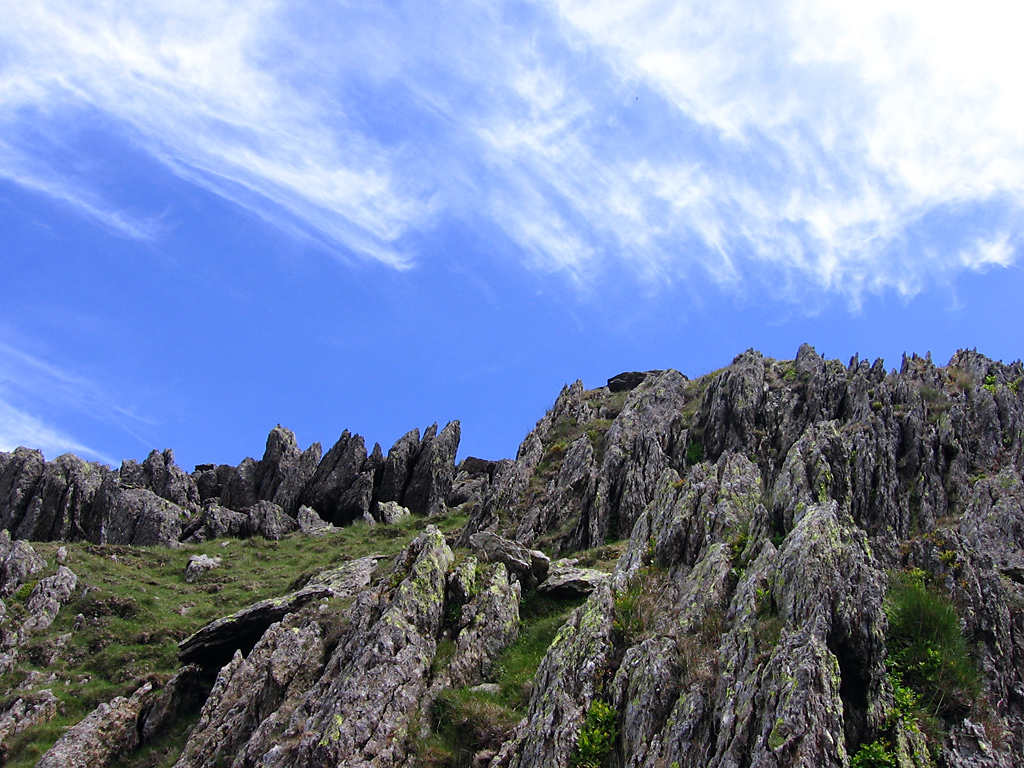
Sky and rocks

This scramble on the Coniston Horseshoe was the most enjoyable bit of walking on the trip.

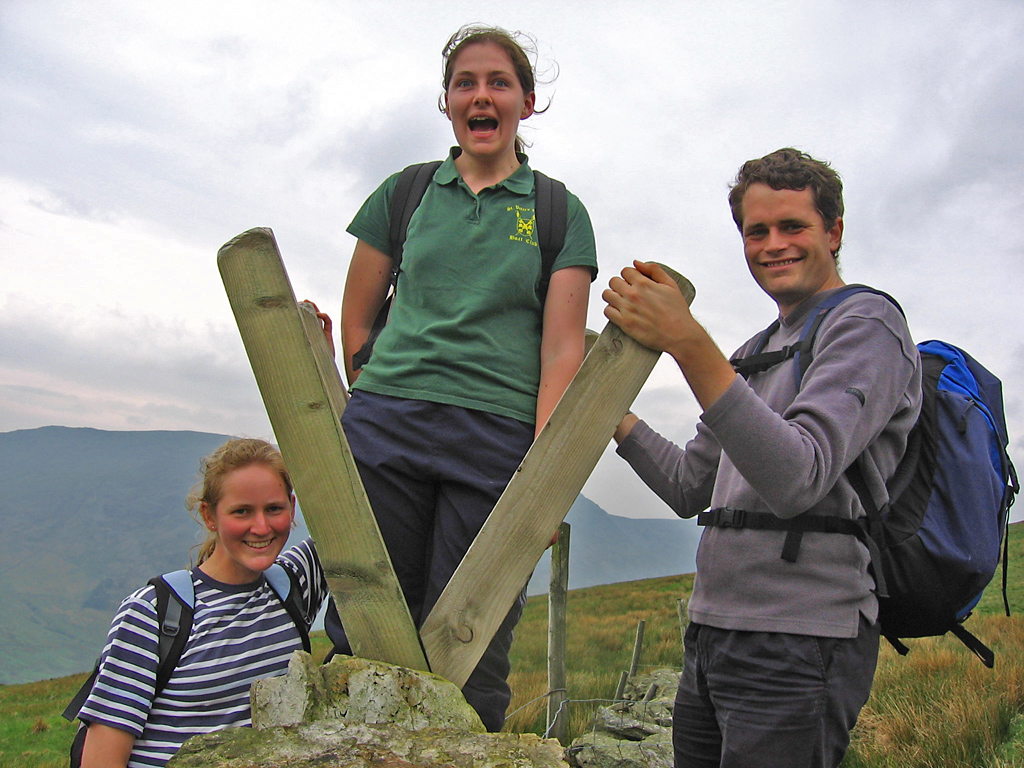
Helen Jenks in Coniston

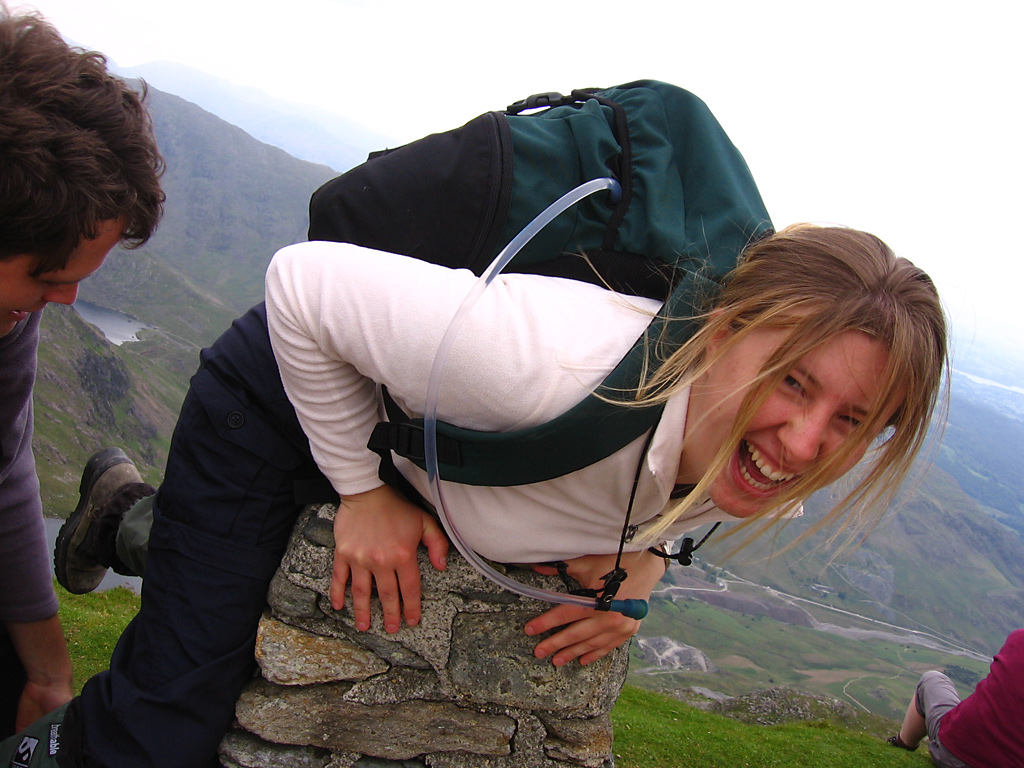
Having climbed a Wainwright, it is sometimes necessary to climb the marker and present as unusual an expression as possible.

Trip tally

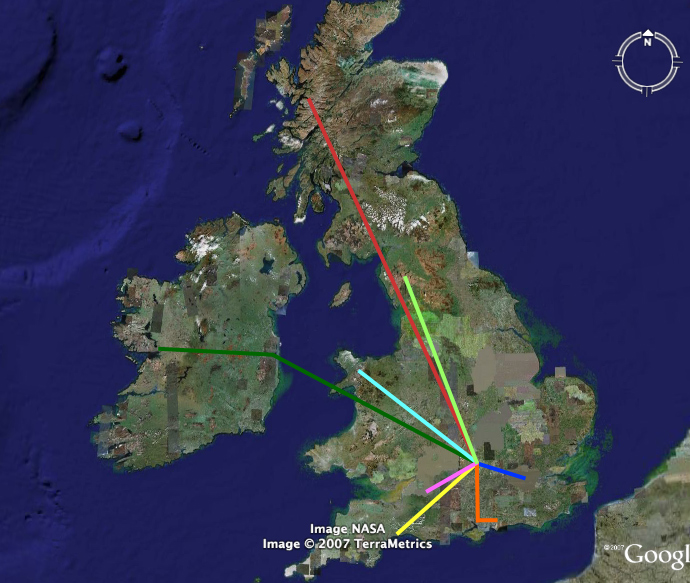
Trips in the UK

Here is a simple map of my trips in the British Isles so far. Blue is for London, visited many times (1, 2, 3, 4, 5) . Orange is the the trip to Chichester for Sarah Webster’s wedding, with the eastward jot to Arundel shown also. Yellow is the reading retreat to Devon, while pink is for my day in Bath. Green is the excellent Ireland trip: to Dublin and then across to Galway. Light blue is the Walking Club trip to Snowdonia. Red is their trip to the Scottish Highlands, and light green is this weekend’s trip to the Lake District.

All told, it’s not too shabby an exploration. That is especially true when one considers the number of papers I wrote, the thesis, exams, and other trips to Estonia, Finland, Malta, Turkey, Vancouver, and Paris.

Three follow-ups

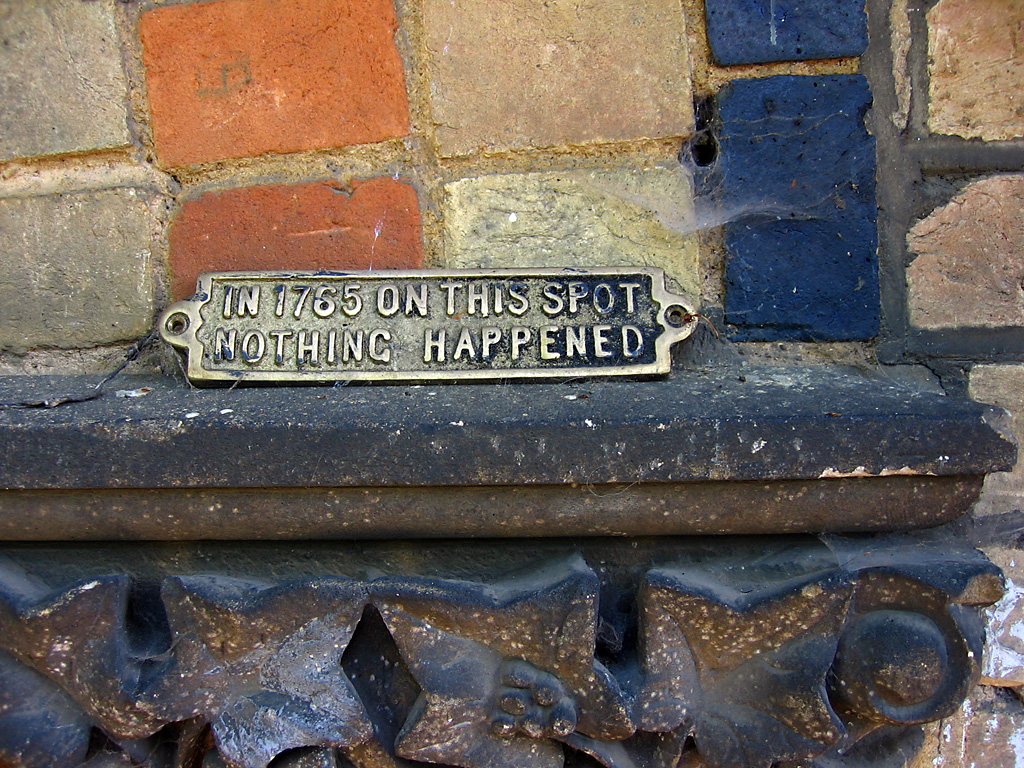
Nothing happened here

1) Remember how our flat got deprived of refrigeration? One week on, we are still subsisting off of bread and cheese we keep cold in the metal cages outside our windows. We call them the ‘alternative fridges.’

2) Remember how I lost the ballot for the Lake District trip with the Walking Club? Well, somebody dropped out. Because I expressed so much interest in it, they offered the spot to me. As such, I will be climbing mountains again from June 1st to 3rd. The only thing that would make it better would be having more than 16 days left before exams.

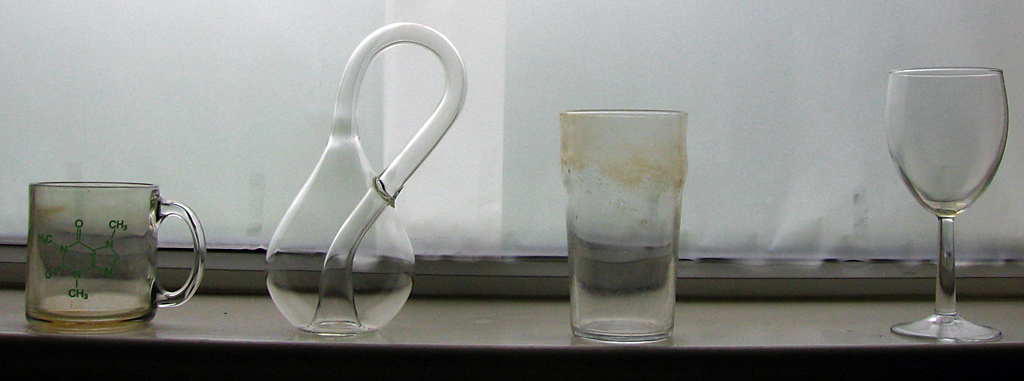
3) Remember ‘Studio Photography on the (very) cheap?’ Well, I have figured out how to build a large and effective diffuser for under $3. That was the purpose behind this query. Two sheets of A1 tracing paper turn out to perfectly cover the lower section of the window.

Note how English tea stains glassware. The picture would be a lot more attractive if I propped the glass objects up on something, cleaned them before taking the photo, and photoshopped away the tape holding the paper to the window and the place where the two sheets overlap. This was meant to illustrate the assembly, not be artistic of itself.