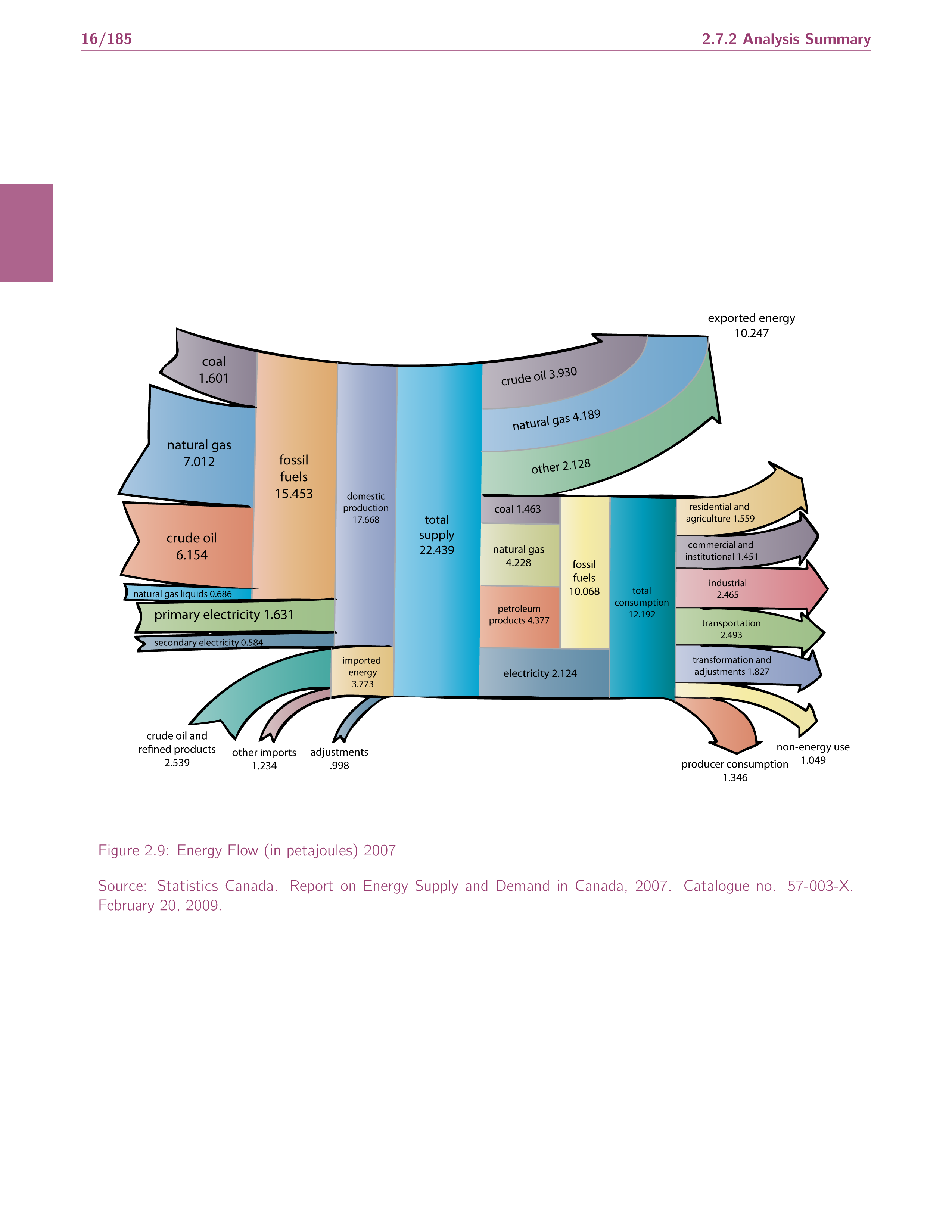
Much of this seems applicable to the movement to keep climate change under control by shifting away from fossil fuels:
Any serious answer, to borrow the well-known phrase from William Faulkner that then-Senator Obama used in his remarkable speech on race during his 2008 campaign for the presidency, must begin with the recognition that “the past is not dead. In fact, it is not even past.” On that view, abolition may be regarded not as a passing episode but as a movement that crystallized – or, as we might say today, channeled – an energy that has been at work in our culture since the beginning and is likely to express itself again in variant forms in the future. If, in fact, there is such a current in American life, surely we want to know why it is sometimes active and sometimes dormant, and why – improbable as it seems to us today – some people of good will and liberal sentiments have resisted it. To ask these sorts of questions is, I think, to broaden our inquiry beyond the kind of documentary texts on which I have so far relied and to include works generally assigned to the category of literature. It is to construe abolitionism not only as a historically specific movement but as an ahistorical category of human will and sentiment – of what we might even dare to call human nature. It is to suggest that we have not seen the last of it, and probably never will.
In this broader view, an abolitionist is not a member of this or that party but is someone who identifies a heinous evil and wants to eradicate it – not tomorrow, not next year, but now. Prince Hamlet of Denmark, who sees “time… out of joint” and believes himself “born to set it right” is an abolitionist – albeit a reluctant one. Don Quixote, who tells Sancho Panza that he was “born in this age of iron” with a duty to restore “the age of gold”, is an abolitionist. Karilov in Dostoevsky’s novel The Possessed (also translated as The Devils), who is prepared to commit suicide to usher in the millennium, is an abolitionist. Indeed every millenarian dreamer who has ever longed for the fire in which sin and sinners are consumed is an abolitionist – and sometimes the purification will include his own self-immolation. (Andrew Delbanco, p. 22-23 hardcover)
…
Perhaps it is not true that “sacred rage” may have been a hindrance to abolitionism after a while. Nothing gets started without the rebels. They are the ones who light the way for others through the illumination of their transcendent feelings. What courage was needed to oppose a system sanctioned by the Bible and seemingly confirmed by history as being permanent. That is why abolitionists, black and white, will continue to speak down through the ages, in some place like China, which badly needs another revolution and the example of the abolitionists. Maybe somewhere a young Chinese person, a twenty-first century leader, is encountering the story of Frederick Douglass. Good news, chariot’s coming, old blacks used to say. (Darryl Pinckney, p. 132-3)
…
The problem is perhaps accentuated by the fact that the abolitionist style, by definition, tends to emphasize overarching legal and structural change rather than a highly particular and gradual process of cultural amelioration. Its chief focus was on abolition of the institution of slavery and all its legal and moral supports, not the manumission and uplift of individual slaves, let alone their economic or social empowerment. This approach to reform has the advantage of being bold and comprehensive, buoyed by a sense of crystalline moral clarity. It has the deficiency of being abstract and narrow, tending toward formalism, most concerned with the category of victimhood than the conditions of actual victims, deaf to the thousand complexities of actual human circumstances, and susceptible to the prophetic urge to say, in the accents of Max Weber’s ethic of ultimate ends: “Let justice be done, though the heavens fall!” It is, to use the jargon of moral philosophy, apodictic and deontic rather than empirical and consequentialist. (Wilfred M. McClay p. 141-2)
Delbanco, Andrew. The Abolitionist Imagination. Harvard University Press. 2012.
Related: Daniel Carpenter and Andrew Delbanco on abolitionism