Wales 2007 photos: second batch

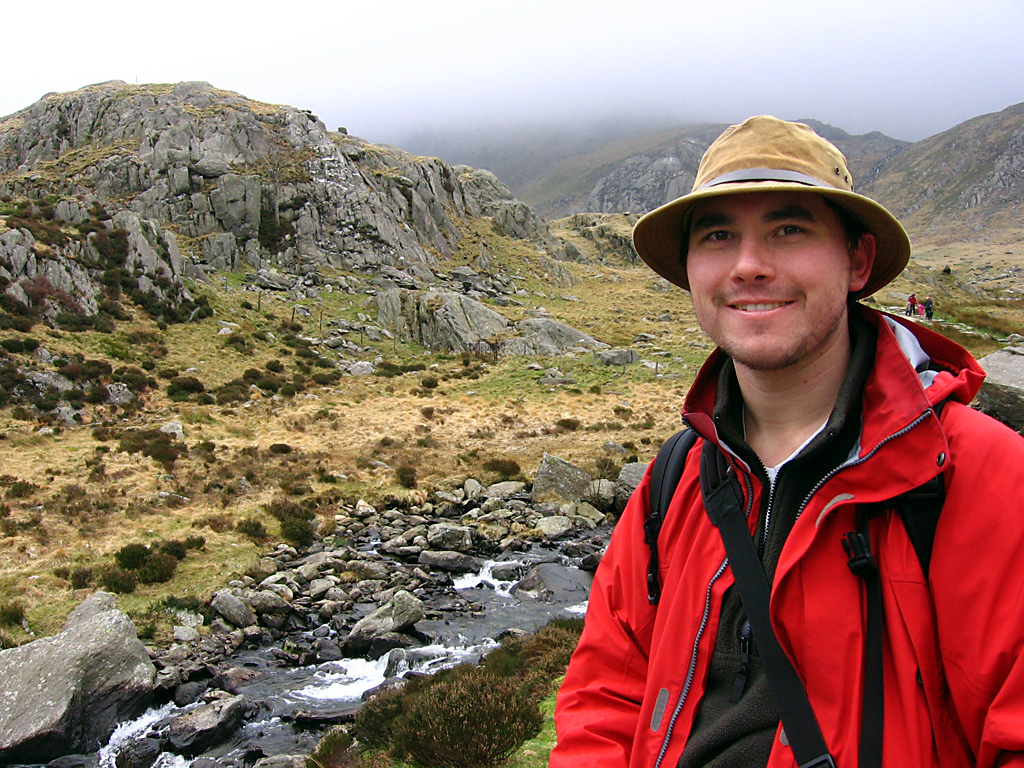
Milan Ilnyckyj in Wales

Keeping my hat on was a constant challenge, given the lack of a chin-strip and the strong winds.

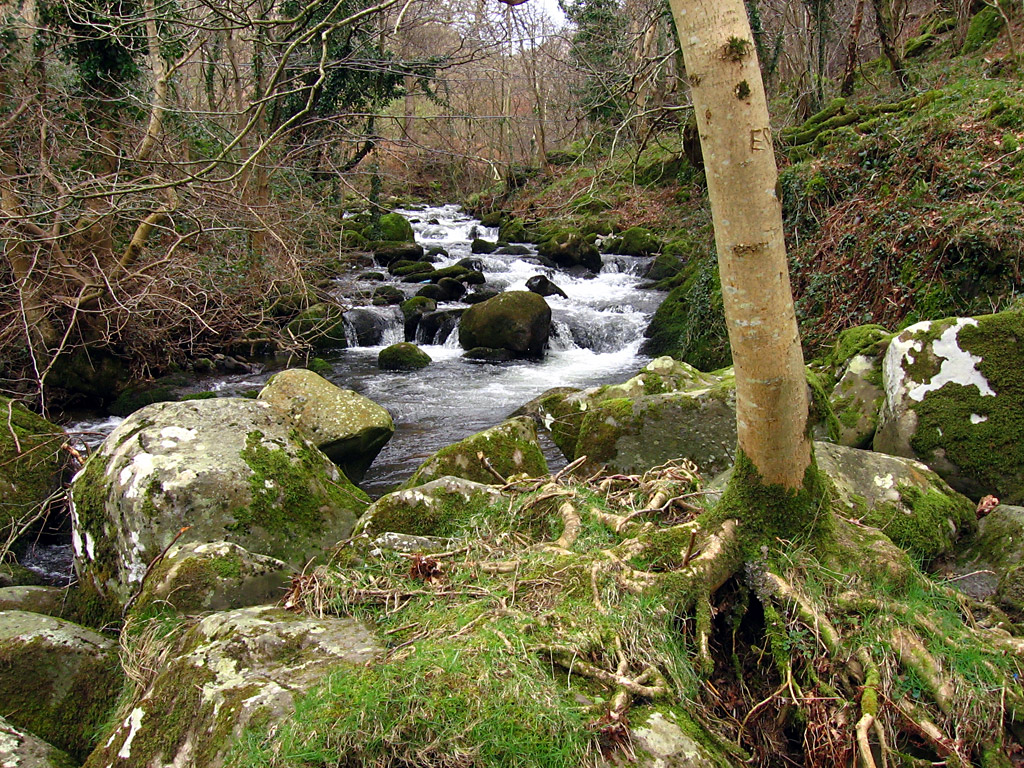
Nature reserve in Wales

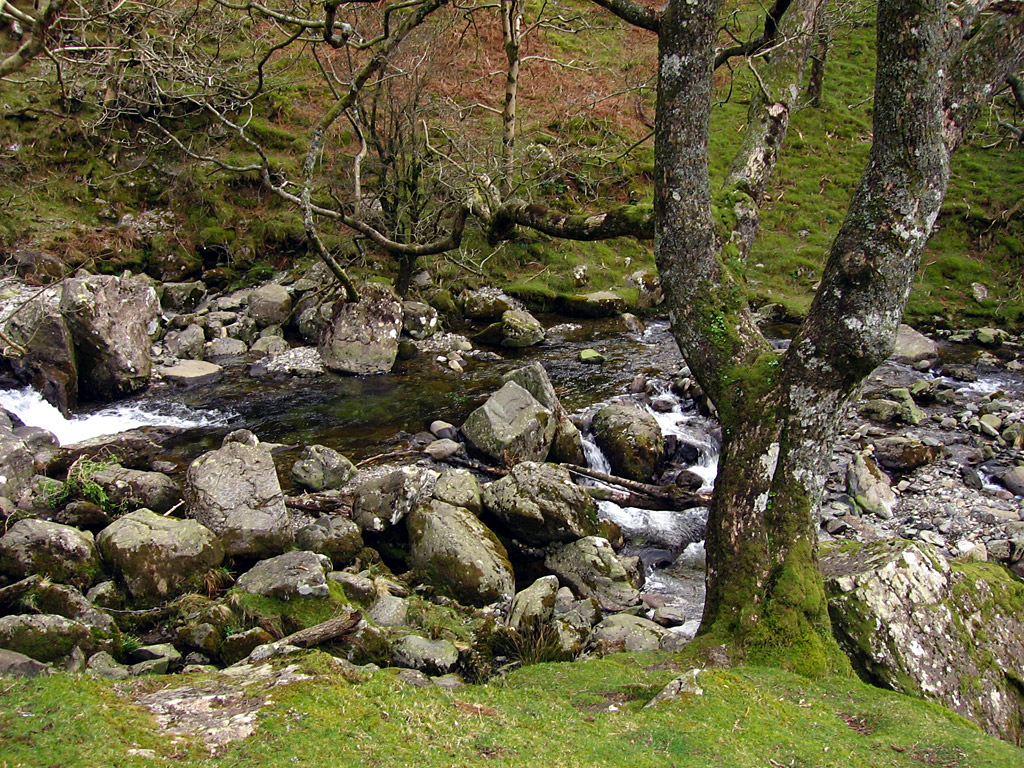
Because the winds on the second day prevented us from going up any peaks, we visited this nature reserve instead. It was nice to see some trees.

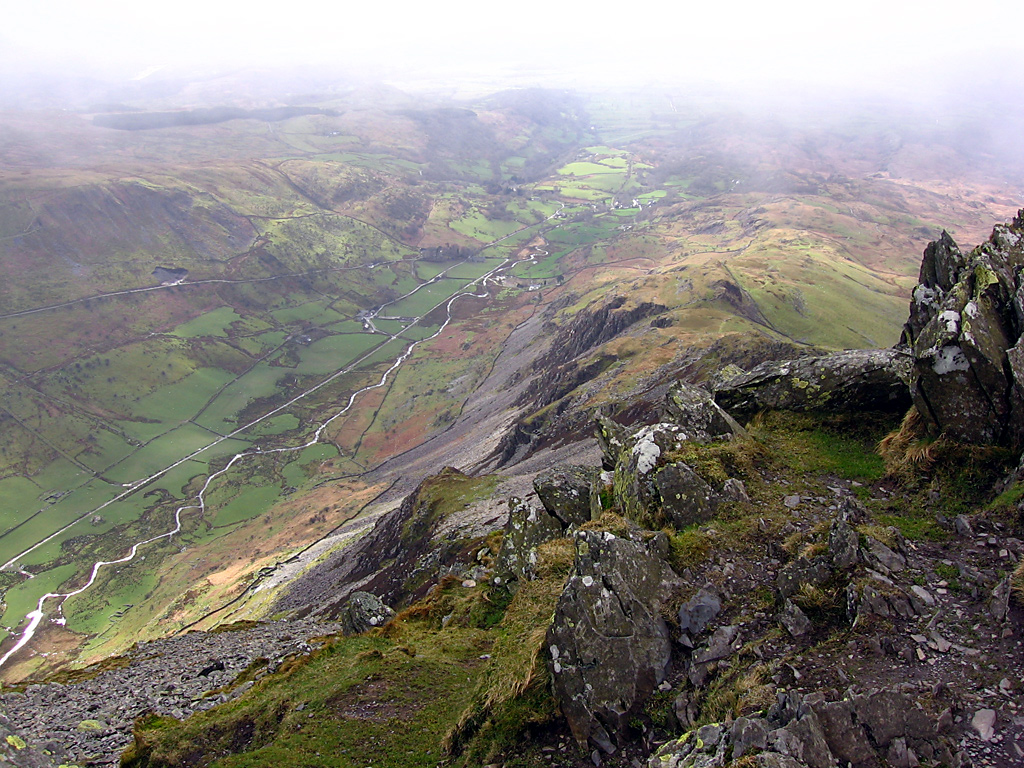
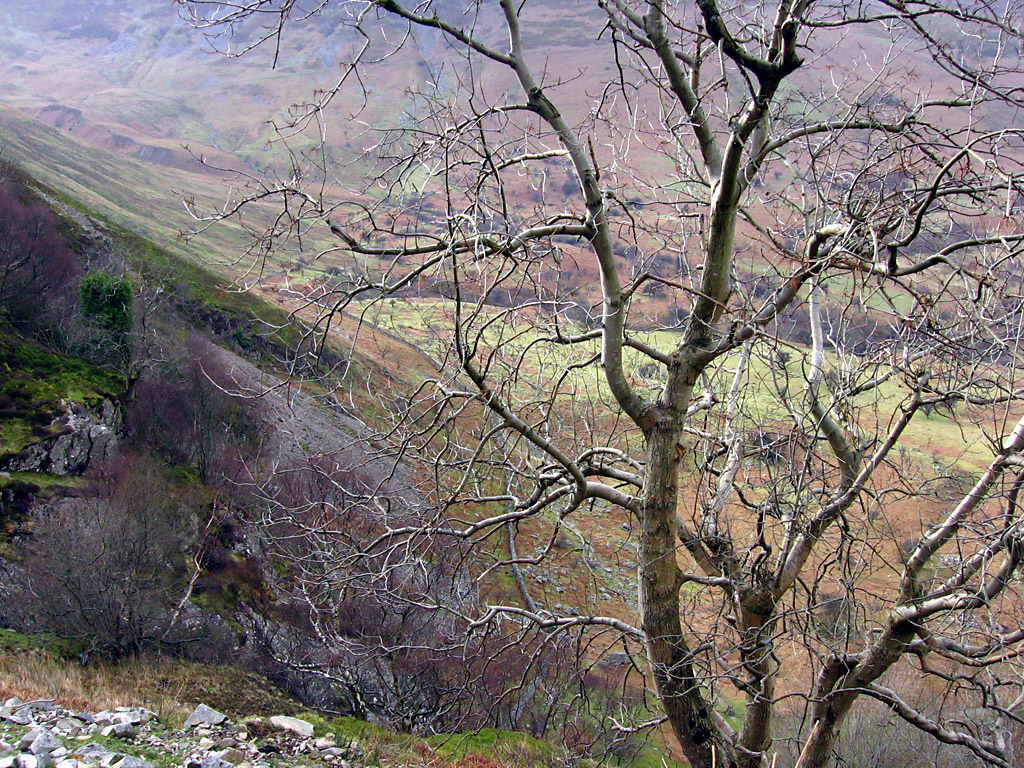
Cliffside view, Snowdonia

In the reserve, some of us climbed along a steep hillside to see a large waterfall from above. We also got some nice views of the valley below and the seashore.

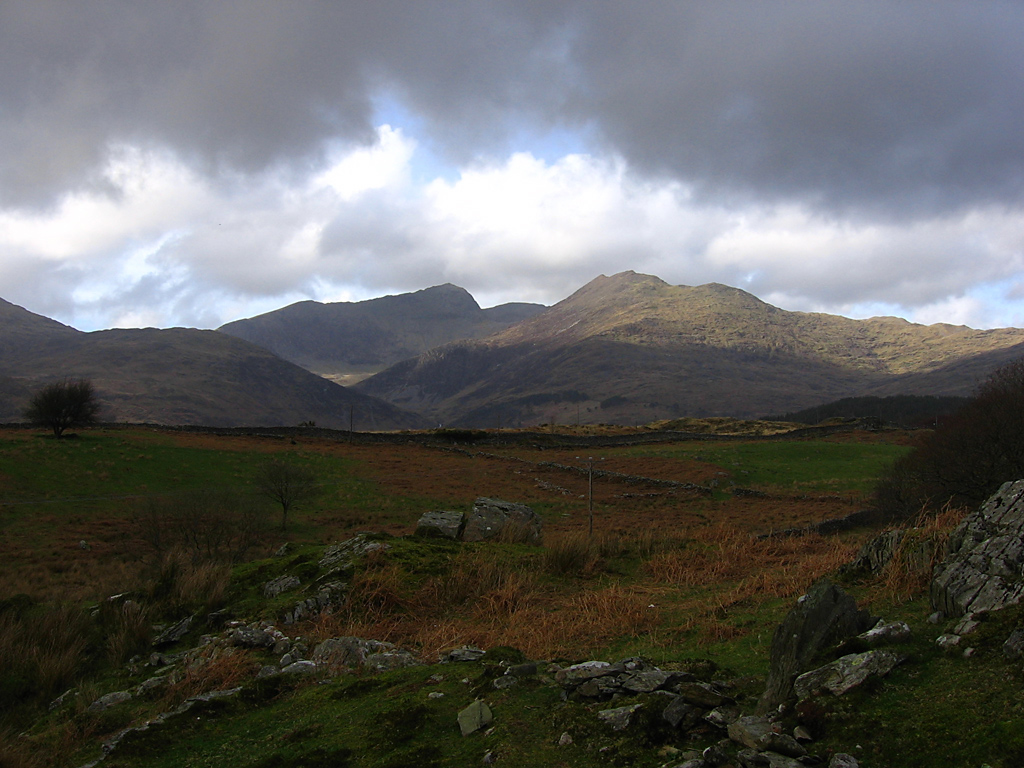
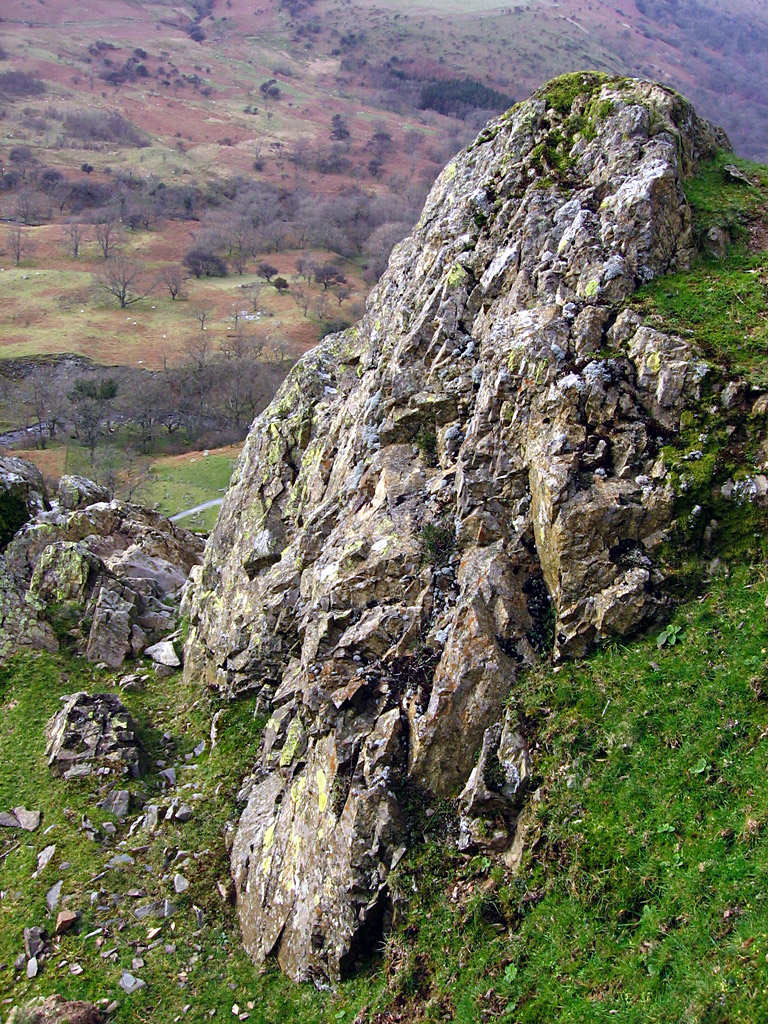
Rock in Wales

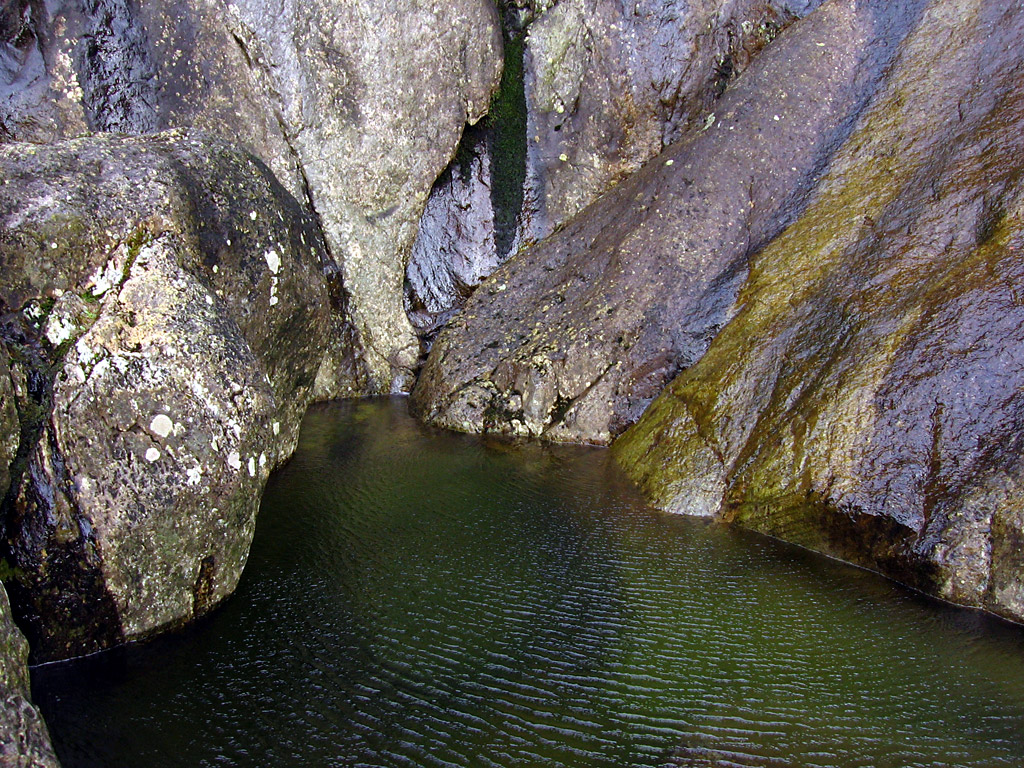
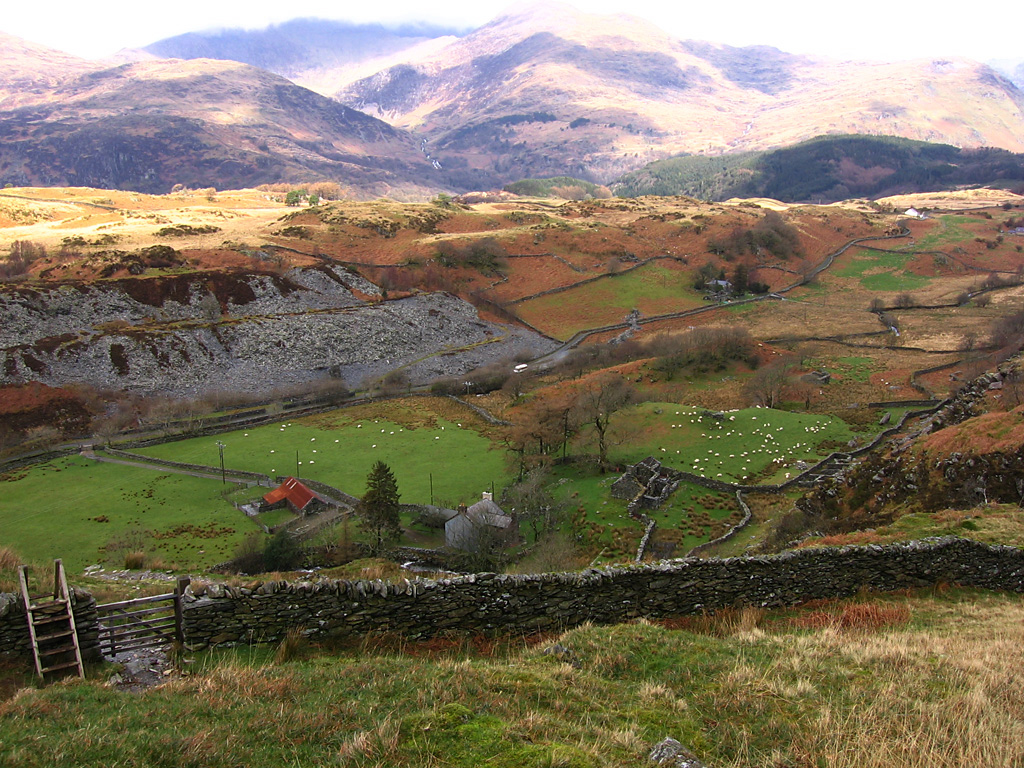
The Welsh landscape is dominated by bare rock, separated by grassy sections. Often, you see veins of quartz in the shale that look like snow, from a distance.

Wales 2007 photos: first batch

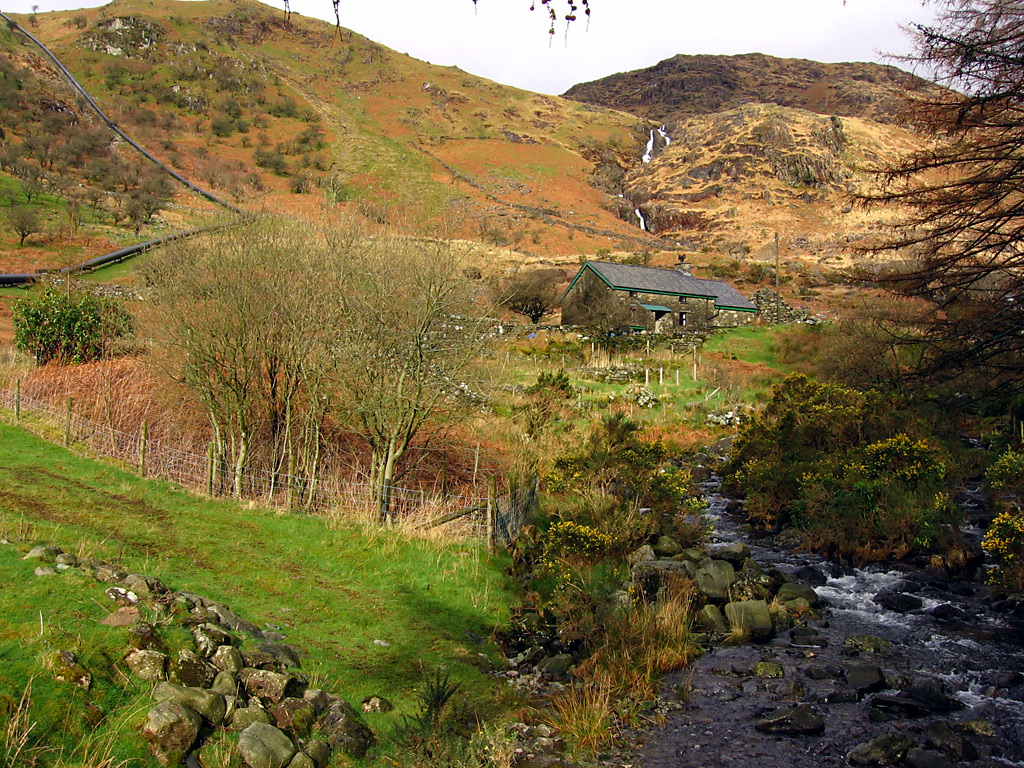
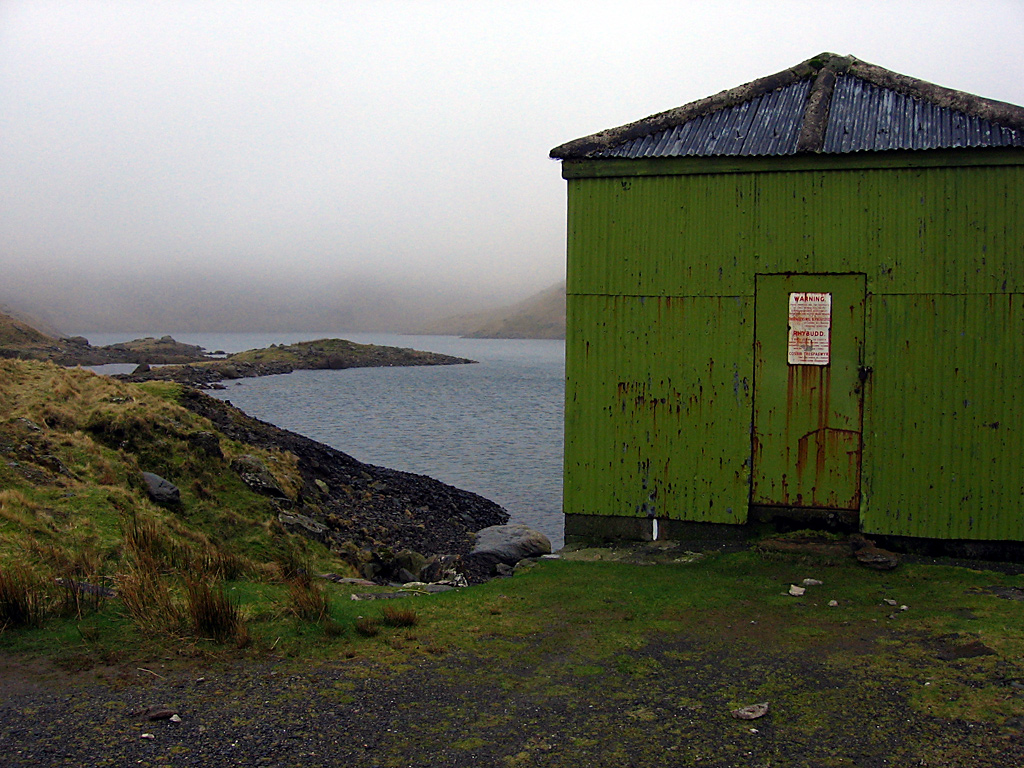
Shed beside Welsh lake

Shed beside a Welsh lake.

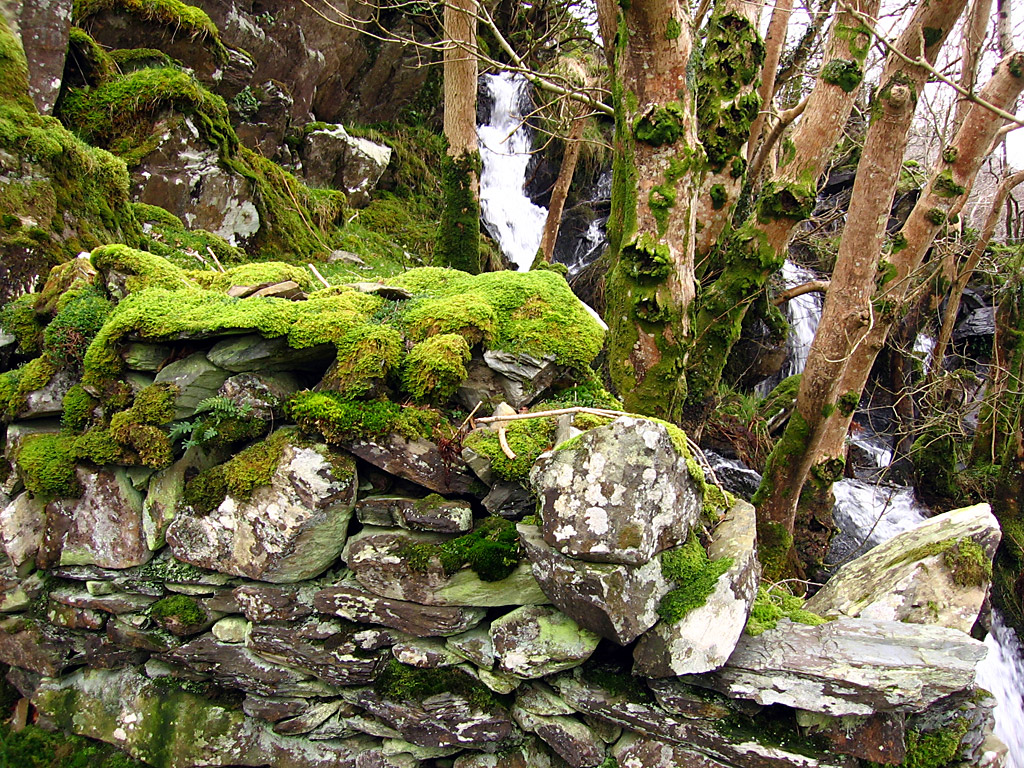
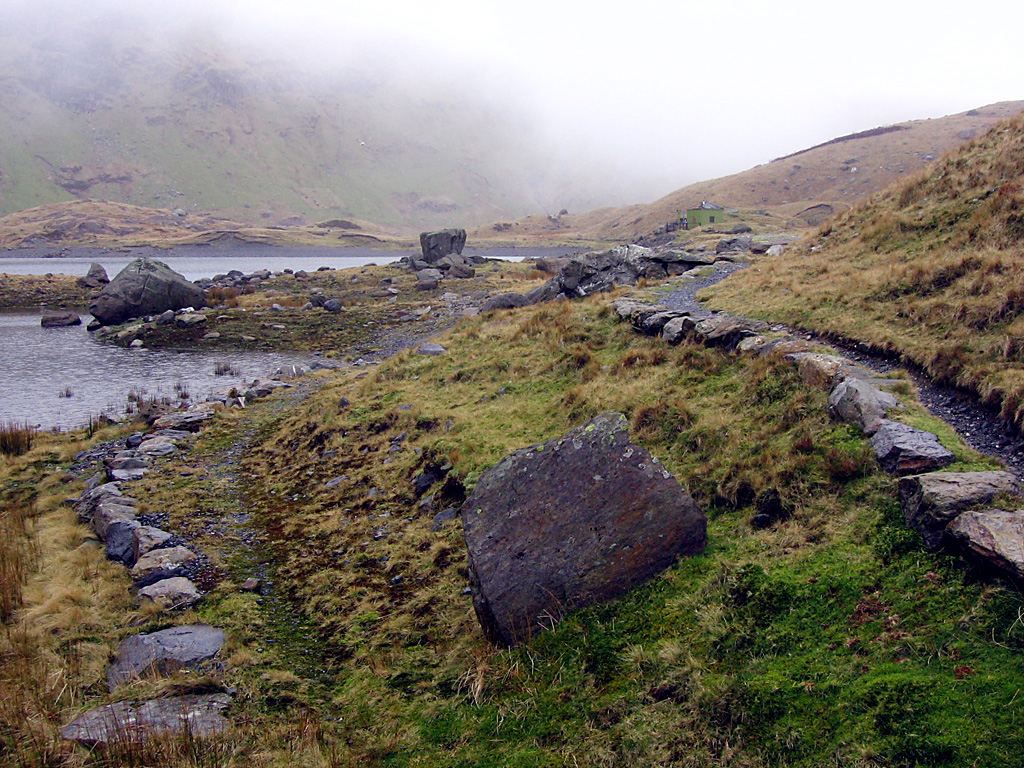
Stones in Wales

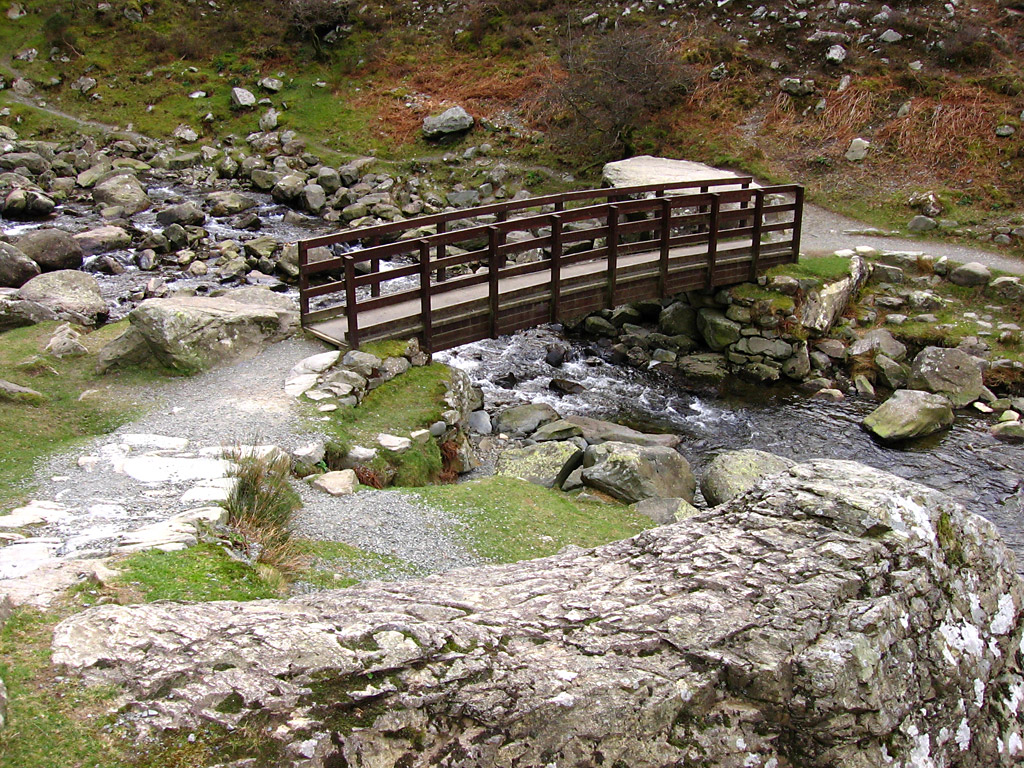
All over the Welsh countryside there are walls and paths made of slate. The amount of labour involved in building them all must have been colossal.

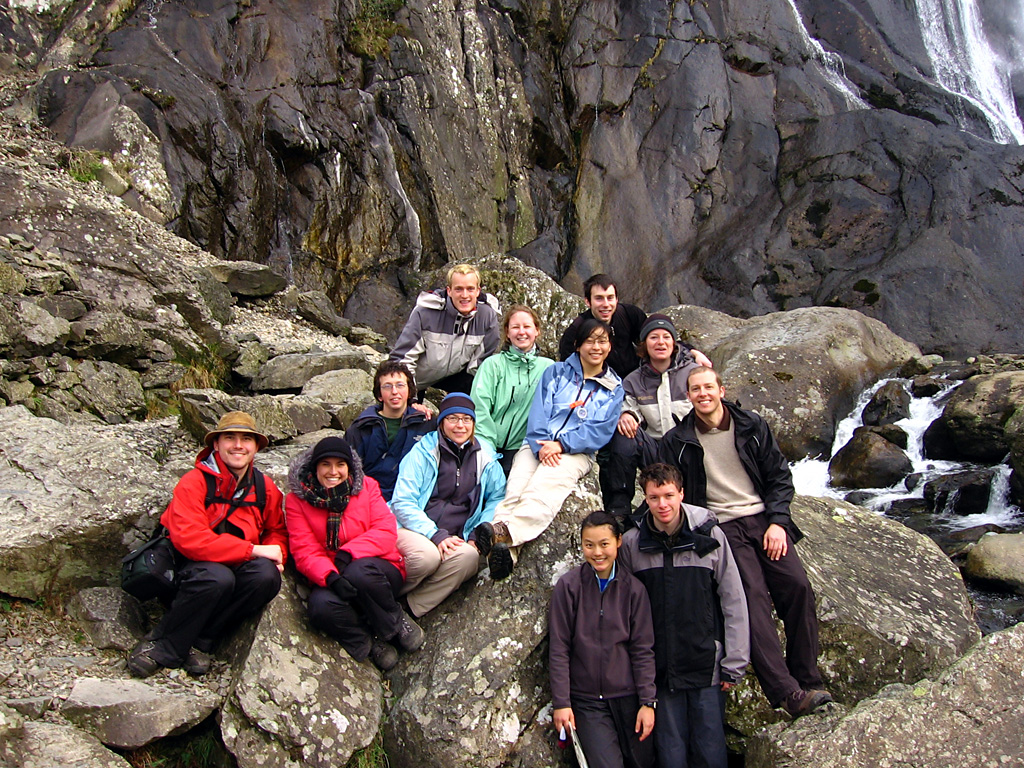
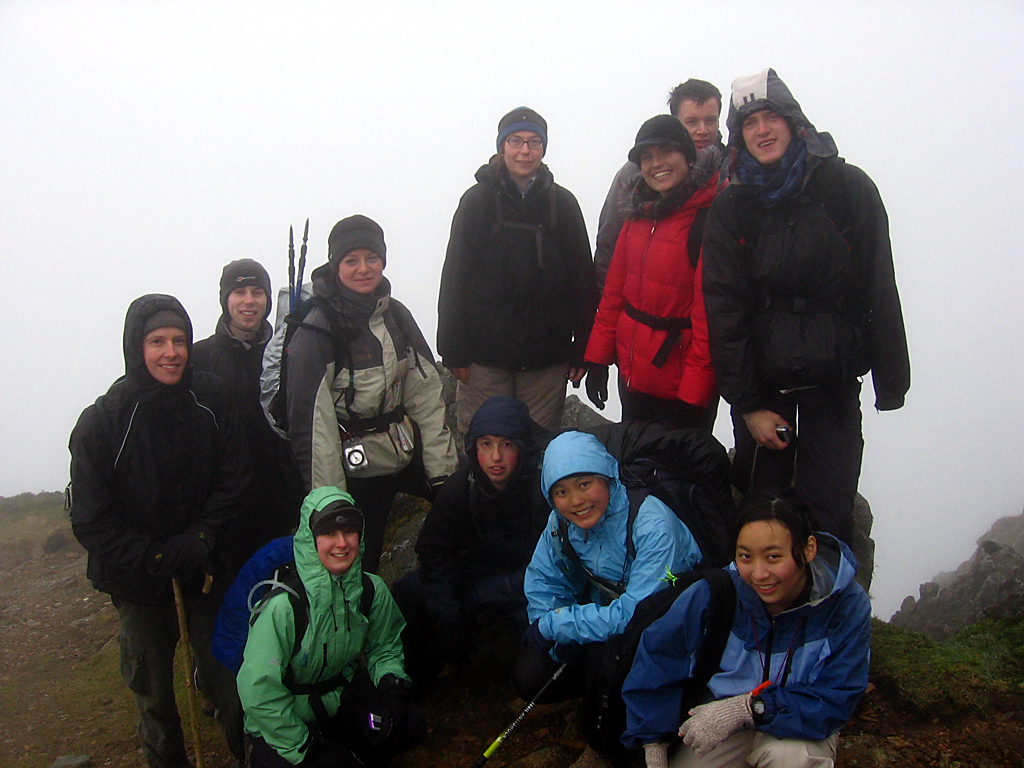
Oxford University Walking Club in Snowdonia

Our first group photo, in front of the view we had from all three peaks on the first day.

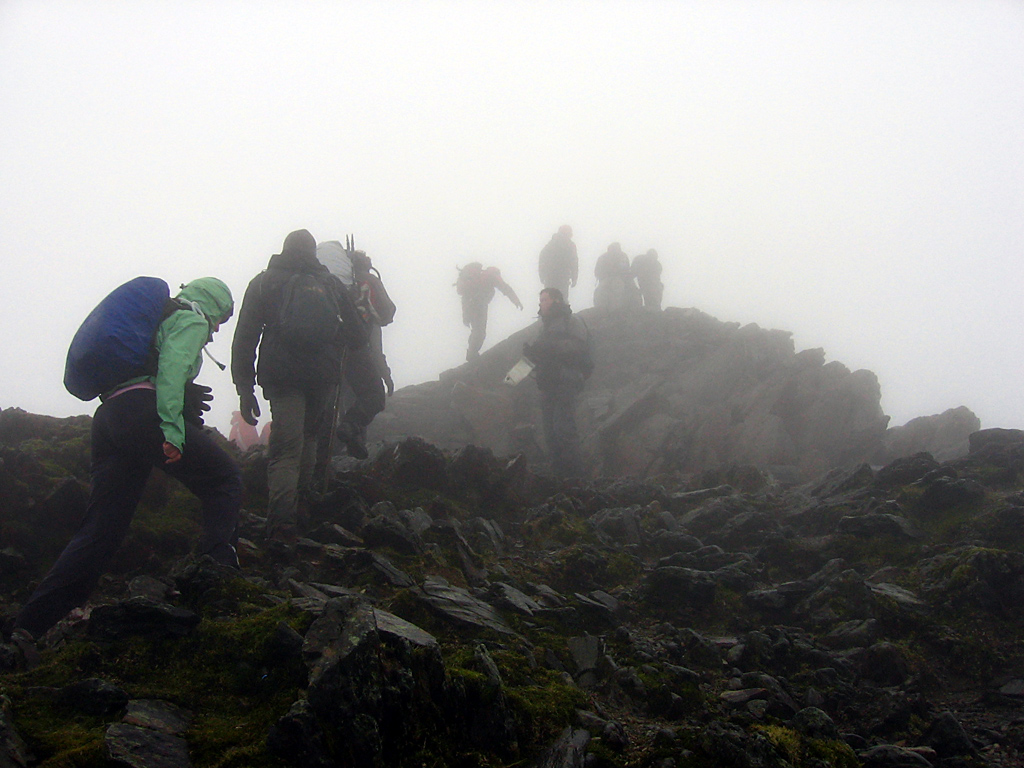
Climbing Snowdon in the fog

Climbing Snowdon was a foggy business.

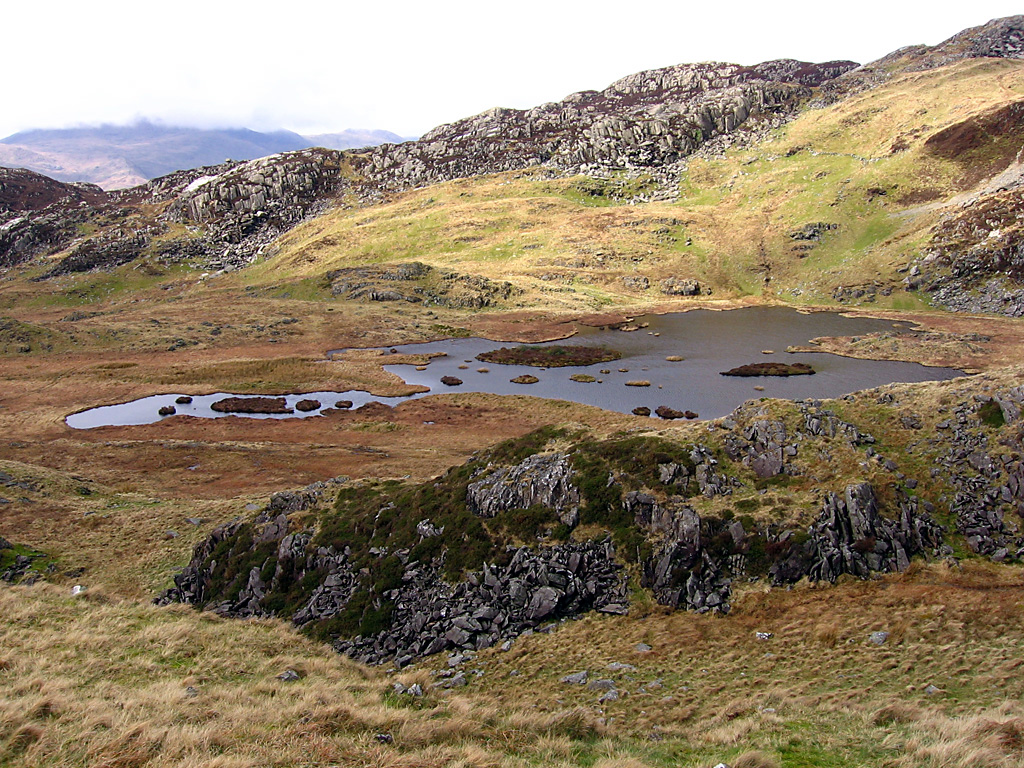
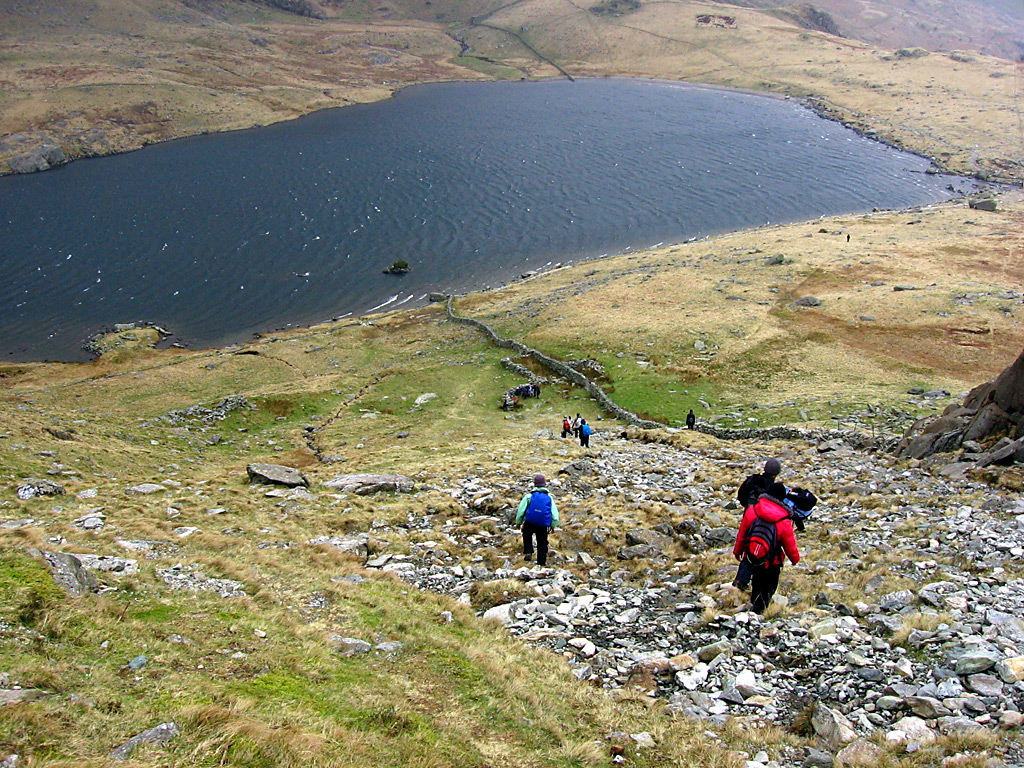
Welsh lake

On the third day, we hiked up to a ridge but found it too windy to continue. On the way down, we walked around this lake.

Welsh surprises

Wales was not without surprises, two of which I will quickly detail now.

The first concerns the ‘barn’ in which we were to stay. When I heard the term, I thought about the barn that Meghan Mathieson’s family has in Duncan: uninsulated wooden walls, big swinging doors, hay, and the rest. What we actually got was a ‘hut’ belonging to the Pinnacle Club – a group of women climbers. It was the size of a house, warmed by a coal stove. It had fridges and stoves and showers and a special room for drying sopping gear (though our numbers and level of soppingness challenged it). When compared with my initial expectation – better than a tent, with the possibility of rats – it was downright palatial.

The second surprise should be evident from the videos I posted last night. We were almost constantly buffeted by gale force winds during the first two days, and still encountered moderate winds at high altitudes on the third. I spent much of the trip literally holding on to my hat. Since it has no chin-strap and I could not come up with a way to tether it that did not risk either destroying the hat or garroting me, I had one hand on the brim (or atop my head) for the better part of all the hiking. On Snowdon, the cold and relative thinness of my gloves meant that my non-hat-holding-hand was always desperately trying to recapture warmth in a fleece pocket, before I did the switch – mindful that a pause could send the hat flying off into the foggy abyss.

As is so often the case after a vacation, things have piled up in my absence. I have two issues of The Economist to read, two letters to respond to, several dozen emails to deal with, and a thesis chapter ostensibly due on Wednesday (with all the reading and writing that entails). Forgive me if I am a less prompt correspondent than usual for the next while.

Atop Snowdon

This short clip was made when the Oxford University Walking Club reached the peak of Snowdon – the highest point in Wales – on March 10th, 2007. As you can see, we did not get a terribly good view for all of our upward marching.

Here is another short video, and some photos on Facebook. I will post some nicer versions here soon. For now, I need to prepare for my meeting with Dr. Hurrell tomorrow.

From a flat in Oxford to a barn in Wales

I should pause from the frantic assembly of rain gear and the overly optimistic inclusion of thesis reading in my rucksack to say that I am off to Wales in a few hours (there seems to have been some confusion about whether I had already gone). I will be away until late on Monday, making this the longest interruption in my love affair with the internet since I went to Scotland in July. One day longer, and it would be beaten only by the Bowron Lakes canoe trip in the summer of 2004.

This is what happens when even the cheapest hostels have web access, and internet cafes are plentiful. The worst a connected person need endure are unfamiliar foreign keyboards.

Despite the urgency with which I will need to finish my third thesis chapter, you can expect some photos to find their way online within a few hours of my return. Expect panoramic vistas, drenched hikers, and sheep.

PS. Fellow Canadians trying not to forget all their French may be interested in a new blog that Richard Albert, from Lady Margaret Hall, has established. Now that quarterly Oxford bloggers’ gatherings have fallen by the wayside, I need a new way to decide how frequently to update my list of Oxford blogs.

Wales in under one hundred hours

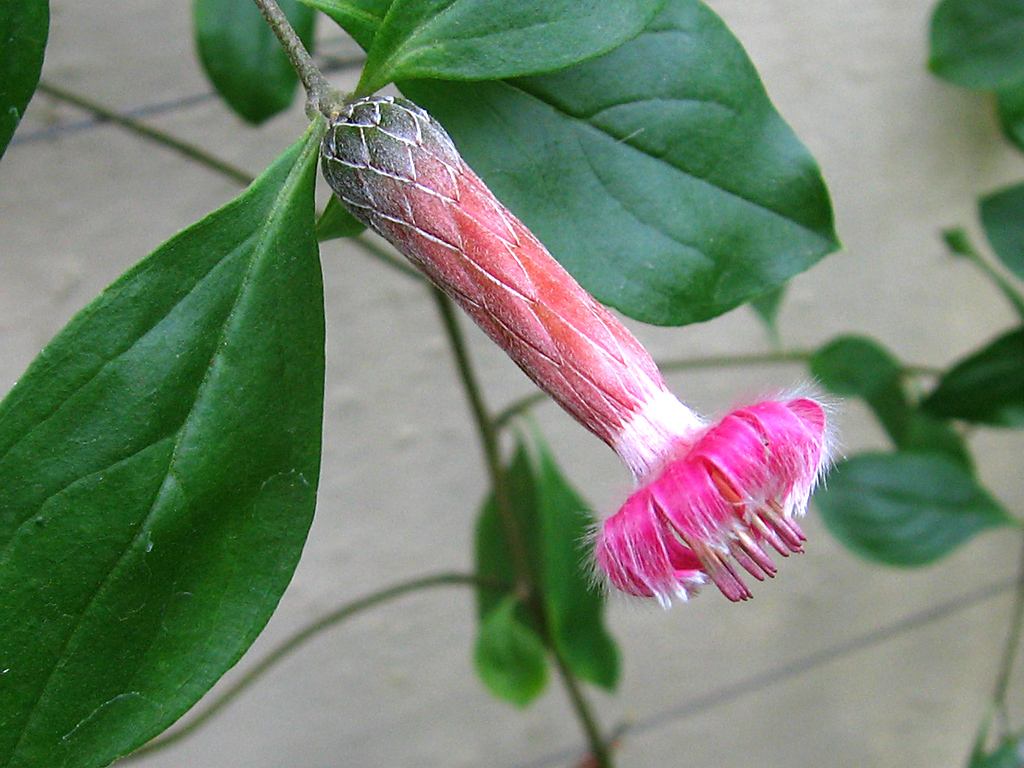
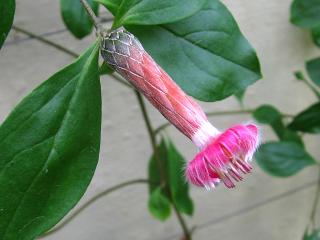
Asteraceae (Compositae) Barnadesca Rosea

With my departure for Wales only five days away, I have been trying to do a bit of reading about the place. The derivation of the name, from the Germanic word ‘Walha’ meaning ‘foreigner’ or ‘stranger,’ is an interesting one. It makes you think about how perceptions of difference still remain local, despite all of the economic and political integration that has taken place in the last century.

The Walking Club plan includes the strong possibility of climbing Snowdon: the highest Welsh mountain. At 1,085m it is about 150m shorter than the mountain on which my parents live, and about ten times higher than anything close to Oxford. It is also slightly higher than the tallest of the Five Sisters of Kintail, which I hiked with the walking club in August. The fact that Snowdon has one of the highest annual rates of precipitation in England should help to avoid any excessive contrast with Oxford. That said, I am really excited about the prospect of visiting a new place, meeting new people, and climbing some mountains, all over the course of four days. I am not even overly concerned that the draft of my third thesis chapter is due three days after I return.

Thirteen people are going on this expedition, none of whom I know. Judging my my prior experiences with the Walking Club, most of them are likely to be pure or applied scientists. The same was true of the group with whom my mother and I walked in Malta. I wonder why hiking has such a special attraction for scientists.

I will be bringing both my digital camera and one of my film cameras on this expedition, though the black and white T-Max film I have left over from Turkey is not what I would have chosen for a wilderness foray.

PS. I am interrupting my series of daily images from various Oxford colleges. I haven’t had time to explore new ones recently, and the remaining ones are somewhat scattered. That said, I will complete the collection before I leave.

A sign portentous?

If you are in Oxford, go outside right now and have a look at the total lunar eclipse.

On account of the fairly cloudless night, it should be a good show. It should be visible from most of England, Wales, Scotland and Northern Ireland, as well as further afield, and peak between 10.24pm to 11.58pm.

It seems virtually impossible to get a decent photograph of a lunar eclipse on a P&S camera. Even once you have the exposure worked out (about 1/320th of a second at f/5.6 and ISO 50), the lack of major telephoto capabilities means it will always fill too little of the frame to yield a good image. A lens equivalent to 1000mm for 35mm film is what you need to get the moon to approach a full frame.

[Update: 10:49pm] From this vantage, the eclipse has reached totality. Our world is between Apollo and Artemis.

Scientific tourism

Pembroke College, Oxford

During the last little while, I have become aware of a group called the Earthwatch Institute which has an interesting approach to participating in environmental research and the promotion of sustainability. Since 1971, they have linked more than 80,000 volunteers to more than 2,500 different research projects. The volunteers contribute both financially and through their labour, in exchange for which they get to see some amazing places, meet and work with scientists, and generally gain a better understanding of the world. While you have to wonder how helpful non-specialists could actually be during such a project, it does sound like it would be fascinating.

If you have always envied the people zipping around on helicopters or piloting ships through Antarctic waters, this might be your only opportunity, short of becoming a research scientist. Right now, they are organizing expeditions to Alaskan glaciers, the Amazon river basin, coral reefs in the Bahamas, and a number of other places besides. They seem to cost about $2000-3000, not including travel to the location in question.

For those without scientific training to go on such expeditions may be a bit touristic, but I can see how it could contribute valuable resources to projects – particularly those involving scenic places and photogenic animals.

Separate not a man from his techie tools

I have a request for intelligent people around the world. Can we please agree that tiny little multi-tools like my SOG Crusscut are in no way dangerous weapons? Certainly, they are no more so than all manner of items (from pens to umbrellas) that are legitimately carried into all manner of places.

As one of the items that I carry around virtually everywhere, I am quite reliant upon it: particularly the scissors, screwdriver, bottle opener, and ruler. When I am forced to not carry it, usually because of travel, I frequently find myself frustrated and annoyed. The same should go for the Leatherman Micra and similar tools. Gram for gram, these little things are up there with LED headlamps, in terms of usefulness in varied circumstances.

PS. This minor tirade was prompted by this lengthy article on survival equipment, written by Neil Andrews. Judging by his ‘modules,’ he is the fellow to know in the event of a massive natural disaster or zombie attack.

Worcester College

Worcester College

As part of an ongoing initiative to expand the parts of Oxford I have explored, I ventured into the Worcester College gardens today. Open to all students between 2:00pm and 5:00pm, they are really worthy of a wander. I plan to revisit the courtyards and waterside paths once spring has begun to assert itself. Trying to frame photos to exclude the ash-gray sky was challenging.

The college is located at the end of the street that runs west from the martyr’s memorial past the Randolf Hotel and the Ashmolean. Altogether, the grounds are very extensive; they also have a pleasing intricacy to them, unlike the open vastness of the Port Meadow, Christ Church Meadow, or the University Parks.

I may well need to add the gardens to my rotation of places to read and wander, once the cold and dampness of these recent weeks begins to recede. Even with the threat of exams and joblessness at the end, I expect that Trinity Term will be a dream – with the thesis safely behind, and Oxford going through its most attractive season.