Freight shipping and greenhouse gases

Travelling 100km by car produces about 10.8kg per person of carbon dioxide (assuming an average of 1.5 passengers per car). Doing the same by bus produces about 1.3kg, while taking a modern electric train produces about 1.5kg (based on the energy balance in the UK). What is remarkable is that shipping freight by truck produces 180 grams of CO2 per kilometre, while doing so by train produces just 15. Clearly, switching freight transport modes offers considerable scope for emission reductions (as does reducing the total amount of freight shipped).

When you factor in how much damage heavy trucks do to roads – as well as the expense and carbon emissions involved in rebuilding them – it seems pretty clear that disincentives to ship freight by road make sense. Yet another externality that road pricing and carbon taxes could help address.

Morocco photos, part five

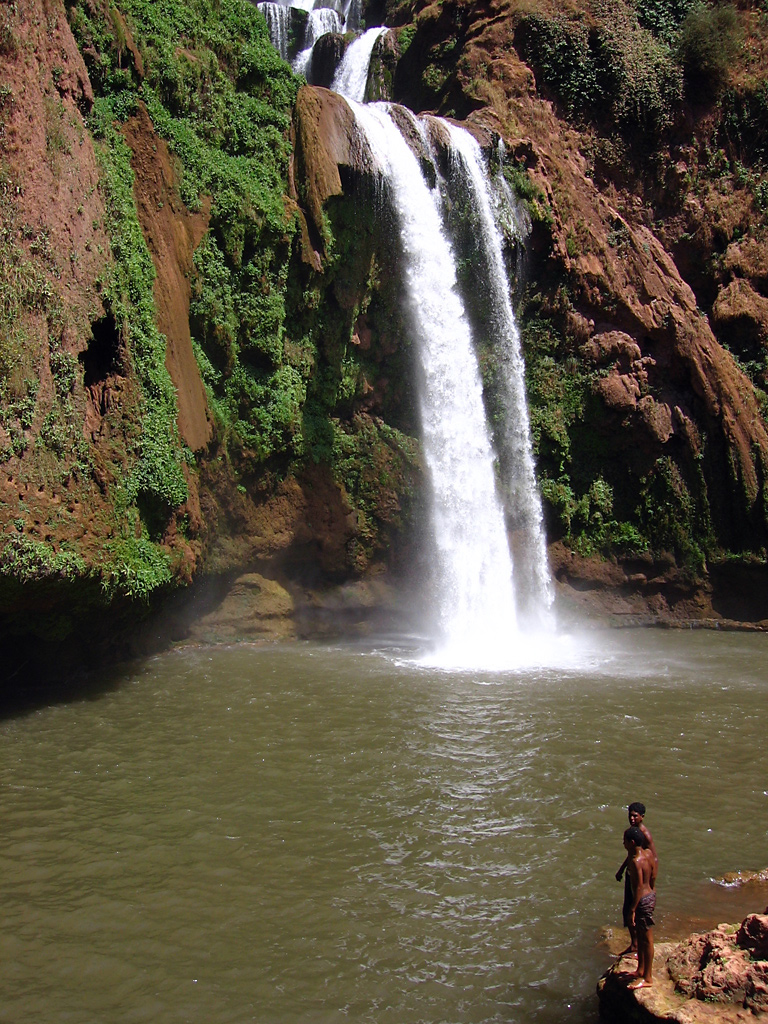
Cascades d’Ouzoud plateau

By climbing the slippery canyon walls, you could get a good view of the middle section of the cascade.

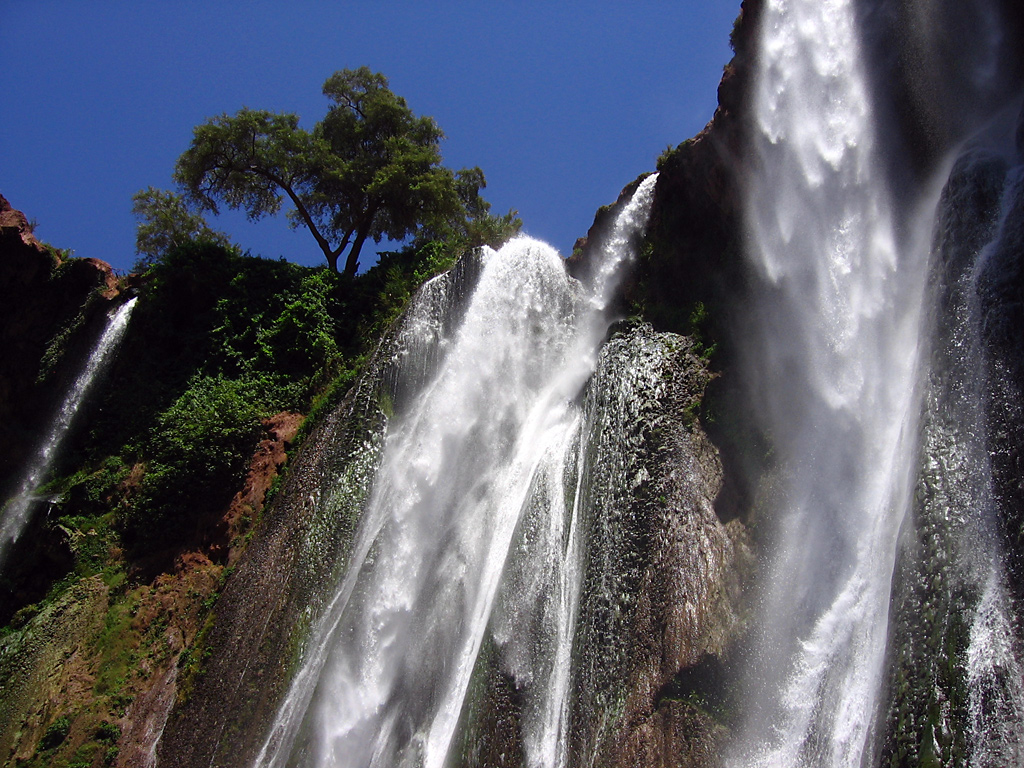
Cascades d’Ouzoud from below

I had to spent a very long and uncomfortable day traveling to see them, so readers should be willing to tolerate a large number of pictures of the falls.

Pool at the base of the falls

Pool at the base of the falls

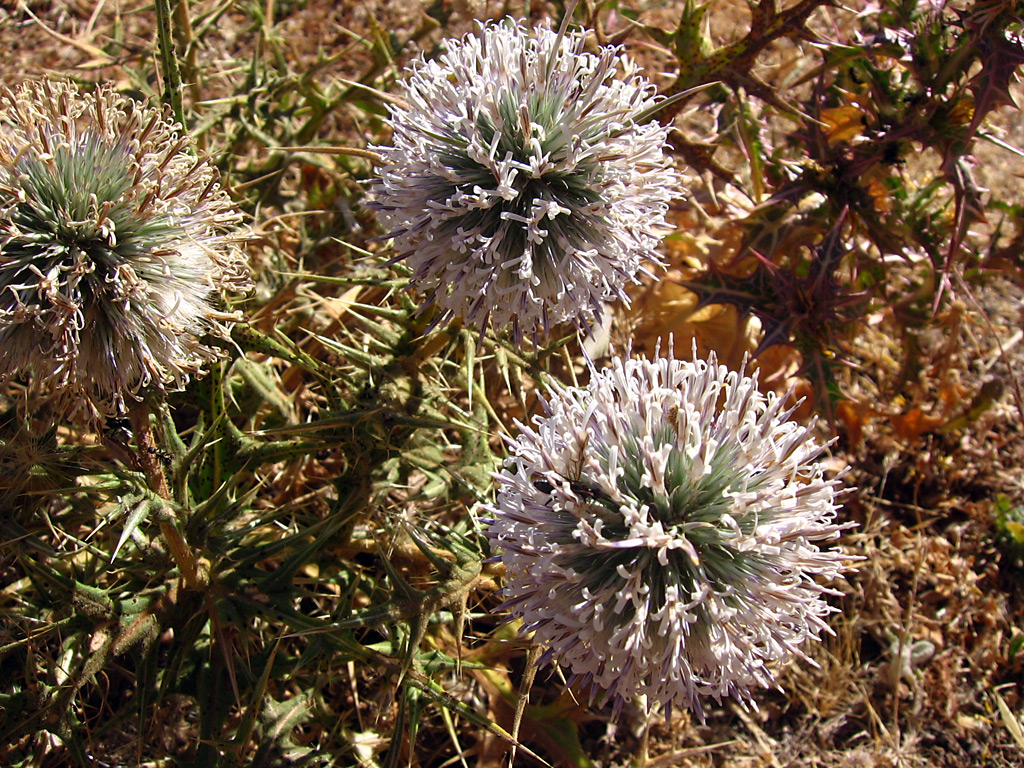
Moroccan plants

It took an hour of waiting in the sun to get five other people together for a taxi from Ouzoud to Azilal.

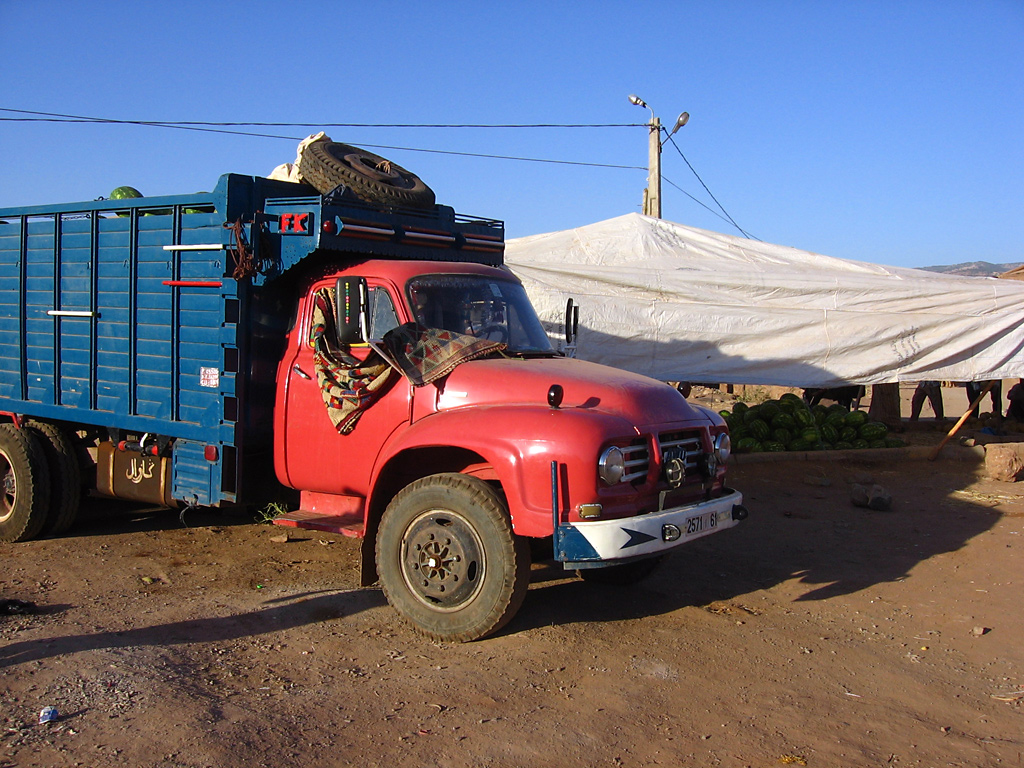
Watermelon truck

In the hot sun, this watermelon truck had a lot of appeal. Unfortunately, they refused to sell me anything less than an entire melon.

Morocco photos, part four

Sorry to have been so slow in posting these. Life has involved a lot of disruption, moving from Oxford to Vancouver to Ottawa.

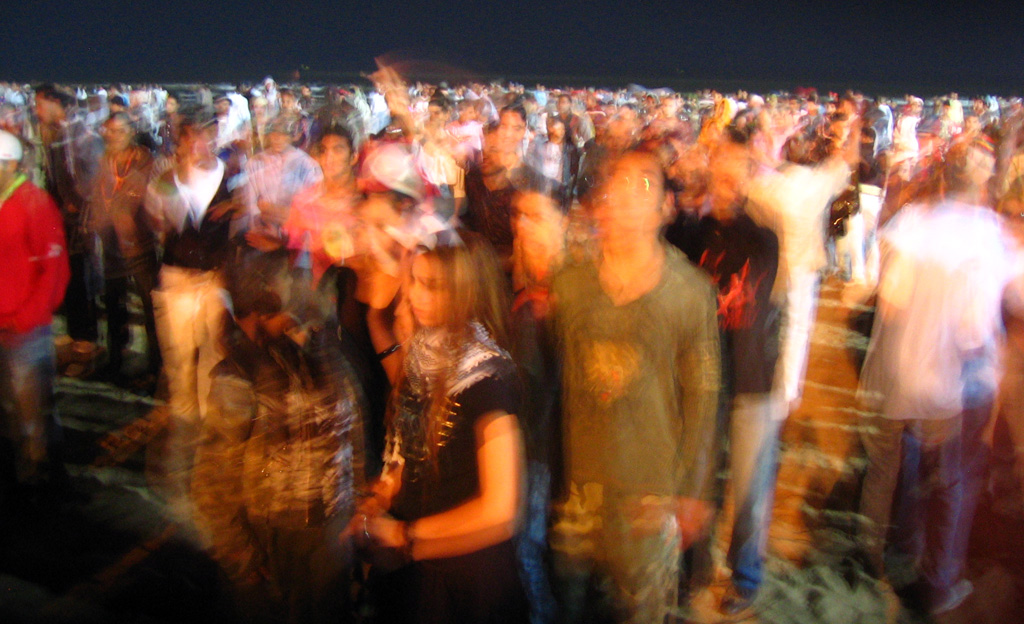
Gnawa Festival crowd

Crowd at the Gnawa Festival beach stage.

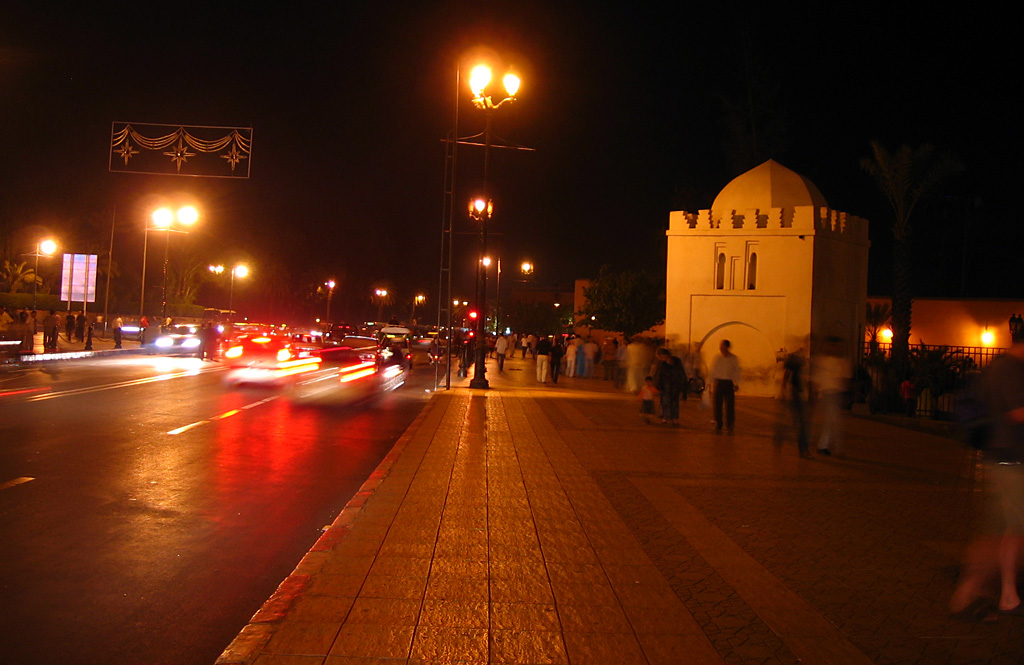
Marakkesh street at night

Marakkesh street at night

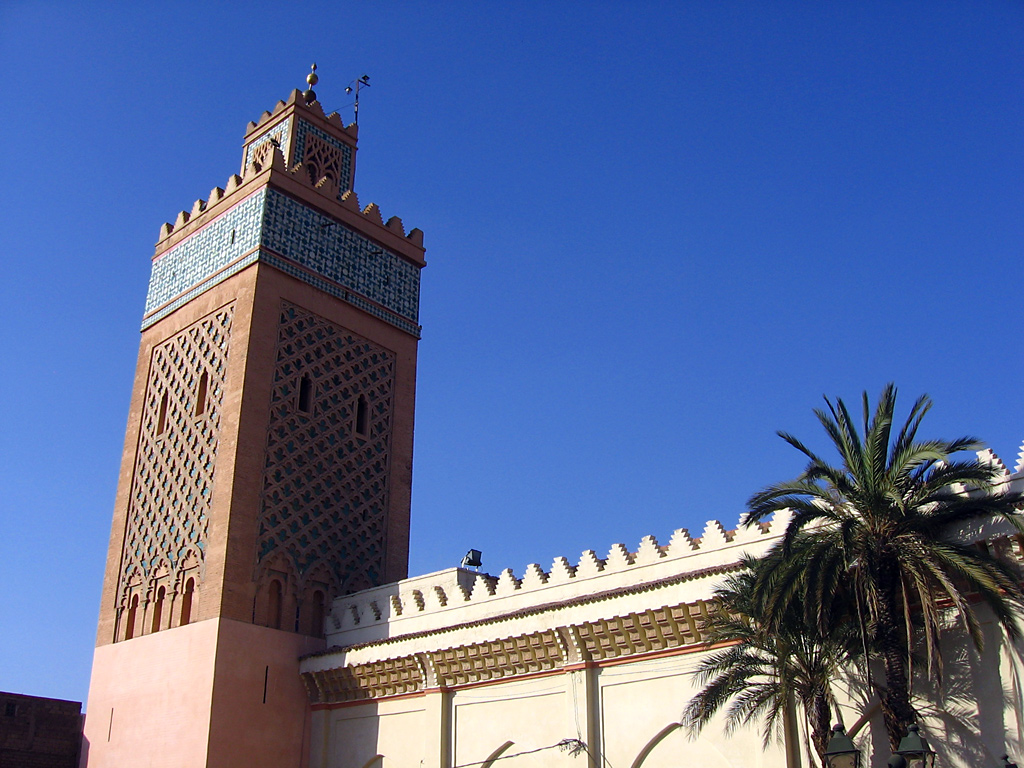
Kashah mosque, Marakkesh

The Kasbah Mosque, in the southern part of the city.

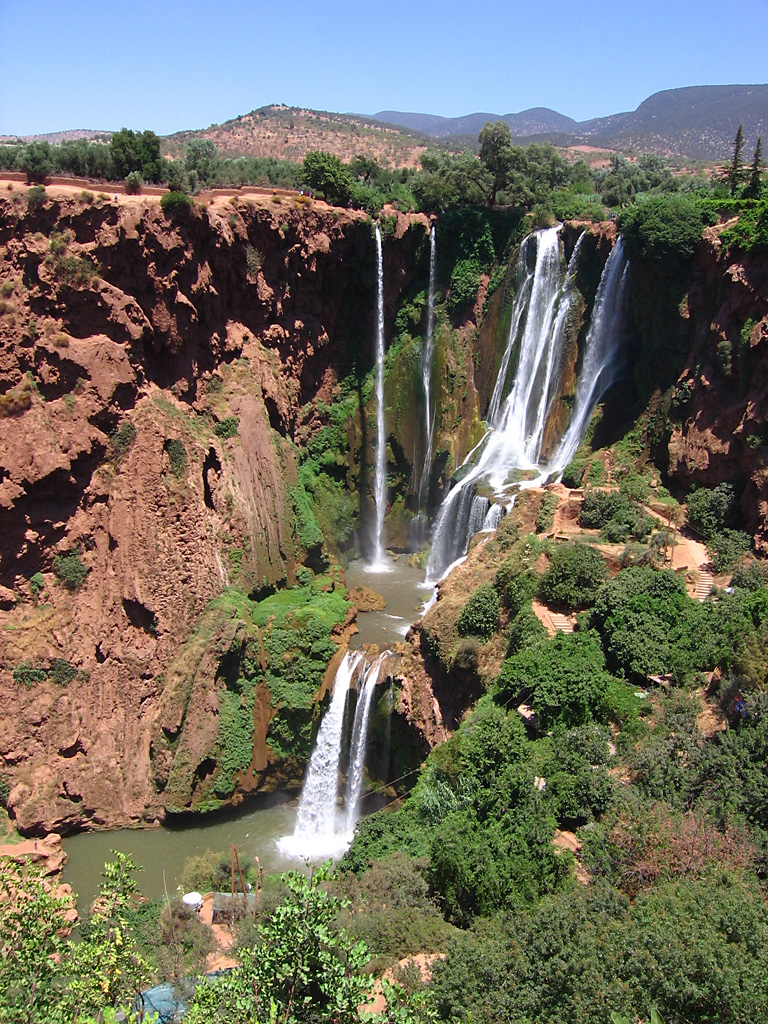
Cascades d’Ouzoud

Cascades d’Ouzoud

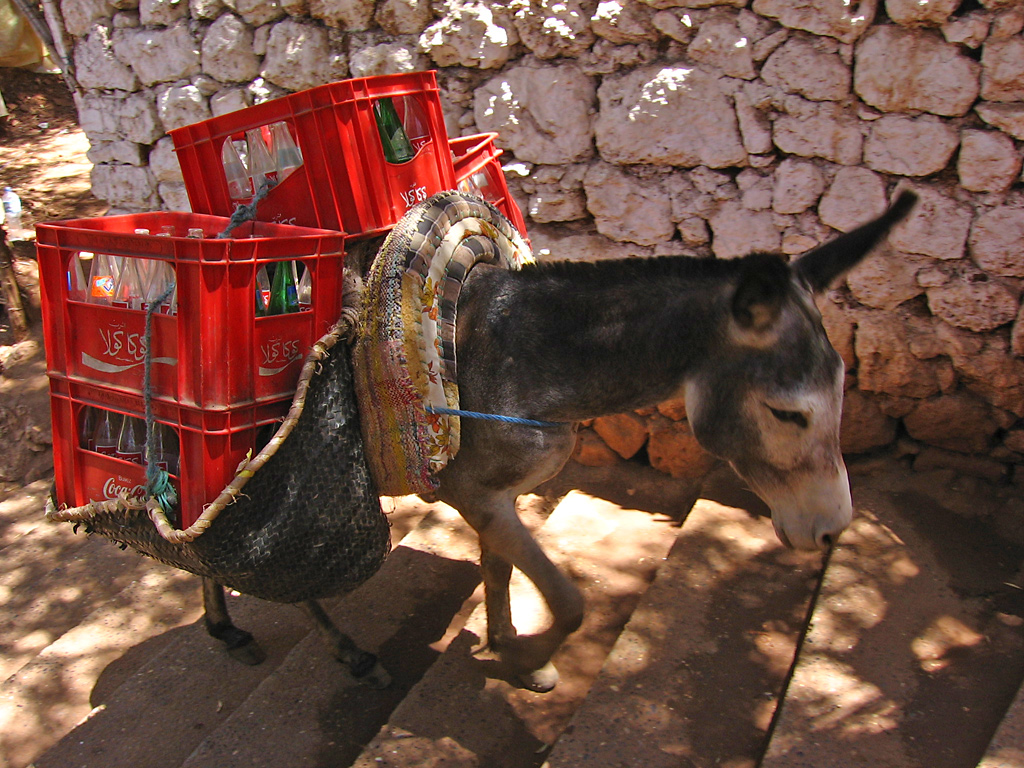
Donkey carrying bottles

This donkey had the unenviable task of carrying empty bottles from the restaurants near the falls to the top of the valley.

Repatriated

This has become one of those days that you really cannot believe has been one long period of wakefulness. I was woken at 7:30am by a St. Antony’s College scout who was quite astonished to find me there and quite insistent that I should leave immediately. Many thanks to Emily Paddon and Mark Cummins for helping me to do so effectively and expeditiously. Mark deserves particular praise for helping me lug 63 kg of baggage from north Oxford to the Gloucester Green coach station.
One nice thing about all the chaos and confusion is that it hasn’t left me with much time to feel sad about leaving so many things and people behind (temporarily, I hope). Concluding thanks to everyone who helped make my two years in Oxford so special and successful.

Morocco photos, second batch

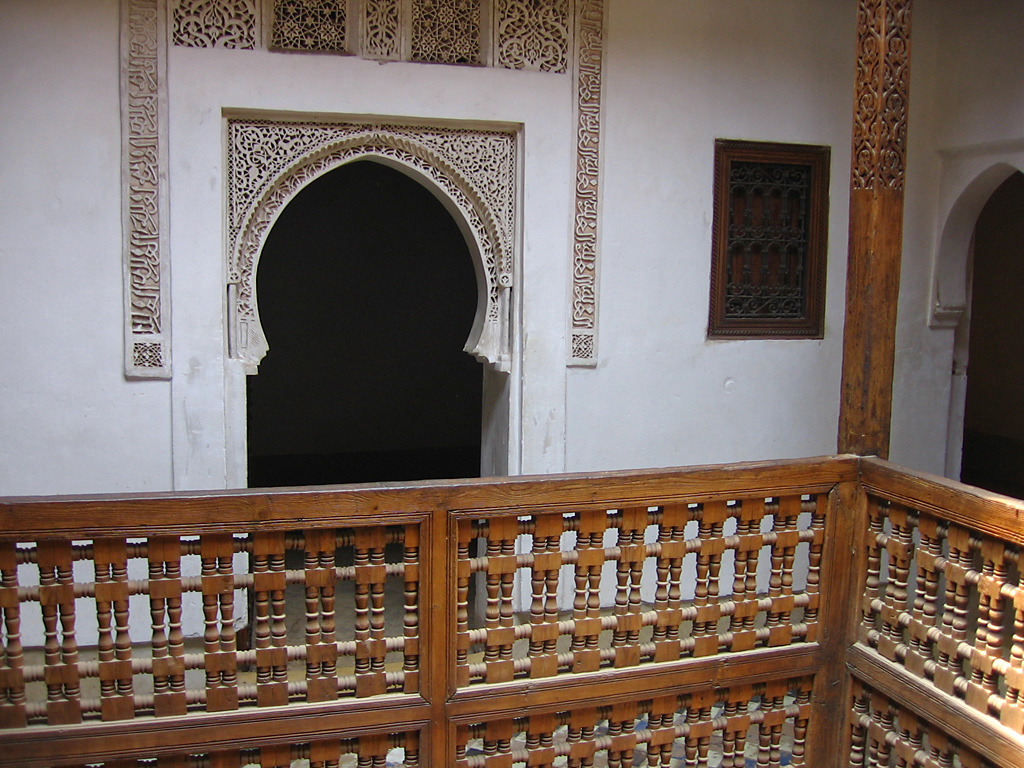
Ali ben Youssef Medersa detail

Some of the detail from the Ali ben Youssef Medersa.

Mosque in Marrakesh

Mosque in Marrakesh. It’s interesting how different they look from the ones we saw in Turkey.

Shine in Marrakesh

Shine in Marrakesh

Moroccan donkey

For some reason, I like the look of donkeys. They seem dependable and worthy of respect.
City walls in Marrakesh

Marrakesh has a large wall around the whole of the old city, as well as smaller dividing walls inside.

Morocco photos, first batch

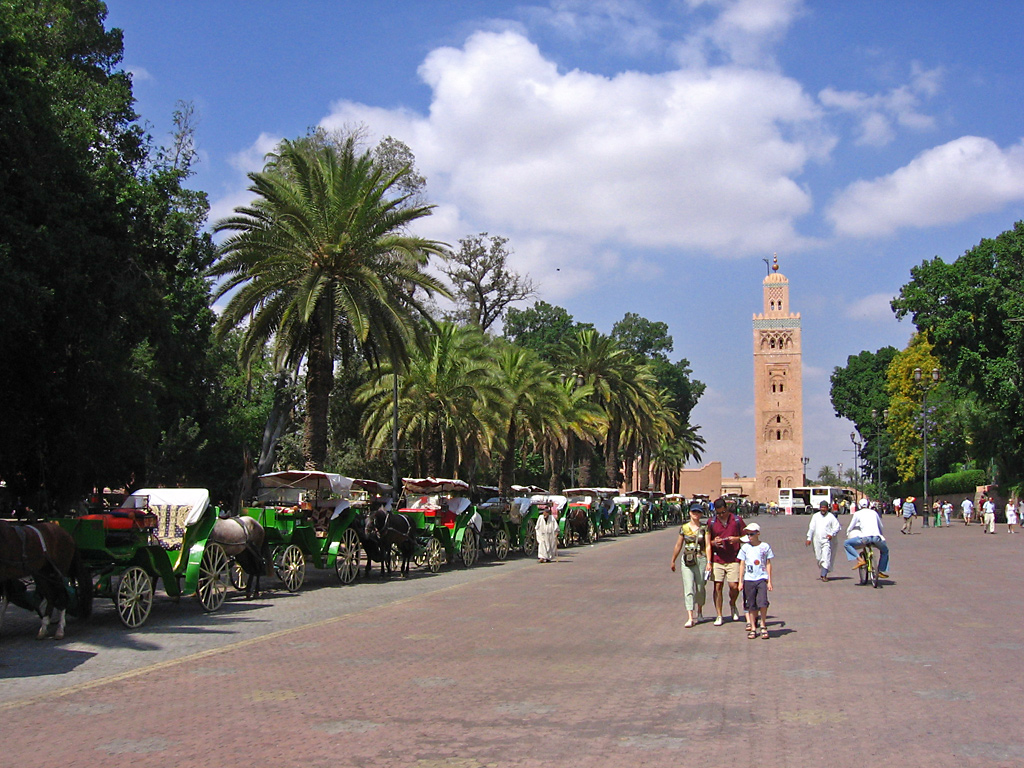
Koutoubia mosque

The Koutoubia mosque is the largest in Marrakesh, standing out prominently near one corner of the Djemma El Fna.

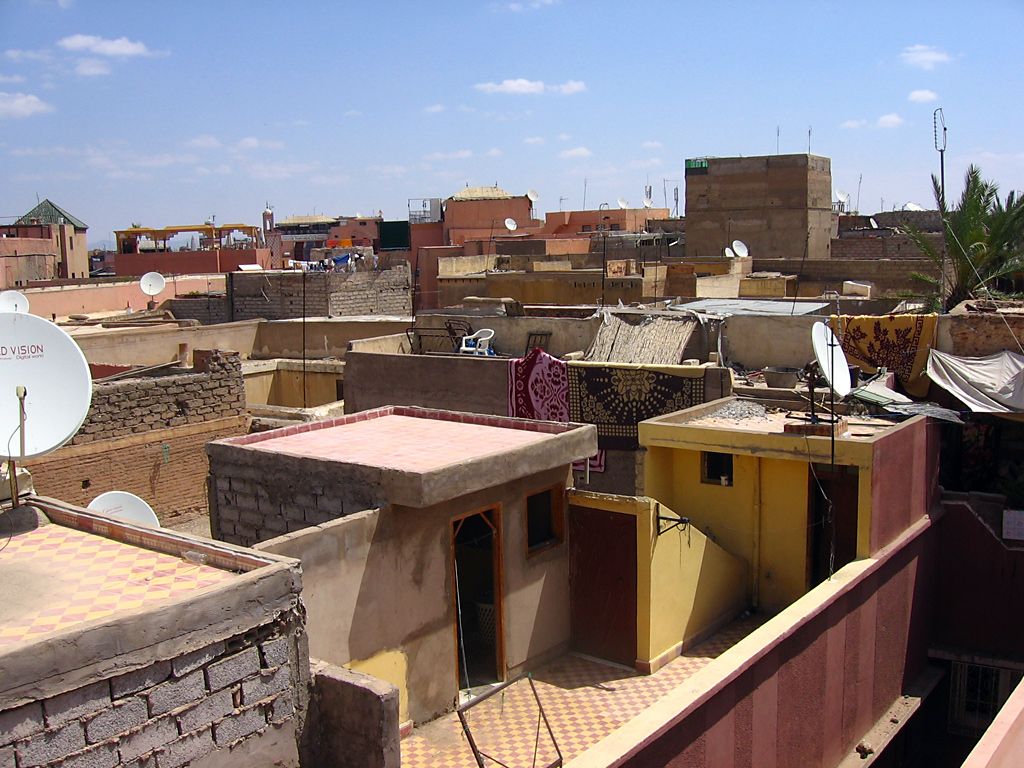
Marrakesh rooftops

From the terrace of my first hotel, you could get a glimpse of the old city from above.

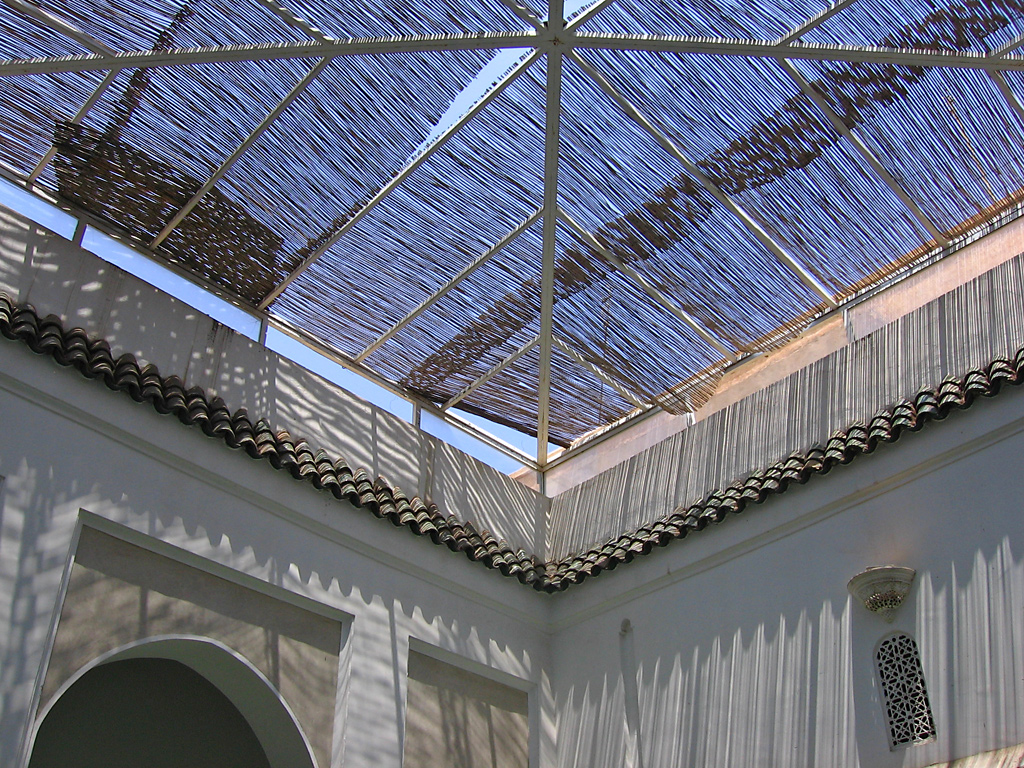
Marrakesh museum

This is a courtyard inside the Marrakesh museum, which I found by accident while I was completely lost in the souq.

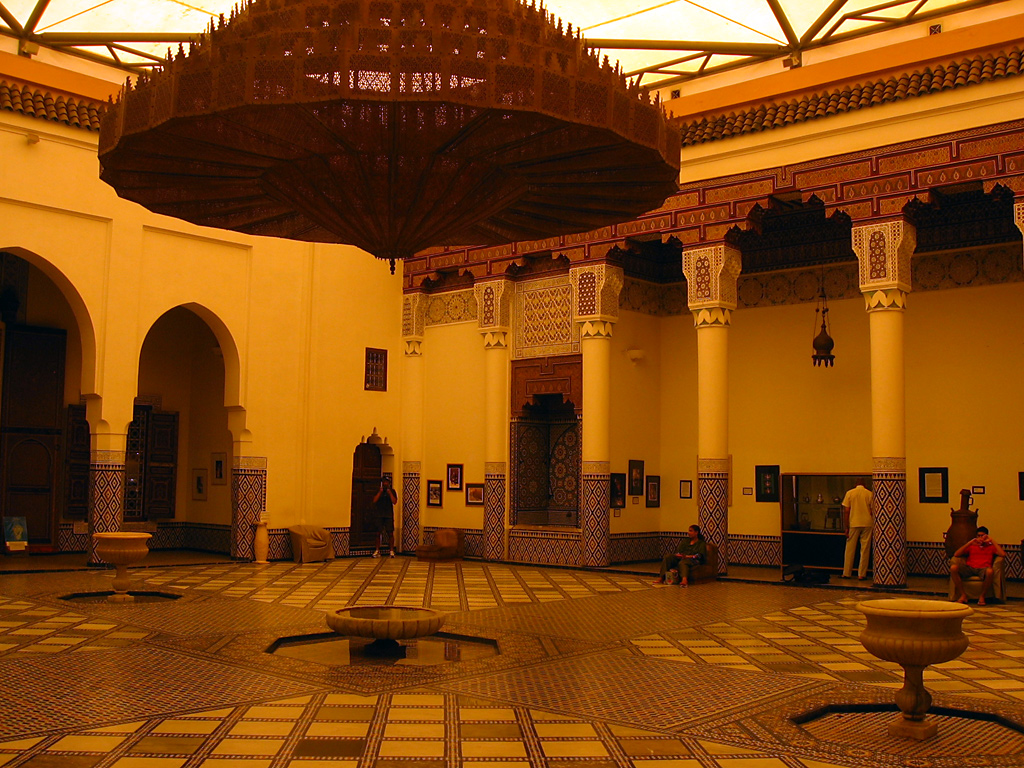
Marrakesh museum

The largest open space in the Marrakesh museum is a great place to have a rest and read.

Ali ben Youssef Medersa

The Ali ben Youssef Medersa is very open for a museum, allowing you to wander all over the place.