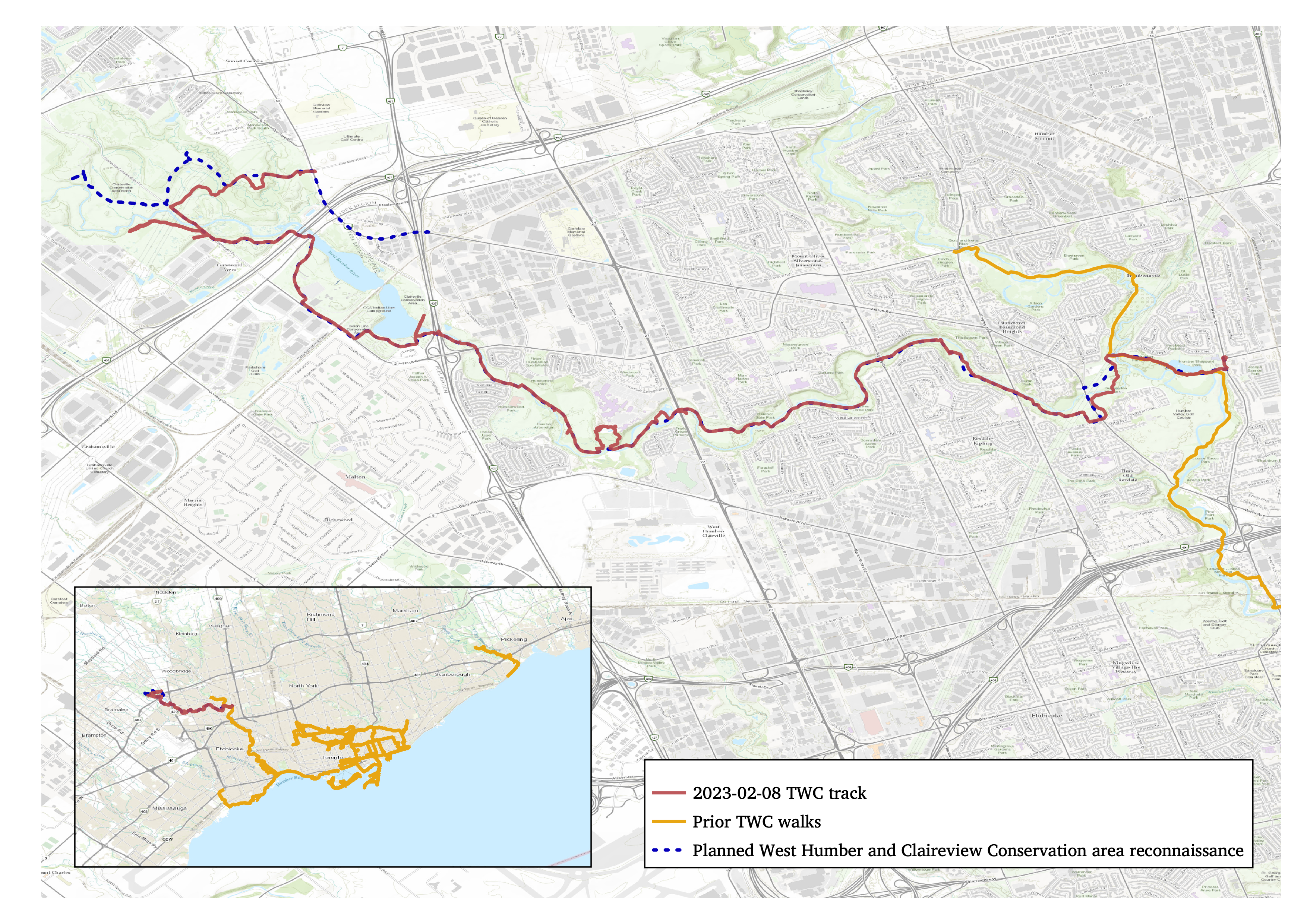
It has occurred to me that, while I am waiting to hear back on numerous job applications, and while I am waiting to graduate in absentia on March 10, I can shamelessly use the University of Toronto libraries to research absolutely anything of interest. Today, I got some guidance in digital cartography, was invited into a 2.5 hour workshop on making honest and educational infographics, and began reading Cyril Connoly’s 1938 Enemies of Promise in search of backstory and inspiration for my Sherlock Holmes pastiche project.
By the way, while it hasn’t always been treated with perfect gentleness, and the repairs are such as would be used for a practical object rather than a museum piece (bent corners and pencil-marks abound inside, and whoever taped the barcode on to the cover didn’t think tearing the tape unevenly would mar its appearance), based on the front matter I think the Connoly is a first edition.
I intended the title, incidentally, to refer to self-motivated writing not being actively overseen, edited, or hurried along and not to suggest that nobody is reading my writing or that I don’t care about those who do. In fact, I am always curious to know who is still lurking around here after all these years, or who has stopped by because they found a single post of interest.