

Revision tools
Identifiable skills, practical techniques, working notes, instinct, gut feeling, hunches. Though they may sound like an unlikely troupe of players, when you write and revise you call on all of them. But no tool for working your way into a draft is more important than just reading it as carefully as your ears will let you and staying focused on what you intended to say. Say, not just describe or explain, even if your project requires that some things are described and some other things are explained. Revision is less a matter of fixing errors than of saying more clearly, thinking your writing through from the ground up so that you know why you’re doing something, why you’re going somewhere, why you’re taking the reader somewhere with you.
Germano, William. On Revision: The Only Writing That Counts. University of Chicago Press, 2021. p. 7 (italics in original)
High canopy
Premier voyage en canoë
Many of the group walks I have taken during the pandemic have been around Toronto’s scenic Tommy Thompson Park wildlife and bird sanctuary.
Since my friend Tristan recently joined the St James Town Sailing Club to learn to sail Albacore boats, he can make use of a canoe from their location near Cherry Beach. Yesterday, Tristan and I did an initial foray around the protected waters in that part of the waterfront:
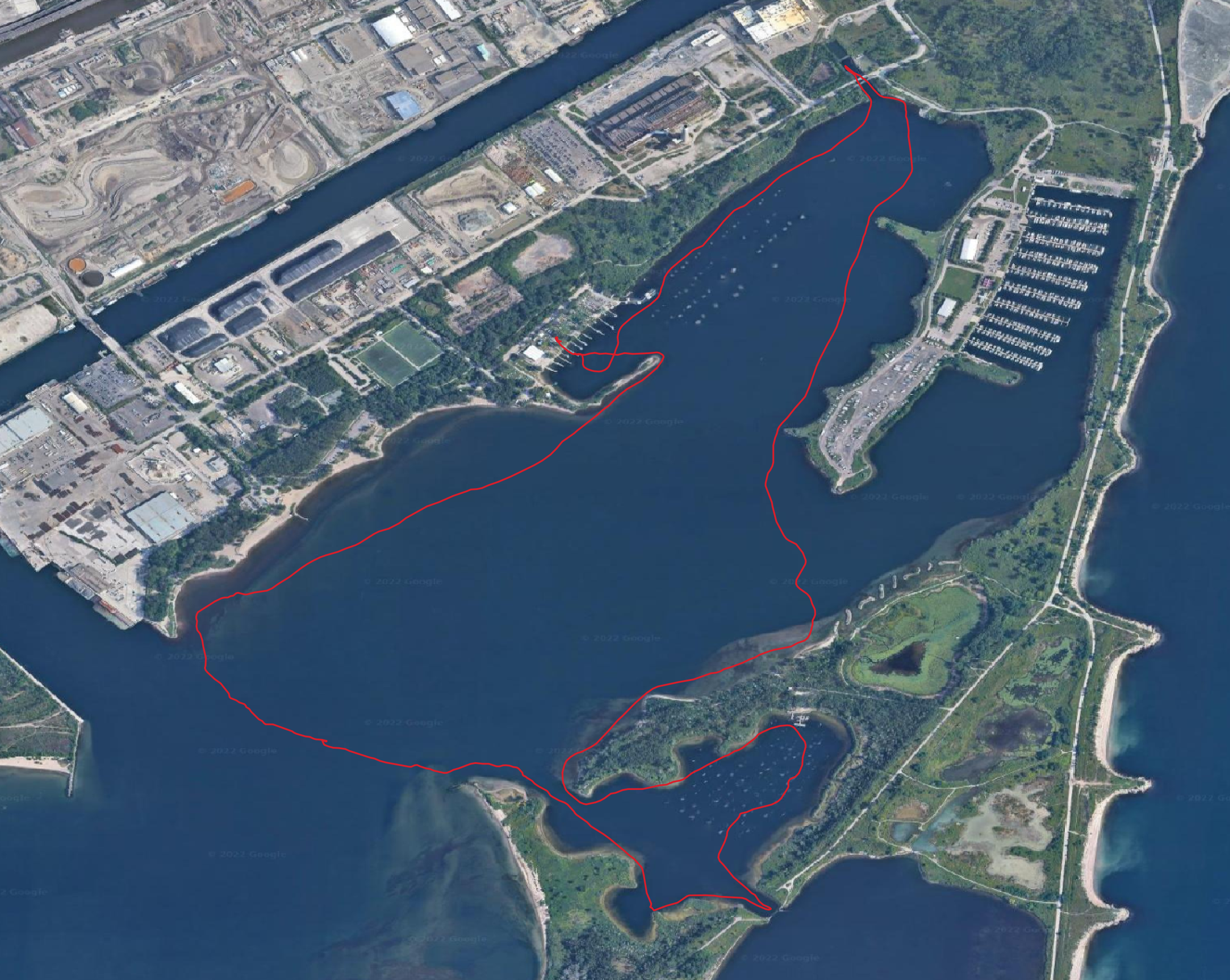
There are a lot of intriguing options for a longer trip: circling the small islands in the Toronto Islands which cannot be reached on foot; circumnavigating the whole islands set, as well as Tommy Thompson Park; and following the waterfront west as far as Humber Bay and a bit up the river to a boat club there, or east toward the RC Harris water treatment plant or the Scarborough Bluffs.
Years ago when I was still living on Markham Street and had time for semi-regular visits to the island, I considered getting an inflatable canoe since I lacked the means to store and transport a conventional one. Being able to borrow a canoe that is already on the lakefront is hugely better, and could be the basis for many peaceful paddles.
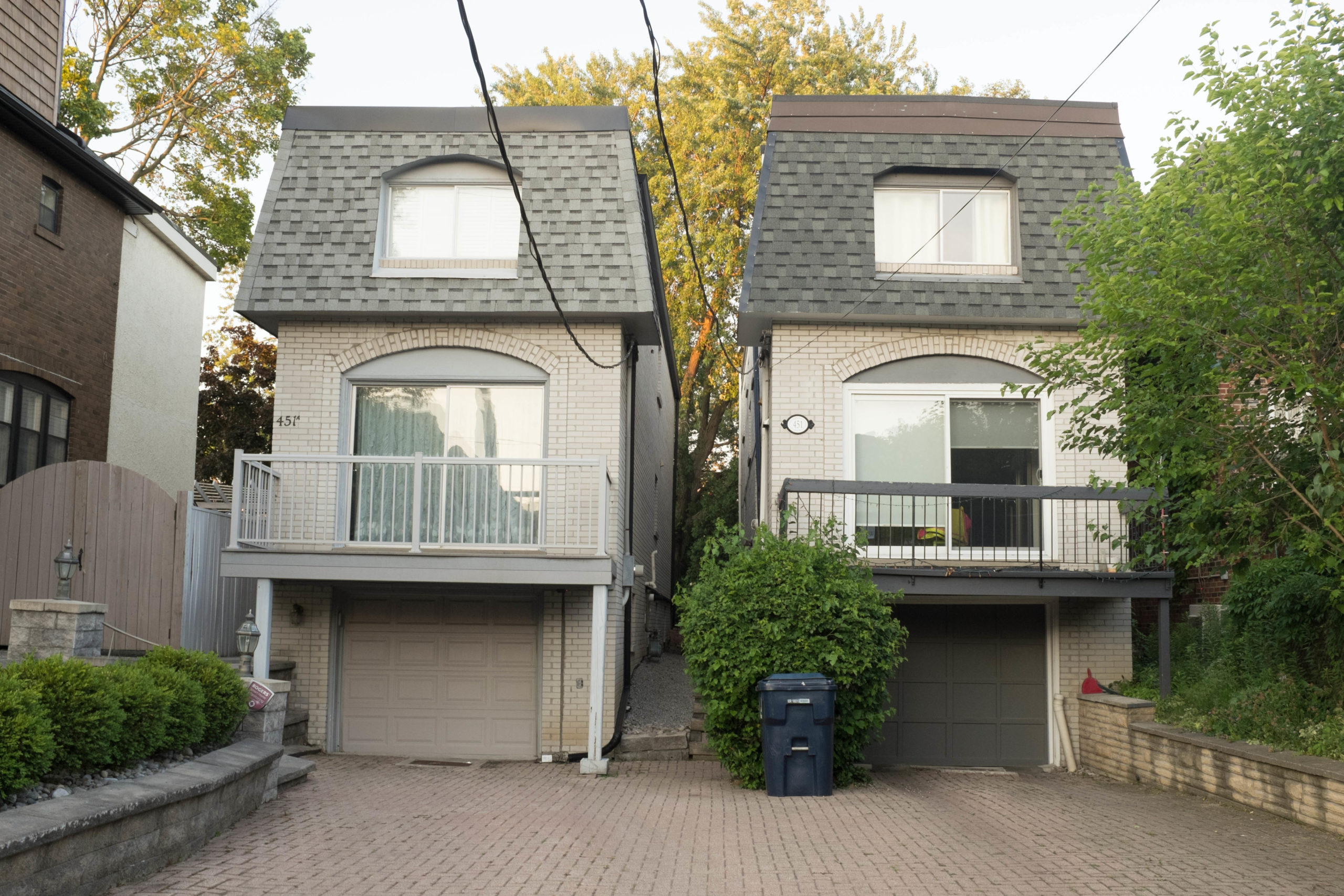
Two adjacent homes
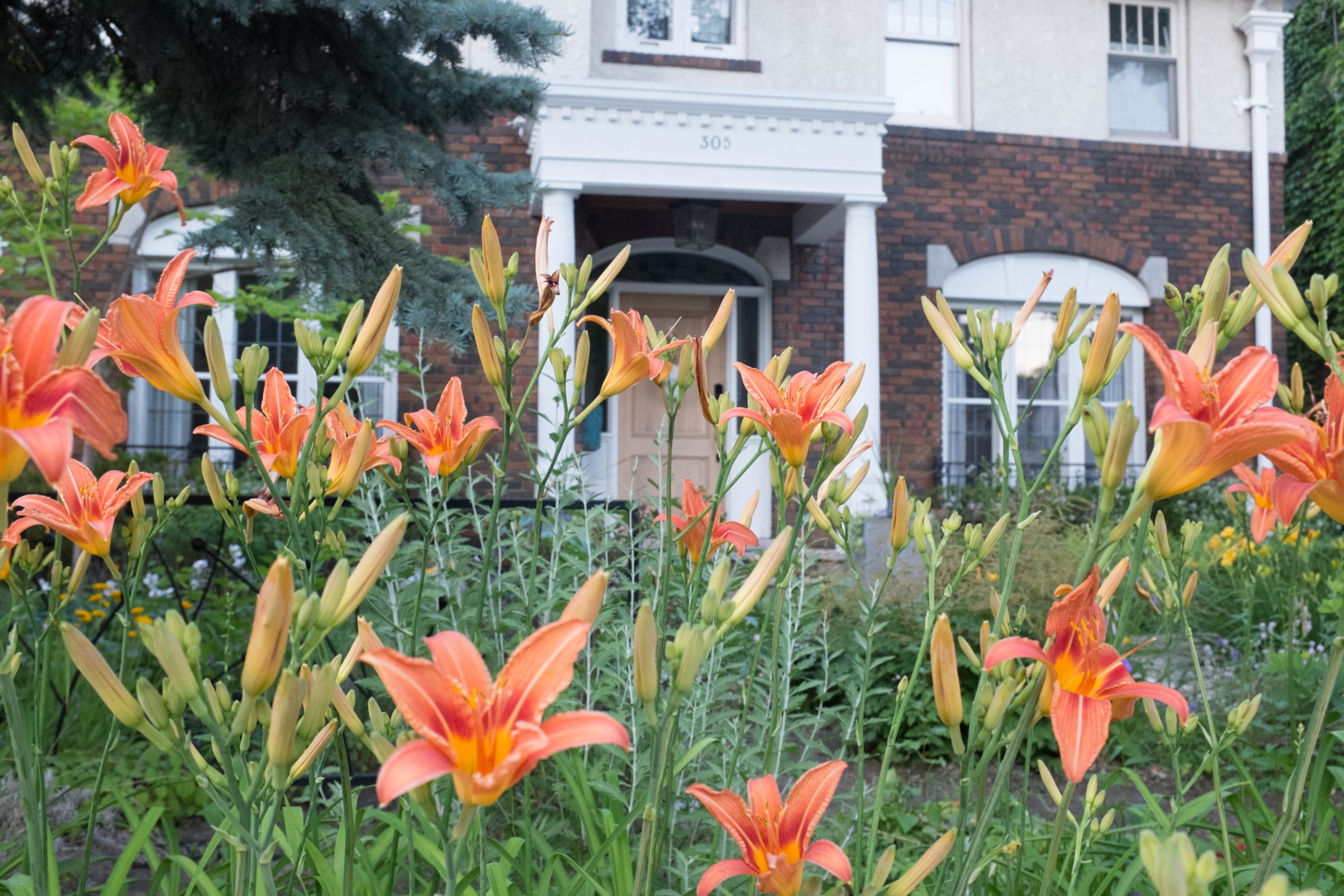
Flower bursts
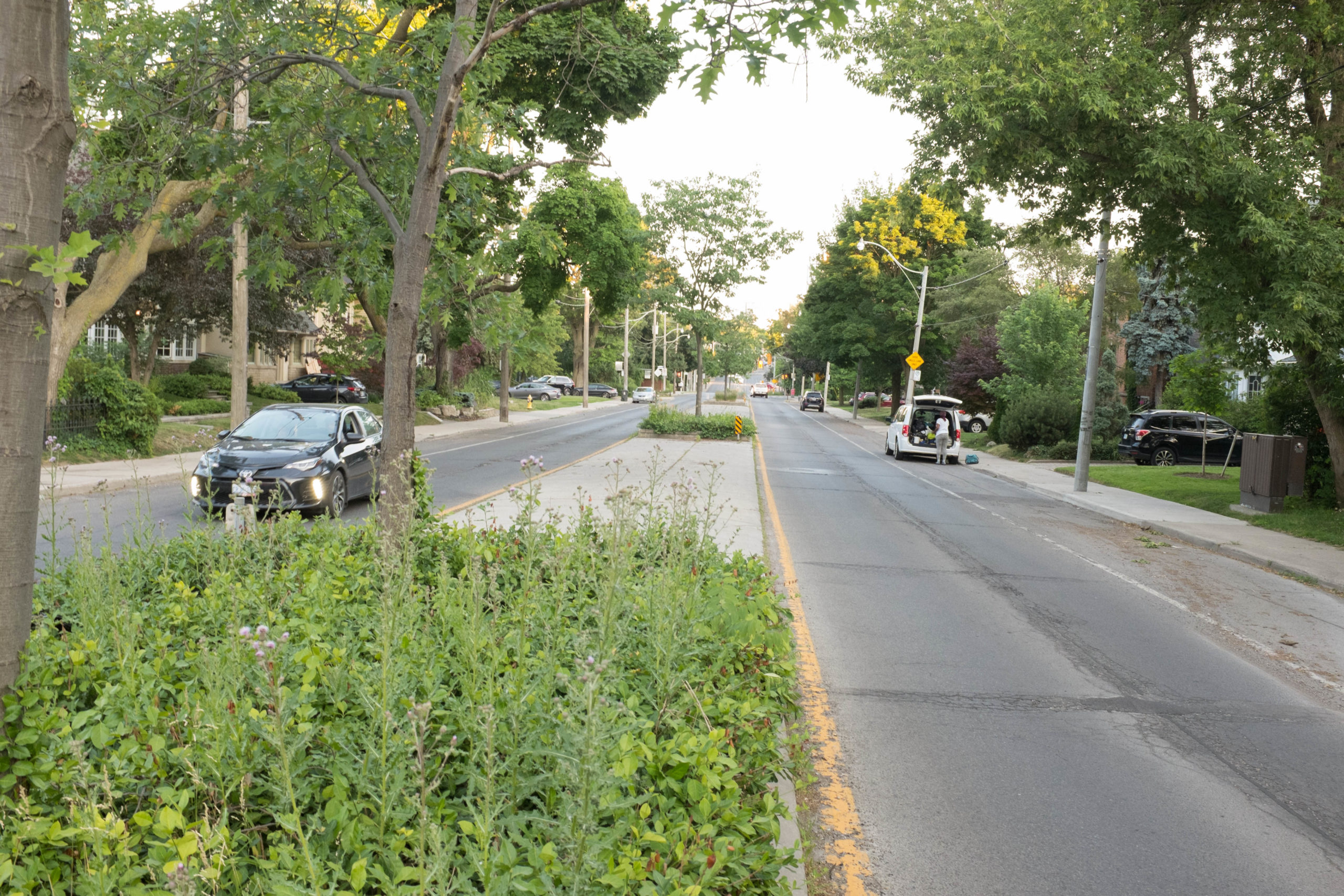
Green median
Do-or-die July
This is the do-or-die month for the dissertation. Either I will get a full manuscript to the internal external examiner in the next 30 days or the school of graduate studies will kick me out for taking too long.
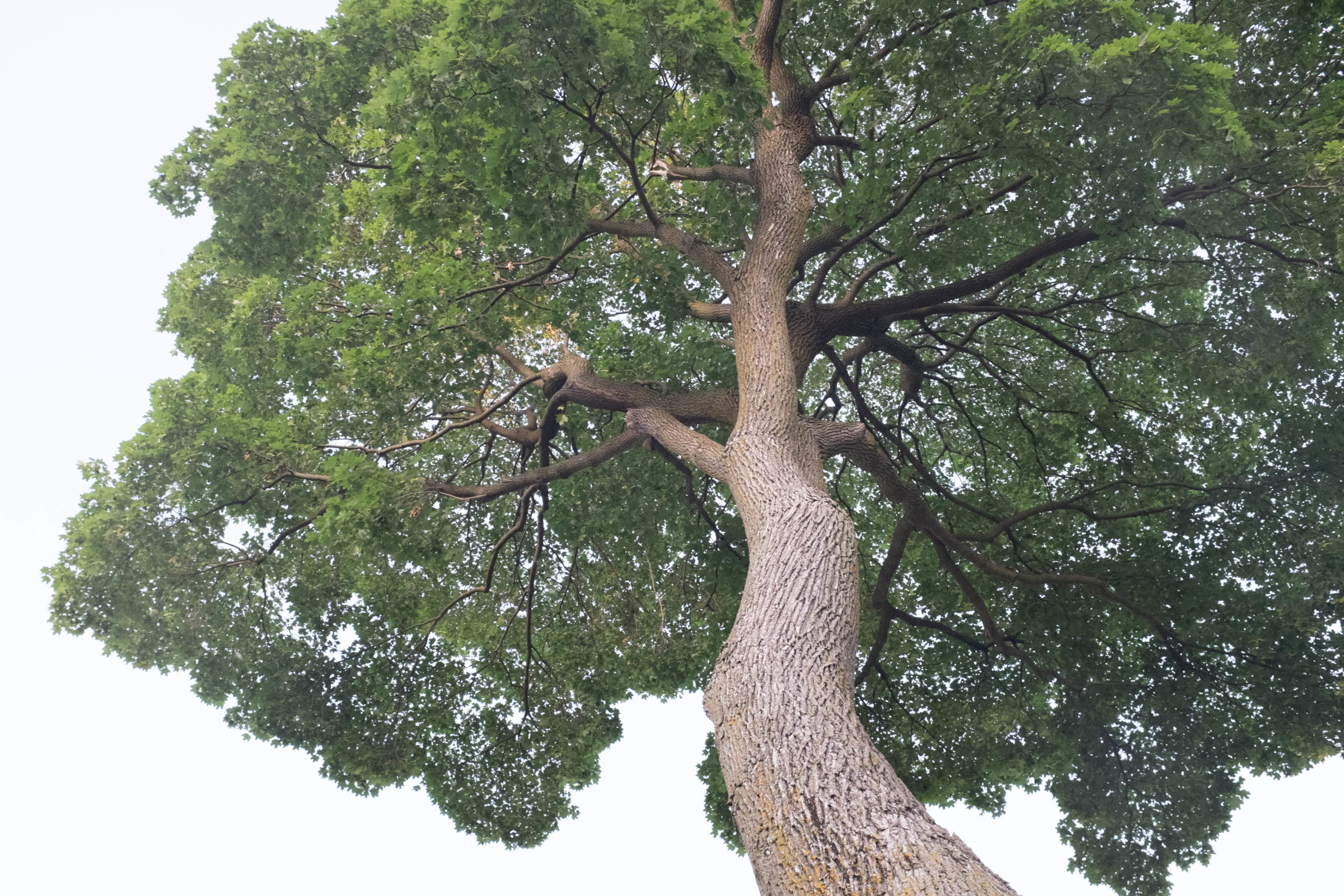
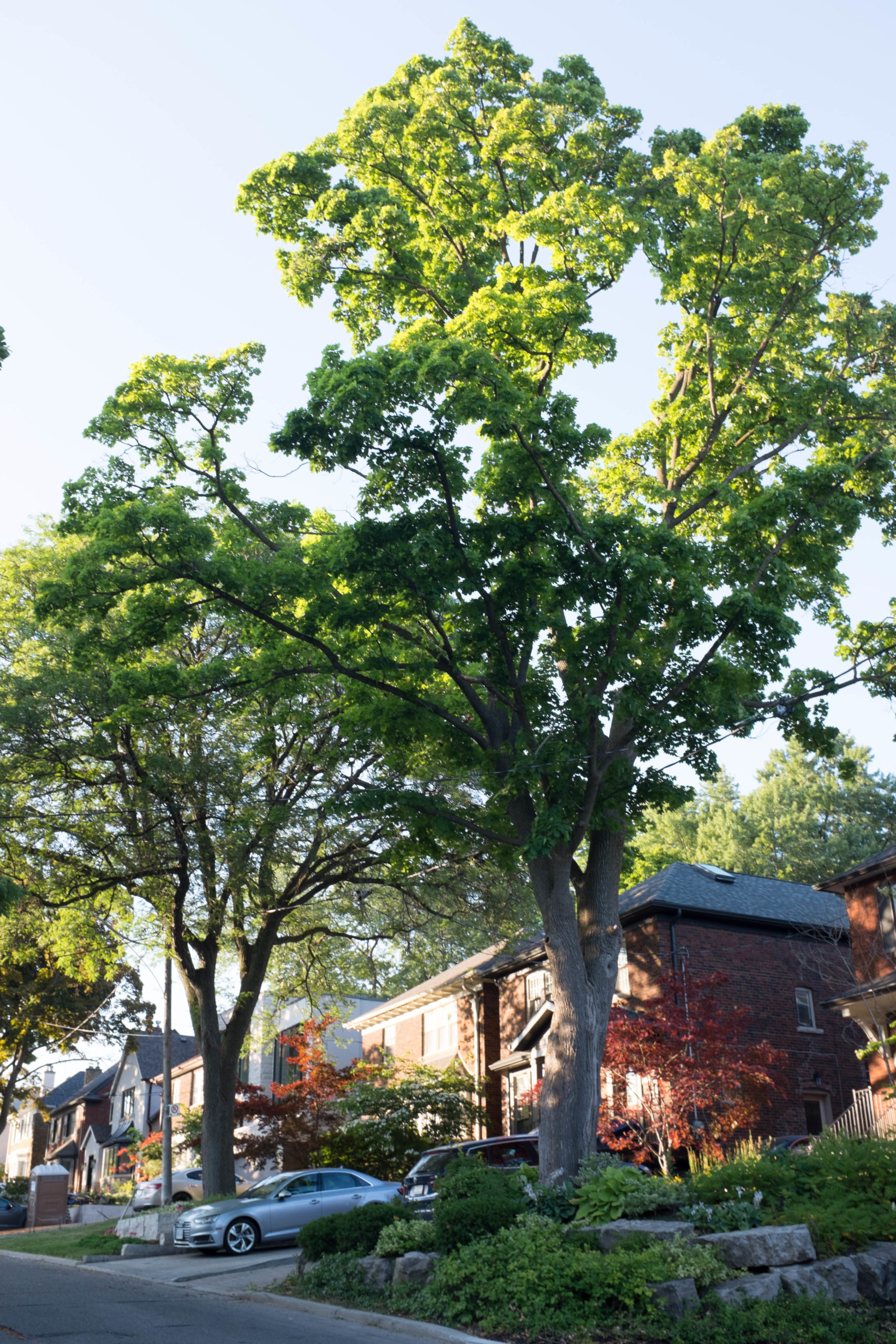
Towering tree
Open thread: long COVID
Researchers at Canada’s Western University have used an MRI technique to identify the physiological nature of long COVID:
What we saw on the MRI was that the transition of the oxygen into the red blood cells was depressed in these symptomatic patients who had had COVID-19, compared to healthy volunteers.
The topic is important both at the individual and societal level. For individuals, the potential severity of getting COVID is much worse given that a debilitating long-term condition can arise from it. For society, the presence and extent of long COVID mean that the total costs of the pandemic can still rise by a great deal.