
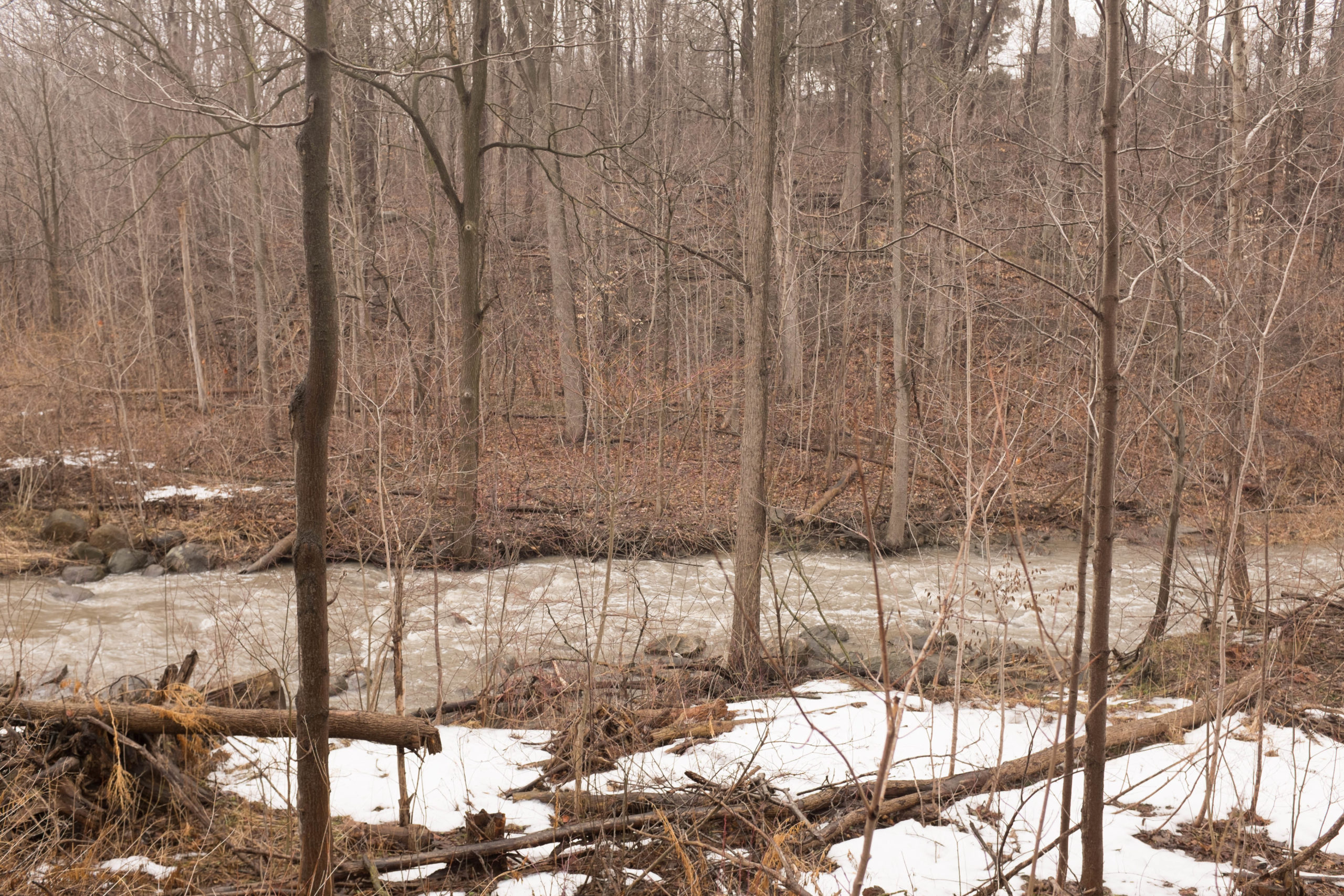
Black Creek near York 2/3
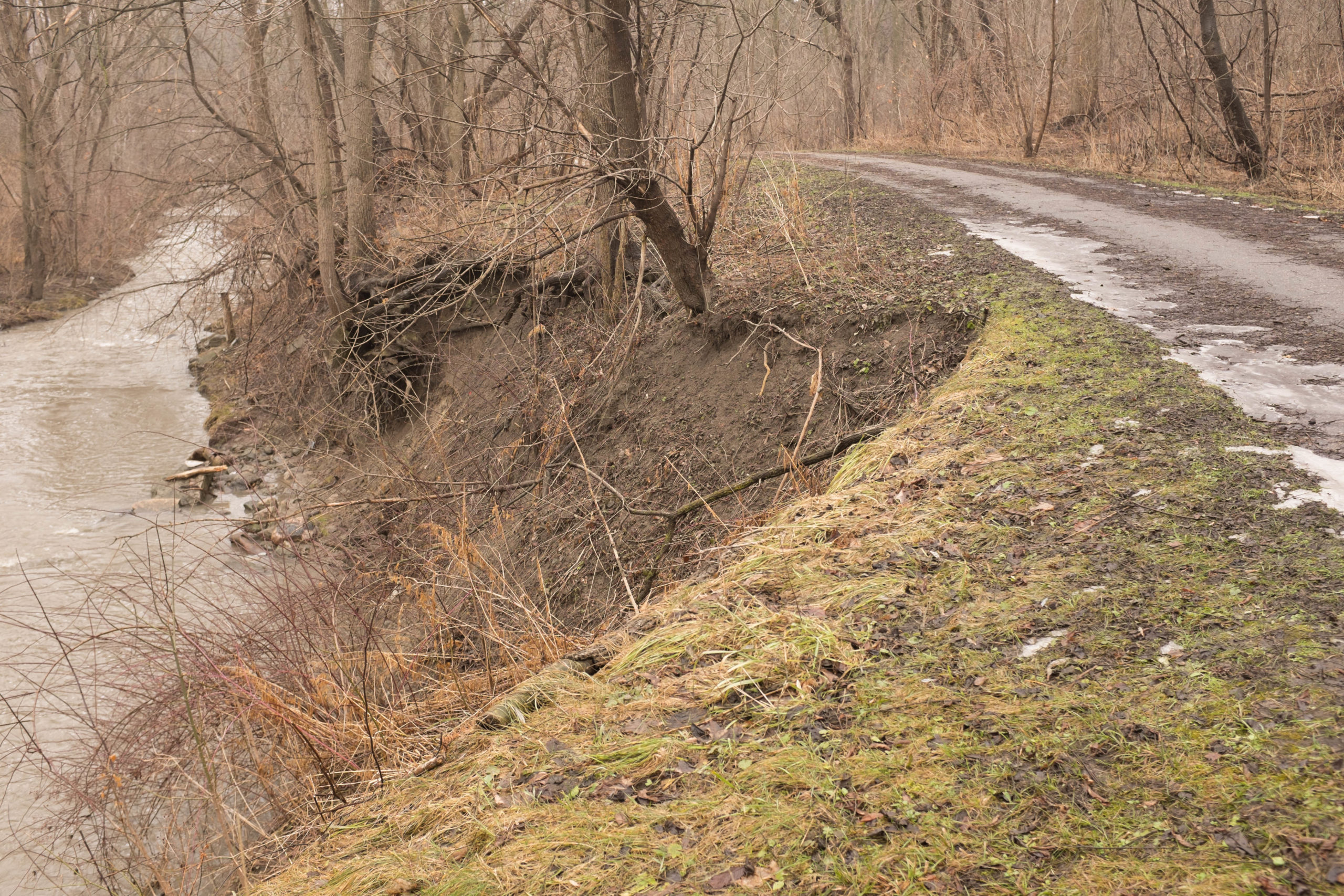
Black Creek near York 1/3
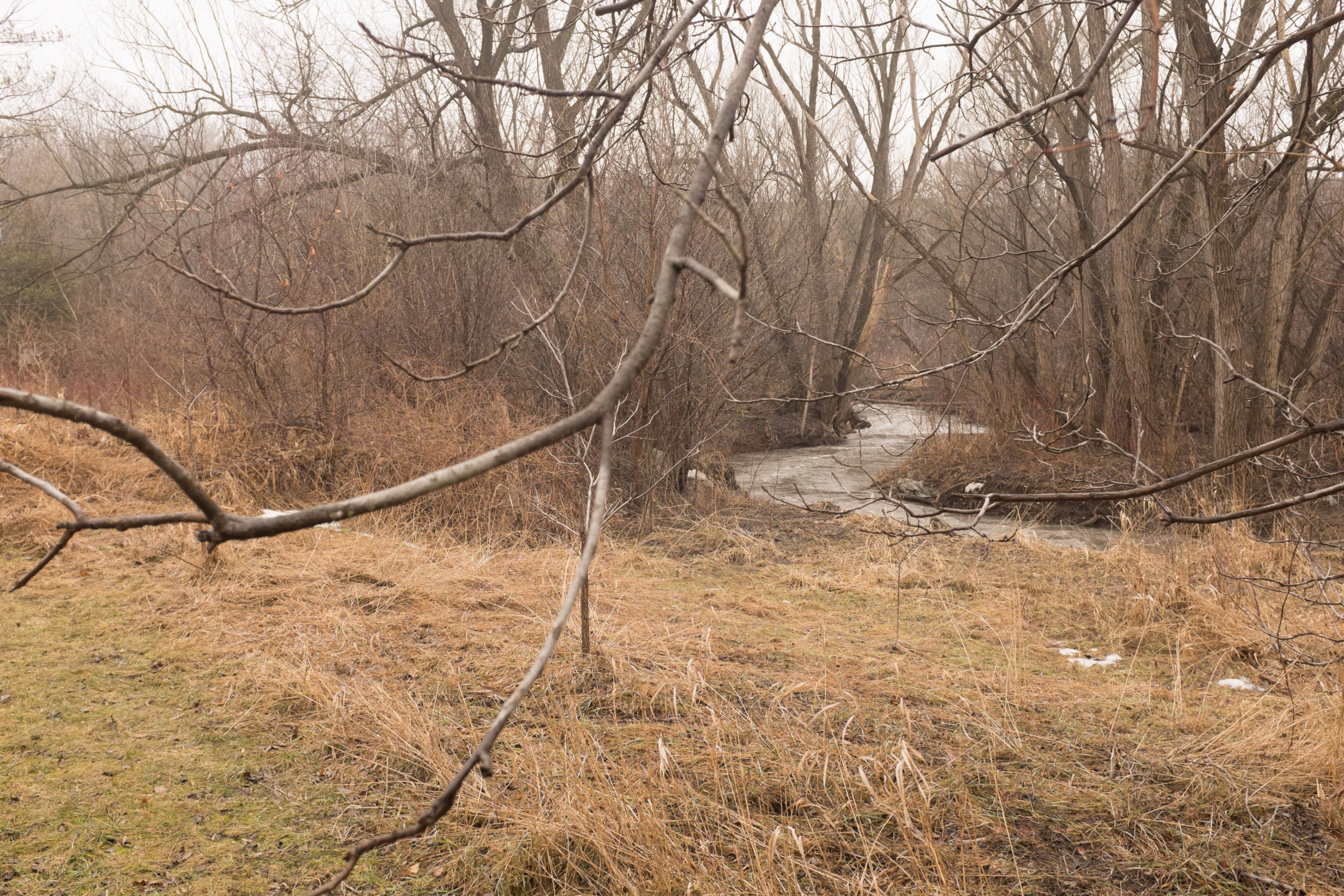
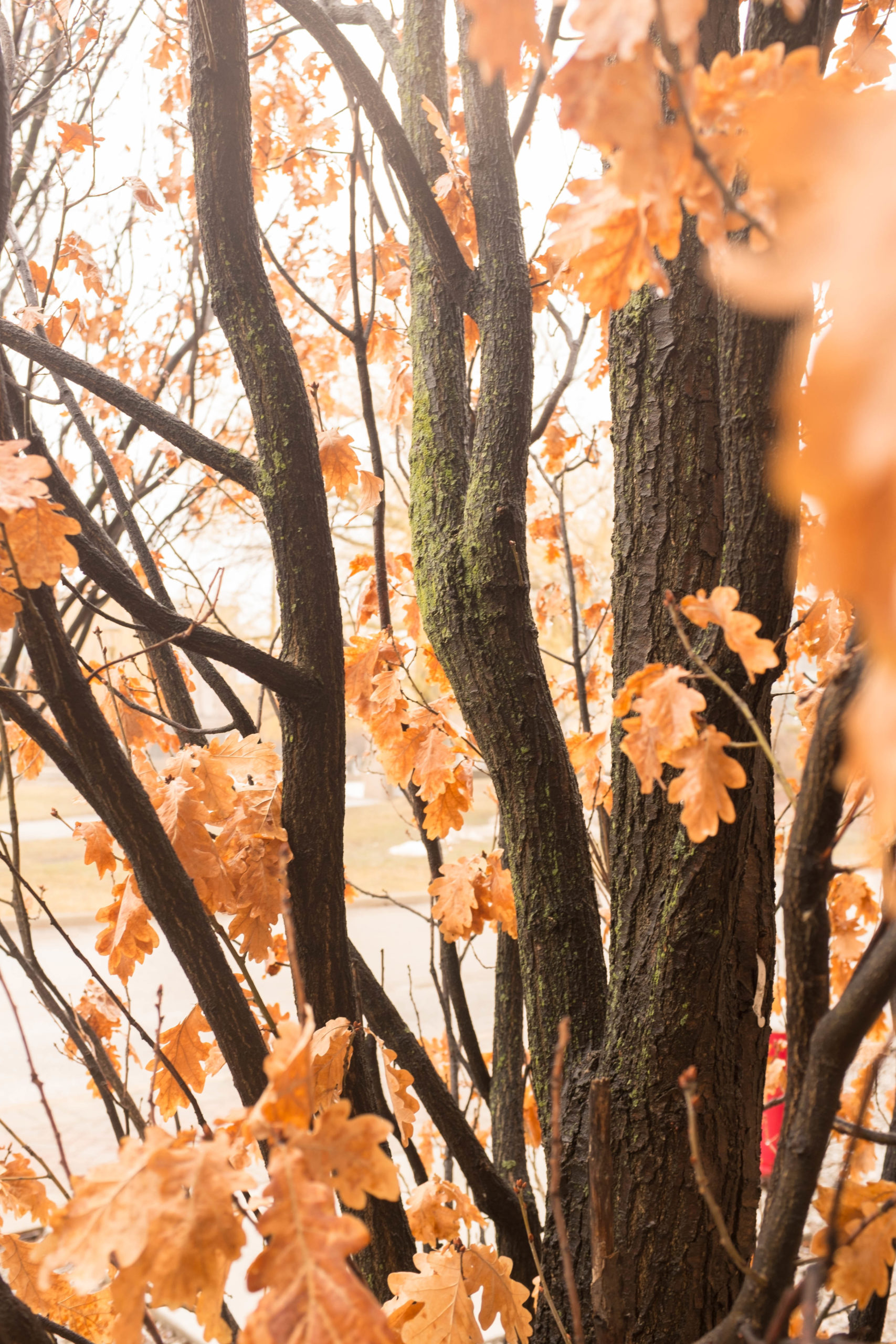
Tree at York
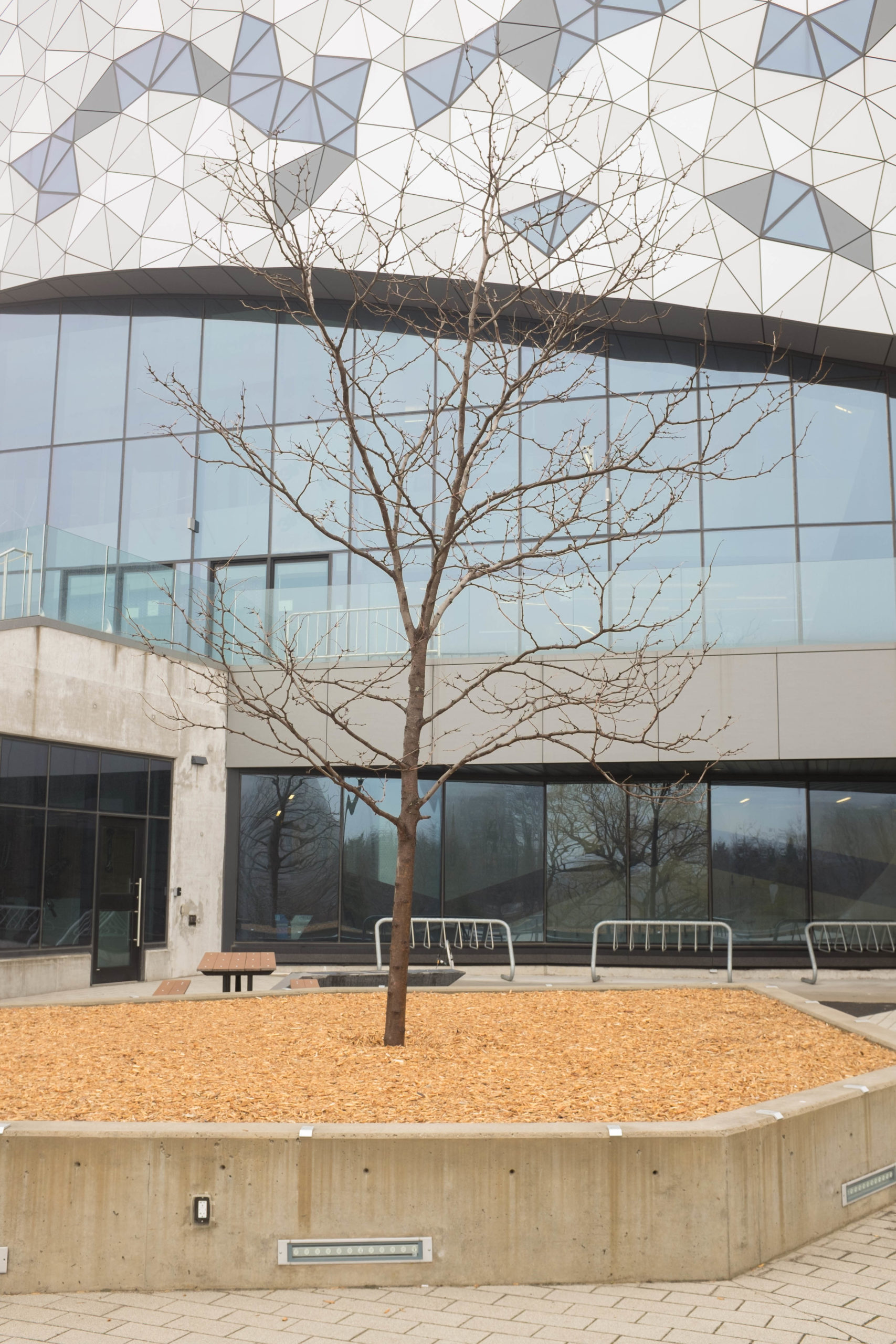
Brown leaves in the last days of winter
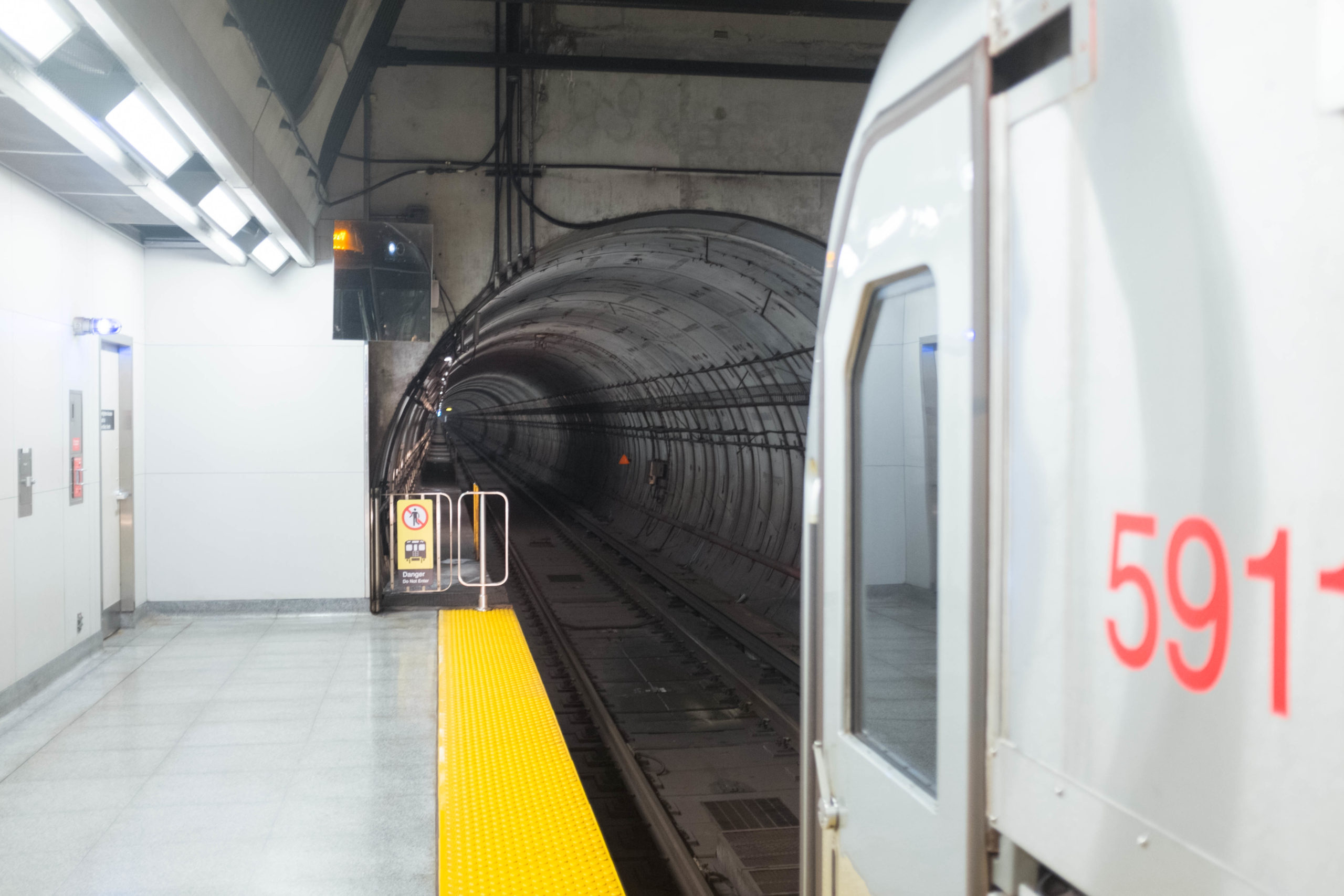
York University subway station
NATO honours Jean Chretien
In my first commercial gig in a while, I photographed a NATO Association event with former Prime Minister Jean Chretien.
Carleton University divesting
Carleton University has announced that they are following their neighbours at the University of Ottawa and committing to divesting their direct holdings in the fossil fuel industry.
Mishra on Rousseau
What makes Rousseau and his self-described ‘history of the human heart,’ so astonishingly germane and eerily resonant is that, unlike his fellow eighteenth-century writers, he described the quintessential inner experience of modernity for most people: the uprooted outsider in the commercial metropolis, aspiring for a place in it, and struggling with complex feelings of envy, fascination, revulsion and rejection.
He never ceased to speak out of his own intensely personal experience of fear, confusion, loneliness and loss — spiritual ordeals today experienced millions of times over around the world. Holderlin, one of Rousseau’s many distinguished German devotees, wrote in his ode to the Genovan, ‘You’ve heard and understood the strangers’ voice / Interpreted their soul.’ Rousseau connects easily with the strangers to modernity, who feel scorned and despised by its brilliant but apparently exclusive realm. His books were the biggest best-sellers of the eighteenth century, and we still return to them today because they explore dark emotions stirring in the hearts of strangers rather than the workings of abstract reason. They reveal human beings as subject to conflicting impulses rather than as rational individuals pursuing their self-interest.
Take for instance his epistolary novel Julie, ou La Nouvelle Heloise (1761), whose socially outcast protagonist Saint-Preux is exactly the author’s own age. He arrives in glittering Paris to find in it ‘many masks but no human faces.’ Everyone is tyrannized by the fear of other people’s opinion. The airs of politeness conceal a lack of fidelity and trust. Survival in the crowd seems guaranteed by conformity to the views and opinions of whichever sectarian group one belongs to. The elites engage meanwhile in their own factional battles and presume to think on behalf of everyone else. The general moral law is one of obedience and conformity to the rules of the rich and powerful. Such a society where social bonds are defined by a dependence on other people’s opinion and competitive private ambition is a place devoid of any possibility of individual freedom. It is a city of valets, ‘the most degraded of men’ whose sense of impotence breeds wickedness — in children, in servants, in writers and the nobility.
Mishra, Pankaj. Age of Anger: A History of the Present. Farrar, Straus and Giroux, 2017. p. 90-1
Russia’s threshold for nuclear weapon use
Christopher Chivvis has an article in The Guardian about the danger of escalation to the use of nuclear weapons in the Ukraine crisis:
There are possible other paths toward further escalation, but they all eventually lead toward the nuclear threshold. Scores of war games carried out by the United States and its allies in the wake of Russia’s 2014 invasion of Ukraine make it clear that Putin would probably use a nuclear weapon if he concludes that his regime is threatened. It is hard to know exactly what turn of events would scare him enough to cross the nuclear threshold. Certainly a large Nato army entering Russian territory would be enough. But what if events in Ukraine loosened his grip on power at home? Indeed, achieving regime change in Russia indirectly by making Putin lose in Ukraine seems to be the logic behind some of those who are pushing for escalation today.
Moving across the nuclear threshold wouldn’t necessarily mean an immediate, full-force nuclear exchange – in other words, global thermonuclear war. But it would be an extremely dangerous, watershed event in world history.
The nuclear option that has been most frequently discussed in the past few days involves Russia using a small nuclear weapon (a “non-strategic nuclear weapon”) against a specific military target in Ukraine. Such a strike might have a military purpose, such as destroying an airfield or other military target, but it would mainly be aimed at demonstrating the will to use nuclear weapons, or “escalating to de-escalate”, and scaring the west into backing down.
Some analysts have questioned Russia’s ability to actually carry out such an operation, given its lack of practice. Unfortunately, this isn’t the only or even the most likely option available to the Kremlin. Based on war games I ran in the wake of Putin’s 2014 invasion, a more likely option would be a sudden nuclear test or a high-altitude nuclear detonation that damages the electrical grid over a major Ukrainian or even Nato city. Think of an explosion that makes the lights go out over Oslo.
Those war games indicated that the best US response to this kind of attack would be first to demonstrate US resolve with a response in kind, aimed at a target of similar value, followed by restraint and diplomatic efforts to de-escalate. In most games, Russia still responds with a second nuclear attack, but in the games that go “well”, the United States and Russia manage to de-escalate after that, although only in circumstances where both sides have clear political off-ramps and lines of communication between Moscow and Washington have remained open. In all the other games, the world is basically destroyed.
The more elevated the crisis, the greater the risks of misunderstandings and panicked decisions.