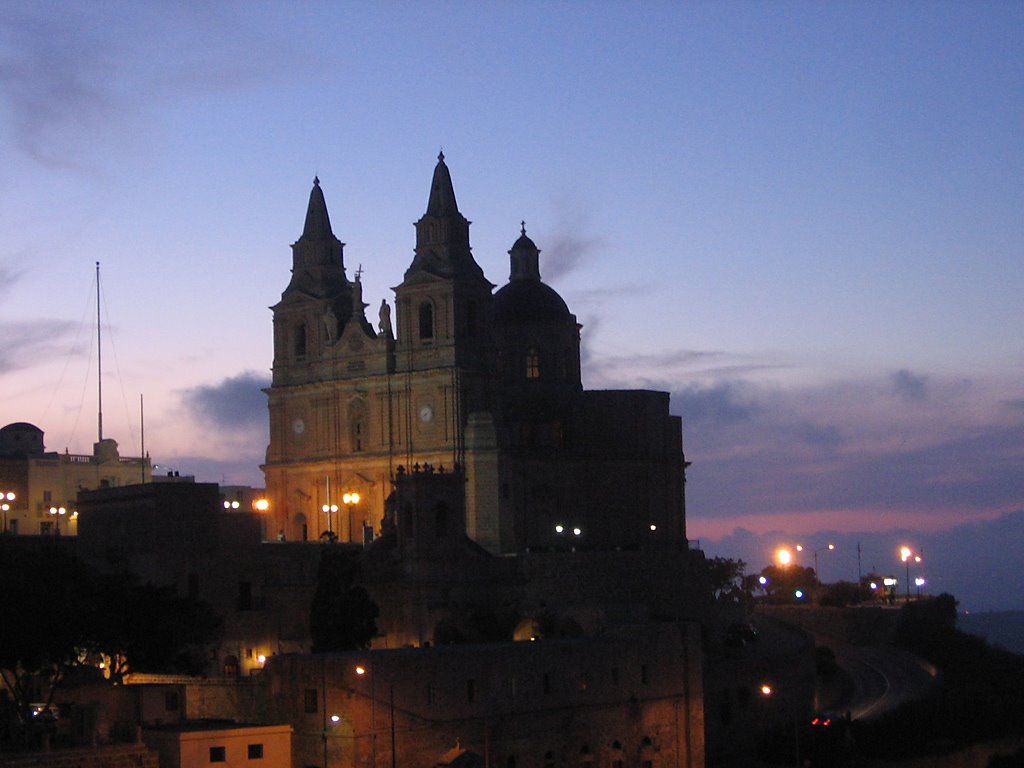
Today’s expedition was to Gozo: the second largest island in Malta, reached by means of a twenty minute ferry ride. Like the island of Malta, Gozo is speckled with churches of a distinctive architectural style, each of which serves as the most visible component of the towns of golden-yellow stone that dot the coastlines and hilltops.
Unlike previous days, our Gozo tour happened primarily by minibus. This allowed us to see what seemed to be a good cross section of the island’s attractions, and left our legs feeling strangely fresh at the end of the day. We saw a number of churches, the citadel, and a remarkable natural feature on the coastline called the Azure Window. I will make sure to post some images of it once I return to Oxford. It consists of a pillar connected to the land by a flat slab. Beneath it, the surprisingly violent waters of the Mediterranean churn.
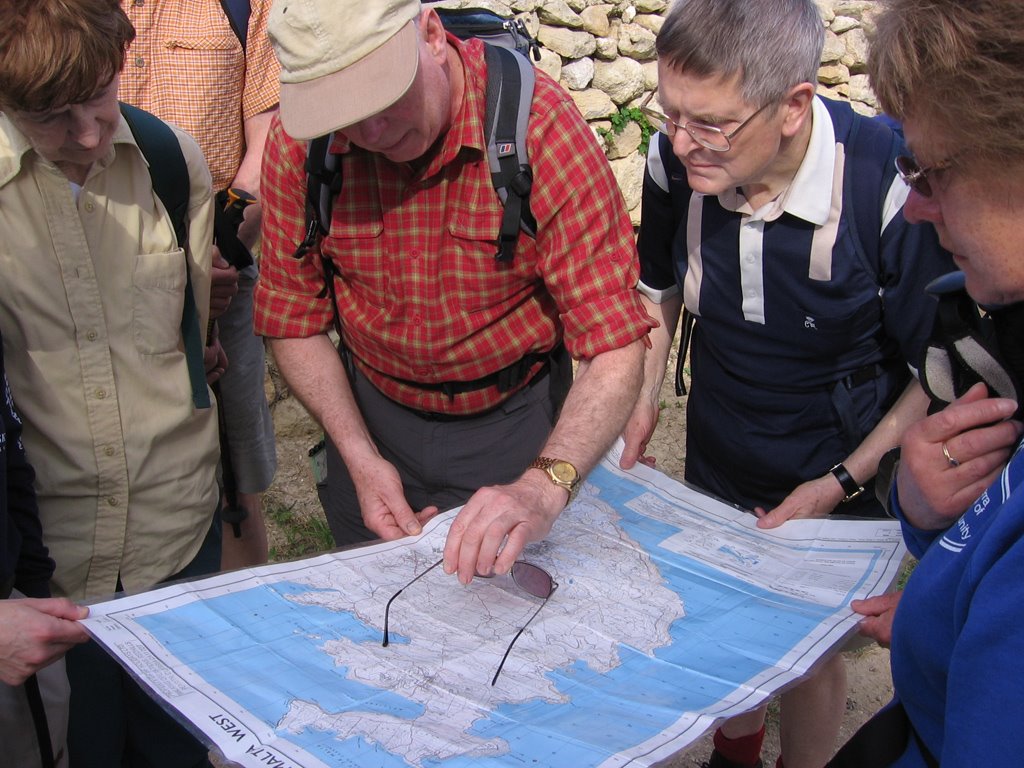
The tour group format of this whole trip is quite unfamiliar to me. I am learning that it definitely has advantages: primarily insofar as housing and transport are arranged. Never having to mess about learning how to get places and waiting for buses really increases what you can see over a period of time. There is also value in being able to converse with relative strangers who you will nonetheless see again and again over the course of the week. I tend to work my way to the front of the column of walkers, pause to take a photo or two, and end up at the back again. This gives me a regular rotation through the ranks of our fellow travellers.
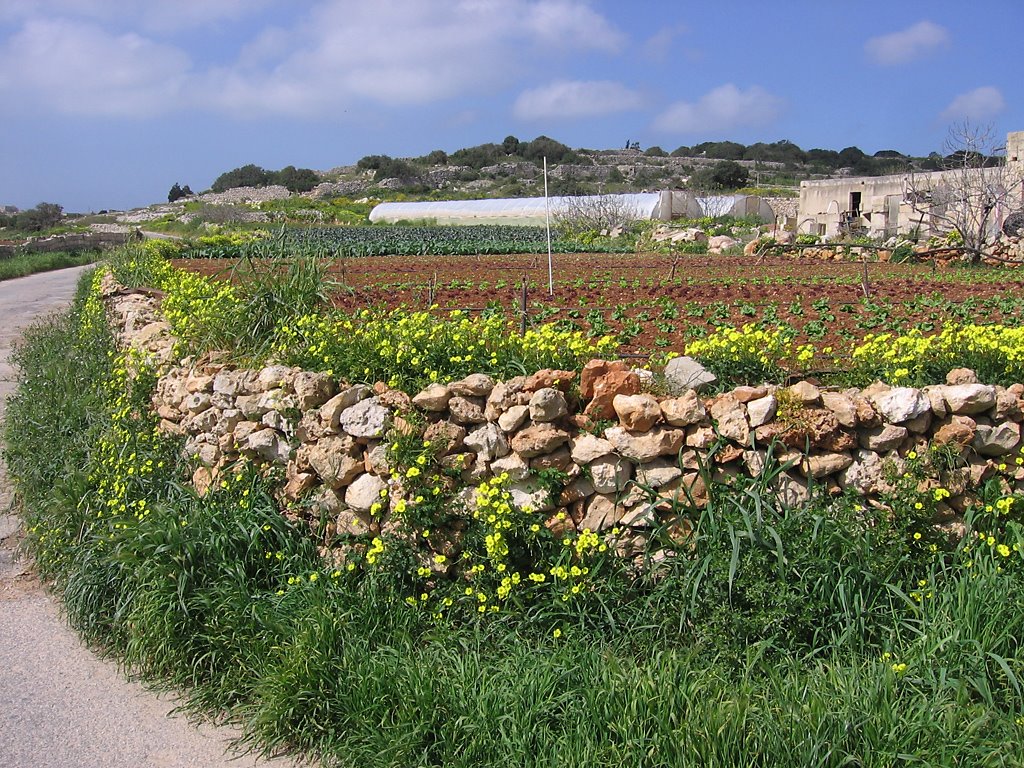
March may be the ideal time to visit Malta. The attractions of the place – like those of Italy – are split between the aesthetic and the historical. It has certainly been very sunny here, though not nearly so warm as July or August threaten to be. As such, we’ve been reasonably comfortable walking the terraced hills: looking at the cacti and lizards, as well as stopping regularly at the innumerable cafes. Malta certainly has more to it than you expect of a sun-and-sand style destination, and it’s certainly helpful that absolutely everyone seems to speak good English.
I dispatched a second wave of postcards today. Unfortunately, I forgot that the only copy I have of most people’s addresses is the one in my iPod – which I decided at the last minute to leave in Oxford. Thankfully, to send cards to people in Oxford requires only memory of which college they are at. I will also send postcards to as many people as possible who emailed me their addresses when I was in Estonia. With 81 emails in my inbox (as well as more than 200 automatically marked as spam) and the internet expensive and frustrating to use in the hotel, new contributions are not being solicited at this time.
The next two days are the last real touring days. Each is meant to involve a fairly long walk, which I am keen on after a day with relatively little exercise in it. I am onto my third roll of film (the second roll of T-Max 400, with another roll of HD400 untouched) and I’ve filled half of the 512MB memory card in my camera. Obviously, only a fraction of those shots will ultimately be good enough to post, but I am already looking forward to picking out the best (and removing the irksome fungus blotches from the digital shots). Mostly, the photos have been of the landscapes, though anything distant tends to be obscured by haze. I’ve also been chasing around some of the local wildlife. The birds in tiny cages that the hunters use as lures are easy enough to snap a photo of, though the result is as depressing as you would expect.
One thing that I miss about self-directed travel is the freedom to choose where you eat. The simple lunches of cheese, bread, and tomatoes that my mother and I have been eating are probably tastier, and certainly better value, than the hotel meals, which are fairly generic and not very vegetarian friendly. It’s certainly decent fare, but obviously geared towards meat eating Brits who are not very adventurous.
My return to Oxford will probably be late on the night of April 1st, after I see The Producers in London with my mother. Anyone who is burning with anticipation for an email response or a photo posted to the blog had best find something else to occupy their attention until then.