Menagerie of books in progress

Merton College archway

On the mantlepiece in my room, there are presently two stacks of books. One is for thesis related books, sorted so as to be least likely to topple and crush me in my sleep. The other is for non-thesis books, sorted by the priority with which I mean to read them. I have read at least fifty pages of every book in each pile.

Thesis pile:

  • Kuhn, Thomas. The Structure of Scientific Revolutions.
  • Dobson, Andrew. Political Theory and the Ecological Challenge.
  • Popper, Karl. Conjectures and Refutations.
  • Popper, Karl. The Logic of Scientific Discovery.
  • Lomborg, Bjorn. The Skeptical Environmentalist. (Being selectively re-read)
  • Fenge, Terry. Northern Lights Against POPs.
  • Clapp, Jenniffer. Paths to a Green World. (Another purposeful re-reading)

Non-thesis pile:

  • Nabokov, Vladamir. Ada, or Ardor. (A much appreciated gift from Viki K.)
  • Atwood, Margaret. Moral Disorder. (From my mother)
  • Wilde, Oscar. De Profundis and other writings.
  • Hardy, Thomas. Far From the Madding Crowd.
  • Milton, John. Paradise Lost. (Re-reading aloud)
  • Cunningham, Michael. Specimen Days.

I have been reading these books for periods ranging from two days to many months. Sometimes, I wonder whether it would be more sensible to read books sequentially, one by one. I don’t really think so. This system lets me read in any of a half dozen distinctive genres or subject areas, and I don’t think I lose much comprehension on account of tracking so many strings at once. (Complex novels are an exception. I often need to force myself to start over and read through. This may be why I have never finished Rushdie’s The Satanic Verses, despite at least four attempts.).
At the cusp of Hilary

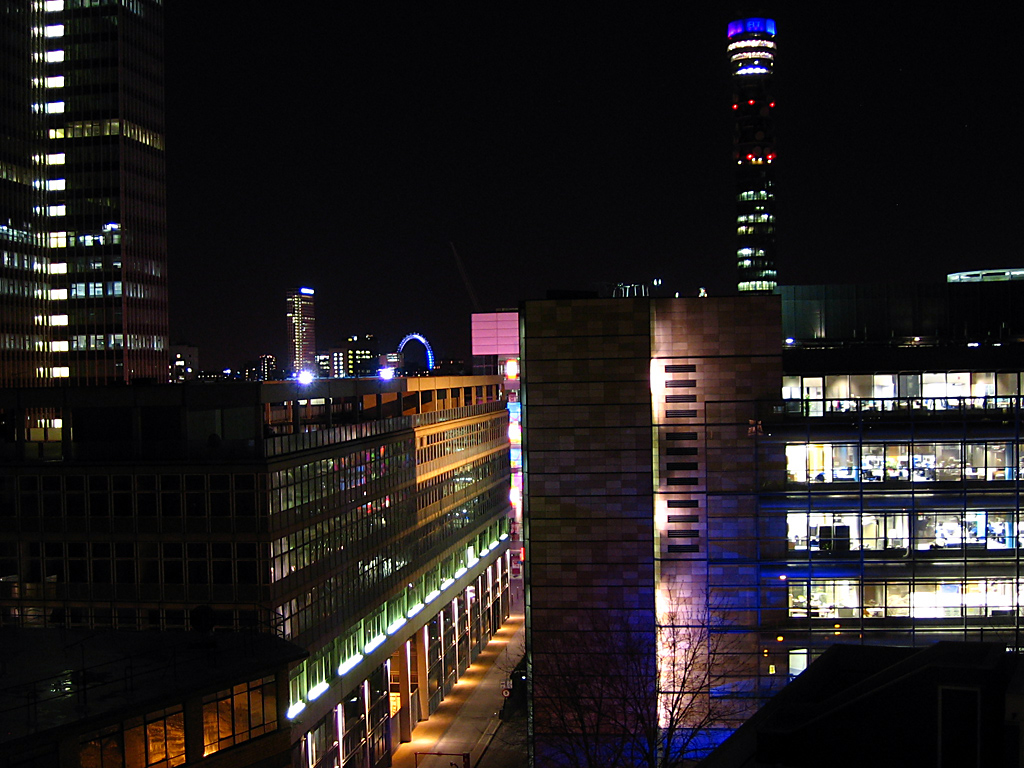
Term starts tomorrow, so today was spent preparing: reducing the level of chaos in my room (discovering some very old, half-completed paperwork in the process), acquiring reading materials related to my international law course next term, and generally making ready for the eight weeks ahead.

Monday, I have a ‘collection’ with the Warden, in which I am to convince him that I am upholding academic standards and otherwise being a proper grad student. I have heard of other colleges holding these, but Wadham did not last year. At a whopping five minutes, I think I will be able to survive the onslaught.

At 9:00am on Tuesday, there is the first of the lectures on Pullman’s His Dark Materials Trilogy; this, I shall make an effort to attend, if only to try and recalibrate my brain to termish schedules. In the evening, I have the Wadham Sustainability Forum, which I know very little about but was invited to by someone especially interesting. Then, we have the first OUSSG meeting (which I still need to publish additional details about on the website).

Wednesday morning, I have my first International Law seminar. The rest of the week will be filled out with lectures, law readings, and thesis work. Hopefully, the structured days that accompany term-time will create more definite spaces in which progress can be made.

PS. Recent revelations have made the iPhone (discussed before) not at all interesting. Apple is not allowing third party applications, and the thing doesn’t really run OS X. I saw it as more exciting as a platform for clever hacks than as a device in itself. While these restrictions will probably be circumvented, they show that Apple wants to issue a shiny toy that will make Cingular masses of money, rather than a genuinely revolutionary mobile communication device.

Black and white Turkey photos II

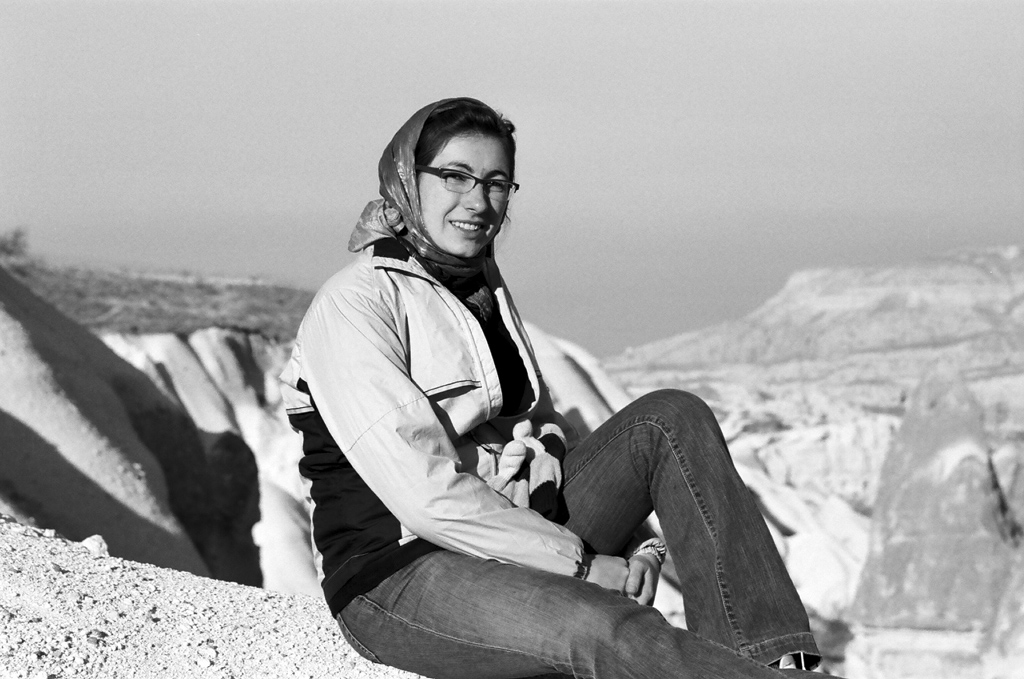
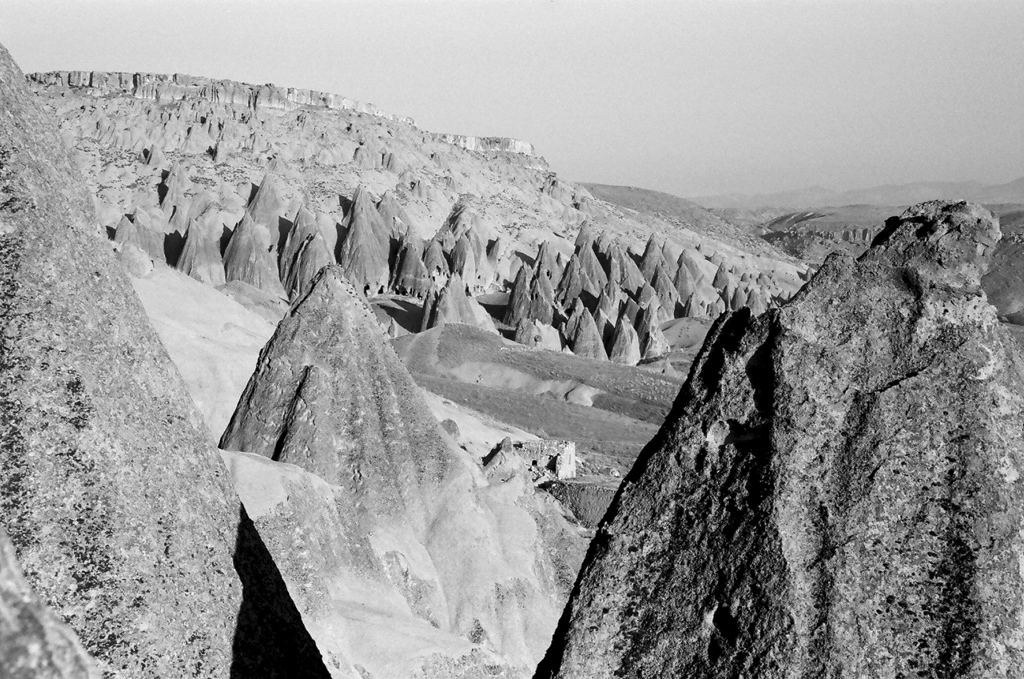
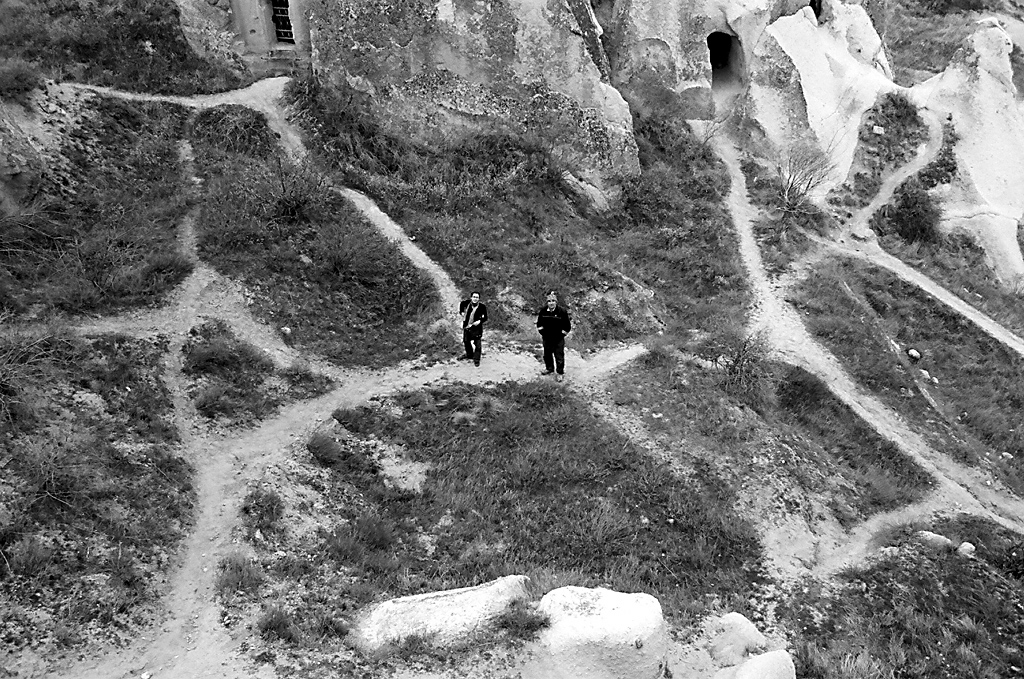
Here are a few more of the scanned black and white photos from Turkey. I have started posting the best ones on Photo.net, but the copies available here are larger.

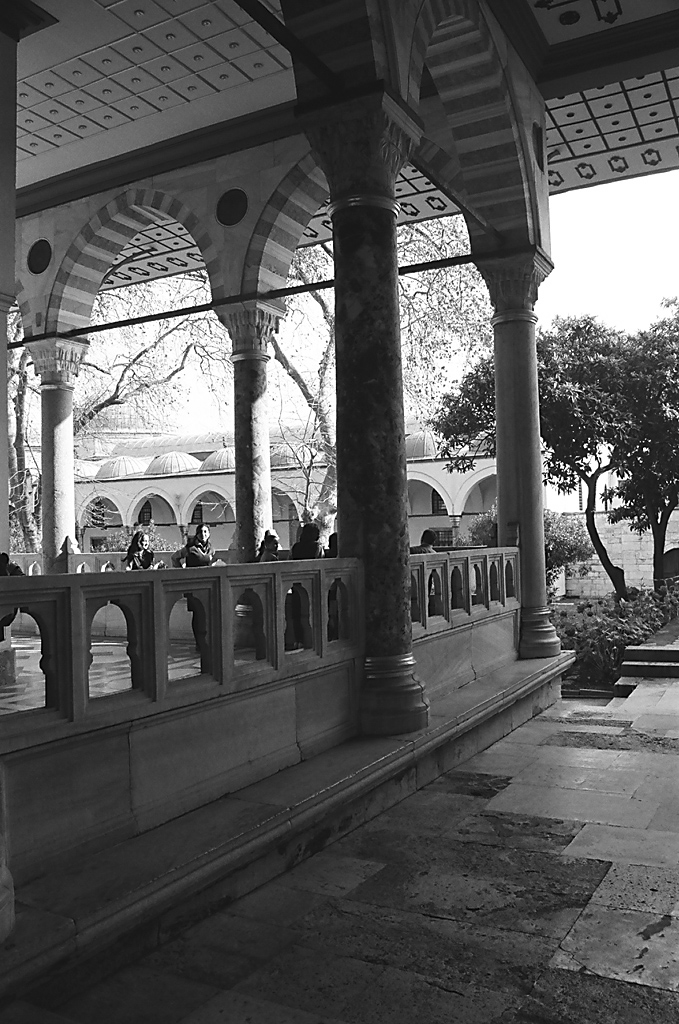
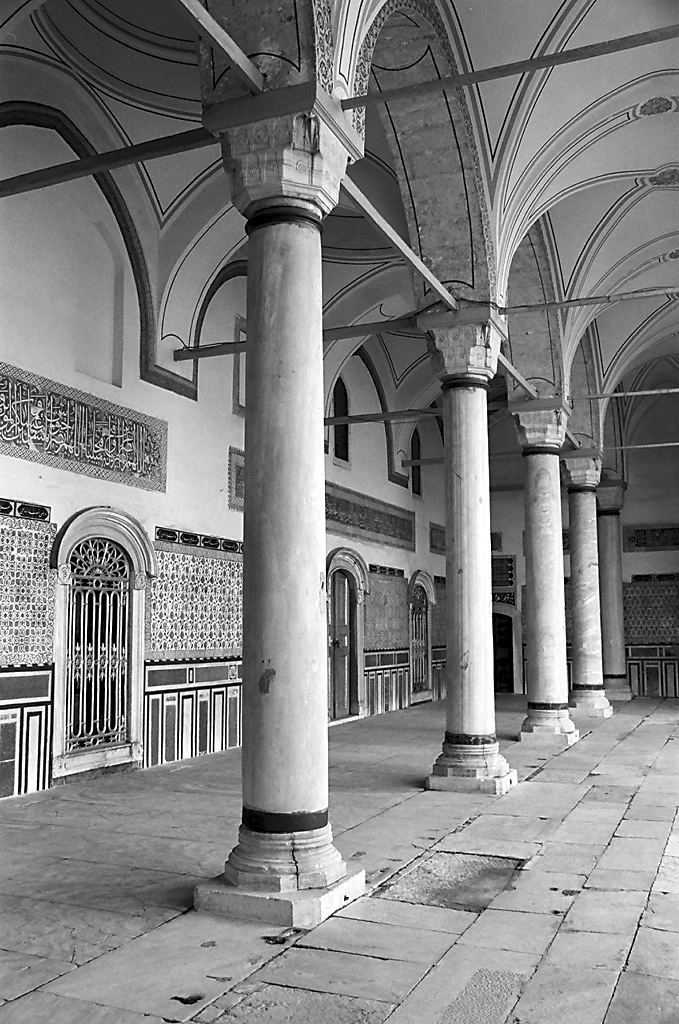
Topkapi palace second courtyard

Topkapi palace second courtyard.

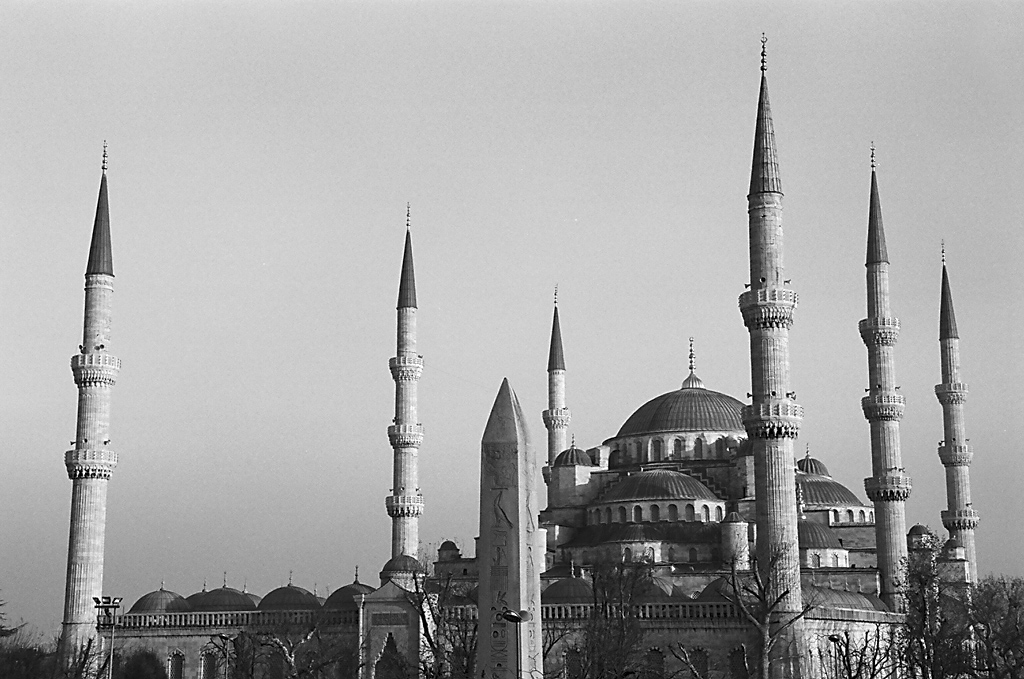
Blue Mosque

One more shot of the Blue Mosque, what an elegant structure.

Ship on the Bosporus

Ship on the Bosporus.

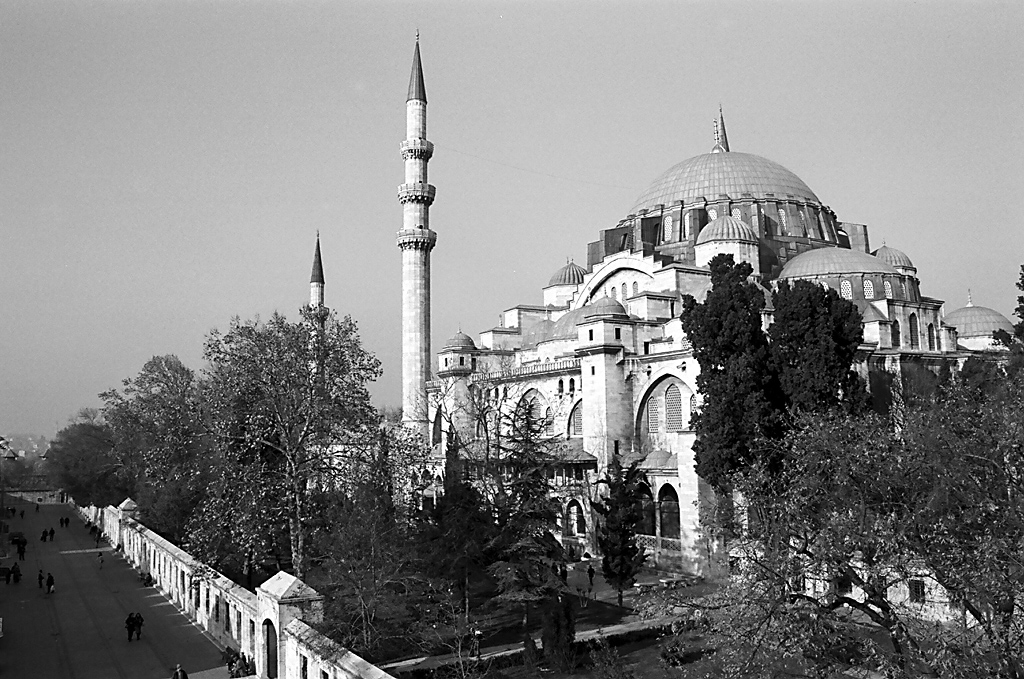
Suleymaniye Mosque

Suleymaniye Mosque.

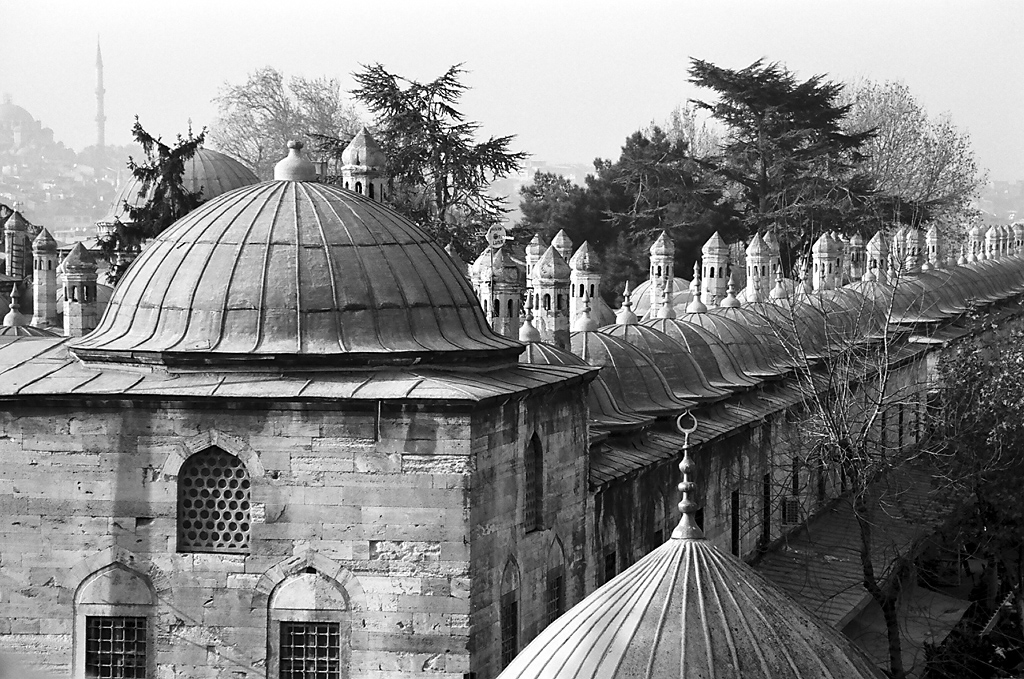
Domes outside a mosque

Domes outside a mosque.

Document incompatibilities

The members of the M.Phil in International Relations programs have collectively embraced Macintosh computers. The only machines you ever see during our seminars are MacBooks, Powerbooks, and my lonely iBook. At the same time, Microsoft Word has generally been embraced by the academic community. I get about half a dozen Microsoft Word attachments from fellow students, instructors, and mailing lists every day. Every academic journal with which I have had experience (both editing and submitting) has used MS Word as their normal document type.

As such, the following error is especially infuriating. If you add images to a Microsoft Word document being produced on a Mac (in this case, a Venn diagram for my failed states paper), it will may load in Word for Windows with the following error:

QuickTime and a TIFF (LZW) decompressor are needed to see this picture.

First off, shame on Microsoft for not making documents from two pieces of their own software properly interchangeable. Secondly, shame on Apple. They say that Macs are machines for use in serious professional environments, and yet problems like this exist in the single most essential piece of professional software. This, and some other weird incompatibilities relating to fonts and formatting, make me a bit nervous about writing my thesis on a Mac, to be taken to a print shop that will almost certainly be using Windows machines.

People will say to switch to OpenOffice, but that is like replacing your car with a buggy because you don’t like the controls on the stereo. OpenOffice, like Linux, simply isn’t worth the bother in a world where everyone is using a near-ubiquitous alternative.

On a semi-related note, I am strongly considering using a non-standard font for the thesis (either Bembo or Perpetua, perhaps). Is it possible to have a document printed in a font that isn’t particularly standard, or will I get back something switched over to something generic but similar? If you turn a document using a non-standard font into a PDF, can people who do not have that font view and print it properly?

Web 2.0 wandering

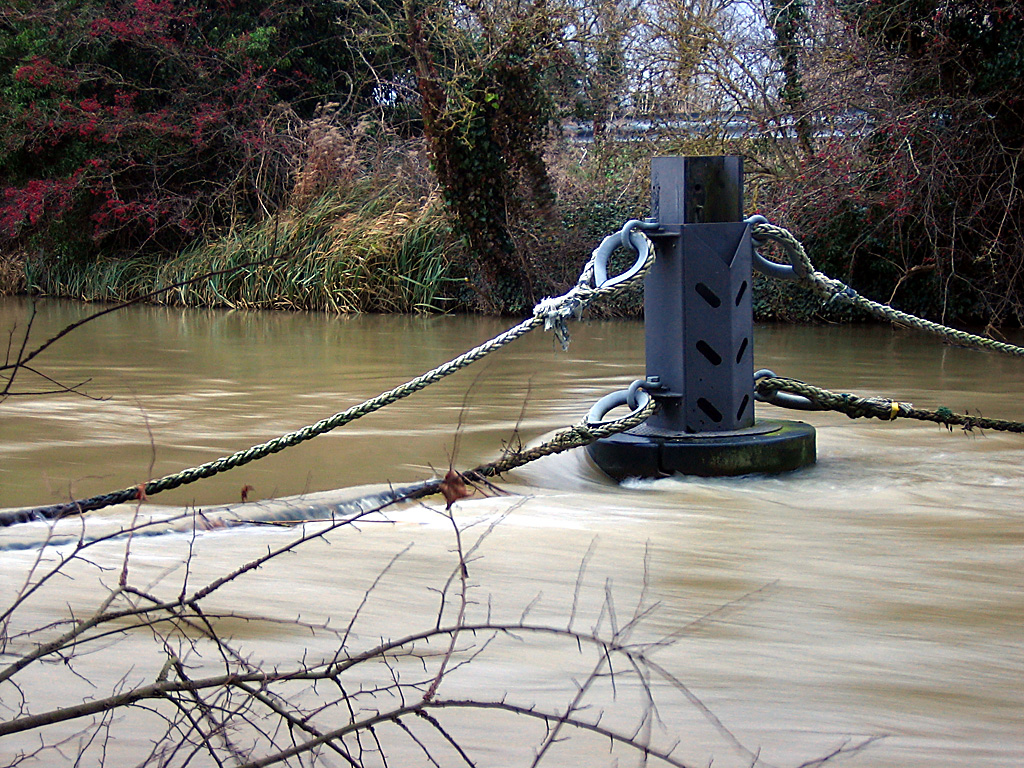
Muddy river near The Trout

A post on Metafilter led me to a long-winded essay about why blogging is a fundamentally cynical activity. Then, a comment on the MeFi post led me to a page that randomly generates text that sounds like a piece of postmodern criticism. It was amusing and memorable enough to add to del.icio.us. From the blog run by the person who wrote the script, I found the video to Pink Floyd‘s “High Hopes,” which looks like the recollections of someone who did far too many drugs while they were at Oxford. I recognize the type of places, but not the places themselves. It must be Cambridge.

The above is some kind of amazingly self-referential romp around some of the cleverer sites out there driven by user-submitted content. These people are the “You” that Time Magazine saluted. Collectively, the contemplation of all this technology and effort gives one a sense of trivial empowerment. It’s interesting, and it takes up time, but it doesn’t get us anywhere. At least, no more so than sitting around and listening to music. At least, in its curious way, it is a social activity.

Sandwich economics

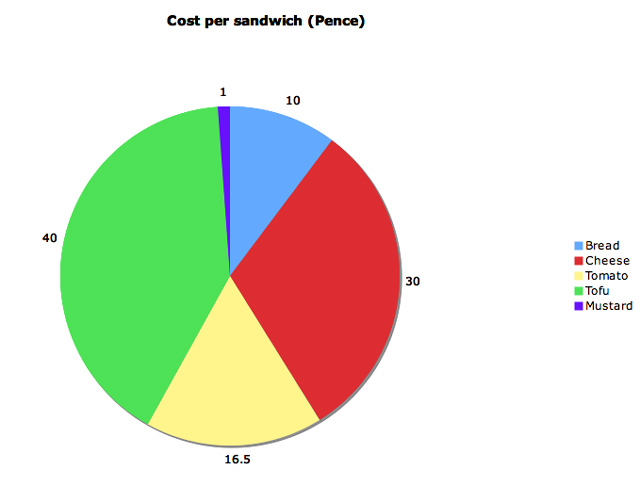
The following is a factor price breakdown for the combination that comprises more than 80% of my lunches (n=28):

Sandwich factor pricing

The cheese in question is either Cheshire or Wensleydale: certainly the two best foodstuffs that I have experienced for the first time while in England.

The surprising factor is clearly the cost of tofu. That said, I do use about 62.5g worth per sandwich. It still seems unfair that the least tasty part of the sandwich should cost the most. If I do end up going to London this weekend – as now seems highly likely – I can pick up some much lower cost tofu in the small Chinatown there.

Sex discrimination in the sciences

Please note that much of the following is shamelessly stolen from a blog called Pharyngula: a stage in vertebrate embryonic development where all species look similar. This post, specifically, made me aware of the issue and most of these sources.

A letter in the July 14th issue of Nature draws attention to the possibility of sex discrimination in the European Young Investigator Awards, issued by the European Science Foundation. The awards provide up to 1.25 million Euros for research, but only 12% of them went to women, despite more than 25% of applicants being female. The chances of that distribution occurring as the result of random variation is less than 0.05%. The September 8th issue features a response, but it isn’t terribly convincing.

Of course, it is possible that the work submitted by women was less worthy of funding. Further research, however, suggests that this is not the case. A study by Christine Wenneras and Agnes Wold (“Nepotism and sexism in peer-review,” Nature 387, 341−343; 1997 – Oxford Full Text) includes some very dispiriting findings. The study looked at applicants to the Medical Research Council in Sweden. As part of their consideration, applicants are given a score for ‘scientific competence.’ In the Wenneras and Wold study, the productivity history of male and female scientists in Europe was evaluated using ‘impact points.’ For example, a publication in Science or Nature is worth about 23 points, whereas “an excellent specialist journal such as Atherosclerosis, Gut, Infection and Immunity, Neuroscience or Radiology” would be worth three points. Based on this approach, Wenneras and Wold concluded that “a female applicant had to be 2.5 times more productive than the average male applicant to receive the same competence score as he.”

That’s really awful. Indeed, it goes a long way towards discrediting the notion that the scientific community is capable of unbiased appraisal. While the study doesn’t tell us whether problems extend beyond the Medical Research Council, it certainly seems to warrant further examination. A lot more studies are discussed in this article.

Would it be feasible or beneficial to introduce a system wherein those reviewing scientific work could be kept from knowing whose work they are assessing? While that is possible for individual articles, it doesn’t seem possible in the context of grants or promotions. I would expect that most scientific disciplines are small enough that reviewers could pretty easily identify the source of work, even if personal details are removed from the copies they examine. That is especially true in the context of choosing who to promote within a particular university department. How, then, could greater fairness be achieved? I would be especially interested in suggestions from women doing academic work in the sciences.