The Human Microbiome Project

Port Meadow horse

The average human being is a collection of about ten trillion eukaryotic cells: each with a nucleus, 23 chromosomes of nucleic DNA, and a collection of membrane-bound organelles including mitochondria with genetic material of their own. Less obviously, each person is also carrying around one hundred trillion prokaryotic cells, belonging to thousands of different species of bacteria. The implications of that are pretty staggering. Many of those bacteria play critical roles in biological processes that sustain human life, such as digestion. Others may be the benign residents of niches where more harmful microorganisms might otherwise live.

Following up on the Human Genome Project – which sought to decode the three billion nucleotides in the human genome – the Human Microbiome Project seeks to map the genetic sequences of those legions of bacteria. Already, it has been theorized that these bacteria play important roles in maintaining human health, and that their composition and relationship with human cells has an impact on diseases including diabetes, autism, cancer, and cardiovascular disease. Collectively, these bacterial species are thought to have 100 times more genetic material than the colony of human cells they inhabit.

The project is not unrelated to the Global Ocean Sampling Expedition, discussed here earlier, in that it is delving into the complexities of microscopic ecosystems. In so doing, it might serve both the practical function of helping to better understand and treat human disease and the more esoteric one of refining our understanding of what it means to be a human being, biochemically at least.

PS. The DVDs for the BBC’s Planet Earth series, discussed earlier, are now available in North American format. I will definitely buy a copy when I return to Canada. For those who haven’t seen any of the footage, it is absolutely awe inspiring.
Forty days and forty nights

Fermat’s last theorem

Over the next six weeks, I have two more papers to write on international law, then twelve hours of exams on two years worth of reading and coursework. I have never been called upon to apply so much raw information to a set of examinations. It seems a bit bizarre to be presented with hundreds of pages of notes and thousands of assigned readings, in order to be quizzed upon twelve randomly selected topics and evaluated largely on the basis of how one’s argument is structured.

I will feel a lot better about everything once plans for the time after the M.Phil have been solidified.

The IPCC and the cost of mitigation

Butterflies and moths

The second half of the IPCC’s Fourth Assessment Report has now been released (PDF). Much like the earlier Stern Review, it was intended to assess possibilities for mitigating climate change and the costs associated with them. As with the Stern Review, the conclusion is that the problem can be dealt with at a fairly modest cost. Certainly, the sums in question are much smaller than the costs that would arise if the worst possible consequences of global warming were realized: from large-scale migration, to problems with C3 crops, to widespread agricultural failures (see this article on the ongoing Australian drought). The Economist is calling it “a bargain.”

That the Stern findings and those of the IPCC broadly agree is not at all surprising. After all, the Stern Review was based almost entirely upon the scientific conclusions of previous IPCC reports. Even so, such agreement can only help to foster increased political consensus, both within and between states, that climate change should be and can be dealt with. More than ever, it seems as though we are witnessing the start of a serious progression towards a low-carbon society.

Dealing the the problem of climate change will require unprecedented foresight and cooperation. As such, it is not unreasonable to think that the emergence of the kind of international regime that would be necessary to address it will foster cooperation in other areas. Something like global fisheries management does not have the same level of importance as addressing climate change, but the tools that will need to be developed to sort out the latter may advance our ability to behave more appropriately in relation to the former.

Alternative health care models

On their website, Scientific American has a story comparing the Canadian and American health-care systems. The story suggests that Canadians get better value for money, and may well have a better health system overall, despite spending about half as much per person as Americans do. The article explains that Canadians live longer in general, as well as being less likely to die during the course of treatment.

There is good reason to believe that there could be greater efficiency in a system like those of Canada and Britain, where the federal government is the main purchaser of health products. Unlike individuals – who have limited knowledge about health care and few opportunities to exploit economies of scale – governments can buy intelligently and in big batches. They can make deals with pharmaceutical producers and other suppliers of health products. The importance of scale in the purchase of health products is demonstrated by efforts by groups like the Bill and Melinda Gates Foundation to acquire effective and affordable treatments for the major illnesses of the developing world through the use of large-scale acquisitions. More controversially, central-payer health care systems may be better placed to prioritize who should be treated and to what extent. Spending large amounts of money extending the lives of very sick people contributes less to overall societal health than spending the money on early treatment or preventative medicine, though the relative desirability of the two depends on your philosophical beliefs about how spending should be prioritized. Arguably, the Canadian system also produces fewer conflicts of interest than the American political system, in which health corporations are major campaign donors.

In comparing the two, there is one other major phenomenon that bears considering. Because Americans are the main market for new drugs, forms of surgery, and other types of medical care, it is possible that they are subsidizing research and development which can then be accessed at a lower cost by those outside the United States. One does ocassionally hear accusations that Canadians are ‘free-riding’ on the American system in this way. This is obviously connected to one of the hottest topics of political and legal debate at the moment: intellectual property law. In particular, the ethical questions about who bears the costs and benefits of innovating still only have partial and contingent answers.

It will be interesting to see what the Canadian and British systems look like in twenty-five or thirty years. Managing the ongoing demographic transition will be a challenge – just as it will be with pensions – but it seems as though it will ultimately be beneficial to have a lower birthrate and population. Only once that is true of the world as a whole can we really expect to create a society that is sustainable overall.

Browser considerations

This post, which was linked to on Tony’s blog, got me thinking about web browser choice. All I want is something that displays pages properly without eating too much RAM. Good RSS handling is an advantage. I am likely to stick with Firefox for now, but it is good to assess the state of competition every once in a while.

Continue reading “Browser considerations”

Paris photos II

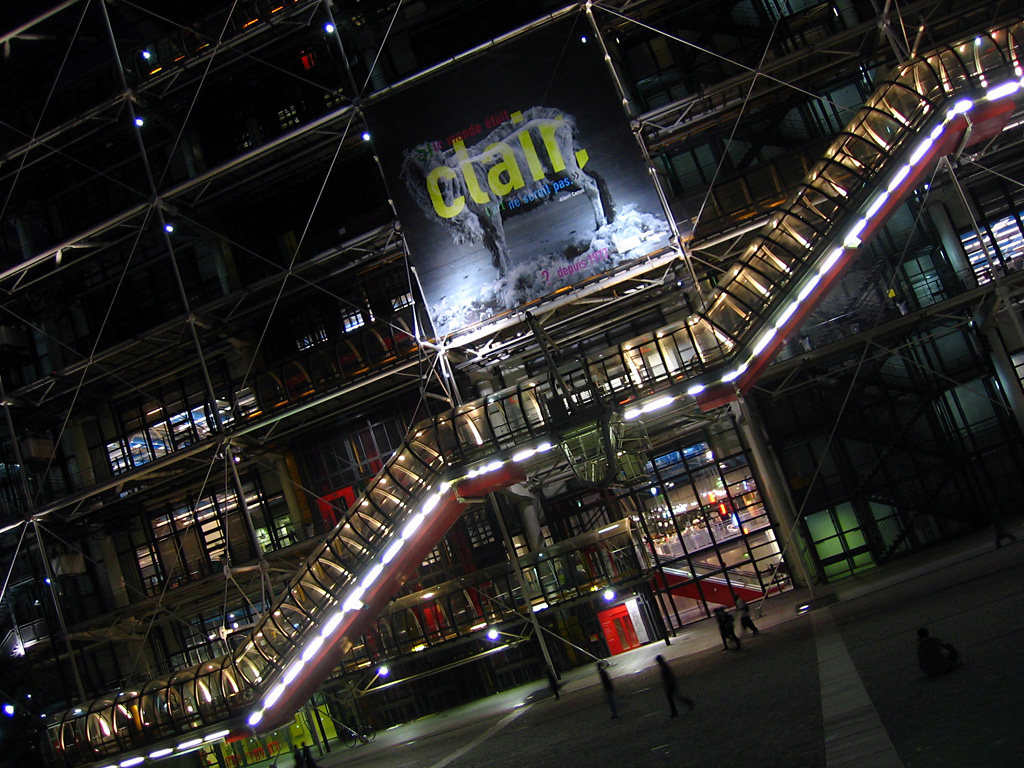
Centre Georges Pompidou

With its inside-out appearance, the Pompidou Center reminds me of the Lloyds of London building.

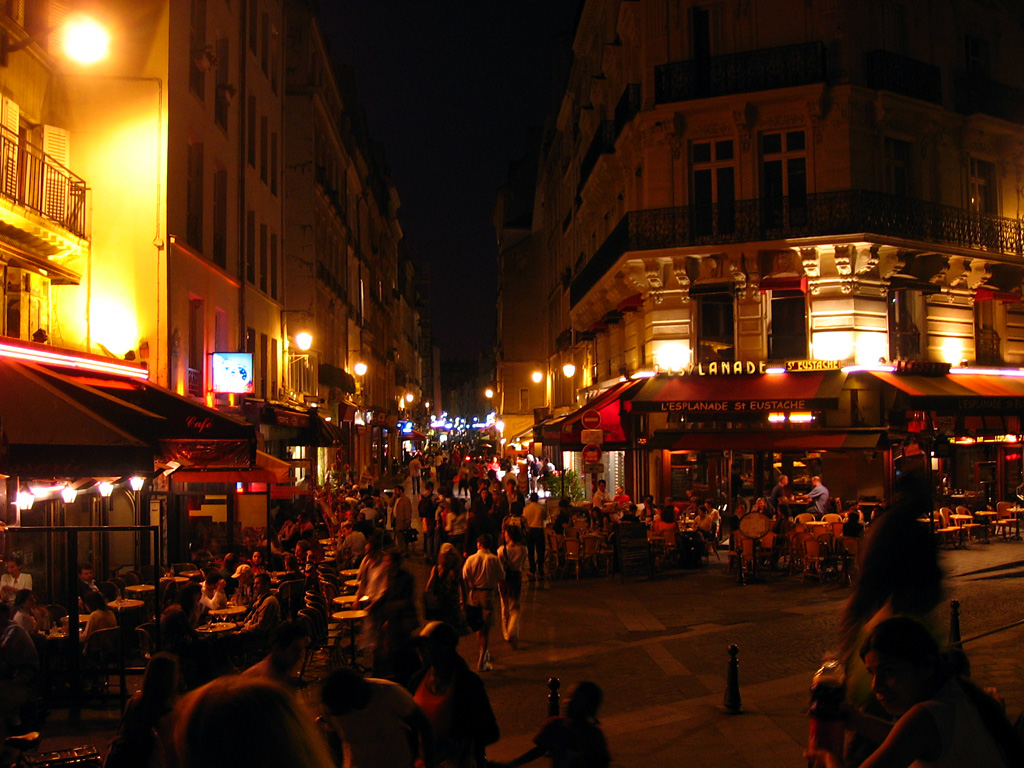
Paris street at night

One of the best things about Paris is how there always seem to be people out and about. This was taken at about 1:00am.

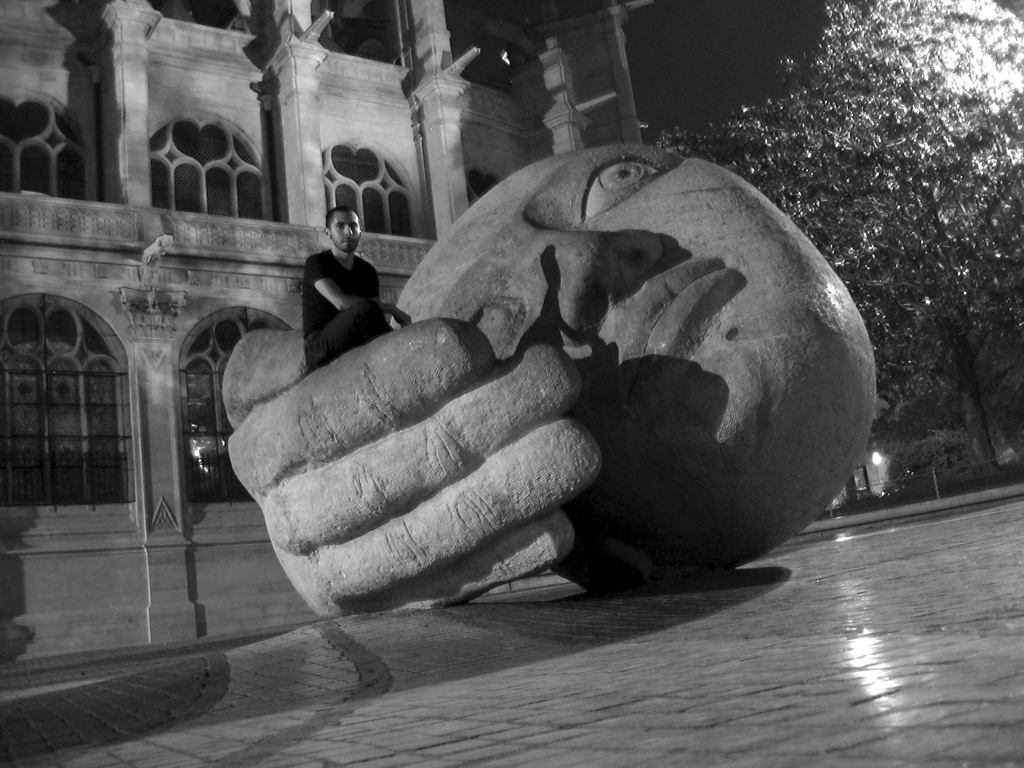
Mike Kushnir on a big head

Mike on a big stone head.

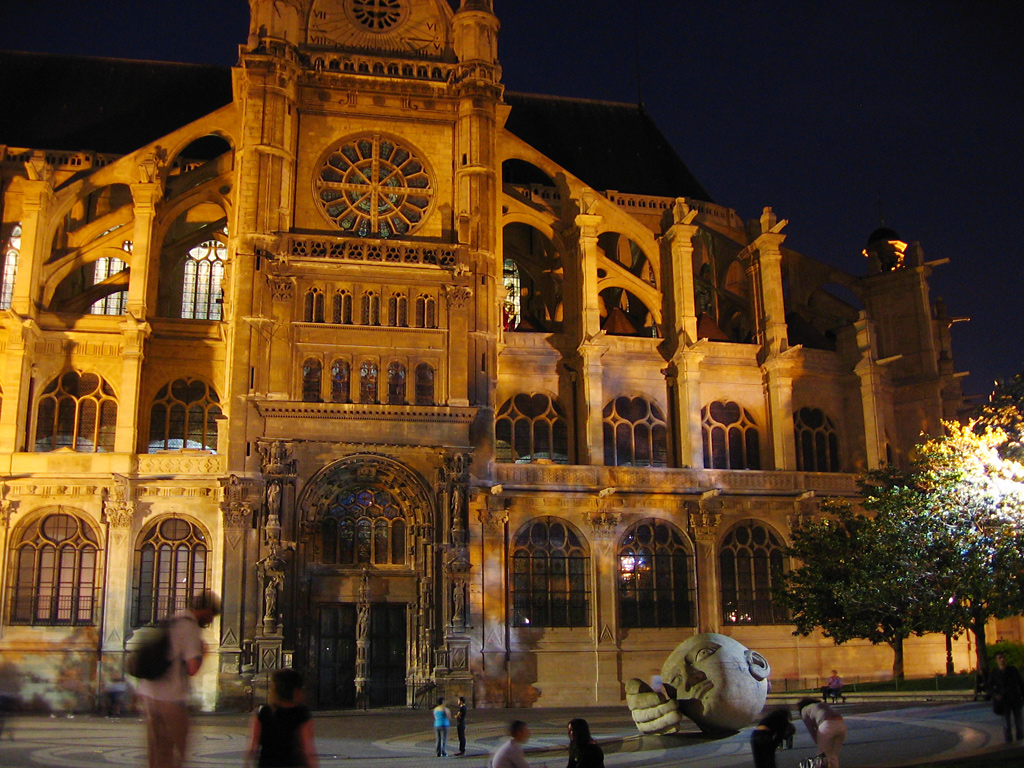
Stone head plaza

The plaza containing the head. I almost broke my leg taking this photo, as I had to do it standing inside a fountain. The metal grates at the bottom that seemed firmly fixed actually shifted aside quite easily, plunging you into the shaft under them.

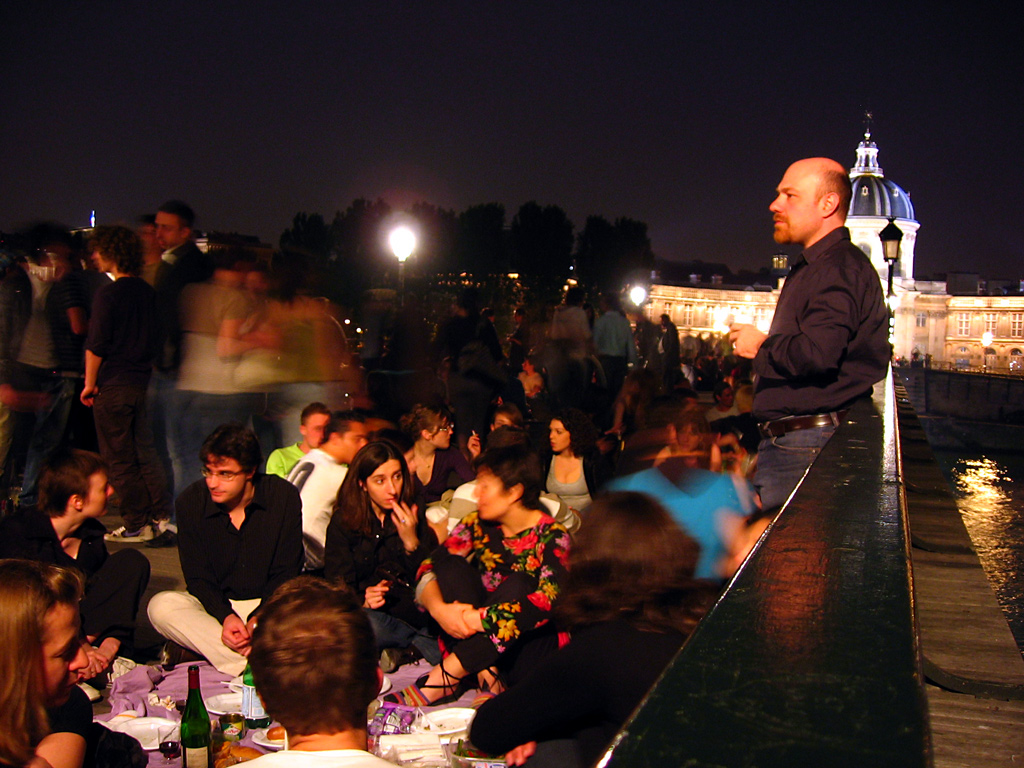
Pont des Arts

A man vaguely resembling Lenin stands on the Pont des Arts.