Connections

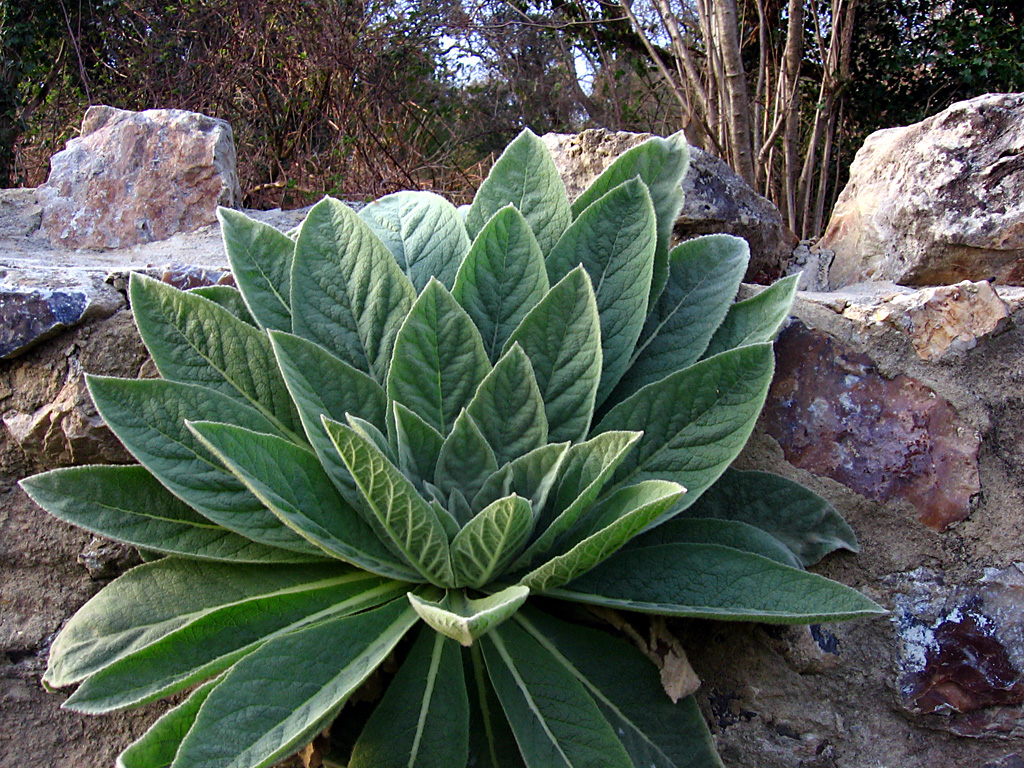
Plant in wall

One thing about studying climate change is that you never know where you will find new information. Have a look at this segment from James Burke’s Connections. He is talking about the Little Ice Age, which began in the 16th century. Much of what he says about adaptation is relevant, in an indirect way, to the kind of climate change being experienced now. I remember being terribly disappointed when his column vanished from the back of Scientific American – my staple reading before shifting to The Economist. Here is another short clip from Burke, also relevant to my thesis project. Here is yet another.

Note that Wikipedia has an entry on the Little Ice Age, the Medieval Warm Period, and the IPCC. It is badly in need of being improved.
Devon photos III

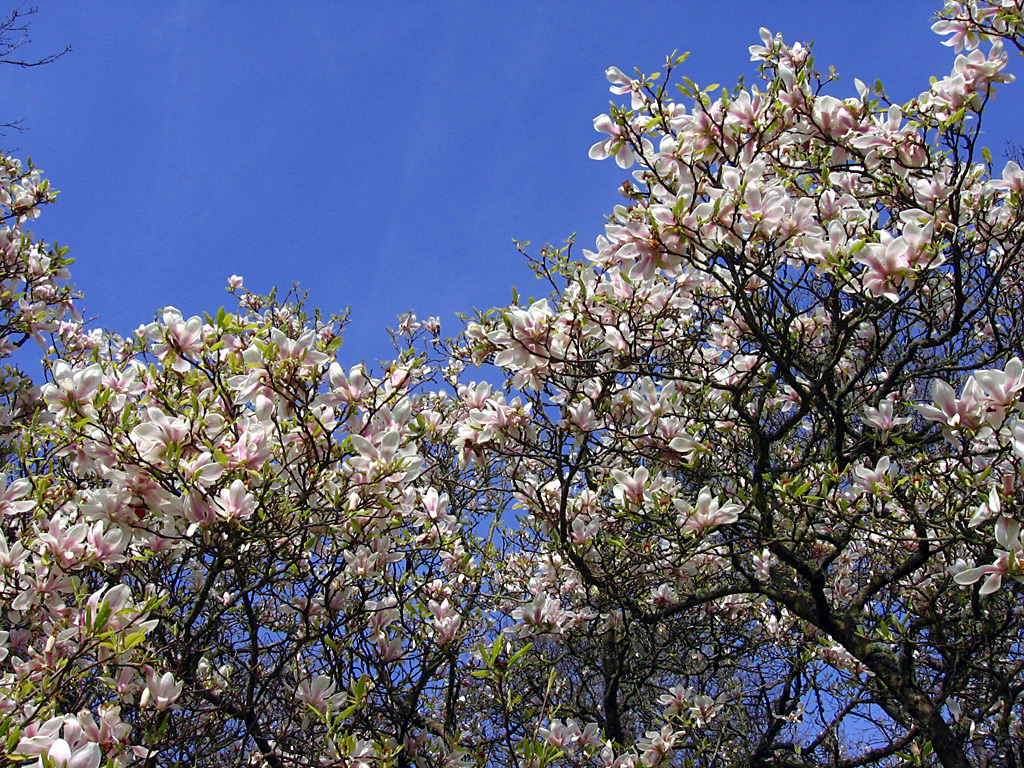
Trees and sky

The 96 acres of the former Wadham estate contain a lot of nice plant life.

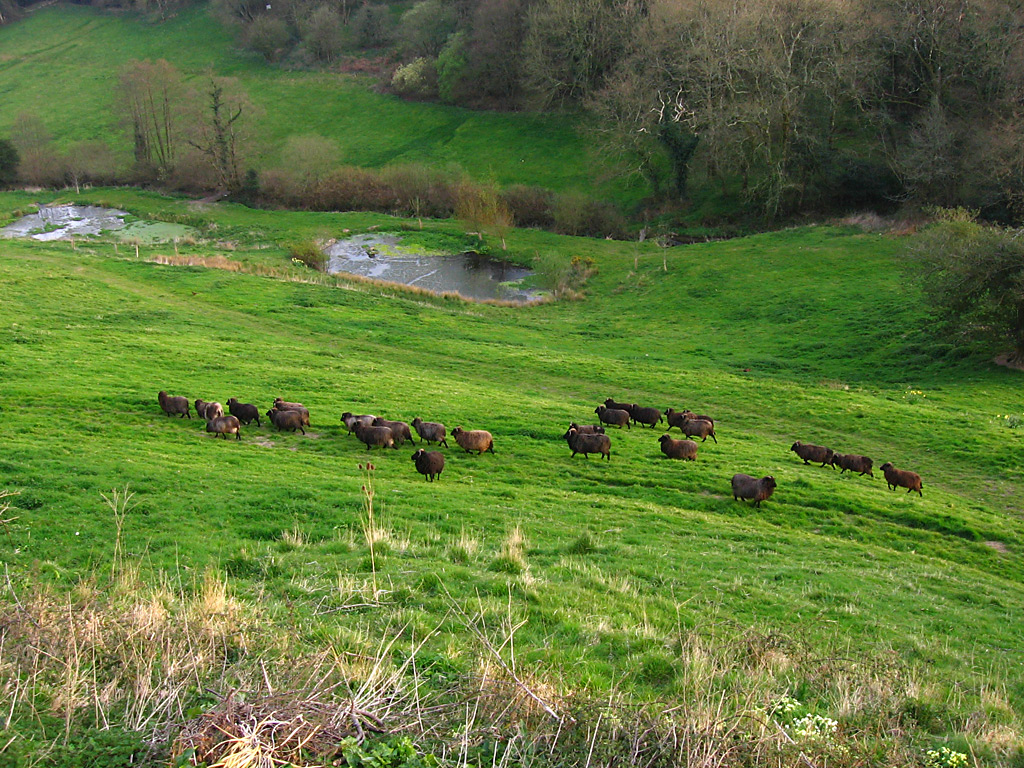
Black sheep

They also have a flock of decorative black sheep that wander in the valley that runs down to Branscombe and the sea.

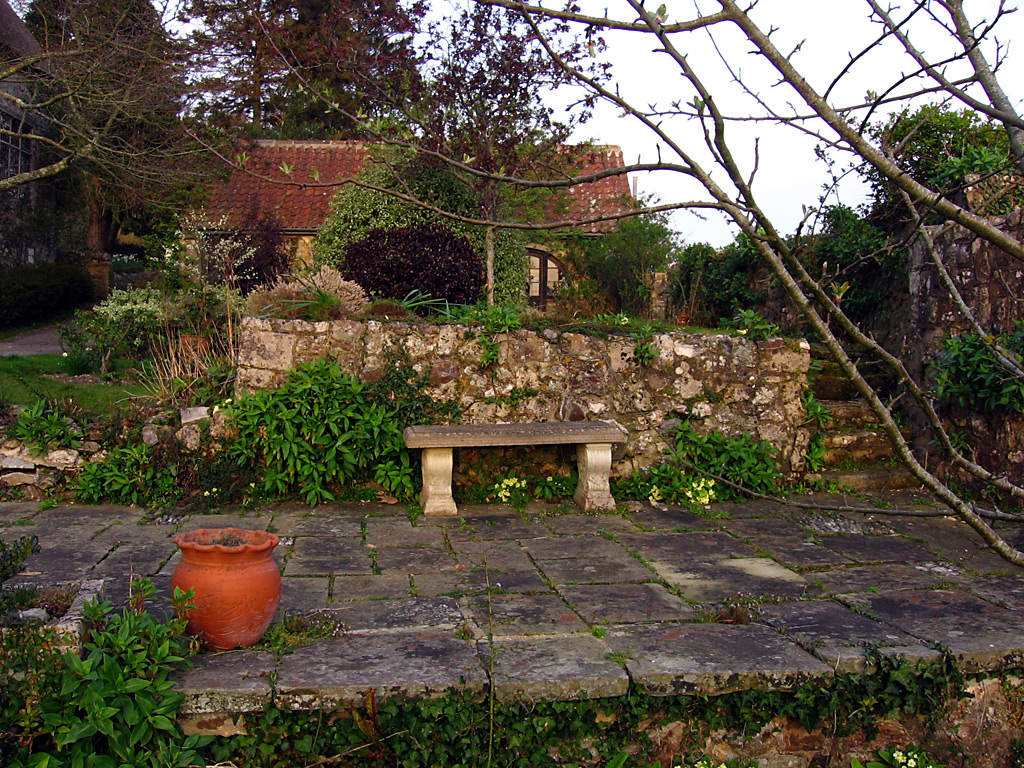
Bench and plants

The light on our last evening was especially lovely: warm sunset light, filtered through a translucent cloud that reduced the contrast.

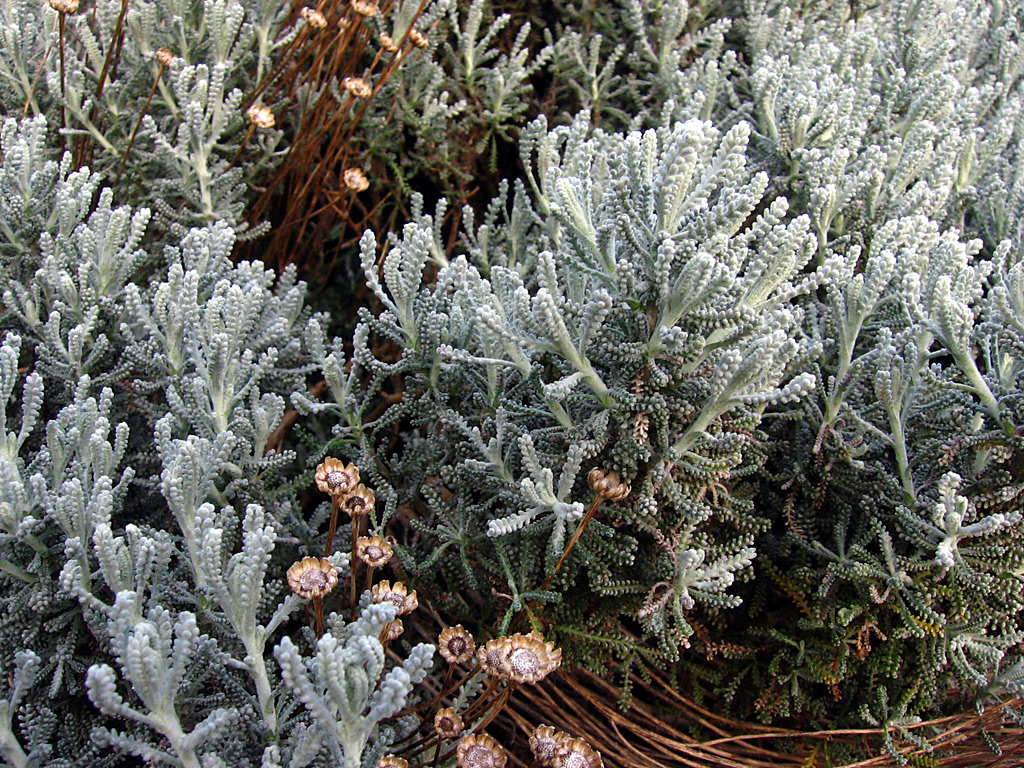
Plants in Devon

More interesting looking plants.

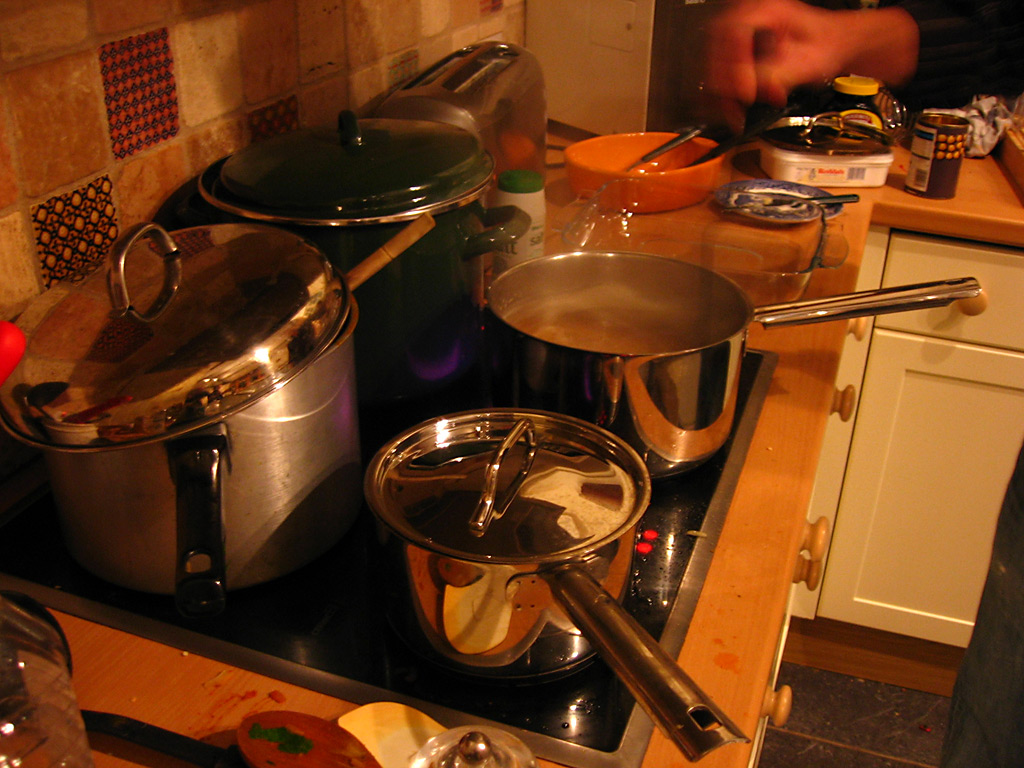
Cooking pots

With the support of the Wadham Foundation, we had tasty food throughout our week.

T-192 hours

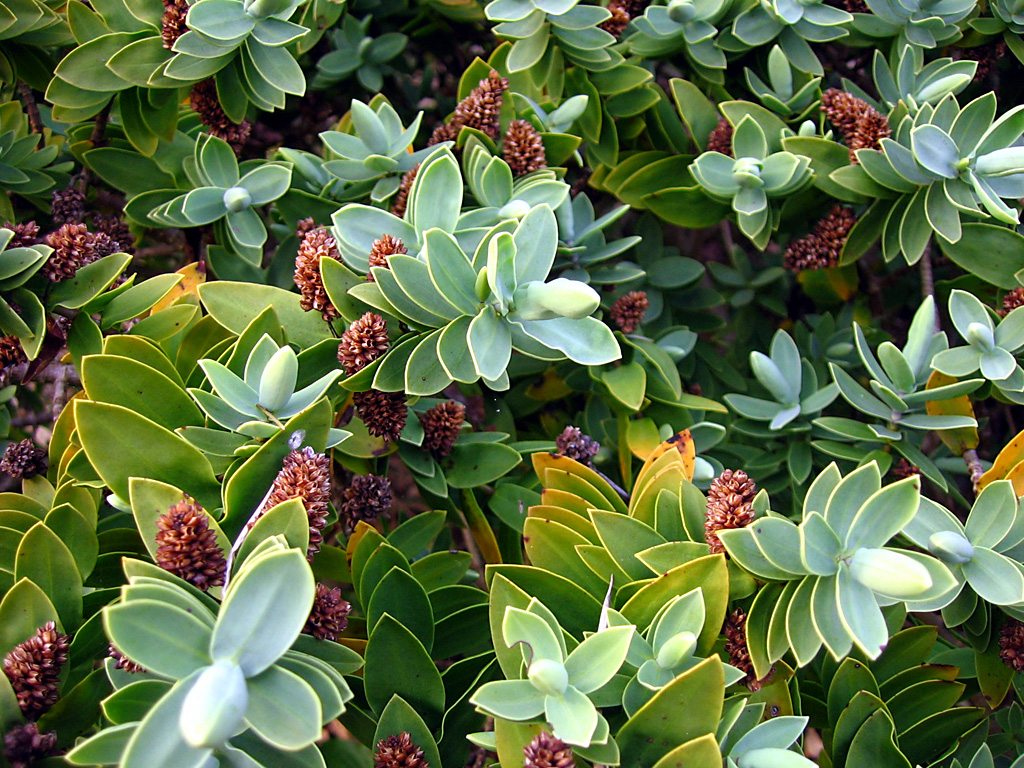
Interesting plant

Since the thesis needs to be dropped off for binding in eight days, it will surprise nobody to hear that I am working energetically on it. More than anything I have worked on before, it is a vast, sprawling thing. The main tasks now are consolidation and tidying. I very much hope to have a copy sent off to my supervisor by tomorrow night.

Devon photos II

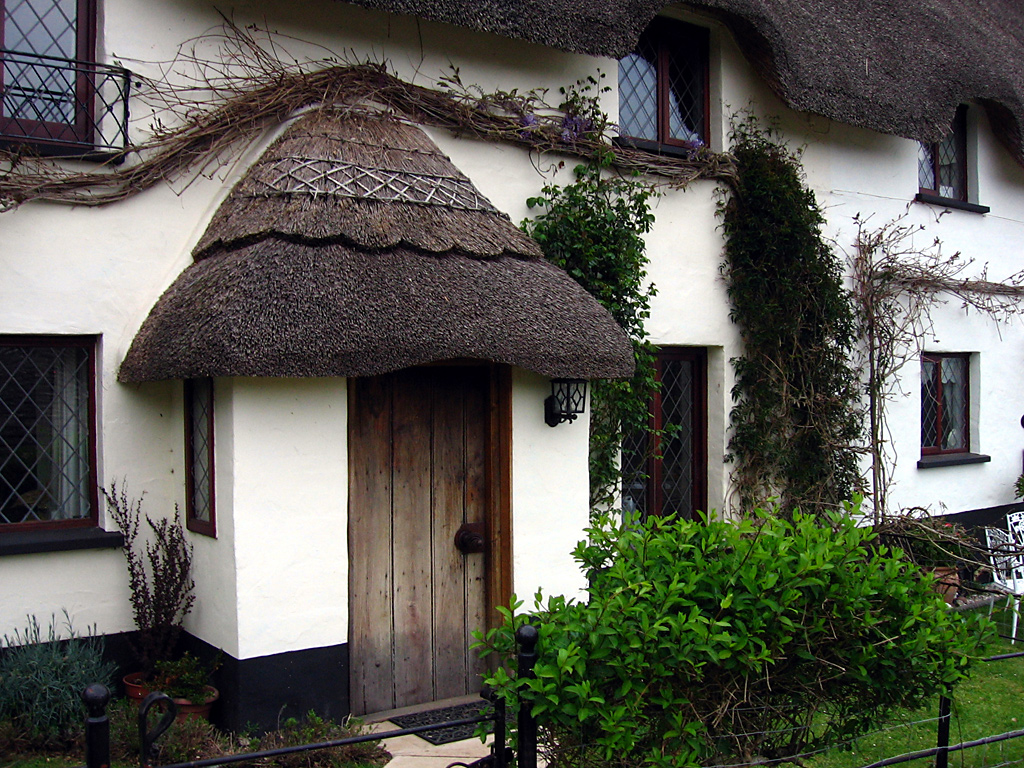
Thatched house

This house, just across the back alley from the place where we were staying, looks exactly like the white rabbit’s house from Alice in Wonderland doesn’t it? We’ll smoke the monster out!

Wadham house

Braced against the wall, this photo shows John contemplating an interesting archway in the former home of Dorothy and Nicholas Wadham.

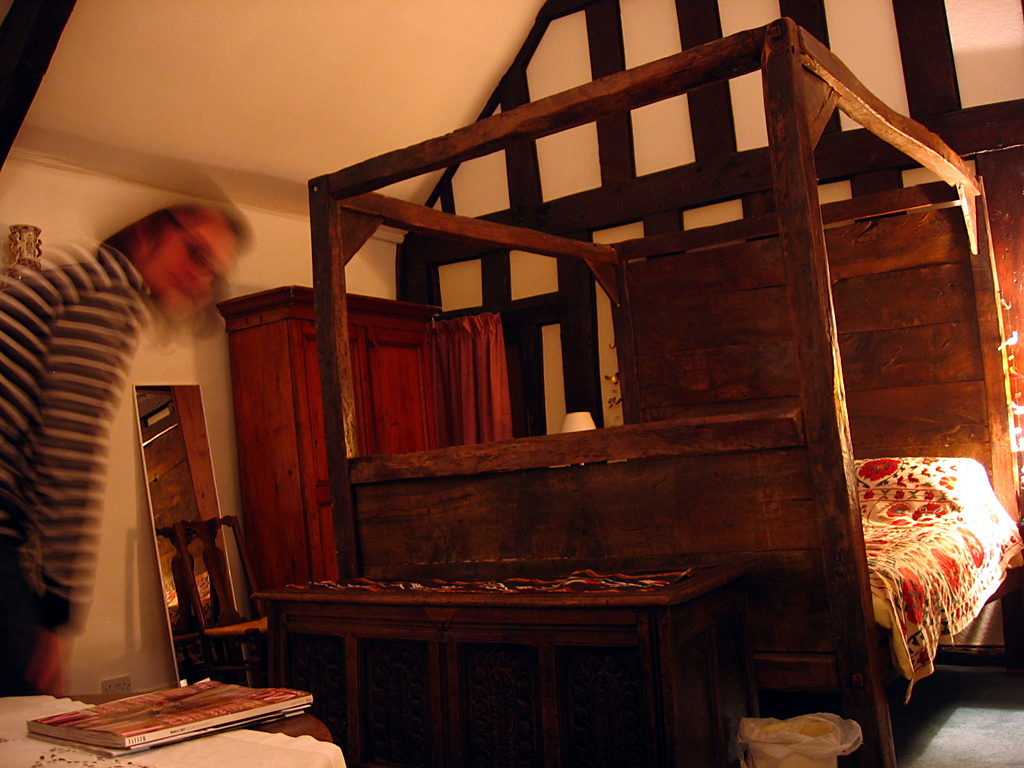
Dorothy Wadham’s bedroom

The former bedroom of Dorothy Wadham, though the bed is a recent reconstruction.

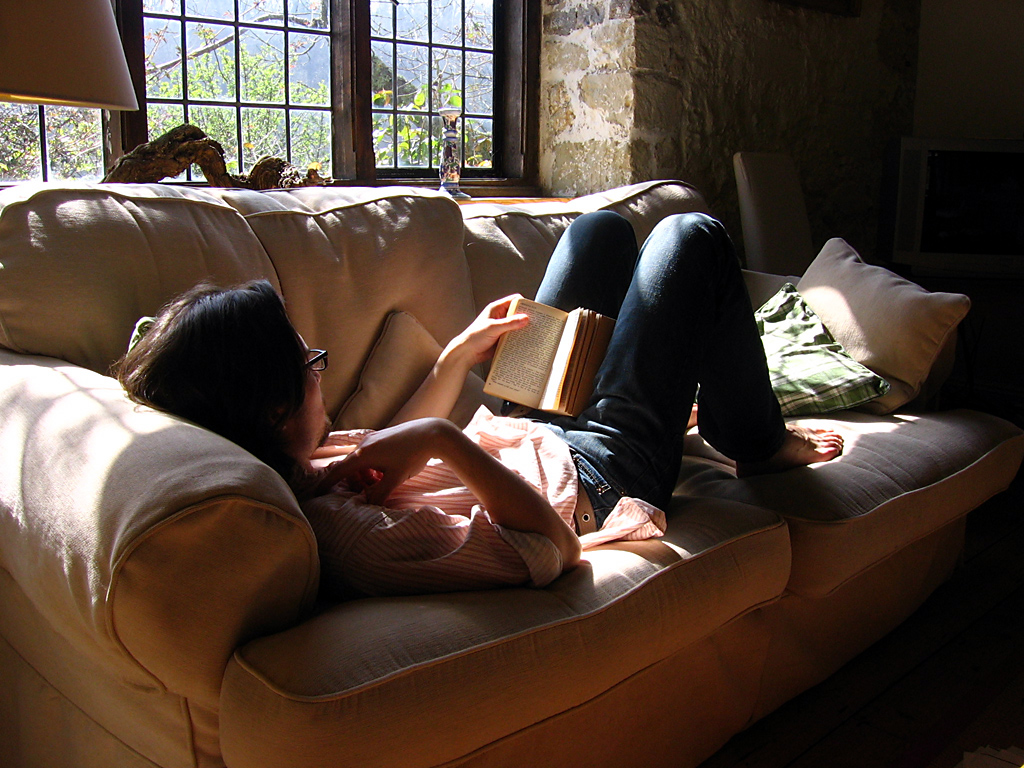
John Jenkins reading

While I was concentrating on getting my thesis written, most other members of the trip were more concerned with reading. While much was academic, Harry Potter and crime-fighting monks were not wholly excluded.

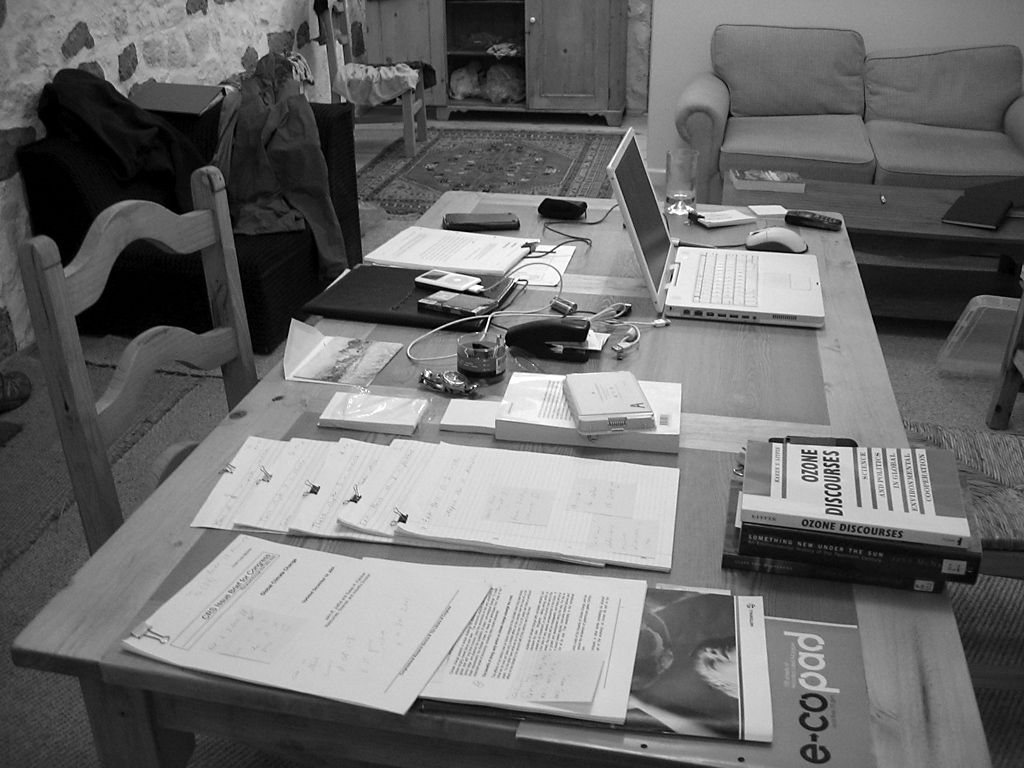
Milan Ilnyckyj’s thesis workspace

In my hermitage, I worked to compile notes and thoughts into a thesis draft.

Minimum temperatures

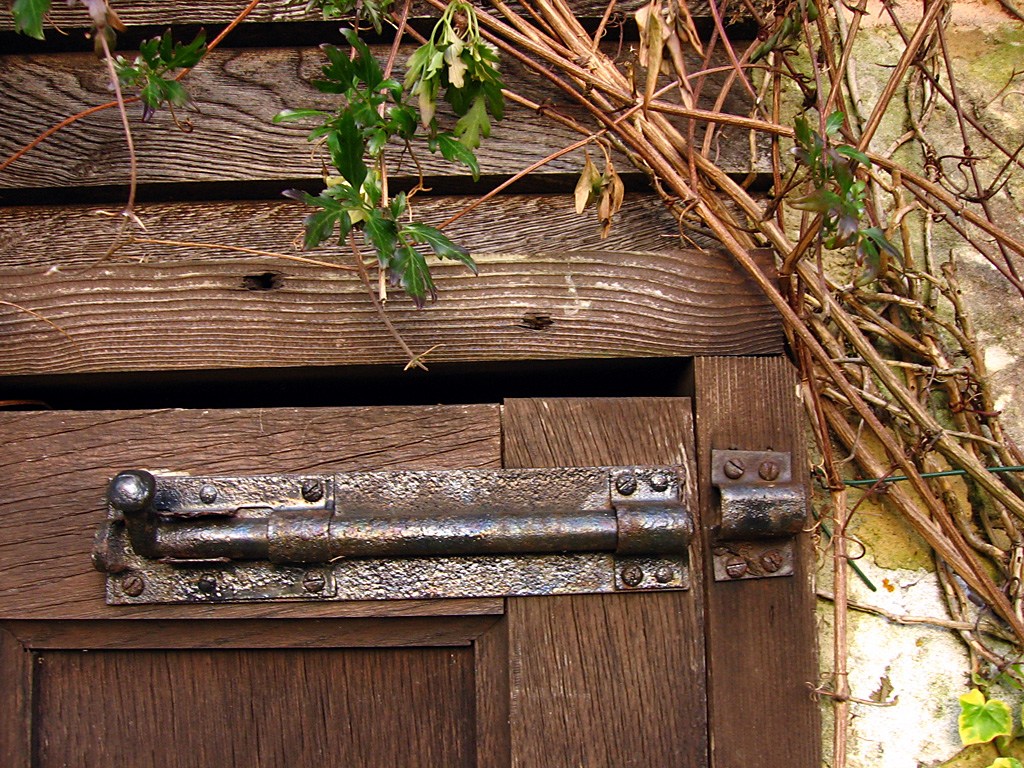
Door bolt

Most of the climate change discussion has centred on global mean temperatures, but it is also important to consider minimum temperatures. The degree to which winters are properly cold has important effects: notably, on the distributions of pests and disease. The temperature a species can tolerate serves as a limit to its expansion, so warm winters can help undesirable creatures to spread into new areas. This is akin to how it is important for a course of antibiotics to kill 100% of the target bacteria. If it does not, a fullblown new infection is likely, once the drugs are discontinued.

The ranges of ants and bees have been extending northward in Europe and North America. Likewise, the populations of ticks carrying Lyme Disease and malarial mosquitoes have been shifting northward, along with those carrying Dengue Fever and Japanese encephalitis. This is part of a general trend in which species being displaced by climatic changes (See: Thomas Lovejoy notes). The fact that whole ecosystems do not move northwards and to higher altitudes at the same rate causes further problems, as predation relationships are disrupted.

These kinds of higher level effects are likely to become better understood as further research is carried out. The depth of information has already increased a great deal: the fourth IPCC report, which is in the process of being released, is based upon a review of more than 1,000 academic studies. The Third Assessment Report, in 2001, was based on about 100.

PS. The trio of WordPress sites have been upgraded to version 2.1.3. If you spot any problems, please let me know.

Devon photos I

For those who were confused, the photos appearing while I was in Devon were not, in fact, taken while I was there. I had set them up to appear at regular intervals in my absence, so as to have some kind of new content appearing on the site. These are the first images from Devon that I have posted on this page:

Barn in Devon

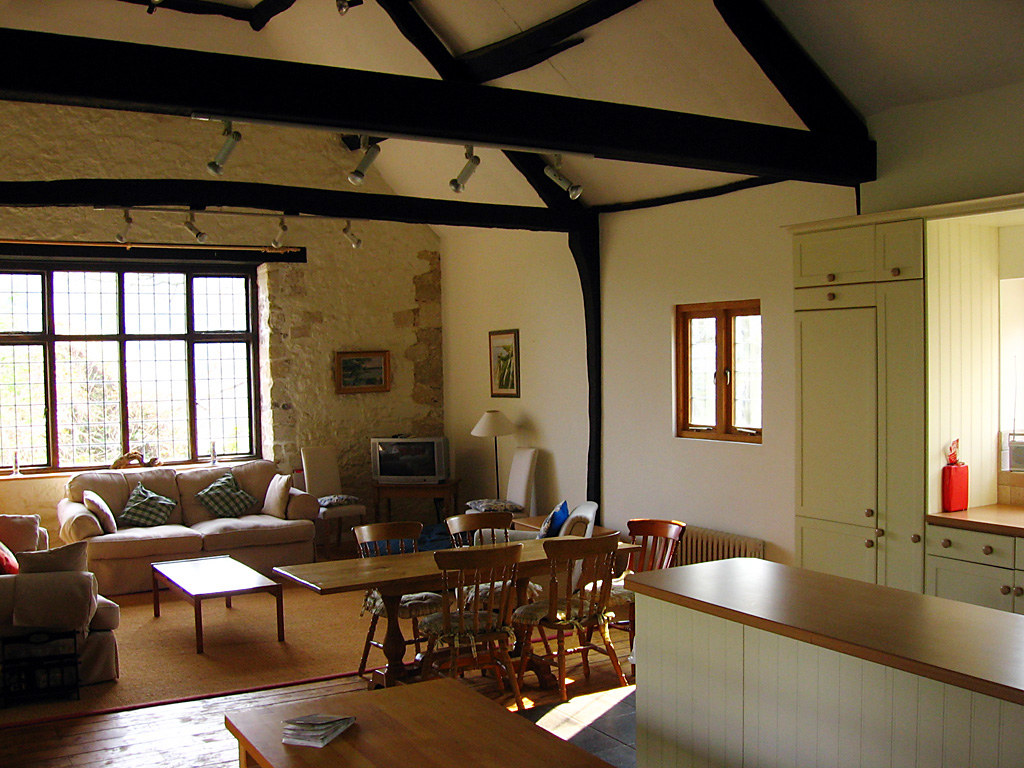
This is the main area of the converted barn in which we were staying. I was the only group member to sleep in the smaller, quieter, and much colder ‘annex.’ We visited the main house once, for dinner.

Branscombe, Devon

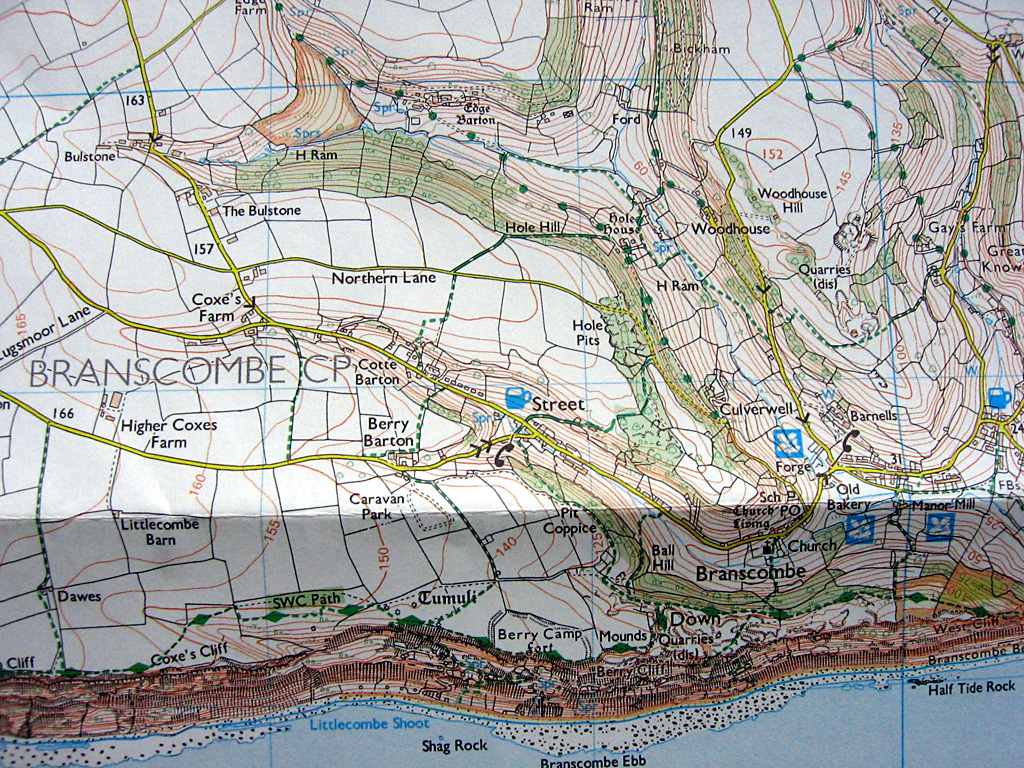
This OS map shows the countryside surrounding the Edge Barton estate, where we were staying. On our first full day in Devon, we walked down the valley to the coastline.

Muddy walk

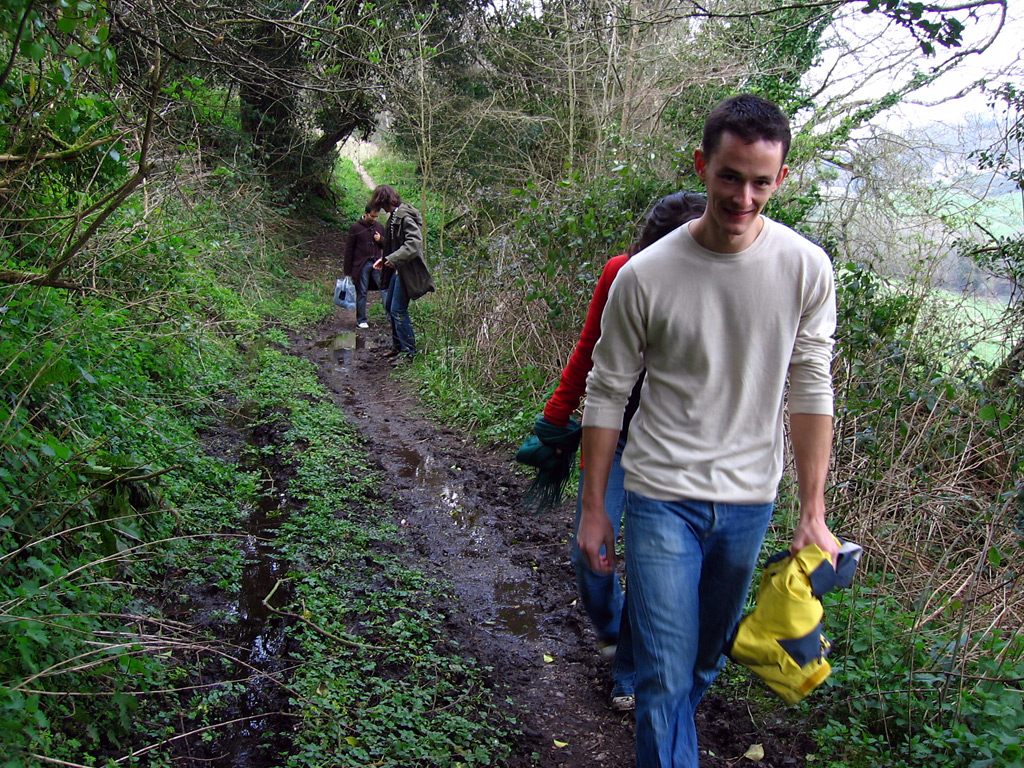
The path down to Branscombe was a muddy one.

South coast of England

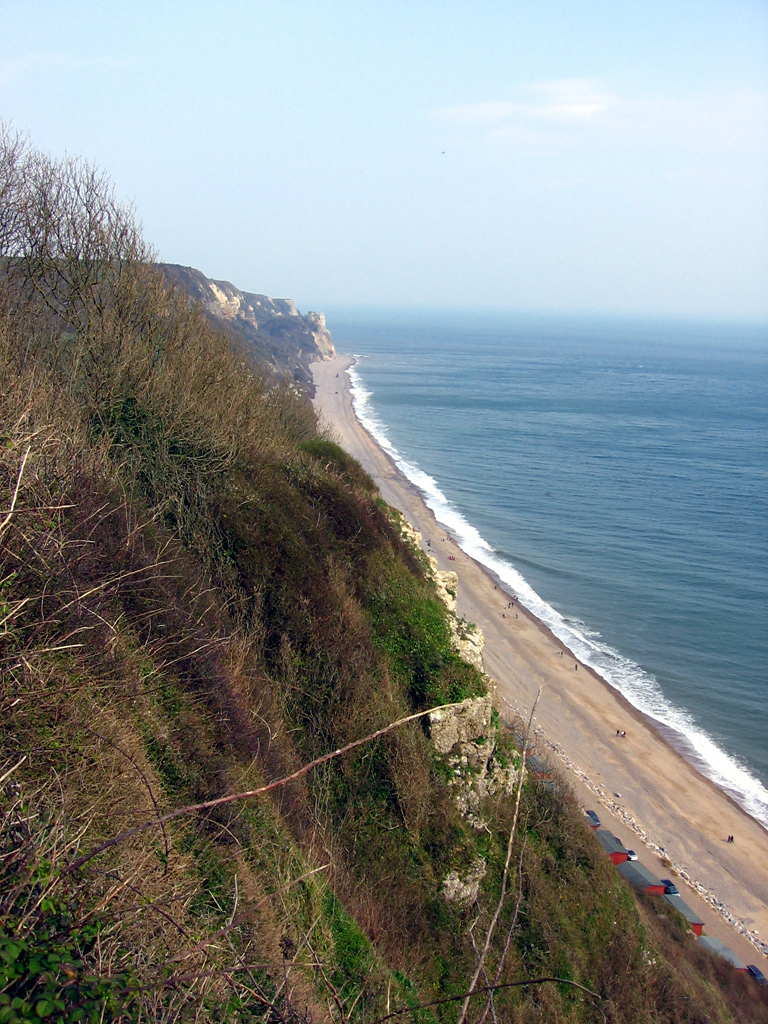
Here is the south coast of England. If this picture had been taken in the opposite direction, a large grounded ship could be seen.

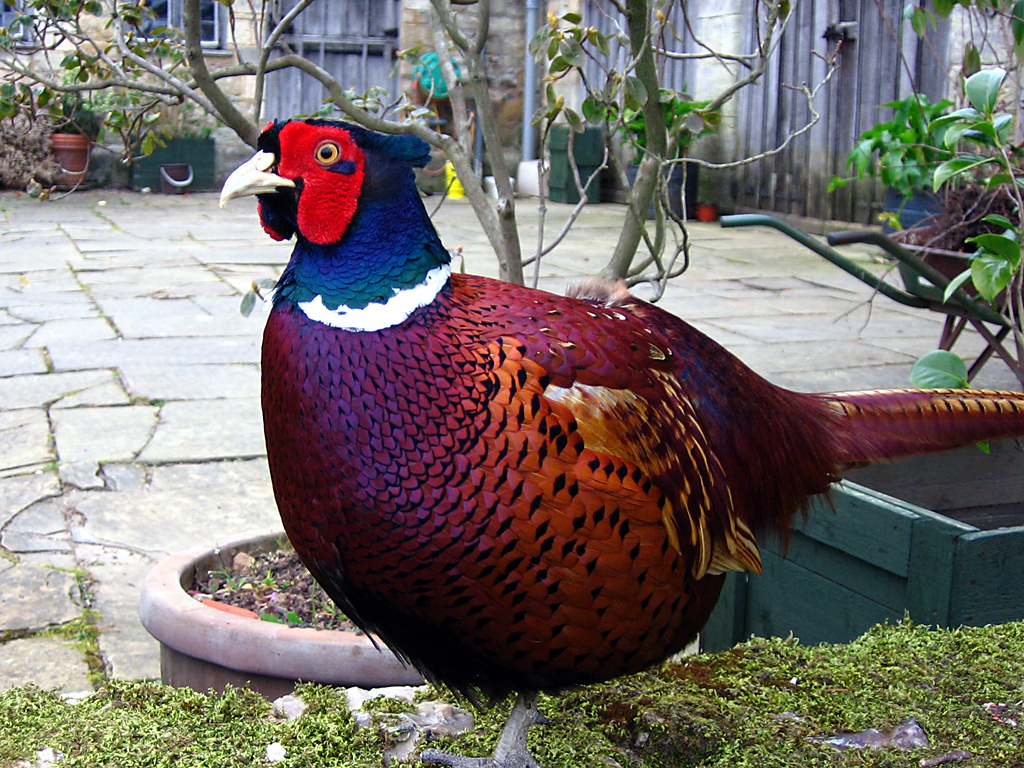
Pheasant

Pheasants are pretty fearless animals. The camera was about a foot away when I took this.

The US Supreme Court on the EPA

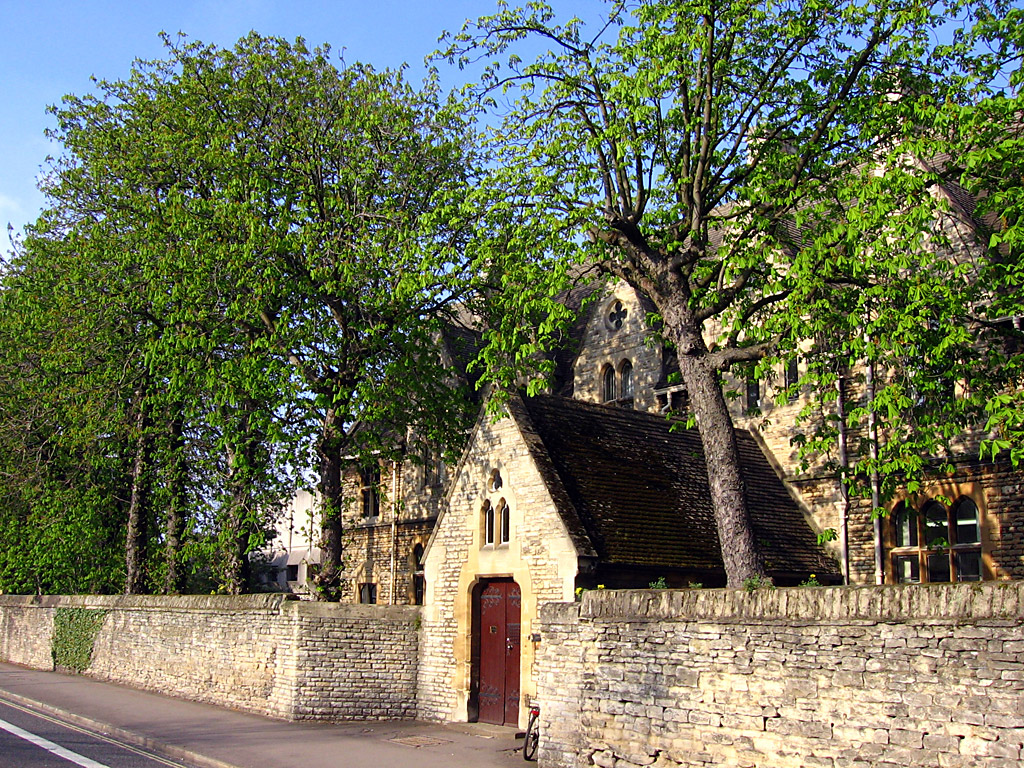
St. Antony’s College in spring

On April 2nd, the United States Supreme Court passed down a decision on how the Environmental Protection Agency (EPA) regulates greenhouse gases. The ruling was made on the basis of the Clean Air Act (a piece of 60s era legislation) and asserts that the EPA has the jurisdiction to regulate carbon dioxide as a pollutant. It goes on to chastise the organization for not doing so.

While the decision is certainly in keeping with the way the things are blowing, one has to wonder whether such an approach is sensible. The kind of problem posed by climate change has only become reasonably well understood in the period after the Clean Air Act was implemented. Also, while the EPA has a considerable amount of expertise, it does not have a huge amount of legitimacy. At least, it doesn’t have the level that would be necessary to push through the kind of societal changes society requires.

The smart money is that the next American administration – whether Democrat or Republican – will oversee a substantial change of tack when it comes to climate policy. The denialism of the present lot simply won’t be tenable in the post-2008 world. What form that new engagement takes – national, through bilateral or regional initiatives, or through a global system – will be the truly interesting thing to keep one’s eye upon.

PS. Apologies, but the profoundly disrupted state of the St. Antony’s College network at the moment prevents me from posting an image. Just getting this post to appear required more than ten hours of frustration. An image will appear once I am on a solid connection again. How cruel to come home to such shoddiness.

The Golden Spruce

John Vaillant’s The Golden Spruce is a superb book: the best I have read in many months. It tells the intertwined stories of British Columbia, the economic development of Canada, old growth logging, the Haida (and the Haida Gwaii), and, of course, a unique Sitka Spruce and the man who destroyed it. Particularly for somebody interested in both Western Canada and the environment, it was the ideal type of non-fiction reading.

The story told is a compelling one, full of informative detail and light on preaching and speculation. I read it in one long session, sitting in my hermitage in Devon while temporarily avoiding thesis work. What the book did remind me of, in part, is why the whole study of the environment is important.

I already have two people waiting to borrow my copy (one of the books my mother kindly sent to England for me), but there are surely other examples of it out there.