Author: Milan
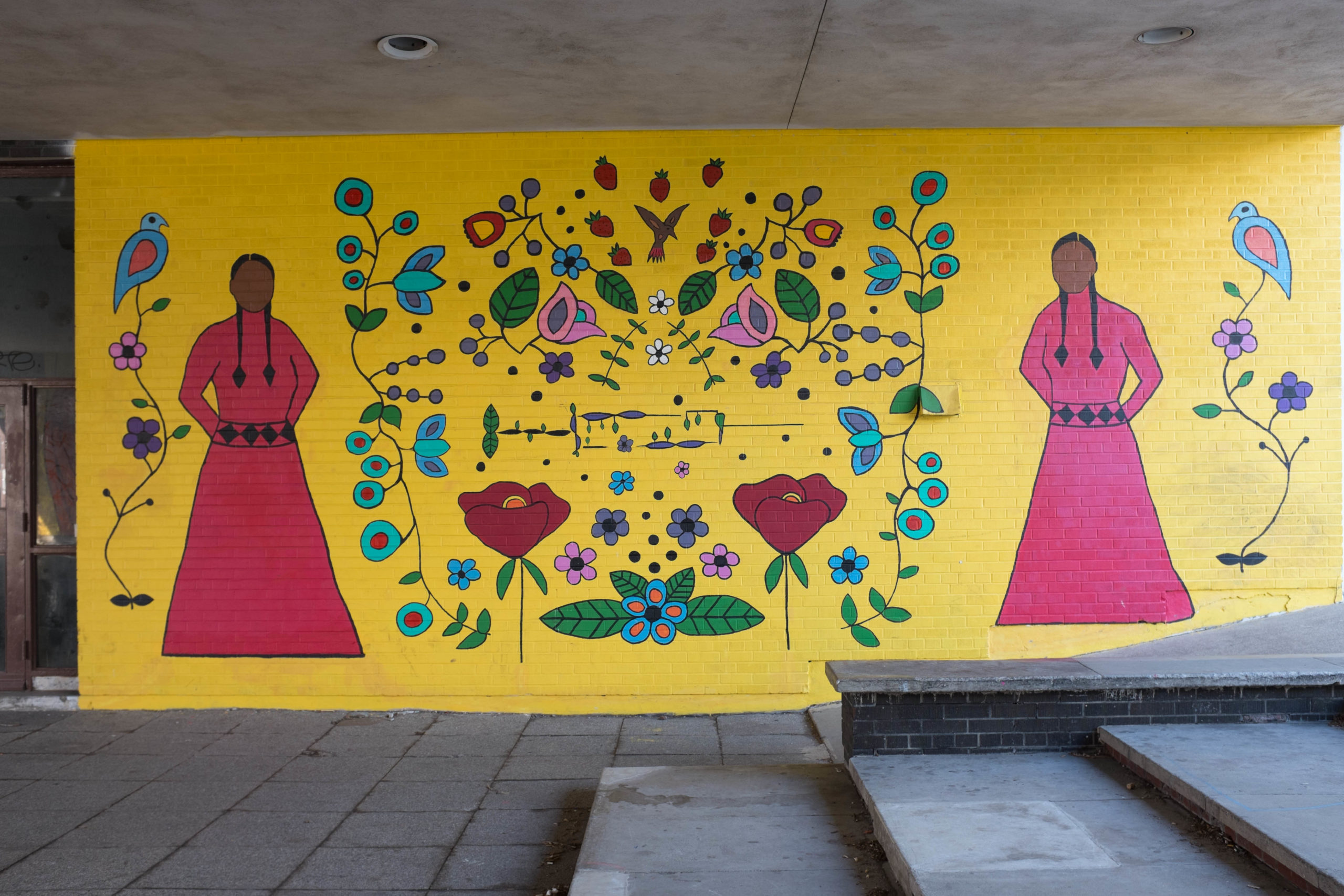
Indigenous mural
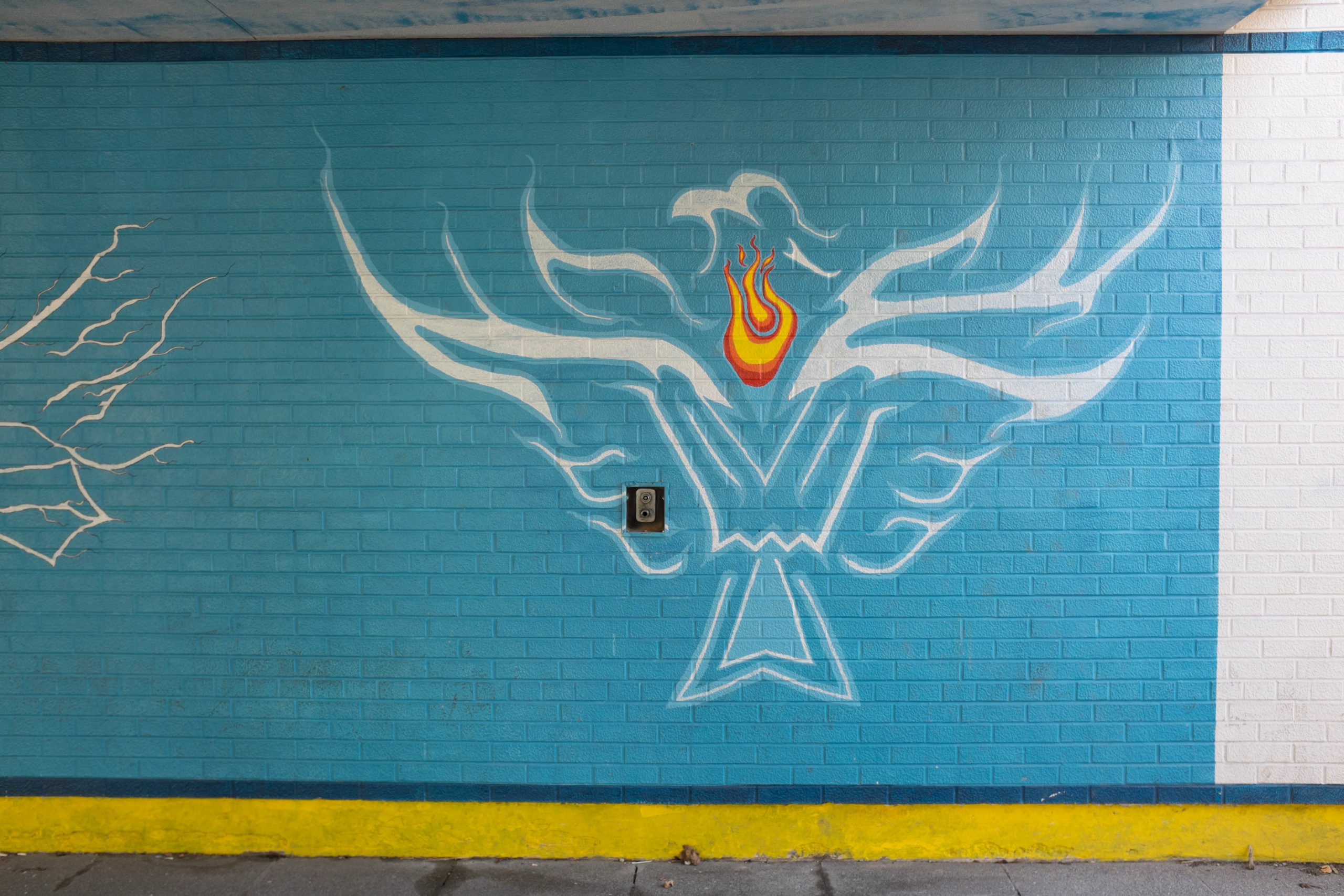
Bird with flame
Now in hard isolation
On Wednesday, a team from Chateau Windows came into my apartment for an unrequested replacement of our windows which our landlord wanted. Today, we were told that “one of their installation workers has been in contact with a person who tested positive for COVID”. Shockingly, our landlord said they would come back on Monday if they test negative, which is contrary to the requirement to self-isolate for two weeks as set out by the municipal, provincial, and federal governments.
I will be following the Government of Canada requirements for two weeks:
Quarantine (self-isolate) means that, for 14 days you need to:
- stay at home and monitor yourself for symptoms, even just one mild symptom
- avoid contact with other people to help prevent transmission of the virus prior to developing symptoms or at the earliest stage of illness
- do your part to prevent the spread of disease by practicing physical distancing in your home
- monitor yourself for symptoms, such as new or worsening cough, shortness of breath or difficulty breathing, temperature equal to or over 38°C, feeling feverish, chills, fatigue or weakness, muscle or body aches, new loss of smell or taste, headache, gastrointestinal symptoms (abdominal pain, diarrhea, vomiting) and feeling very unwell.
- take and record your temperature daily (or as directed by your public health authority) and avoid using fever-reducing medications (e.g. acetaminophen, ibuprofen) as much as possible. These medications could mask an early symptom of COVID-19.
Not being able to go out for walks for two weeks is going to drive me nuts, now that it has been my only form of exercise for a year. I hope nobody else gets sick.
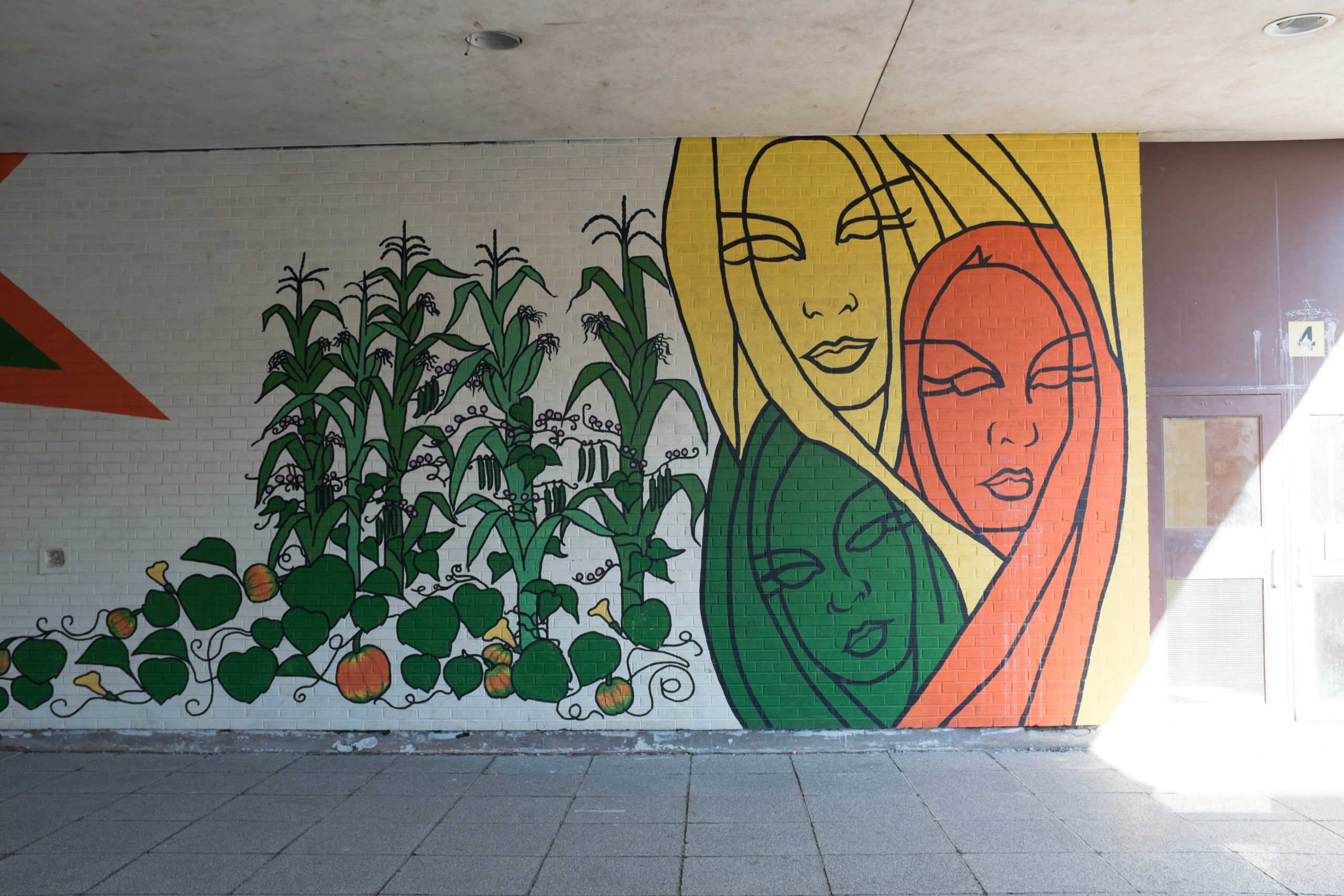
Plant mural
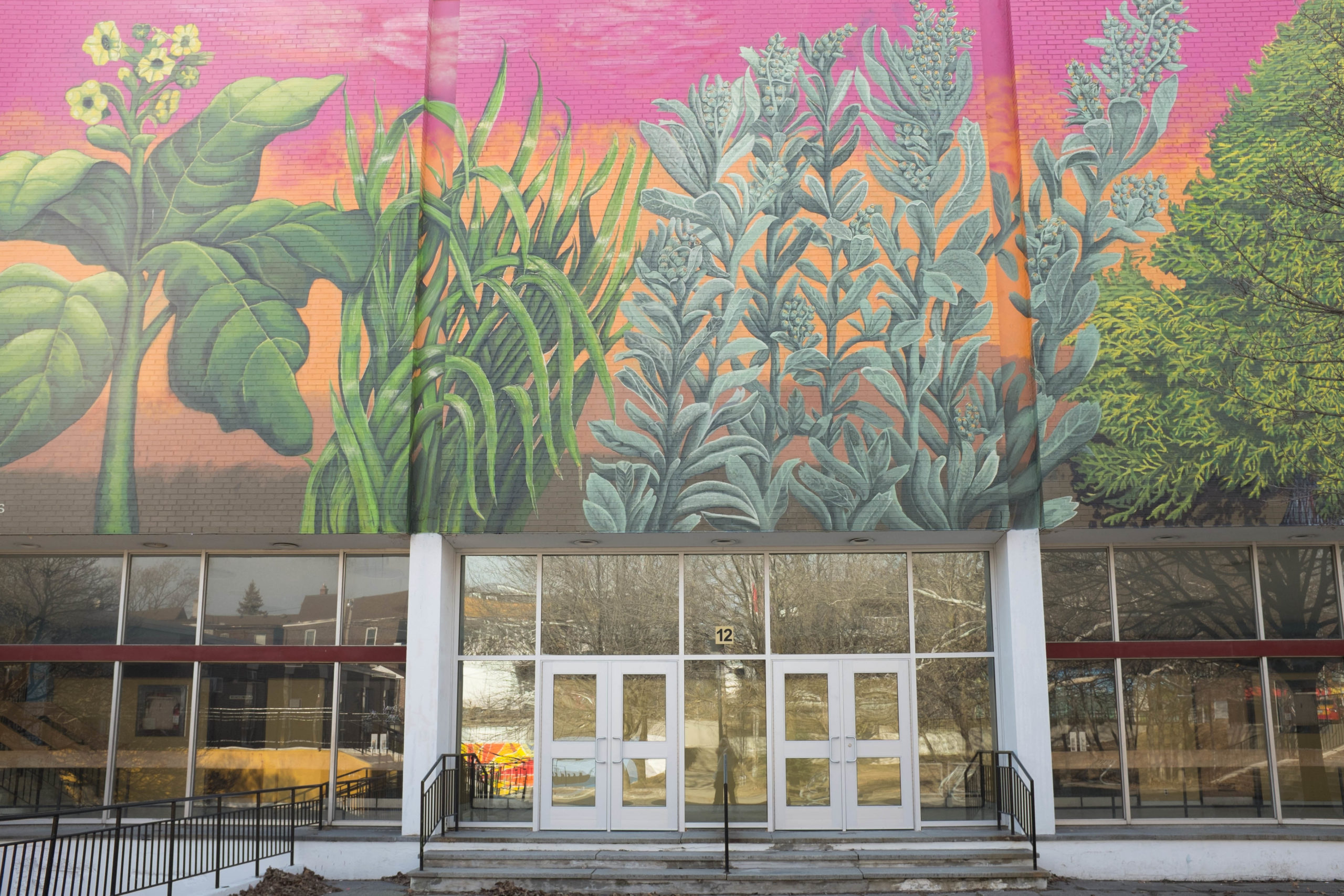
Cigars and martinis
Nuclear energy policy
This week’s Economist has a pretty solid middle-of-the-road editorial position on nuclear energy in a world with a climate crisis:
Solar and wind power are now much cheaper, but they are intermittent. Providing a reliable grid is a lot easier if some of its generating capacity can be assumed to be available all the time. Nuclear provides such capacity with no ongoing emissions, and it is doing so safely and at scale around the world.
Despite this, safe and productive nuclear plants are being closed across the rich world. Those closures and the retirement of older sites mean that advanced economies could lose two-thirds of their nuclear capacity by 2040, according to the International Energy Agency. If new fossil-fuel infrastructure fills the gap, it will last for decades. If renewables do so, the opportunity cost will be measured in gigatonnes of carbon. Renewables replacing nuclear capacity would almost always be better deployed to replace fossil-fuel capacity.
Sometimes the closure of nuclear plants is largely a matter of economics. In places where emitting carbon dioxide comes with no price, such as America, the benefits of being emissions-free are hidden from the market. That hurts nuclear, and it should be rectified. When closure is political, the onus is on Green politicians, in particular, to change their tune. To hasten the decline of nuclear power is wilfully to hobble the world in the greatest environmental struggle of all.
Related topics:
Papers on nuclear energy:
- Climate Change, Energy Security, and Nuclear Power
- Climate change and nuclear power in Ontario
- Canada’s mixed nuclear policy experiences
Canada’s nuclear industry:
- Canada’s nuclear waste
- The AECL and new nuclear plants in Ontario
- Ontario rethinking new nukes
- Open thread: nuclear refurbishment in Canada
- How dangerous is Pickering?
Nuclear waste
- Costly delays at Yucca Mountain
- New nuclear plants, new nuclear waste
- Czech legacy of uranium mining
- Long-lived nuclear waste warnings
- Finland’s nuclear waste dump
Nuclear economics
- The true price of nuclear power
- Some nuclear facts and figures
- The costly nuclear option
- Obama’s nuclear loan guarantees
- The difficulty of assessing the cost of nuclear power
Nuclear energy and climate change
- Climate change and nuclear power
- Water and nuclear power
- Nuclear slow to come online
- Choosing nuclear
- Pick your poison: nuclear or ‘clean coal’
- Monbiot now conditionally supporting nuclear
- Bill Gates on nuclear power
- McKibben on nuclear power
- The climate movement and “100% renewables”
New reactor types and designs
- Generation IV nuclear
- Small nuclear reactors (SMRs)
- Sea-based nuclear power stations
- Olkiluoto, Flamanville, and Hinkley
- Open thread: thorium-fueled nuclear reactors
- Chinese AP1000s and EPRs online
Nuclear energy and weapon proliferation
Accidents and safety
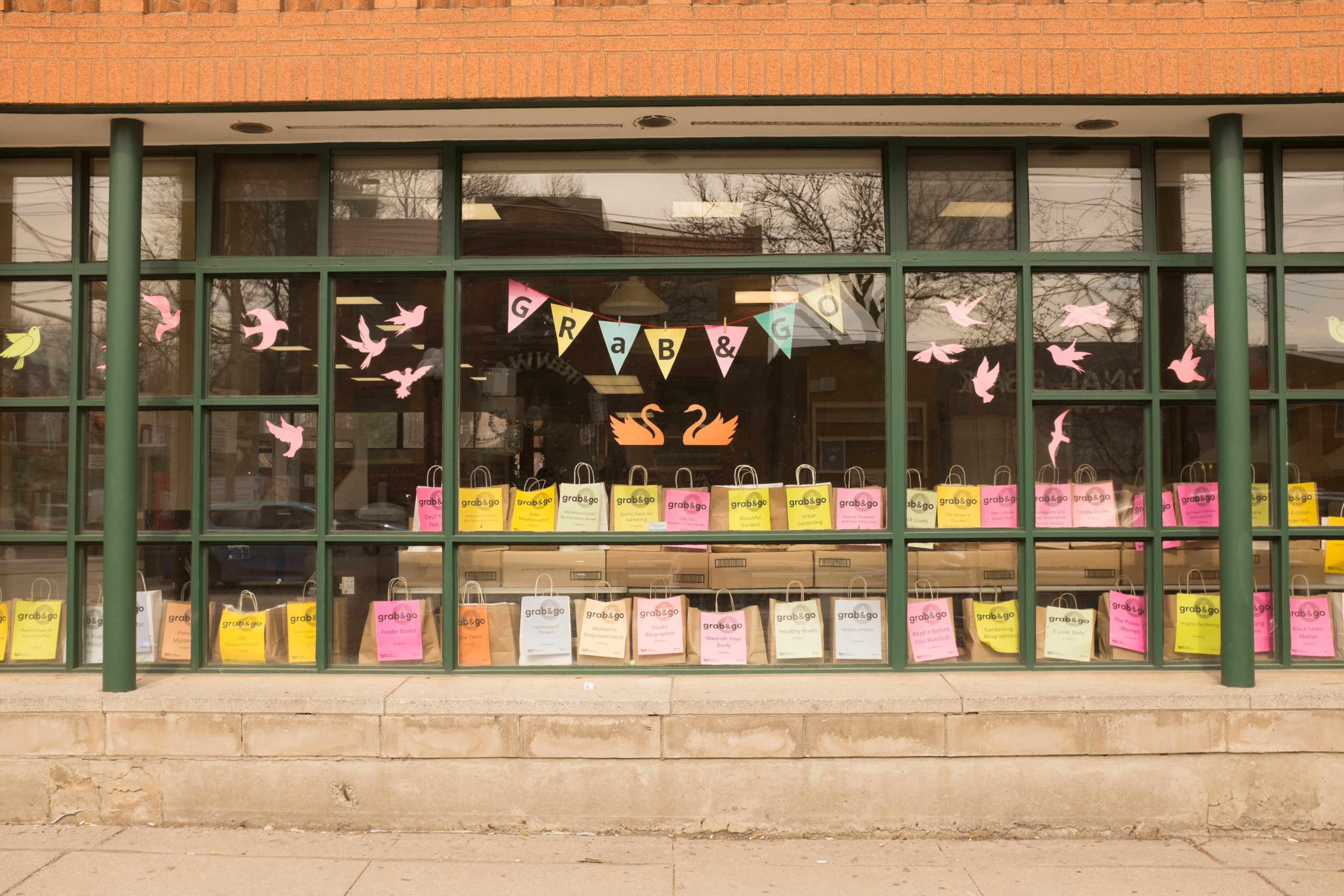
Grab and Go from the Toronto Public Library
Blue curve, red line
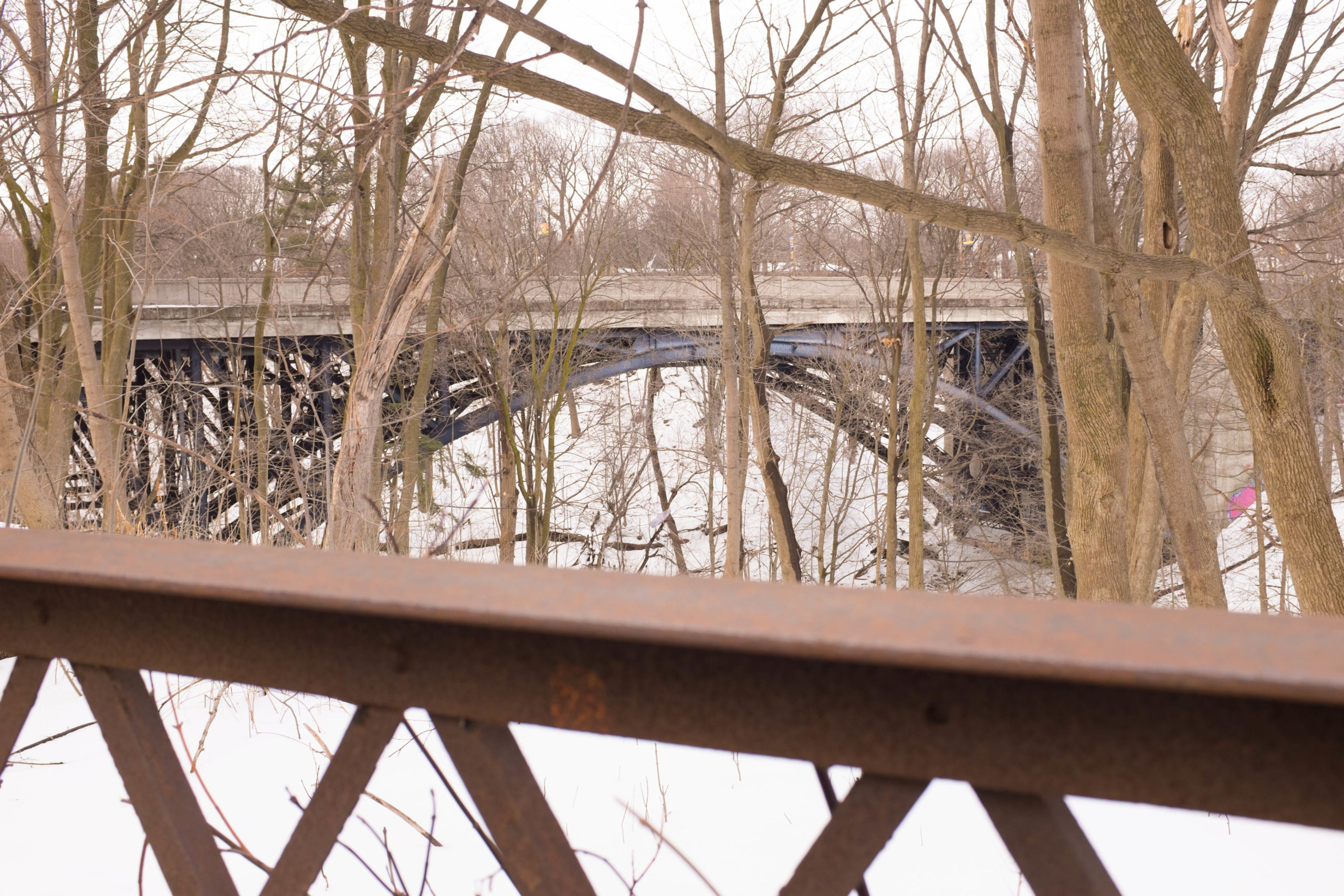
Road bridge over Toronto ravine