China has landed a rover on Mars and launched the first module for a space station.
Category: Bombs and rockets
Military matters and state security: the hard-edged kind of international relations
Will China invade Taiwan?
This week’s issue of The Economist has Taiwan on the cover and describes it as the “most dangerous place on Earth”.
It is widely reported that a central purpose behind China’s military buildup and particularly the acquisition of naval and amphibious warfare capabilities is the country’s ambition to conquer its democratic neighbour. The implications thereof could be profound, including in terms of China and Taiwan’s domestic politics, Taiwan’s crucial global role as a microprocessor manufacturer, and the confidence of America’s regional allies in America’s security guarantees. If their confidence is sapped by a Chinese takeover, increased regional militarization and perhaps nuclear proliferation are plausible.
China’s conduct toward Taiwan may also be illustrative of its long term geopolitical role as it continues to rise in affluence and military strength, potentially going beyond maintaining an oppressive, nationalistic, and militarist system at home into the actual domination or conquest of foreign territory (though China’s government asserts that Taiwan has been part of China all along).
The question of China and Taiwan also influences domestic national security policy in countries including China. Based on recent decades of use, the likely role for new military platforms like the ships being built for the navy and next-generation fighter jets long under contemplation would be a combination of continental defence under NORAD (arguably with no nation states as plausible enemies in this sense) and expeditionary use in multilateral coalitions for peacekeeping or (as in Afghanistan to begin with) warfighting. If China is developing into a threat that western countries will need to meet with military force, however, it will be indispensable to have advanced weapons and forces capable in their use ready before the conflict begins.
Related:
- Canada and Ballistic Missile Defence
- The 2008 Beijing Olympics
- The military importance of space
- Xinhua
- Canada and Joint Strike Fighters
- The future of India and China
- F-35s and UAVs
- Open thread: naval warfare
- Open thread: Chinese censorship
- China’s authoritarianism and rising power
- Open thread: the global nuclear arms race
- Today’s China is not the future we should want
Would Scottish independence mean an end to the UK deploying nuclear weapons?
Britain’s Armageddon weapon are their four Vanguard-class ballistic missile submarines: Vanguard, Victorious, Vigilant, and Vengeance. Since decomissioning their aircraft-dropped bombs in 1998, the subs have been the only means of delivery for British nuclear weapons, with each possessing 16 ballistic missile tubes for Trident D5 missiles, each built to carry as many as 14 of some warhead types.
Oddly, and despite the obligation under the Nuclear Non-Proliferation Treaty for existing weapon states to work toward disarmament, Prime Minister Boris Johnson announced in March that as part of his government’s ‘Global Britain’ agenda they will raise the cap on the number of warheads deployed on submarines from 180 to 260.
All of the British subs are headquartered at Her Majesty’s Naval Base, Clyde at Faslane in Scotland. Today, The Guardian is reporting that if Scotland chooses to secede from the UK it would raise difficult questions about what to do with the subs, in part because building an equivalent facility in England or Wales would be very costly and would provoke intense opposition.
Even if done out of constraint rather than principal, it would be encouraging to see a nuclear weapon state stop deploying its weapons. As Richard Rhodes summarized in his fourth volume on nuclear weapons:
It followed, and follows, that there is no military solution to safety in the nuclear age: There are only political solutions… The impossibility of resolving militarily the new situation that knowledge of how to release nuclear energy imposes on the world is the reason the efforts on both sides look so desperate and irrational: They are built on what philosophers call a category mistake, an assumption that nuclear explosives are military weapons in any meaningful sense of the term, and that a sufficient quantity of such weapons can make us secure. They are not, and they cannot.
Threatening to use or using nuclear weapons in warfare has always been highly questionable under international law. However they are used they would have downwind consequences which would not distinguish between combatants and civilians, and it will always be questionable whether the use of such weapons is proportional to any provocation or whether it would serve a purpose of military necessity. A mass nuclear exchange literally threatens the existence of humanity, since smoke from burning cities would rise high into the stratosphere and cause drastic global cooling with appalling agricultural and humanitarian consequences.
Keeping such weapons for the sake of national prestige, and thus running all the associated risks of miscalculation or accidental or unauthorized use, is neither prudent nor justifiable in a world where a nuclear arms race is already apace.
Related:
US to withdraw from Afghanistan
The Biden administration has announced that most US forces will withdraw from Afghanistan by September 11th.
What have we learned since 2001 and what have the consequences of the war been? Could Al Qaeda have been expelled or destroyed without the invasion? How will the US / NATO / Canadian intervention affect Afghanistan’s long-term future?
Related:
- War is a Force that Gives us Meaning
- On Canada and peacekeeping
- Dangerous Afghan skies
- Donut holes in history
- Afghan opium
- ‘Enduring Freedom’ and Afghanistan
- The failure of liberal dreams for Afghanistan
- CIA given license to torture
- Two perspectives on air power and insurgency
- Improvised explosive devices
- Obama’s Nobel Prize
- Open thread: the future of Afghanistan
- The torture prorogation?
- How cynical should Obama make us?
- Obama and just war
- Prosecuting high-level Western war criminals
- Harperland: The Politics of Control
- Exploiting global misunderstanding for local purposes
- Fight them over there, not over here
- Open thread: Canada and Afghan detainees
- Indistinct nationalities
- Terrorism and counterfactuals
- Intentions, outcomes, and rejustifications
- JSOC and al-Qaeda
- Graeme Smith on NATO’s war in Afghanistan
- The draw of martyrdom
- The origin of al-Qaeda
- The success of bin Laden’s strategy
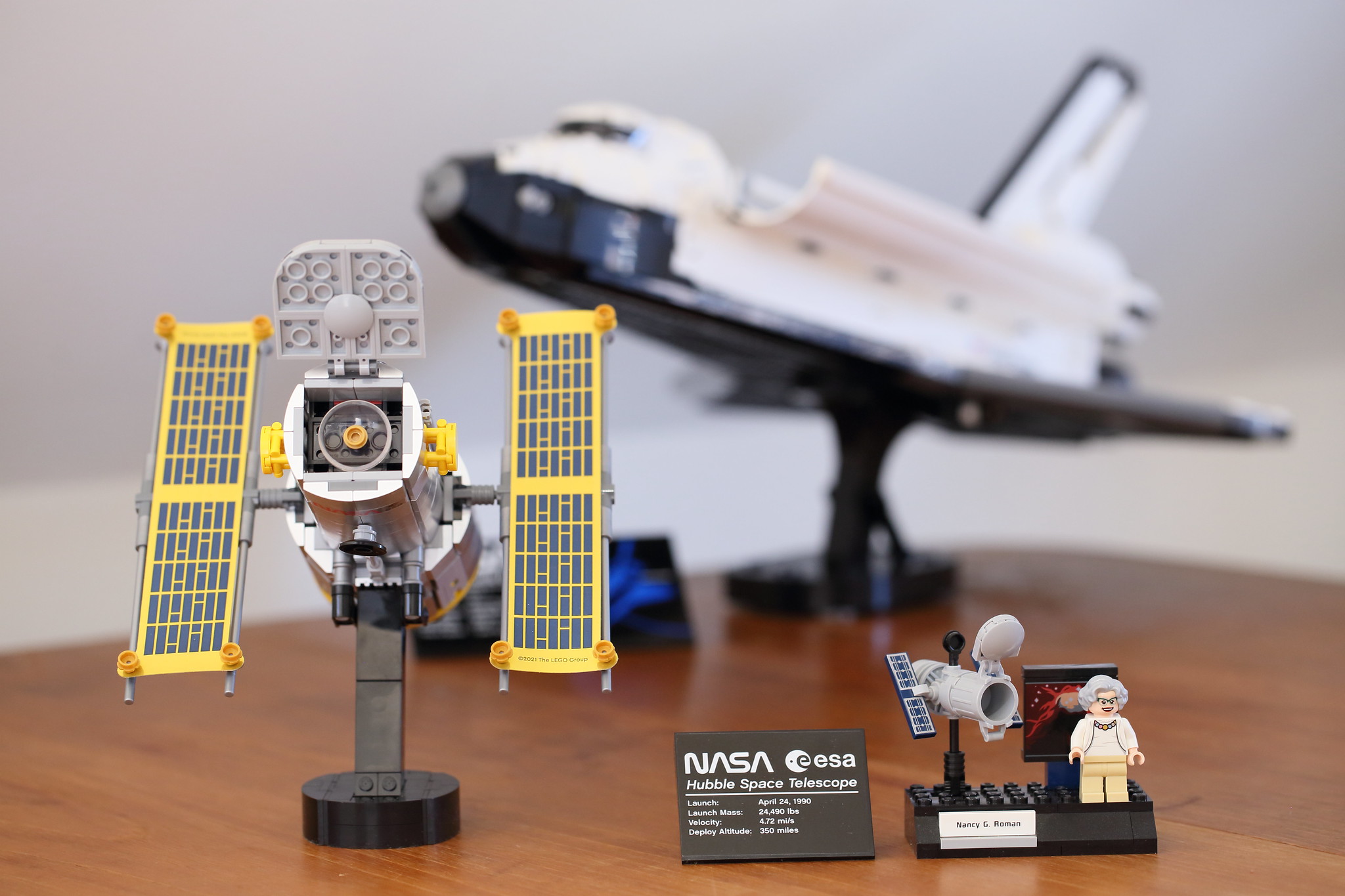
Lego Hubble Space Telescope from shuttle and Women of NASA sets
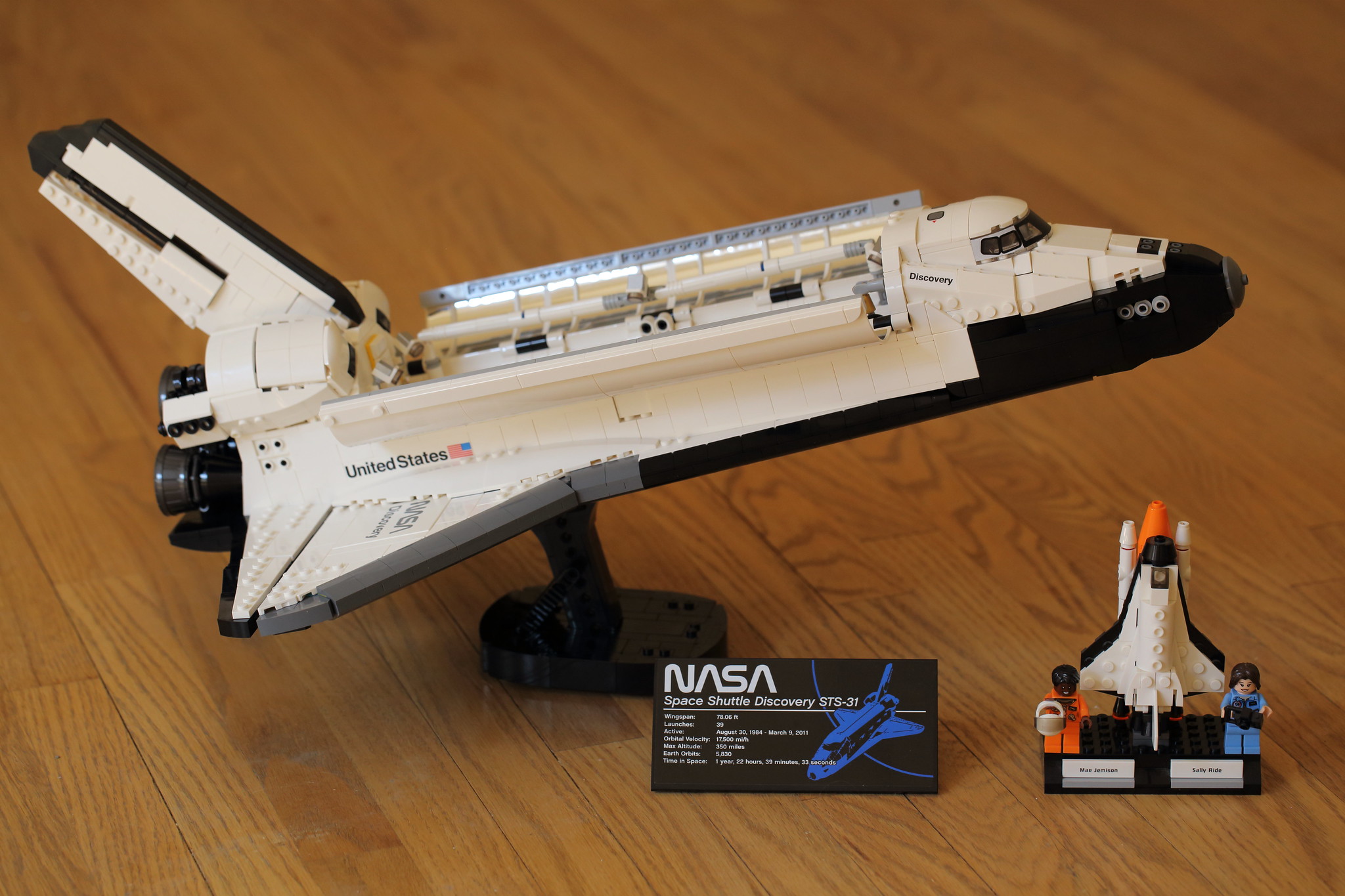
Lego Space Shuttle Discovery and shuttle from Women of NASA set
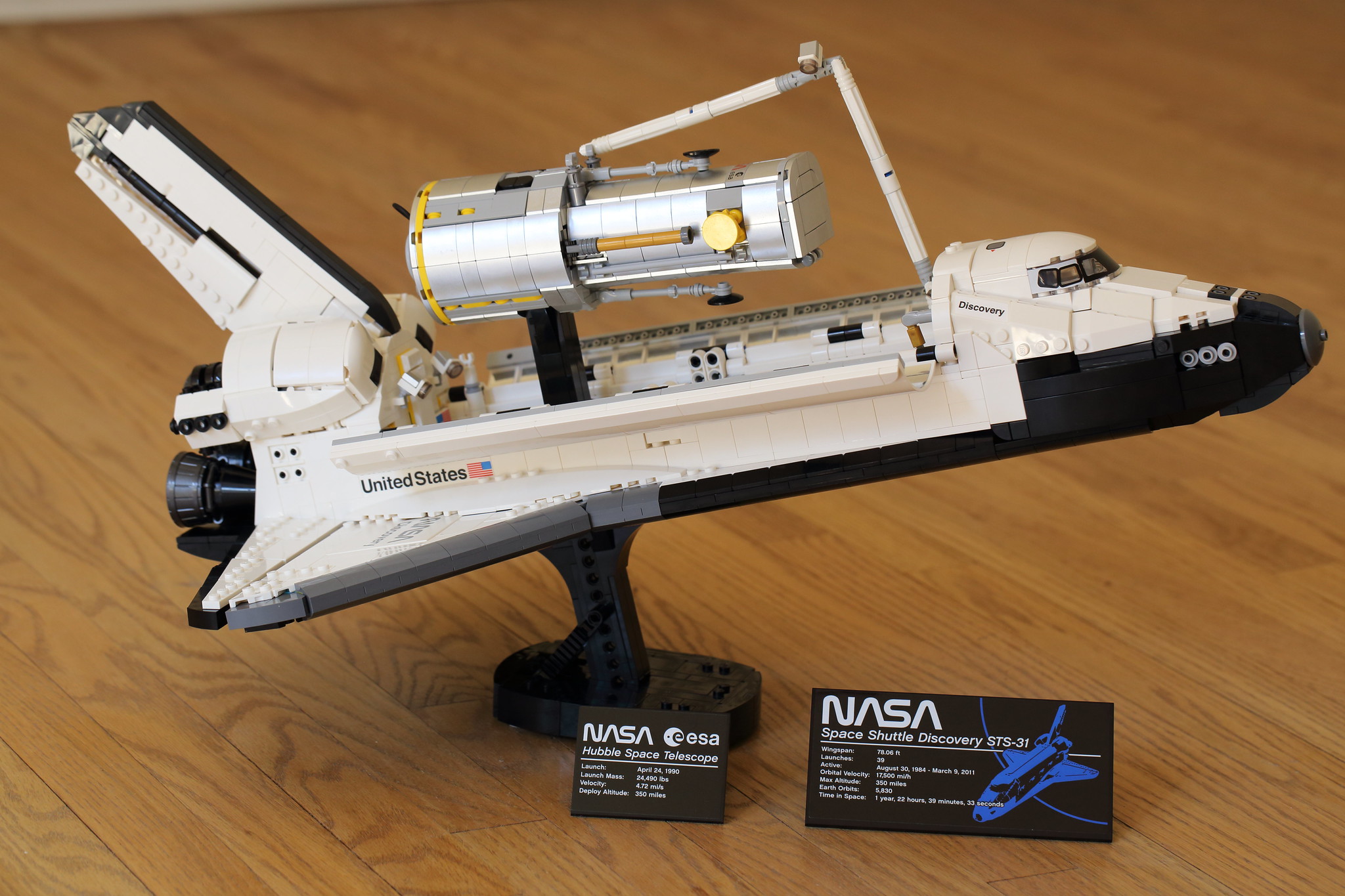
Lego Space Shuttle Discovery deploying Hubble Space Telescope
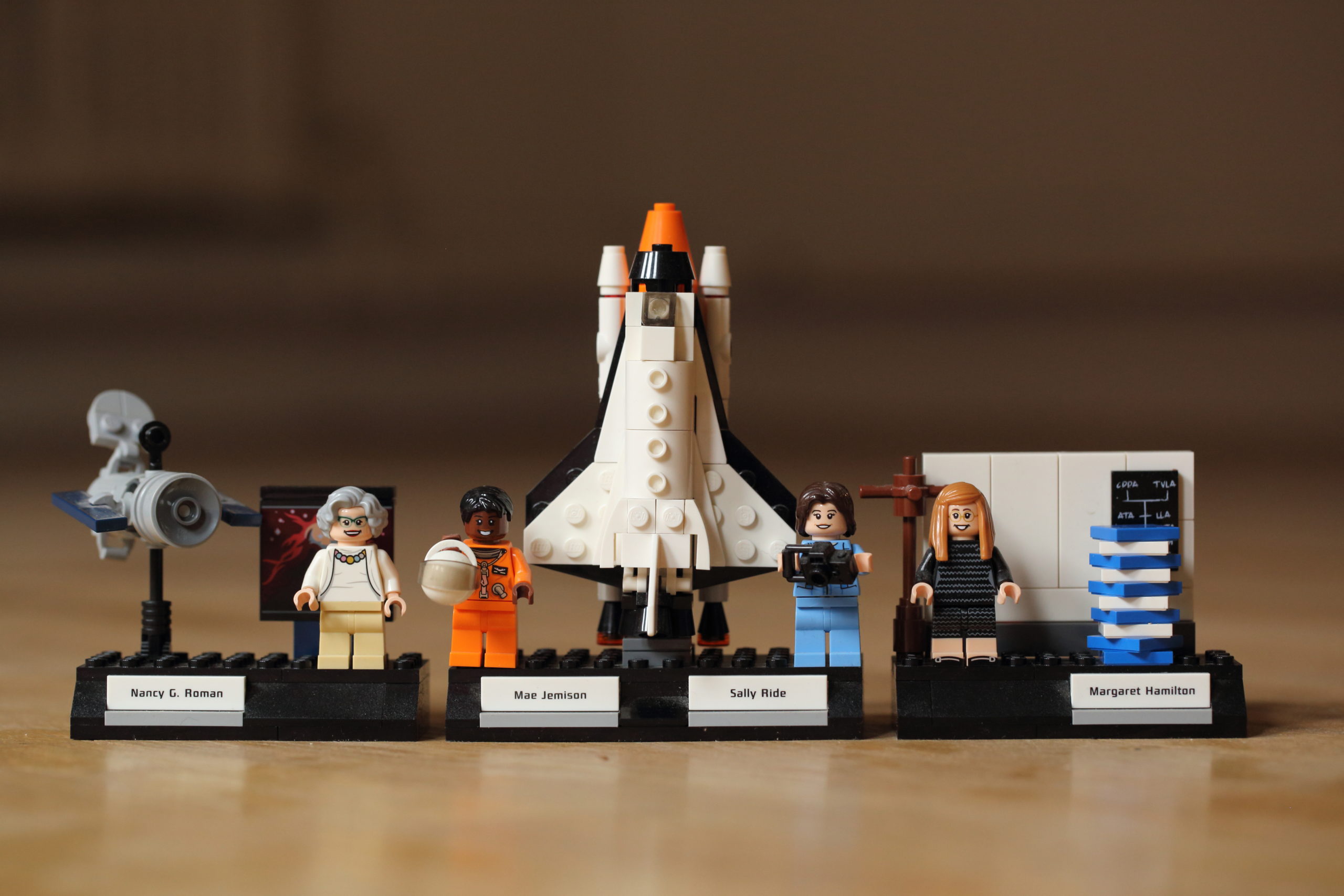
Lego Women of NASA
Nancy Grace Roman with the Hubble Space Telescope; Mae Jemison and Sally Ride with the Space Shuttle; and Margaret Hamilton with listings of the software she and her MIT team wrote for the Apollo Program
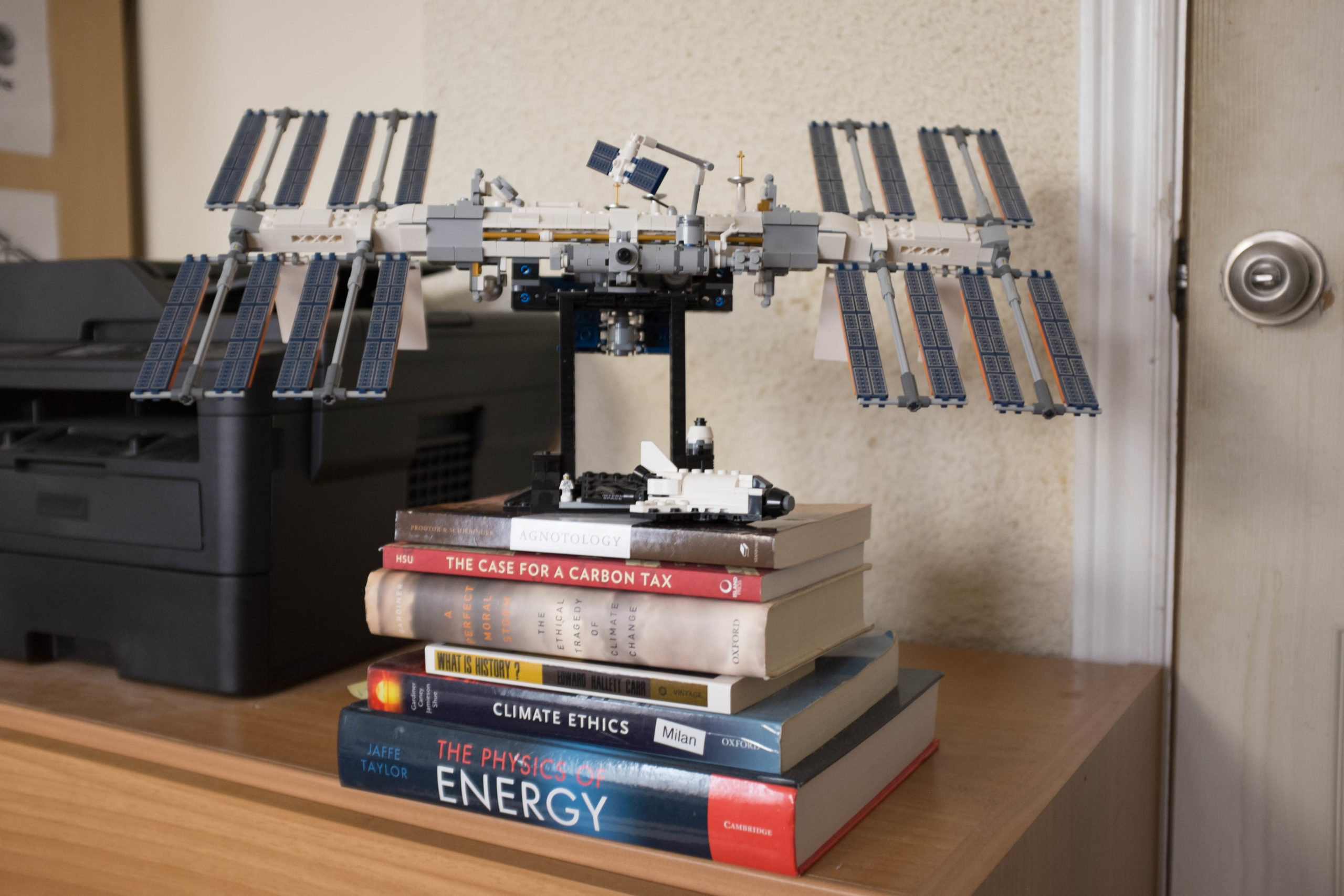
Lego ISS
Our psychological vulnerability to the con
In the 1950s, the linguist David Maurer began to delve more deeply into the world of confidence men than any had before him. He called them, simply, “aristocrats of crime.” Hard crime—outright theft or burglary, violence, threats—is not what the confidence artist is about. The confidence game—the con—is an exercise in soft skills. Trust, sympathy, persuasion. The true con artist doesn’t force us to do anything; he makes us complicit in our own undoing. He doesn’t steal. We give. He doesn’t have to threaten us. We supply the story ourselves. We believe because we want to, not because anyone made us. And so we offer up whatever they want—money, reputation, trust, fame, legitimacy, support—and we don’t realize what is happening until it is too late. Our need to believe, to embrace things that explain our world, is as pervasive as it is strong. Given the right cues, we’re willing to go along with just about anything and put our confidence in just about anyone. Conspiracy theories, supernatural phenomena, psychics: we have a seemingly bottomless capacity for credulity. Or, as one psychologist put it, “Gullibility may be deeply ingrained in the human behavioral repertoire.” For our minds are built for stories. We crave them, and, when there aren’t ready ones available, we create them. Stories about our origins. Our purpose. The reasons the world is the way it is. Human beings don’t like to exist in a state of uncertainty or ambiguity. When something doesn’t make sense, we want to supply the missing link. When we don’t understand what or why or how something happened, we want to find an explanation. A confidence artist is only to happy to comply—and the well-crafted narrative is his absolute forte.
Konnikova, Maria. The Confidence Game. Why We Fall for It… Every Time. Penguin Books, 2016. p. 5-6