Three follow-ups

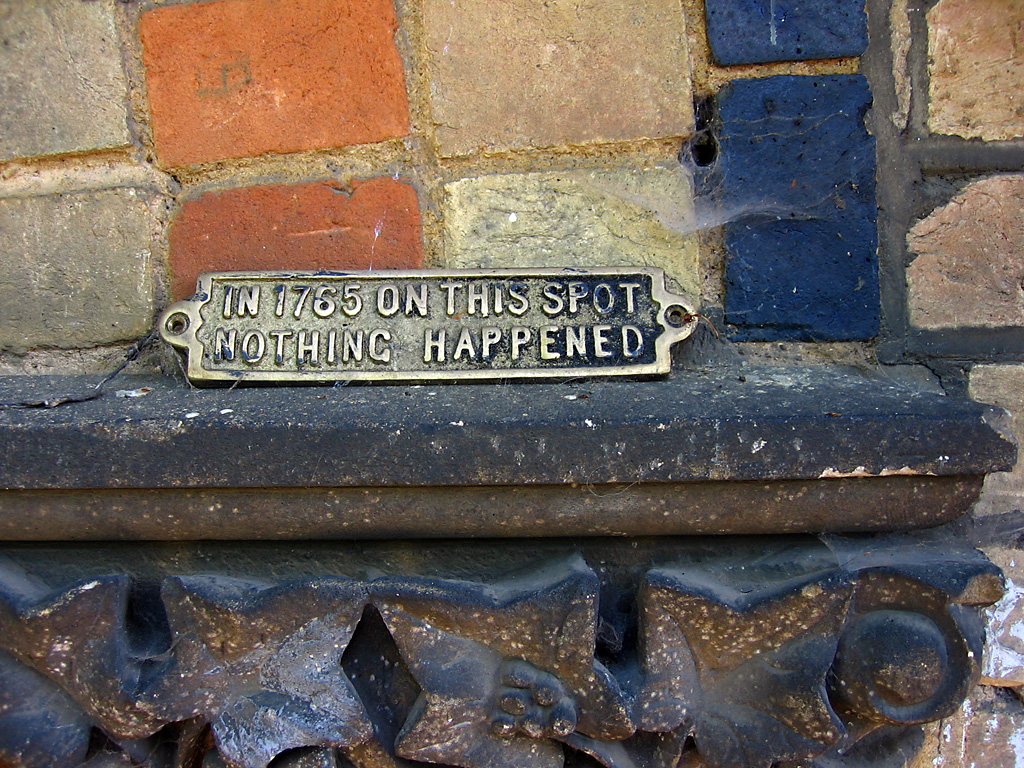
Nothing happened here

1) Remember how our flat got deprived of refrigeration? One week on, we are still subsisting off of bread and cheese we keep cold in the metal cages outside our windows. We call them the ‘alternative fridges.’

2) Remember how I lost the ballot for the Lake District trip with the Walking Club? Well, somebody dropped out. Because I expressed so much interest in it, they offered the spot to me. As such, I will be climbing mountains again from June 1st to 3rd. The only thing that would make it better would be having more than 16 days left before exams.

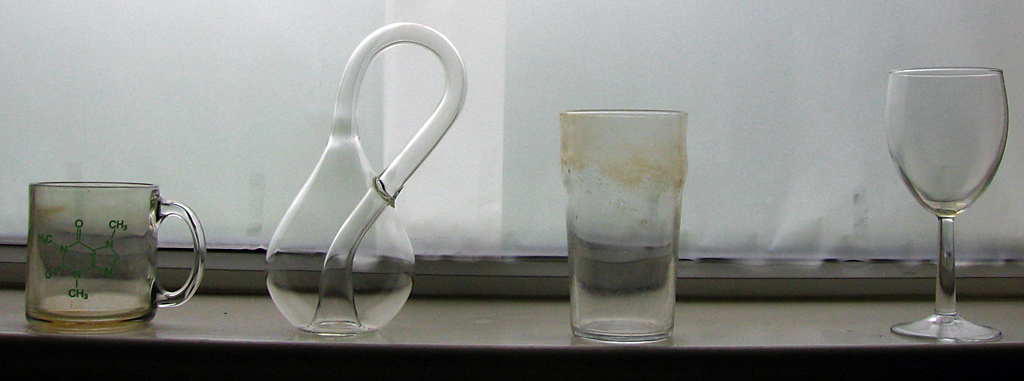
3) Remember ‘Studio Photography on the (very) cheap?’ Well, I have figured out how to build a large and effective diffuser for under $3. That was the purpose behind this query. Two sheets of A1 tracing paper turn out to perfectly cover the lower section of the window.

Note how English tea stains glassware. The picture would be a lot more attractive if I propped the glass objects up on something, cleaned them before taking the photo, and photoshopped away the tape holding the paper to the window and the place where the two sheets overlap. This was meant to illustrate the assembly, not be artistic of itself.

Alaskan fishing photos

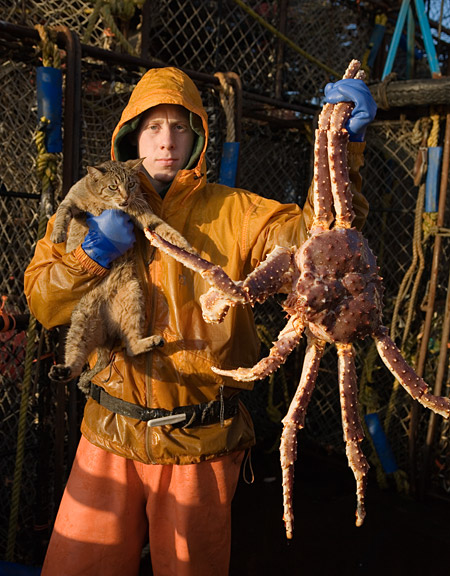
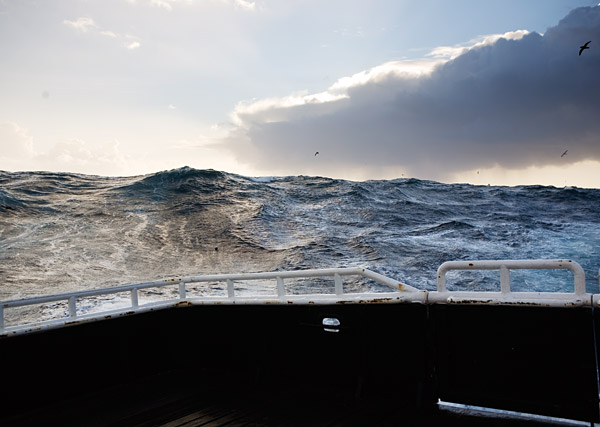
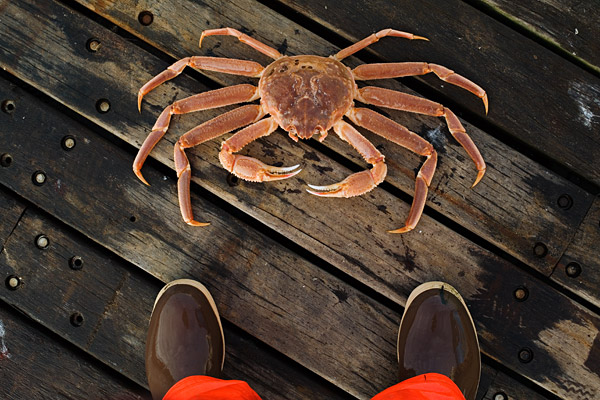
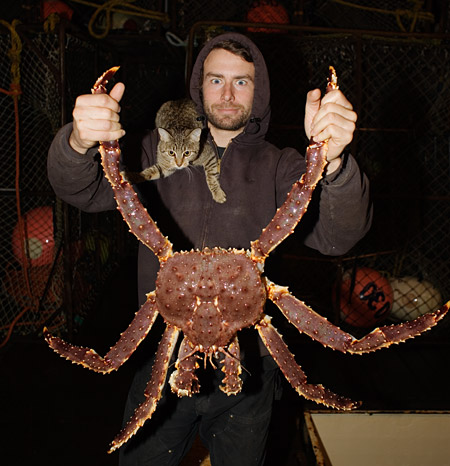
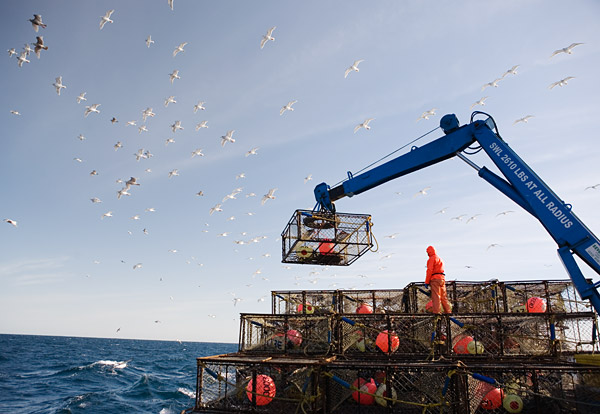
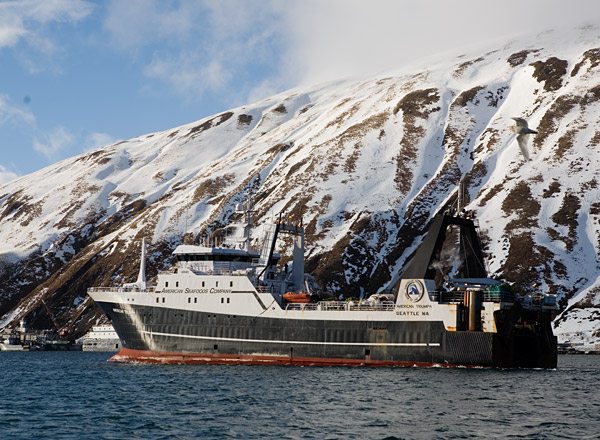
Here is an interesting series of photos about fishing in Alaska. There are huge waves, giant crabs, and a feisty cat. Having read so much about fisheries in the last few years, it is nice to have some visuals to accompany my thinking. Here are my favourites:

PS. Be advised that a few of the advertisements on the original page may not be work appropriate.

Protecting parks

While it is excellent to have national parks established, the difficulty with making them meaningful lies in the enforcement of rules on entry and activity within the defined territory. Even American national parks are having trouble with poachers. The problem is certain to be more acute in less affluent areas, where the impulse to protect nature is more immediately threatened by poverty. Just 14 rangers patrol the 4,200 square kilometres of the Nouabale-Ndoki national park in Congo. Technology can play a part in park management: from satellite tracking and motion sensors to networks of internet connected metal detectors looking for guns and machetes.

Ultimately, technical fixes will probably not be adequate protection in the most vulnerable areas. The reasons for this are primarily economic. There is more money to be had in exploiting the content of parks than in protecting it, and there is no incentive for local people to refrain from damaging activities and be vigilant in preventing others from doing so. As with climate change, the biggest challenge lies in creating institutional and financial structures that encourage environmentally responsible behaviour. Growing recognition of that among policy-makers and the NGO community may eventually lead to much more effective enforcement mechanisms.

This article discusses the TrailGuard metal detectors in much more detail. They sound very clever, even if they are unlikely to solve any problems in and of themselves.

Excellent nature photography

Wandering through the forums on photo.net, I came across the work of Wojciech Grzanka. His macro photography of insects is especially cool. Magnified insects look so other-worldly it is no suprise they have inspired to much science fiction and fantasy, ranging from the brilliant to the amusingly mediocre.

One of the best things about the photo.net community is the sheer level of skill and helpfulness among the community members. At the same time, the quality of other people’s images is almost certain to make you feel like a rank amateur.

PS. Grzanka’s website is pretty slick as well, though the images seem to be the same as those on photo.net.

GPS and navigation

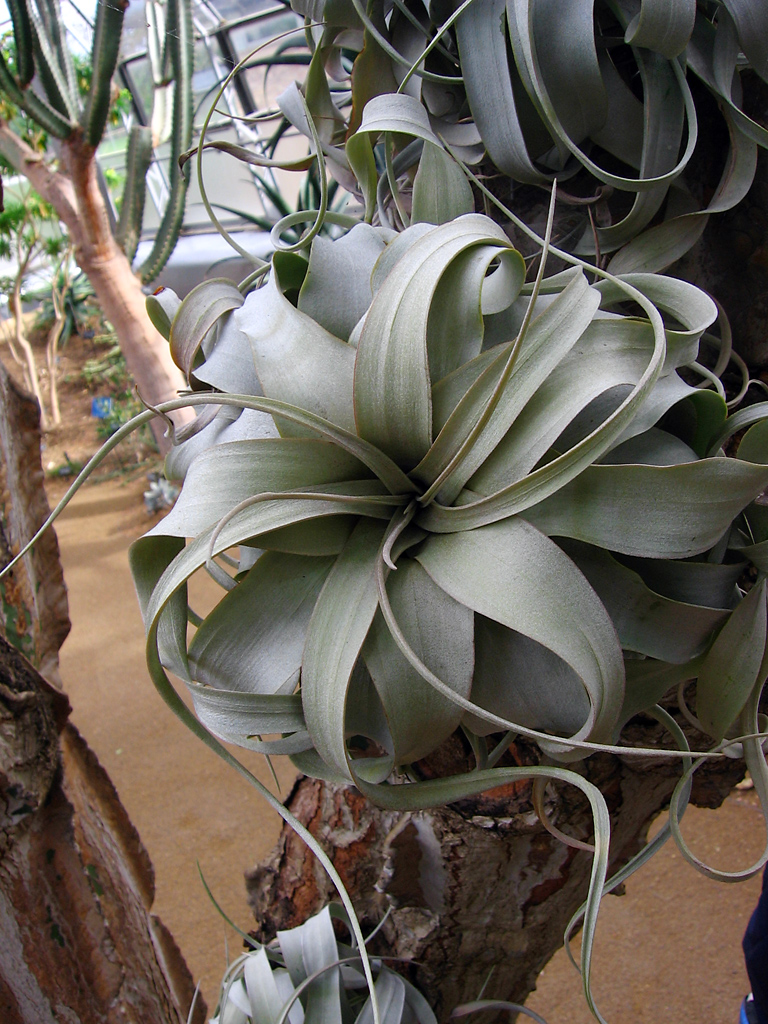
Oxford botanic gardens

I have been annoyed recently by full-page ads in which RIM is advertising the navigational capabilities of their new BlackBerries. They suggest that people can throw away maps and compasses and wholeheartedly embrace the combination of GPS and electronic maps.

I know firsthand how useful GPS can be. As an altimeter or a way of locating yourself in a featureless landscape, it cannot be beaten. Likewise, it is very helpful for quickly figuring out where you are when you are out on the water in a canoe or kayak. All the same, I think there is a fundamental value in being able to read a map, locate yourself on it, and work out a course to where you want to be. It isn’t enough to take a course in these things and forget about it. As with any complex skill, practice is important.

Some common sense is also a necessity, no matter how you are navigating. If your GPS-based automobile navigation system tells you to drive along train tracks, you should be aware that machines are fallible, and highly stupid as well. They have no common sense by which to evaluate whether, for instance, a bridge has been washed out or whether a linear course between A and B includes a series of lethal cliffs. There is also the small matter that some dead batteries a splash of water or a dropped piece of gear could knock out both your map and compass equivalent, if you are relying on a GPS system.

Related posts:

Oxford verdant and twittering

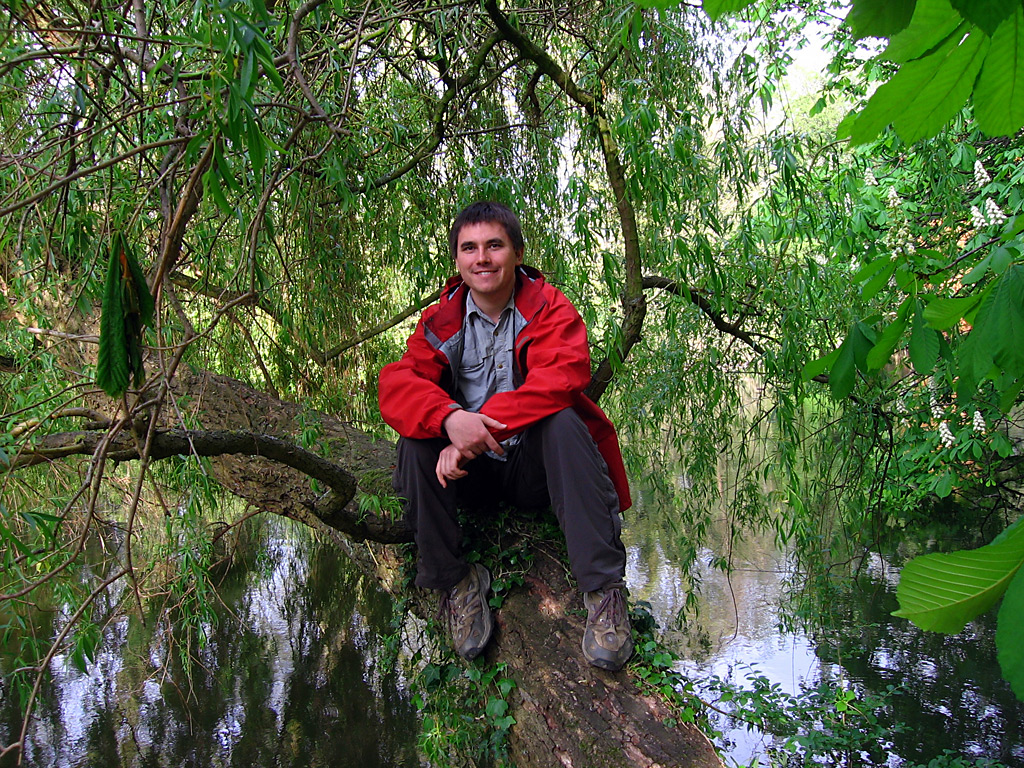
Milan Ilnyckyj in Worchester College

The emergence of spring in Oxford is rather dramatic. I would expect that this seems especially true for someone from Vancouver. Since most of our trees are coniferous, the degree of colour change that accompanies the passage of the seasons is much less pronounced. Our green mountainsides may spend less time obstructed by cloud-banks, but we are rarely treated to the elegant site of a large and ancient tree gaining or shedding its foliage.

In addition, Oxford seems to be positively thronged with birds these days: singing in the early morning and escorting the first – almost comically cute – ducklings along the banks of the Cherwell. All this has made showing Hilary around even more enjoyable. Today included a lengthy visit to the Natural History Museum and a far shorter one to the Museum of the History of Science, complete with the famous Einstein blackboard. Attending my first OUSSG meeting in a year in a non-executive capacity was enjoyable, even if I didn’t partake in the very fine dinner that takes place beforehand.

Speaking of the OUSSG, some of you may remember when I said that the Oxford University Strategic Studies Group needs a new webmaster? Well, the position remains open. The level of work involved is fairly limited and the group is a rather interesting one. Anyone who can run a blog knows enough about the web to maintain the site.

Mountain hat-trick

Metal fittings

I may be spending the weekend of June 2nd hiking in the Lake District of England. Along with the Highlands of Scotland and Snowdonia in Wales, this one of the most significant mountainous areas in the British Isles. The only problem is that the Walking Club trip is uncomfortably close to my final exams, which will be between the 11th and 16th. Whether participating is possible or not will depend on how frantic things are looking closer to the date.

Photos from Scotland and Wales are linked on this page.

Wales 2007 photos: fourth batch

Welsh landscape with sheep

Welsh landscape with sheep, taken on the third day of walking.

Lake in Snowdonia

Small lake, halfway up a mountain.

Welsh valley

Welsh valley, viewed from the highest point we reached on the third day.

Welsh moss

Snowdonia does not suffer for lack of moss. I like the colours.

Snowdon

A gloomy view of Snowdon, as well as the two other peaks we climbed on the first day. This is the last photo from Snowdonia that I will be posting.

Wales 2007 photos: third batch

Bridge in nature reserve

Bridge in the nature reserve we visited on the second day. Because of the low altitude and protected status, there was far more vegetation there than elsewhere in Snowdonia.

Pool of water

Pool at the base of a waterfall

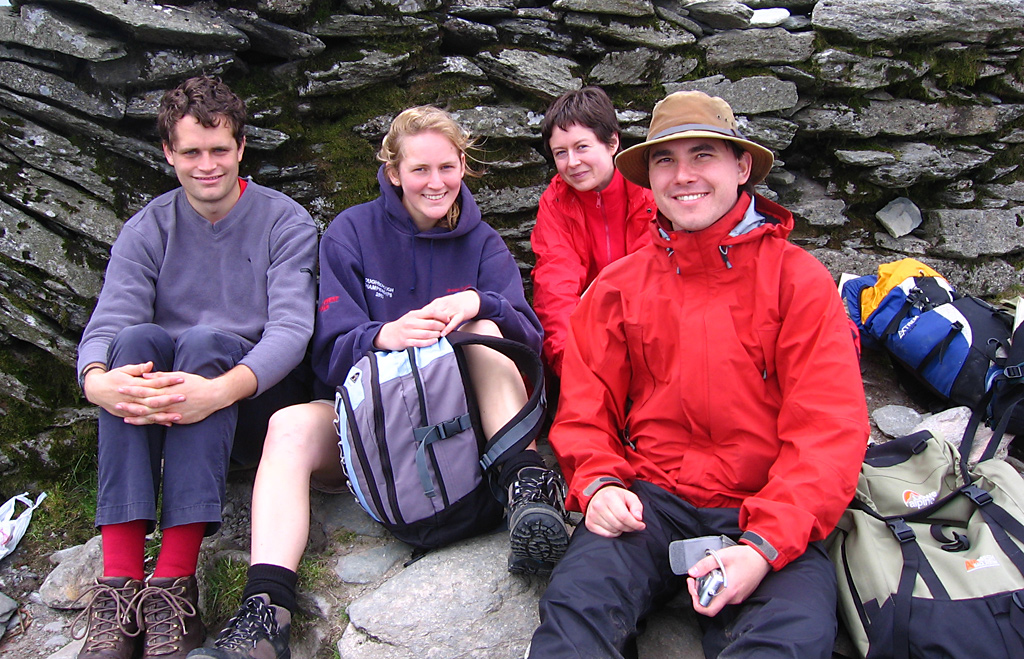
Oxford University Walking Club in Snowdonia

Another group photo, this one with me in it

Creek below waterfall

Creek flowing from the waterfall

Cabin in Snowdonia

View uphill to the ‘barn’ in which we stayed. Nearby was a small power plant, with turbines operated by water pressure. A long pipeline – resembling those for natural gas – ran down to it from a lake somewhere above us.