Briefly out of Oxford

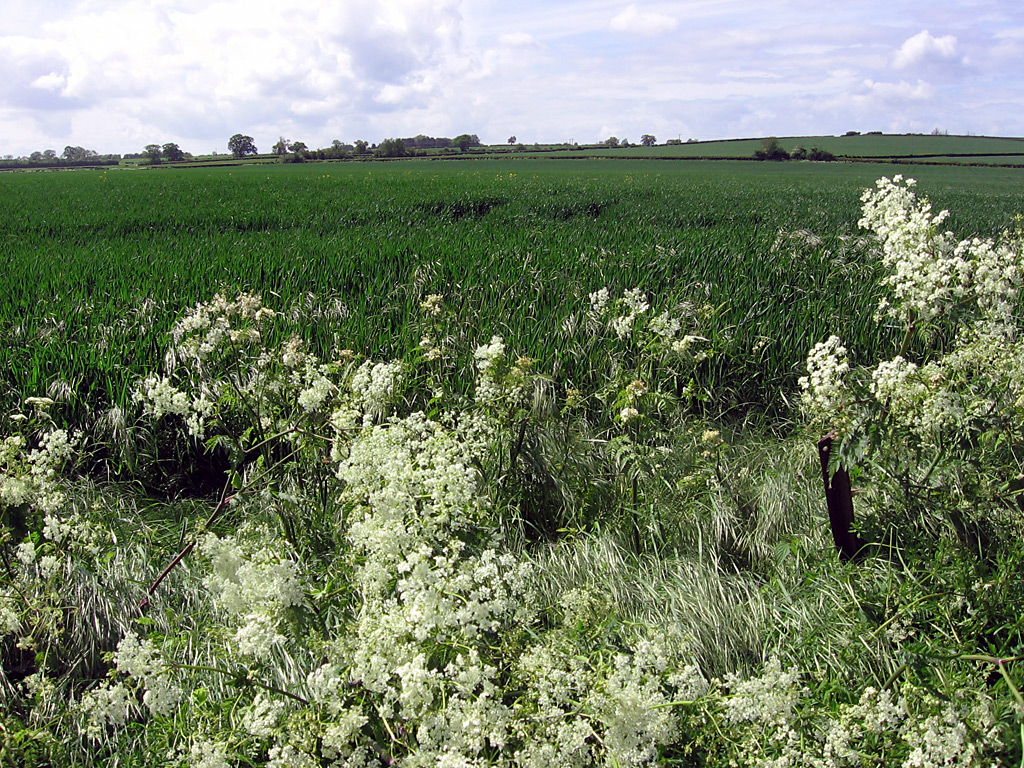
Fields north of Oxford

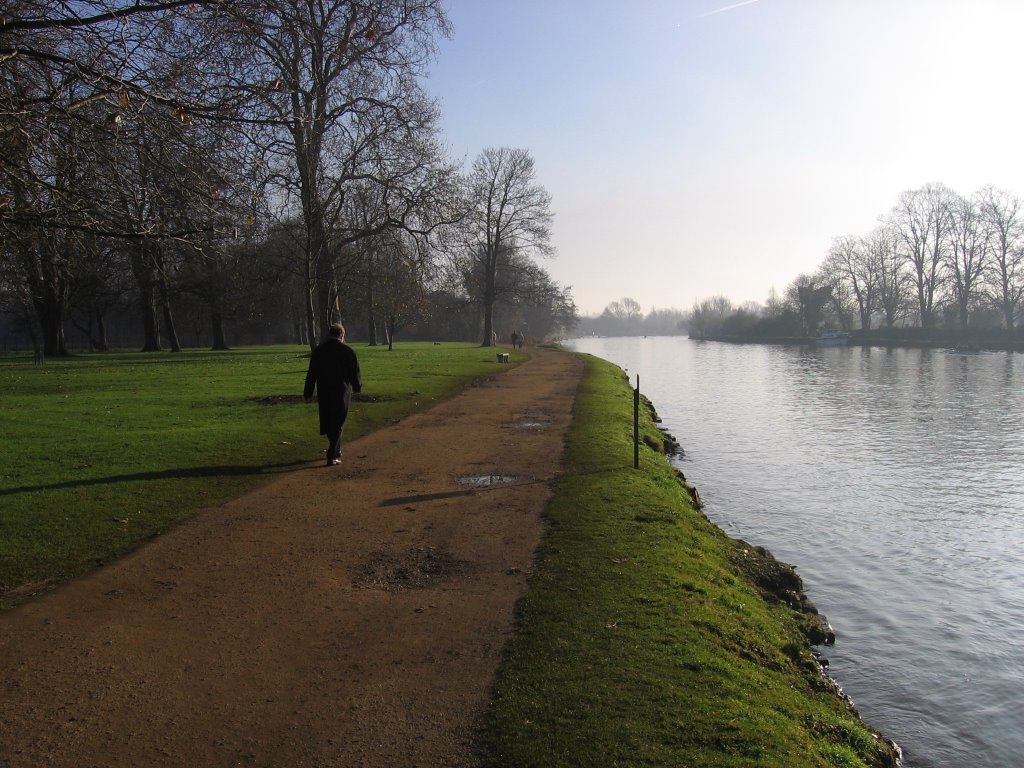
The light this afternoon and evening was just gorgeous: beginning as the kind of sharp afternoon that contrasts so markedly with the gray days of rain before, then softening with the return of clouds and the approach of sunset. It offered a good chance to head out of Oxford northwards, in the first expedition for the simple purpose of cycling that I can recall having undertaken in many weeks. As the longer, warmer days of spring arrive, I should try to get back into the habit of visiting Woodstock, 13.2km north by northeast of here, through Yarnton. Otherwise, I spent all my time in an area that runs south from our flat to Carfax, sometimes extending eastwards some way along the High Street and Cowley Road: Milan’s Oxford. On this little map, the red line above ‘University of Oxford’ denotes 1km. The blue polygon denotes the zone in which I spend more than 95% of my time.

The most notable thing about this ride was the empty space between towns. During the fading light of the late afternoon, they provided a sense of immensity in one’s surroundings that cannot be attained when there are ugly pinkish-orange streetlights overhead. On the way back, they provided ample demonstration that six volts and 5.2 amps behind a single halogen bulb is hardly sufficient to cut through a rainy English night.

PS. Privately to Maddie and Meaghan: thanks.

Final precipitous post

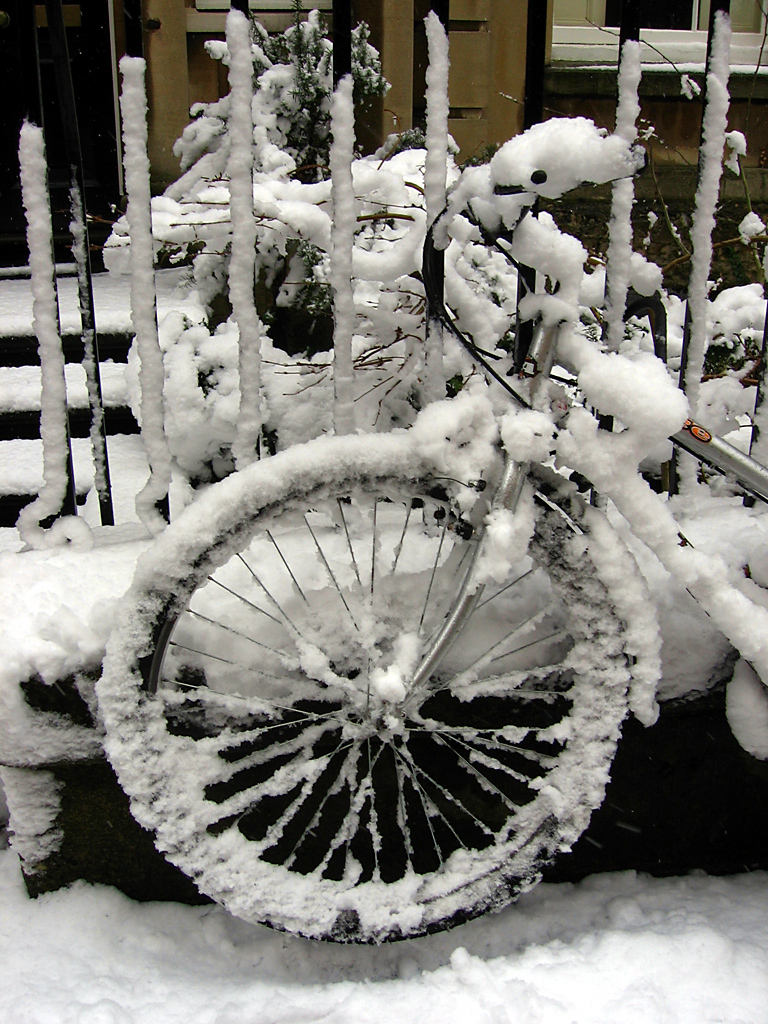
Snow covered bicycle

Walking around Oxford at night, in the snow, is the first time I have ever felt at all sensible wearing robes. I think it is a combination of the practical concerns of temperature and the suspension of normal rules of operation that always accompanies a Vancouverite after a snowfall.

I have always loved ‘extreme’ weather events, precisely because of the way they allow the subversion of normal modes of operating. Because of what I mean by weather, things like blackouts also count. Anything of a sufficiently super-human magnitude to let us legitimately question the rhythms of normal life tells us a lot about people; personally, the people who respond primarily with annoyance are the same sort who do not like Studio Ghibli films. That is to say, people with no imagination.

Halfway through Hilary term

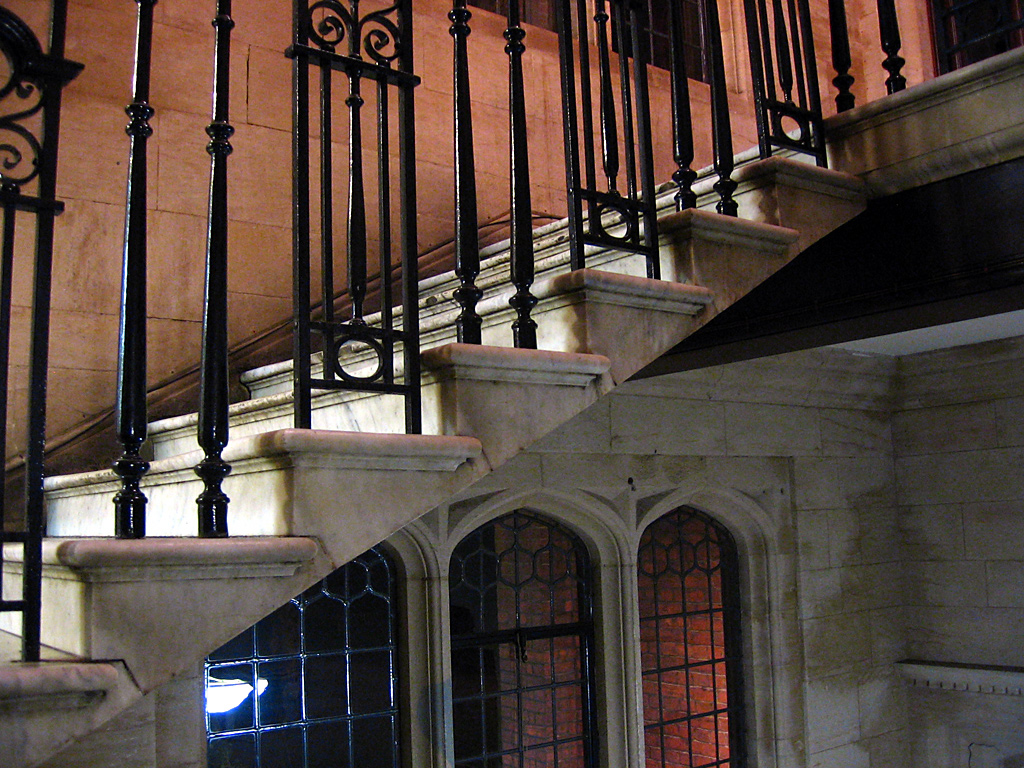
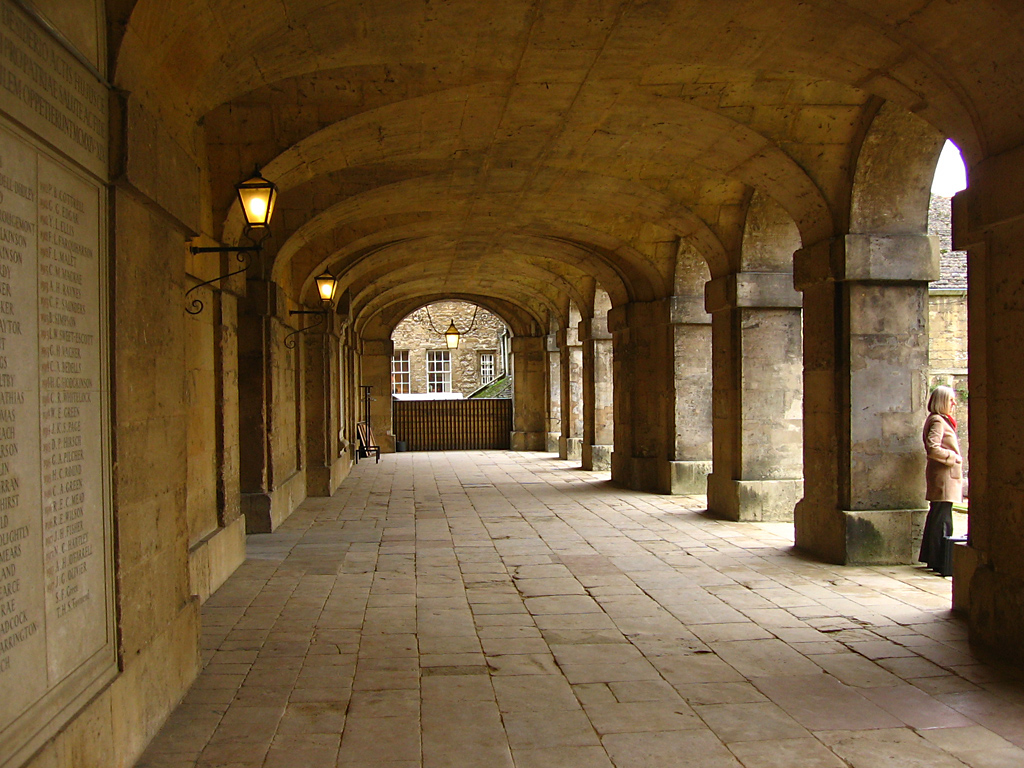
Staircase in the Oxford Union

The idea that I will be climbing Welsh mountains in just over a month is quite an appealing one. Between the weather and the need to do academic work, I have barely been cycling in any capacity beyond getting from my flat to the centre of town. As such, I have been feeling somewhat lumpish.

I am hoping to have virtually all of the critical reading for the thesis done by the time I am heading west with the Walking Club, giving the information the chance to consolidate with each bootstep upwards. I just hope it doesn’t treat my knees quite as cruelly as the Scotland trip did. I was walking strangely for the better part of a week, afterwards.

PS. This interactive page on orbital debris is really interesting. It includes information on the consequences of the Chinese anti-satellite test.

Excellent BBC nature series

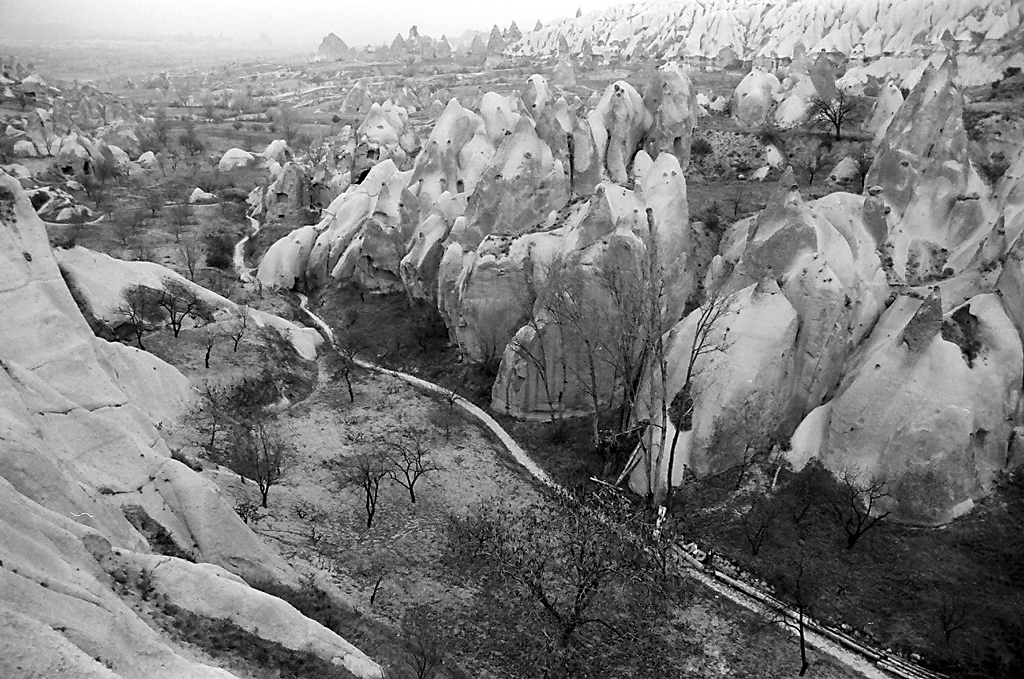
Landscape near Goreme, Turkey

Anyone interested in nature or geography should have a look at the spectacular television series “Planet Earth.” I watched a couple of episodes on Antonia’s very large television and was thoroughly impressed by the quality of the videography and the lengths they went to in order to get amazing imagery. I saw the episode featuring Lechuguilla Cave and another on mountains. Without a doubt, it is the best nature documentary series I have seen since The Blue Planet. Both were made by the BBC, and may constitute the strongest endorsement I have seen for that broadcaster.

I have been tempted many times to buy the DVD set of The Blue Planet, but don’t think it would be wise to buy the European version, which will not play on most North American devices. Both The Blue Planet and Planet Earth also have rather good websites. If you are in the UK, you can even download high resolution video clips. Unfortunately, they are only available as Windows-only DRM-protected Windows Media Player clips: hardly what you would want from a public broadcaster. Mac users will have to be satisfied with an excellent new background image.

Critical mass

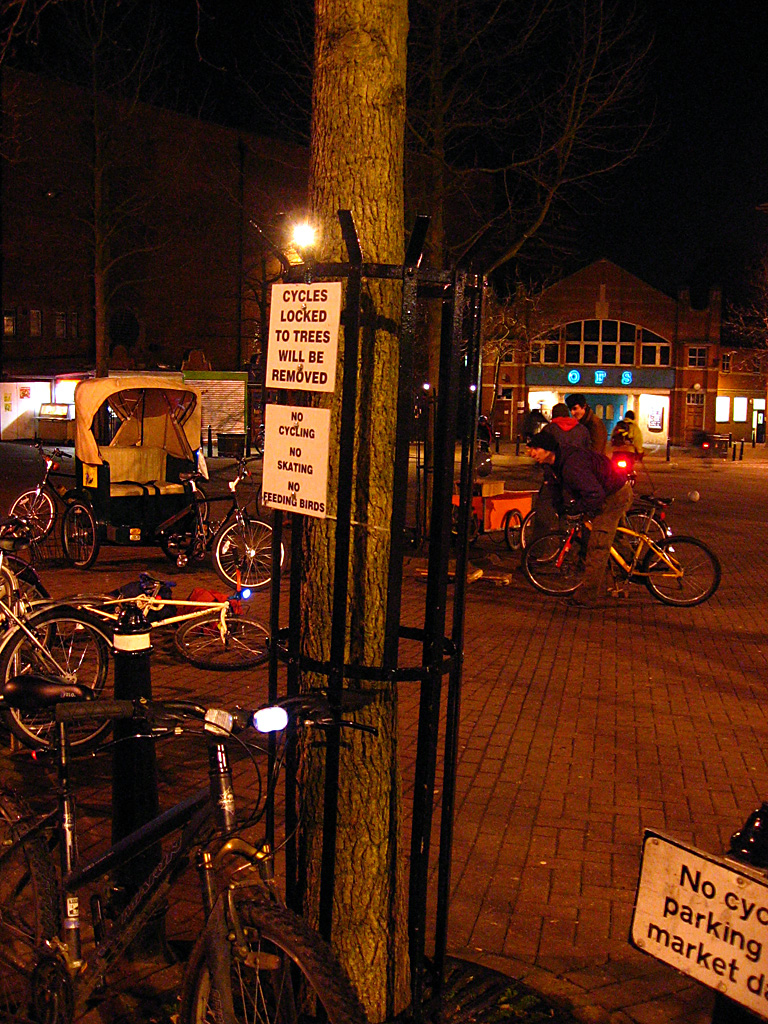
Critical Mass ride in Gloucester Green

On the way back from my meeting with Dr. Hurrell, I found myself in the middle of a Critical Mass bike ride: a social gathering where a group of cyclists assemble and ride together through an urban area. A recent dinosaur comic discussed it. There is much about the movement to recommend it: it fosters a sense of community and it raises the visibility of a healthy and sustainable form of transport. It also allowed me the opportunity to try bicycle polo, a somewhat precarious game that was played in Gloucester Green, following the conclusion of the ride.

As an advocacy act, critical mass rides involve some of the same questions as other attempts at altering the behaviour of others. Examples would also include those who tout the merits of a religion or lifestyle choice. While nobody appreciates an overzealous approach to acquiring converts, you can hardly feel strongly about the moral superiority of something and not at least gently prod others towards thinking as you do. Excessive deference to pre-existing beliefs – whether political, ethical, or religious – risks fostering a bland and unthinking society.

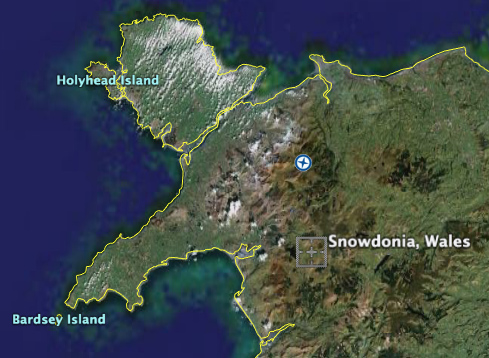
Mountains on the horizon?

Provided I win one of two ballots, I will be going hiking either in the Lake District or Snowdonia before the term is out. This is with the same excellent student group that arranged the trip to Scotland in July (photos).

I will know how my bid fared by Tuesday. On the off chance that neither was successful, perhaps I will go to Morocco during the Easter break, after all, though probably not by hitchhiking. While the thesis is daunting, there are simply too many excellent travel opportunities here for me to stay cooped up in the few square kilometres of Oxford.

Review: MEC Aegis jacket

About once a week, someone finds my blog while searching for a review of this jacket. As far as I can tell, there are none on the internet so far. The following is meant to serve as a correction to that.

Today has given me a good opportunity to try out the Mountain Equipment Co-op (MEC) Aegis jacket that I got this summer in really severe rain conditions. People who remember Dennis Nedry’s attempted escape to the dock in Jurassic Park will have some idea what I am talking about, though this is cool temperate rain rather than the lukewarm tropical variety. As in the past, it has proved both exceptionally weatherproof and quite breathable, especially with ventilation flaps open. A waterproof jacket in which you can cycle vigorously without getting drenched or steamed is a valuable thing, especially in a place that does such a good job of combining cycling as the major form of personal transport and rather wet winters. As far as I can tell on the basis of three months’ usage, this is the finest technical jacket I have ever owned.

The things I like most about the Aegis jacket:

  1. It is very waterproof, and works well as part of a layering system. 3-ply Gore-Tex XCR is about the best you can do, in terms of breathability, water resistance, and durability.
  2. It has lots of nice refinements: taped seams, a good adjustable hood, etc. The fact that even the under-arm zippers are of a very waterproof variety shows attention to detail. The hood works tolerably underneath a bike helmet, though at considerable cost of lost field of vision.
  3. The entire Gore-Tex membrane is lined on the inside, improving breathability and durability quite a lot.
  4. The pockets are waterproof enough that I do not fear for electronics inside, even in really awful conditions.
  5. Unlike my previous jacket, the elastic wrist cuffs do not seem to saturate with water.
  6. Capable enough for serious outdoor activities in very wet conditions, but also reasonable for wearing every day. That is, if you don’t mind announcing pretty loudly that you are from the west coast of North America.
  7. It is made in Canada, which is pretty amazing for a garment.
  8. Compacts well, for being carried around in a pack. (Weight: 730g)
  9. In my experience, MEC has an excellent record of dealing with any problems that crop up in their products. They replaced an MCR WhisperLite stove that had been used for more than a week (during the second Bowron Lakes trip), because it had a fuel flow problem.

And those I like least:

  1. Since it is just a shell, the fabric can feel a bit tarp-like, when it is worn without an insulating layer underneath.
  2. The rigidity of the collar takes some getting used to, though it really does keep out the rain, even when the hood is not being used.
  3. The bulges produced by gear in the four pockets are quite unflattering. At least, they are when you carry a wallet, a small digital camera, liner gloves, and personal audio gear in it almost all the time.
  4. There are no hip-level pockets. Sometimes, this forces me to put my least important electronics in enormously less waterproof pant pockets.
  5. The price is pretty high (C$340), though that becomes less of an issue if it lasts five years or longer, as I fully expect it to.

People with questions can feel free to contact me, or leave a comment. I will probably post some updates when I’ve had the jacket longer and used it in more varied conditions.

[Update: 31 October 2007] This is one tough jacket. Earlier tonight, I was thrown forward off my bicycle onto pavement. I scraped along for a little bit, bruising my arm and ribs. Upon inspection, the jacket shows no visible sign of having suffered from the incident.

After nearly a year of wearing this jacket almost daily and in all conditions, it is still in great shape overall. Buying it was a good choice

Goreme stargazing

Stargazing equipment

Last night, Ivanka and I decided to brave the cold so as to get a view of the starfield, far removed from city lights. While we were stymied somewhat by the haze that exists as thickly here as in Istanbul, we nevertheless got quite a spectacular view. Stars that have been obscured for the whole of my time in Oxford were visible to the extent that it was challenging to pick out familiar constellations within the multitude. The view of the town from above, with tungsten and fluorescent lights throwing complementary colour casts, was also worth the climb and the exposure.

I now have more empathy towards astronomers who freeze themselves on windswept mountaintops, so as to capture astounding images of the sky.