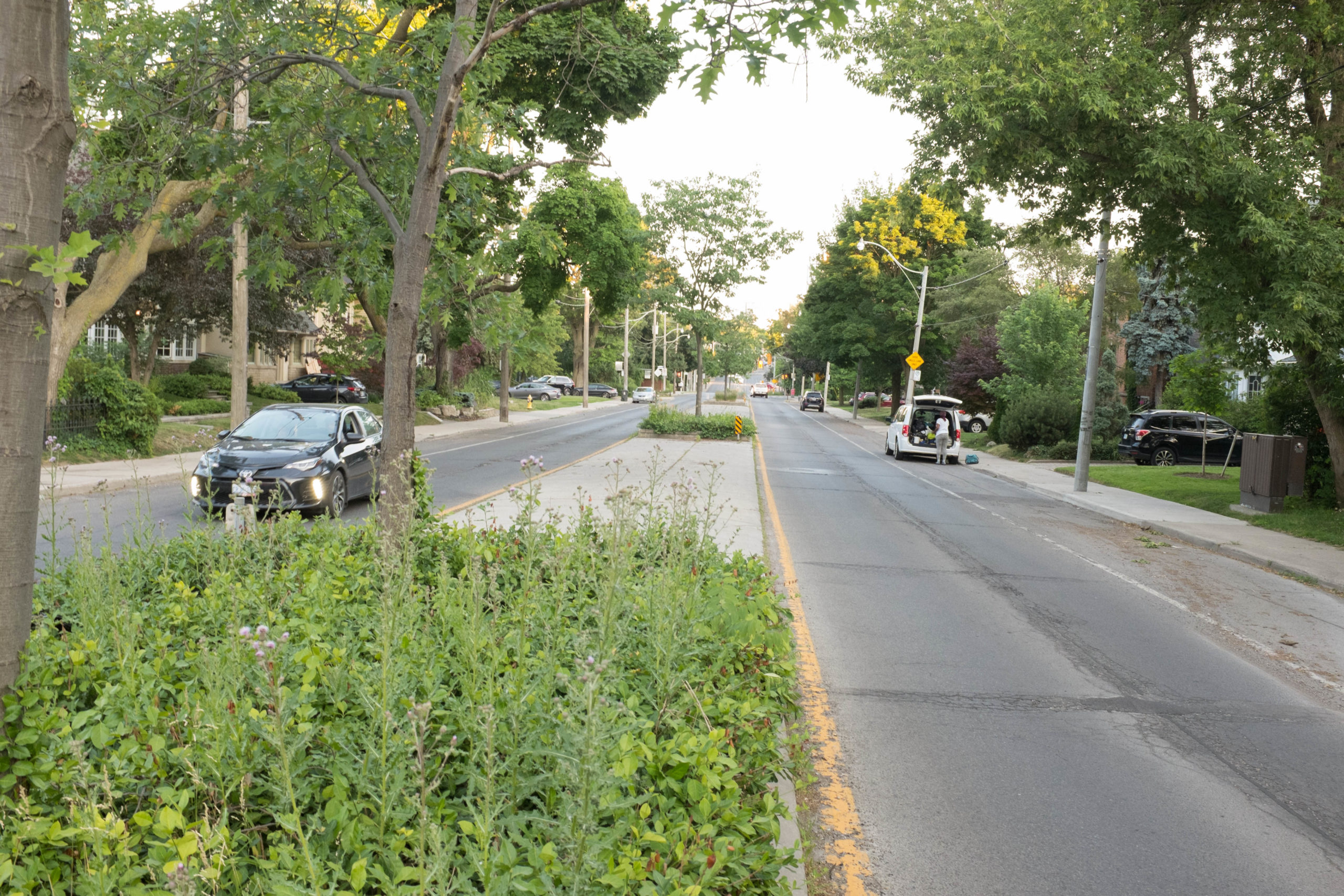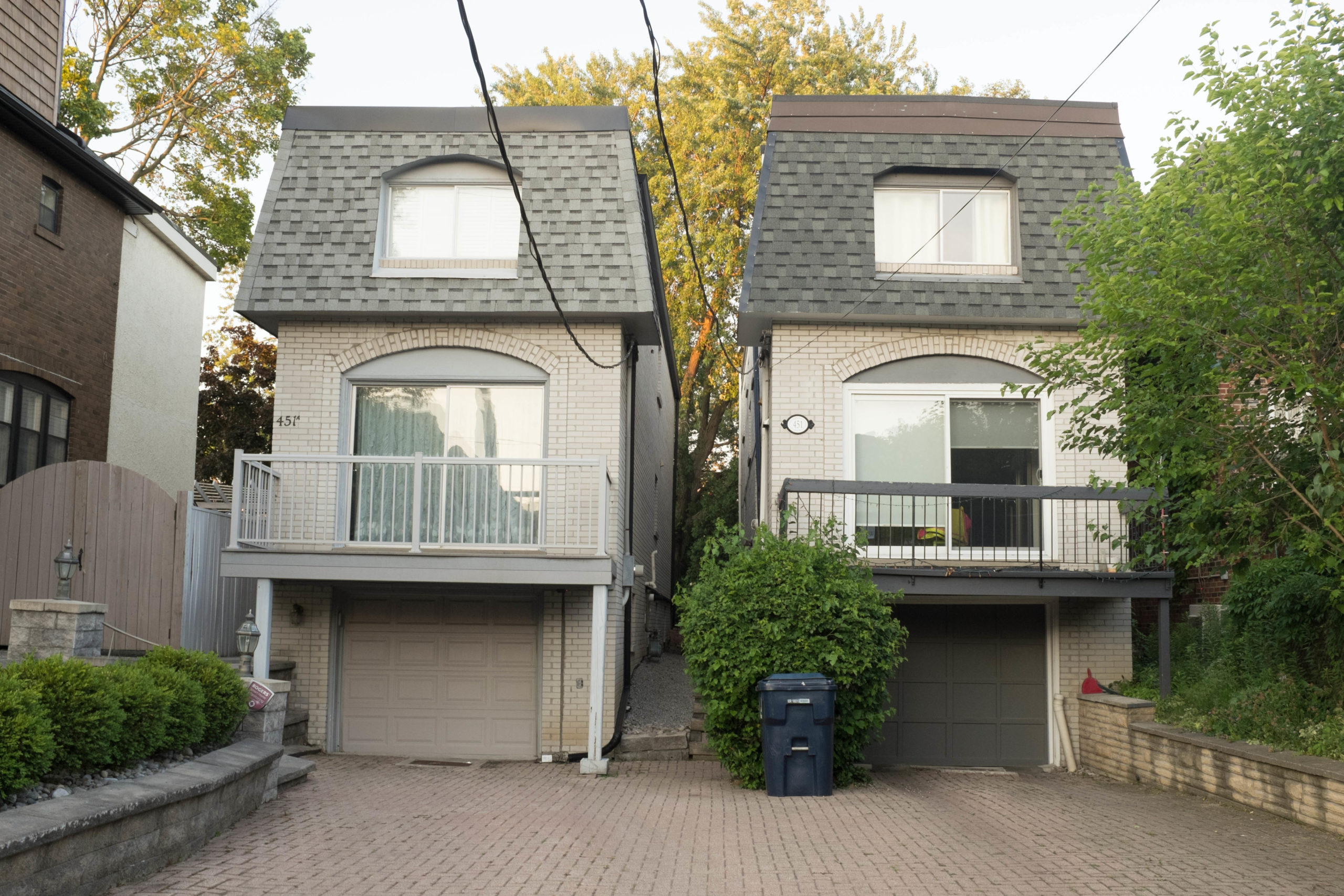
Bert Robinson Park, 11:32pm

Four substantive chapters make up the argument of my dissertation, covering metaphors or categories from the academic literature on contentious politics: the political opportunity structure where activists develop approaches to advance their goals; the mobilizing structures they use to choose priorities and make decisions; the repertoires of contentious actions they perform; and the framing which comprises their world view and theory of how to achieve political change.

I have written many versions of each, in drafts going back for at least a couple of years now. Continuous interaction with my advisory committee is making them more concise and focused on defending specific claims.

I had a fourth version (v4) of the thesis a couple of years ago, but it was an intolerable 700 pages and my committee members had many other comments on what was important to conclude and how to structure the argument.

A few months ago I had a sixth version (v6) available for the committee (the fifth was clean sheet rewrite which I never got far into). It was cut to about 50 pages per chapter to leave room in a standard 300 page dissertation for an introduction and conclusion.

Since then and in close consultation with my committee I have been revising the introductions to each substantive chapter — which lay out a structure and argument and explain how the content of the chapter relates to the through story of the dissertation. With a round or two of meetings or comments we revise an introduction, then I redraft the rest of the chapter based on the largely-formed raw material of v6.

Tonight I sent the revised version of the repertoires chapter, which along with political opportunity and mobilizing structures (which they have already seen and told me to proceed from) will comprise 3/4 of the main text.

I have been very grateful for an enormous amount of sympathy, aid, and support from family members and friends. The whole PhD experience has been shaped by the people who I have been fortunate enough to be close with over these years. Your aid has been indispensable throughout this process of coming up with a book-size idea… and then wrenching it out of my brain as an actual book.

What Vancouver means to me now

In many discussions over the years about the ethics of travel and climate change, I have pushed back against the idea that people need to travel with the counter-claim that they have structured their lives to create that apparent necessity. If you think you need routine visits with someone on the other side of the world, it is because you have both structured your lives with the assumption that rapid travel across the planet will and should be available.

Preparing for my trip to Vancouver in August and September for my brother Mica’s wedding (which is taking the place of the post-PhD trip I had been planning to settle my affairs and move everything out of my parents’ house) I am being reminded of how structuring your life to not include long-distance travel gradually erodes your connection to any distant communities that you had a link to. I had a nightmare a year or more ago about being in Vancouver with my laptop and address book, and realizing that I had nobody left to visit there. Aside from my parents, that’s now not massively far from the truth. I haven’t spent any significant amount of time in the city since I finished at UBC in 2005 and — even though I try to make a special effort to keep friendships going despite time and distance — it’s quite understandable that occasional Christmas and birthday emails haven’t sustained much of a connection with people who I knew from my undergraduate days and before. Back in my undergrad days, I would try to host a couple of big parties each year to help friends from different communities meet each other. If I tried to arrange a party now, I doubt whether anyone would come, if I could even put together a list of people in the city to invite.

Of course I don’t need a party of my own, and Mica and Leigh’s wedding should provide all the celebration anyone should need. Still, the feeling that I have hardly anyone to see in Vancouver reinforces my idea about the original purpose of this trip: to settle affairs in Vancouver such that nothing which I need to get done will necessitate another trip to the city. While the sense behind the sentiment is clear enough, I can’t help feeling somewhat sad and alienated to think of how the city’s role has transformed for me, from a home town which I felt I had explored extensively and knew well into a strange and changed place where I cannot see a place for myself economically, socially, or professionally. The fact that Toronto’s housing hell makes it hard to see a place for myself here too only adds to the sense of loss and alienation.

Exposure of individuals’ investments to the carbon bubble

Further substantiation of the carbon bubble / stranded assets argument that if governments act seriously on their climate goals then a huge amount of fossil fuel investment will become worthless:

Nature Climate Change study: Stranded fossil-fuel assets translate to major losses for investors in advanced economies

Guardian reporting: People in US and UK face huge financial hit if fossil fuels lose value, study shows

Related: