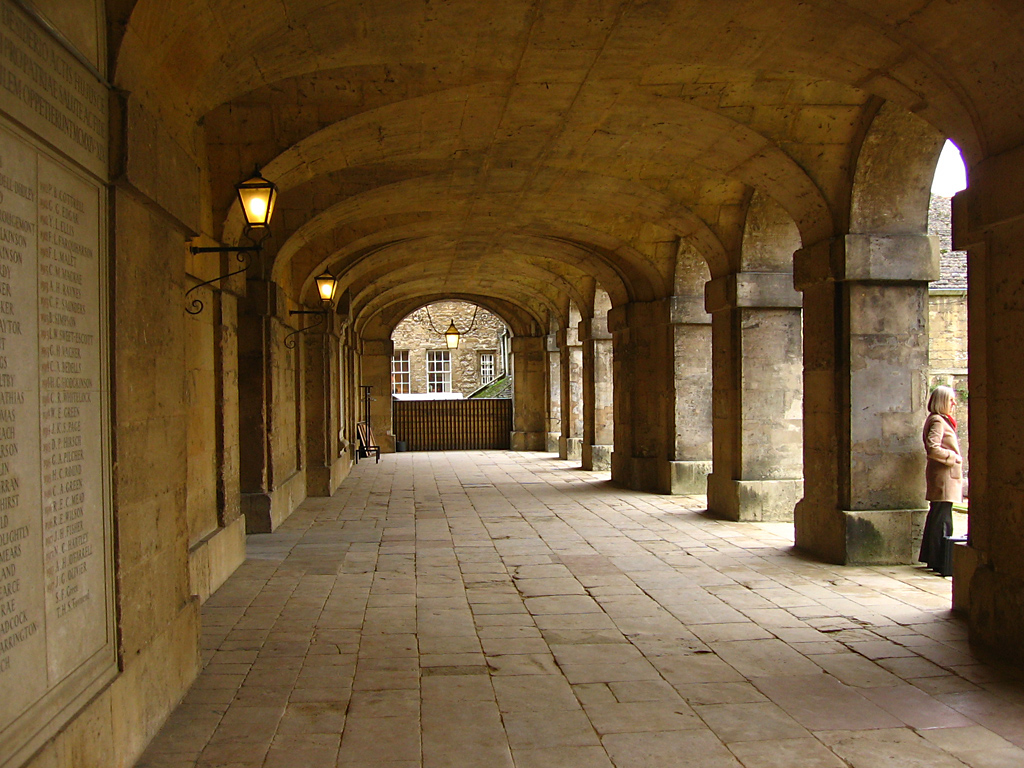
Oxford colleges cataloged

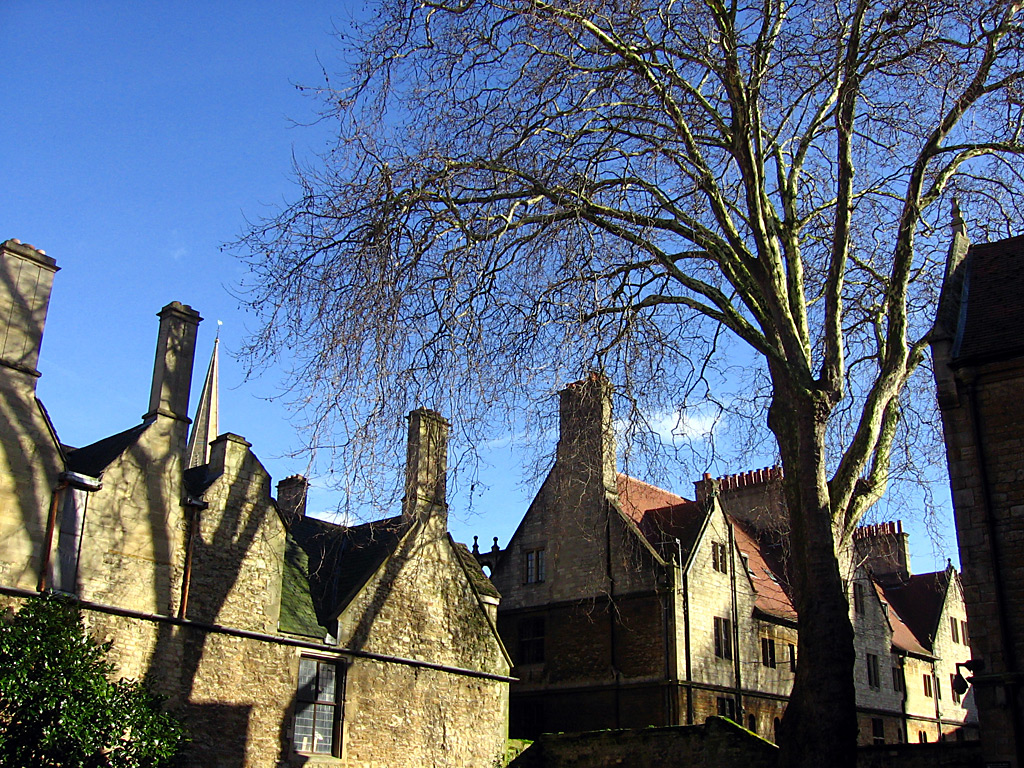
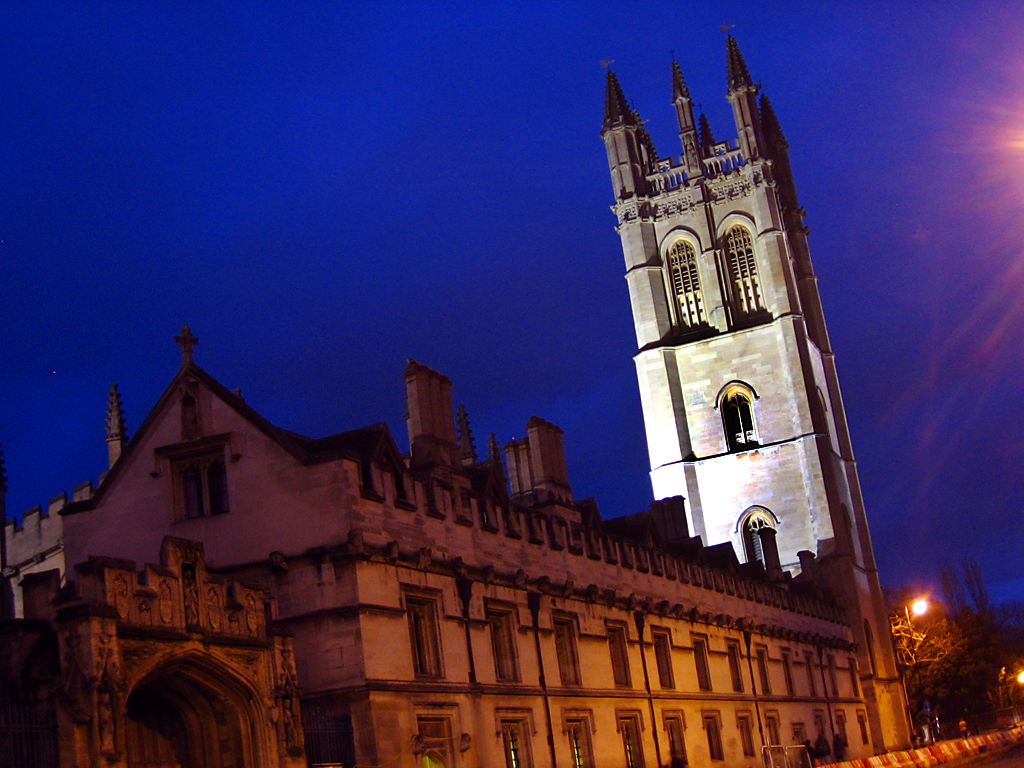
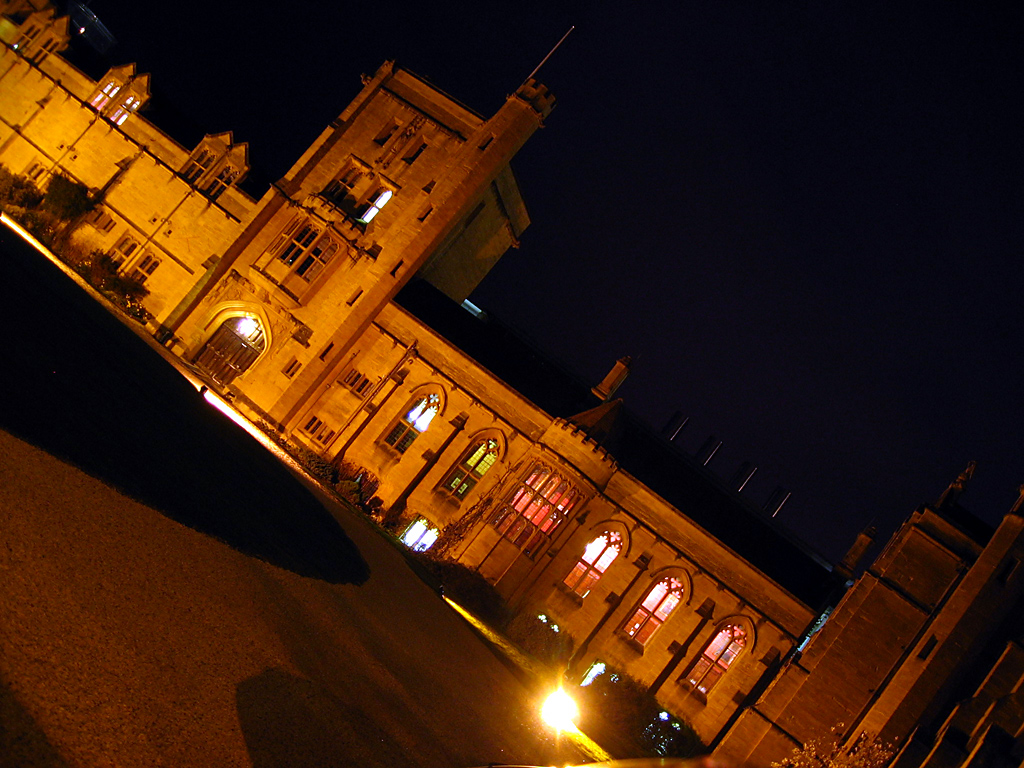
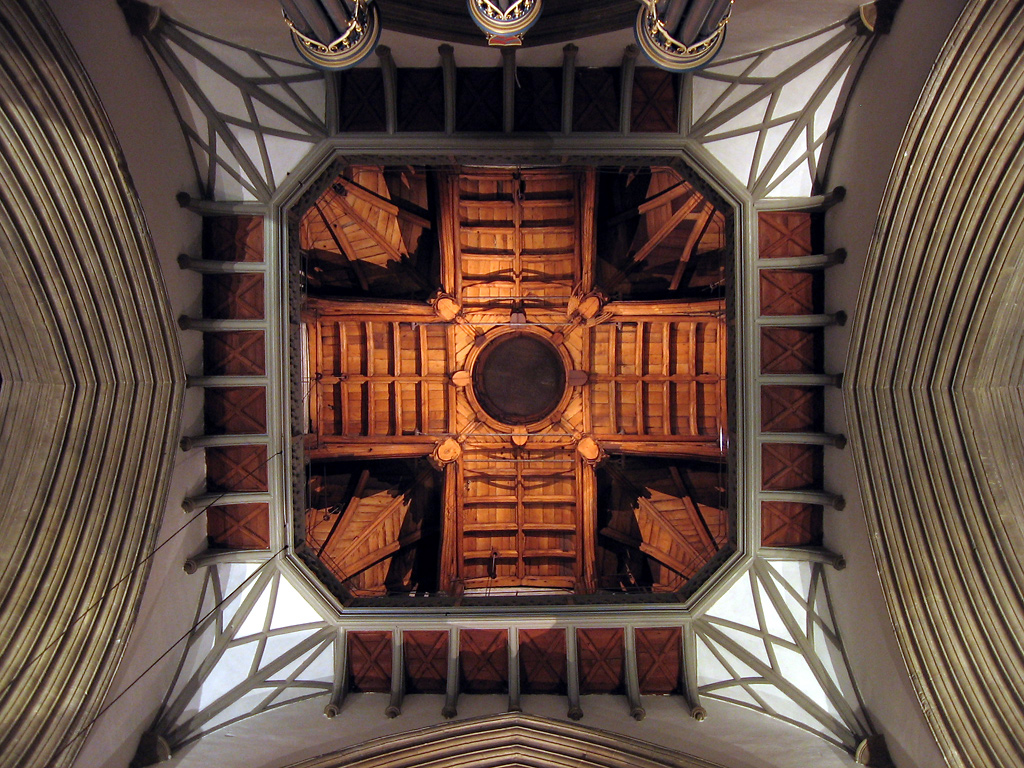
With 131 days left as an Oxford student, it seems time to complete my collection of Oxford college visits. In the list below, those in bold have been explored thoroughly (sometimes with an explanation in parentheses). Those in italics have been ducked into, usually only to see the main quad. Those that are links are ones for which I have photographs online, with the link going to an example:

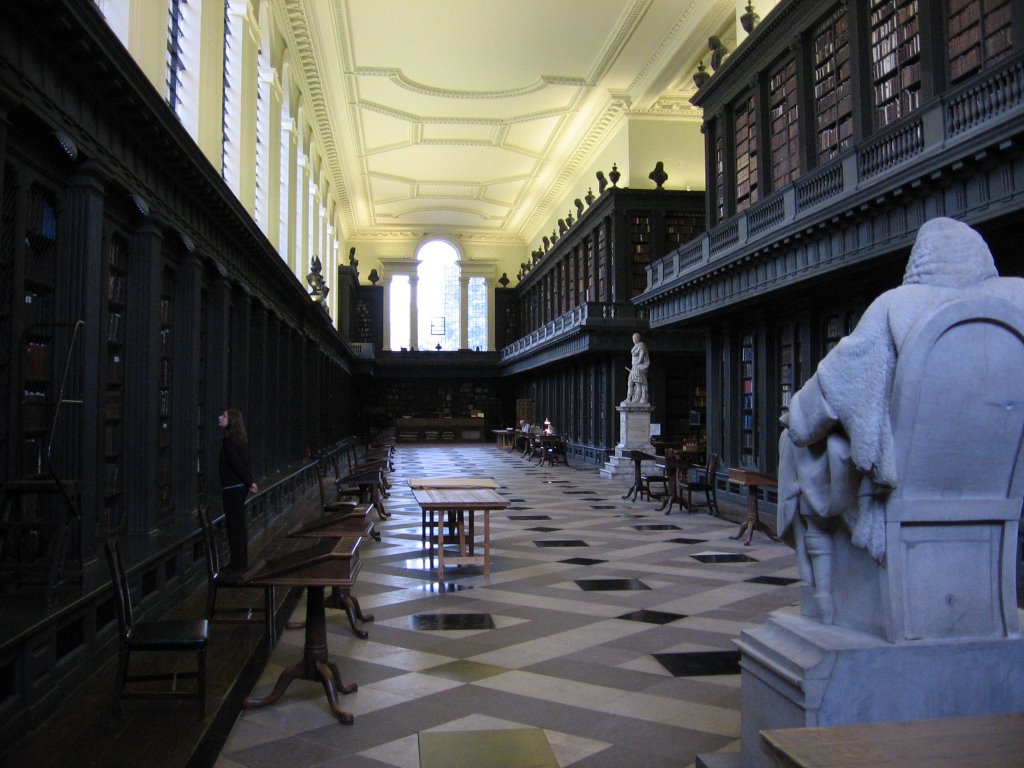
All Souls College (Strategic Studies Group, international law seminar, Codrington Library reader)
Balliol College
Brasenose College
Christ Church
Corpus Christi College

Exeter College (concert)
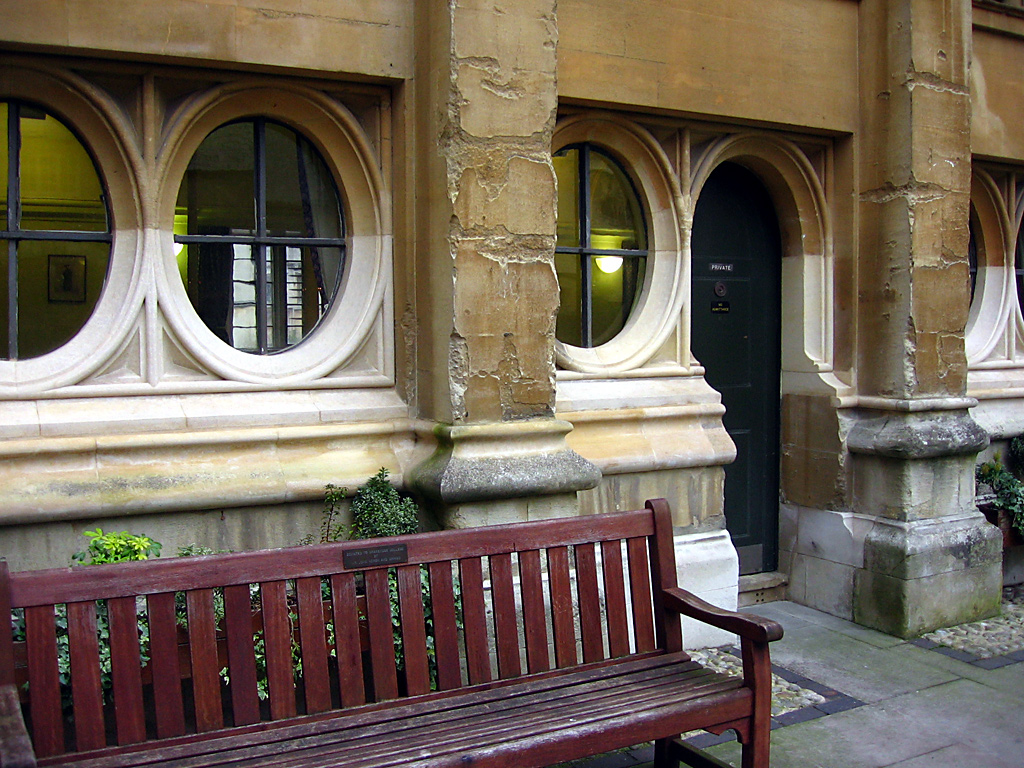
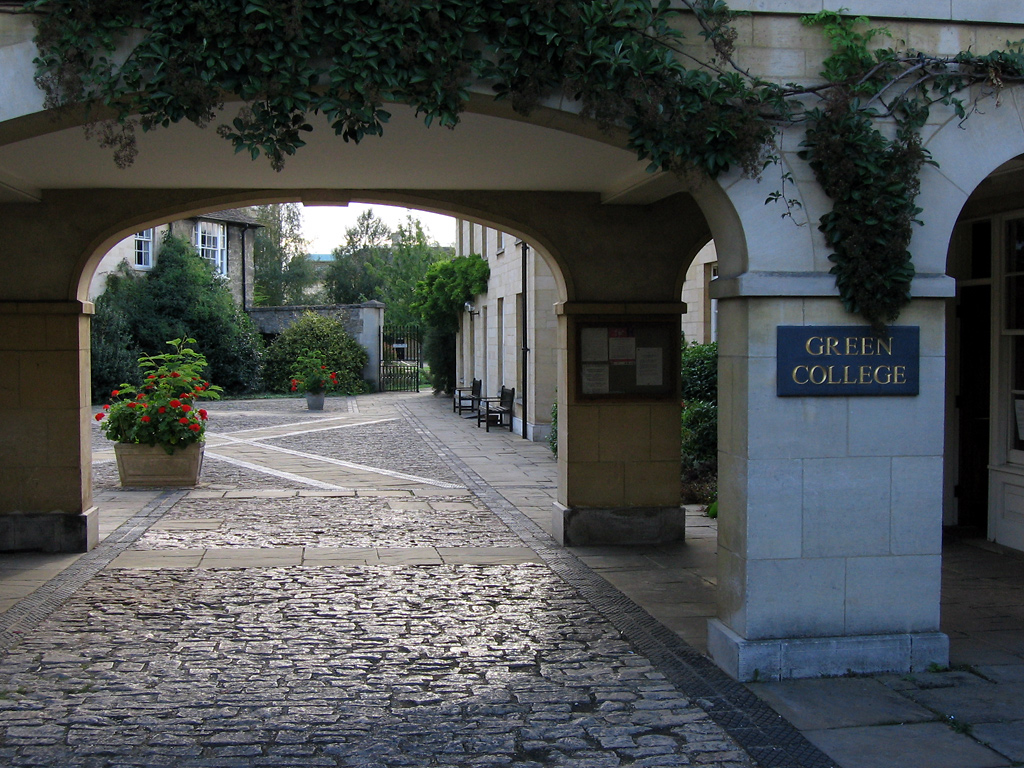
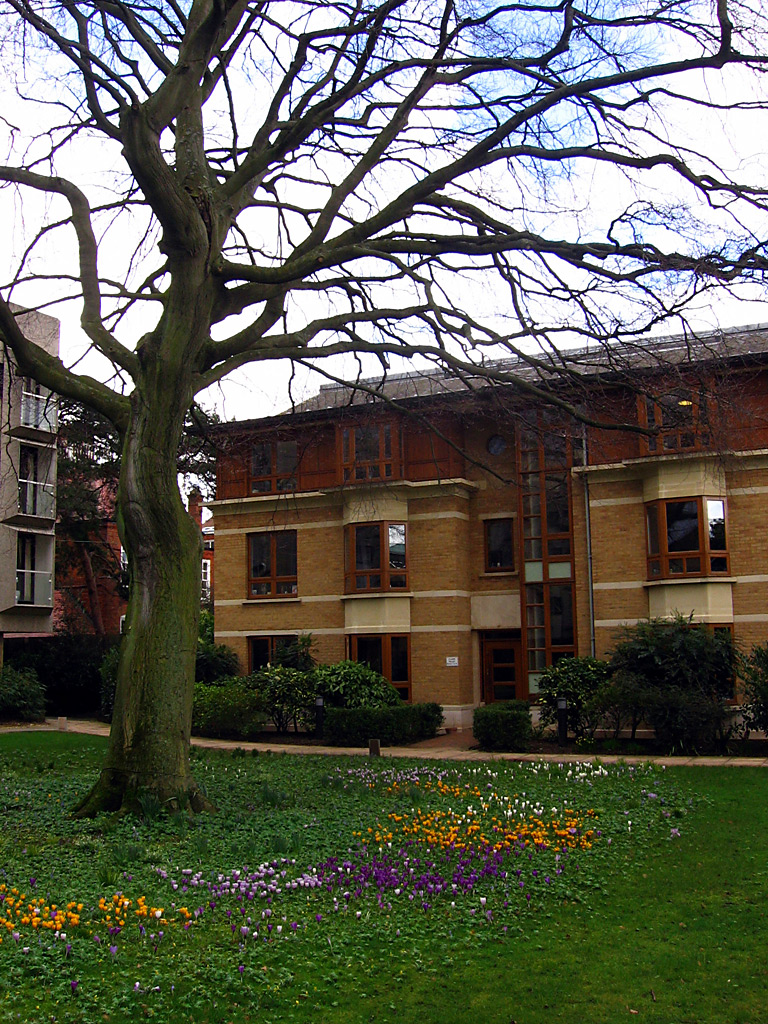
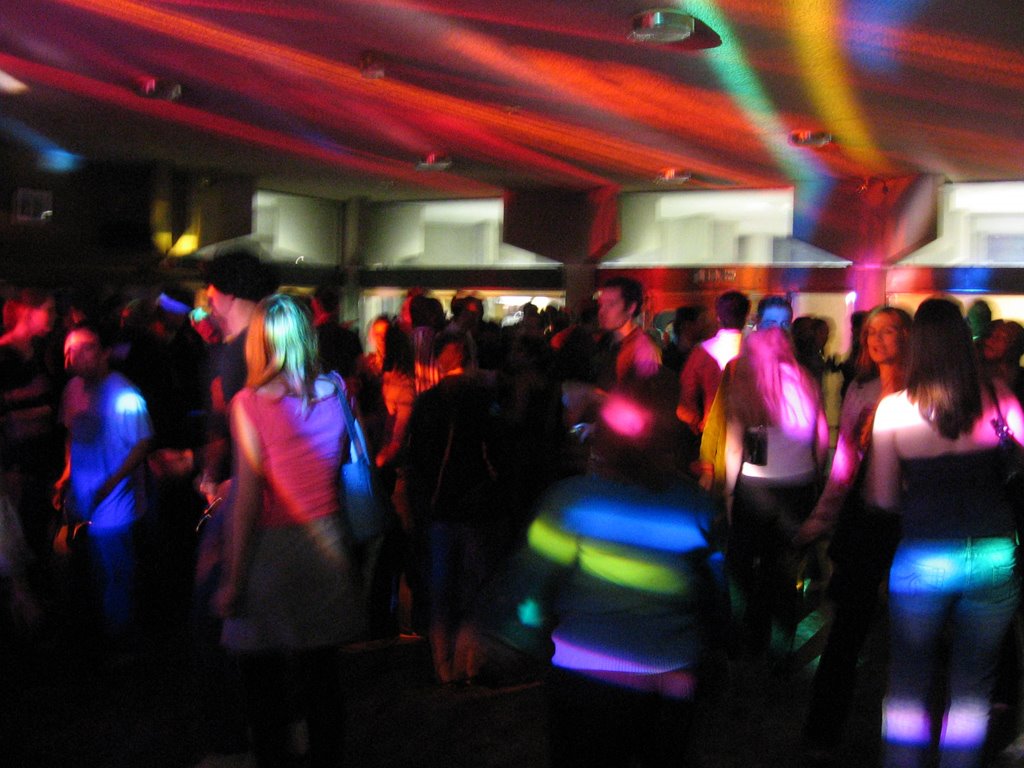
Green College (good parties, view from inside tower at night is excellent)
Harris Manchester College
Hertford College
Jesus College

Keble College
Kellogg College
Lady Margaret Hall (dinner once)
Linacre College
Lincoln College

Magdalen College (Evensong)
Mansfield College
Merton College (Evensong)
New College (Strategic Studies Group dinners, very good parties)
Nuffield College (supervisions, seminars)

Oriel College
Pembroke College
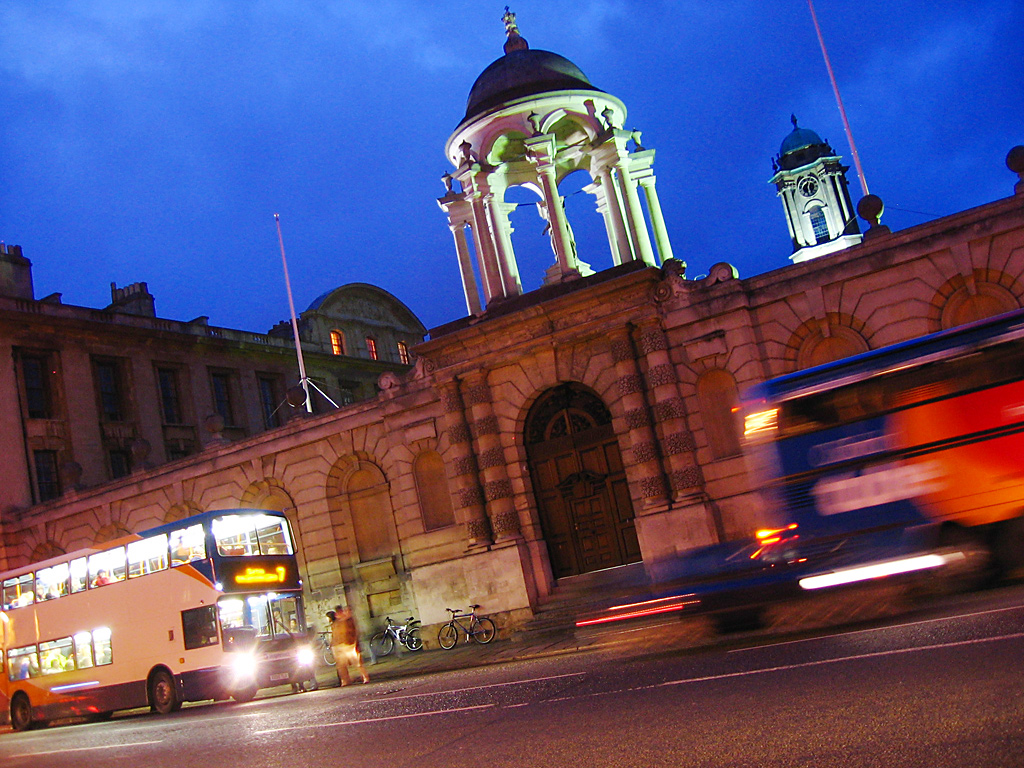
Queen’s College, The
Somerville College
St Anne’s College

St Antony’s College (dinners, bops, laundry, my place of residence)
St Catherine’s College
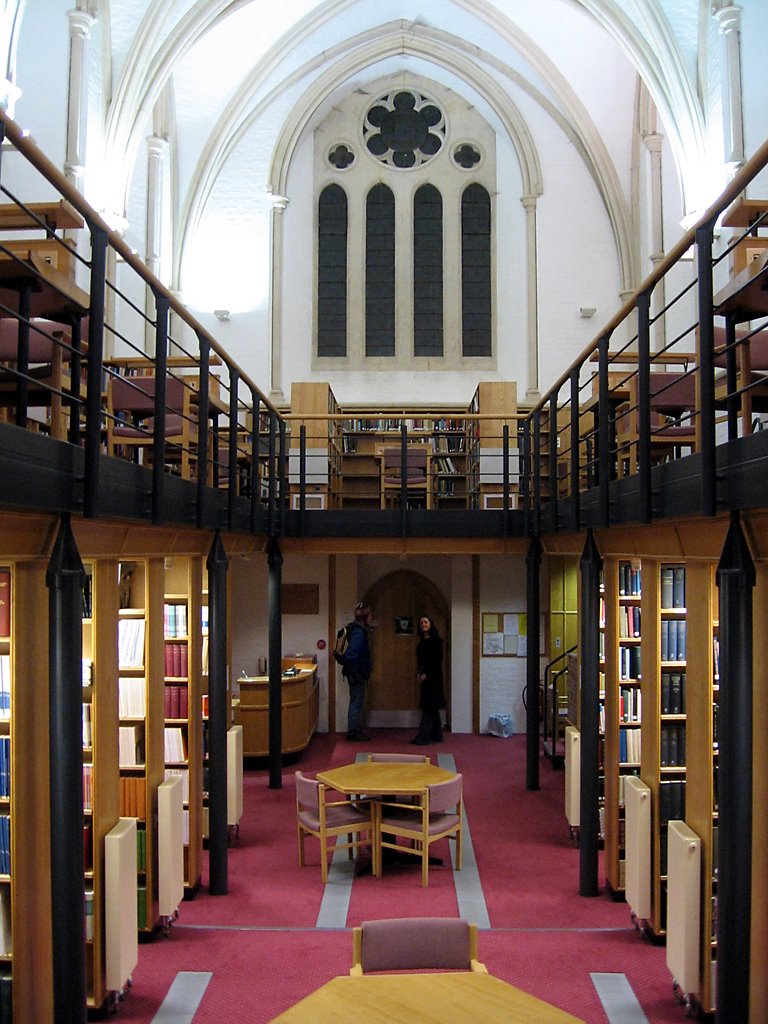
St Cross College (dinners, lunches, bops)
St Edmund Hall
St Hilda’s College

St Hugh’s College (taught tutorials there, dinner)
St John’s College
St Peter’s College
Templeton College
Trinity College

University College (Global Economic Governance Group seminars)
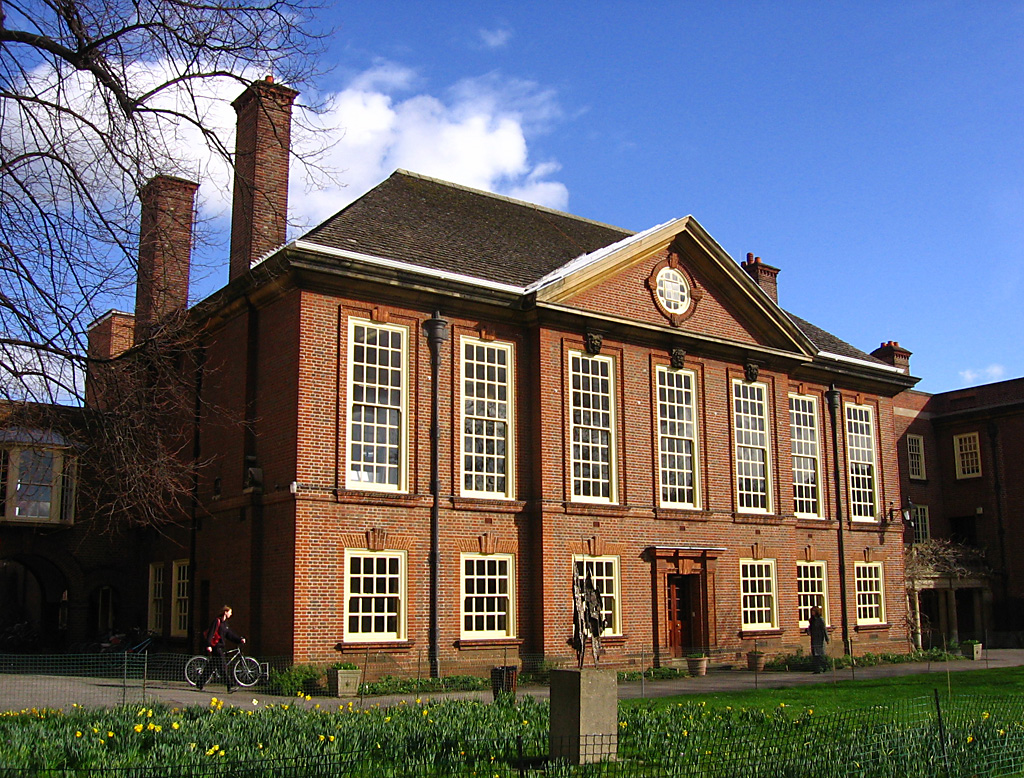
Wadham College (my college)
Wolfson College
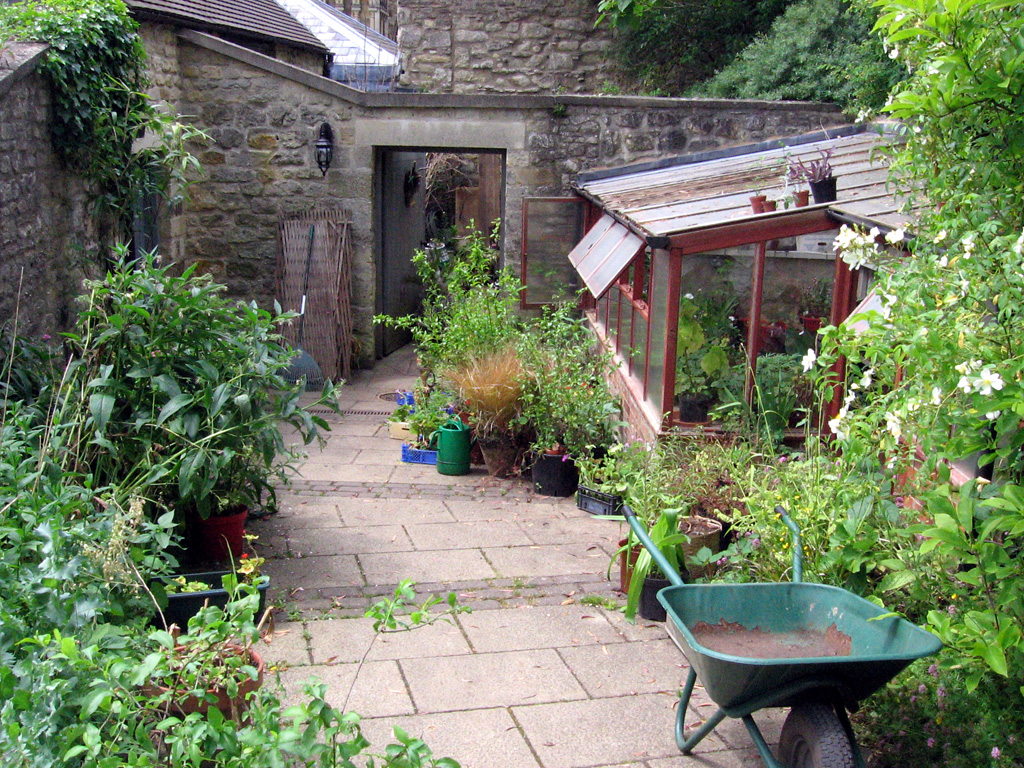
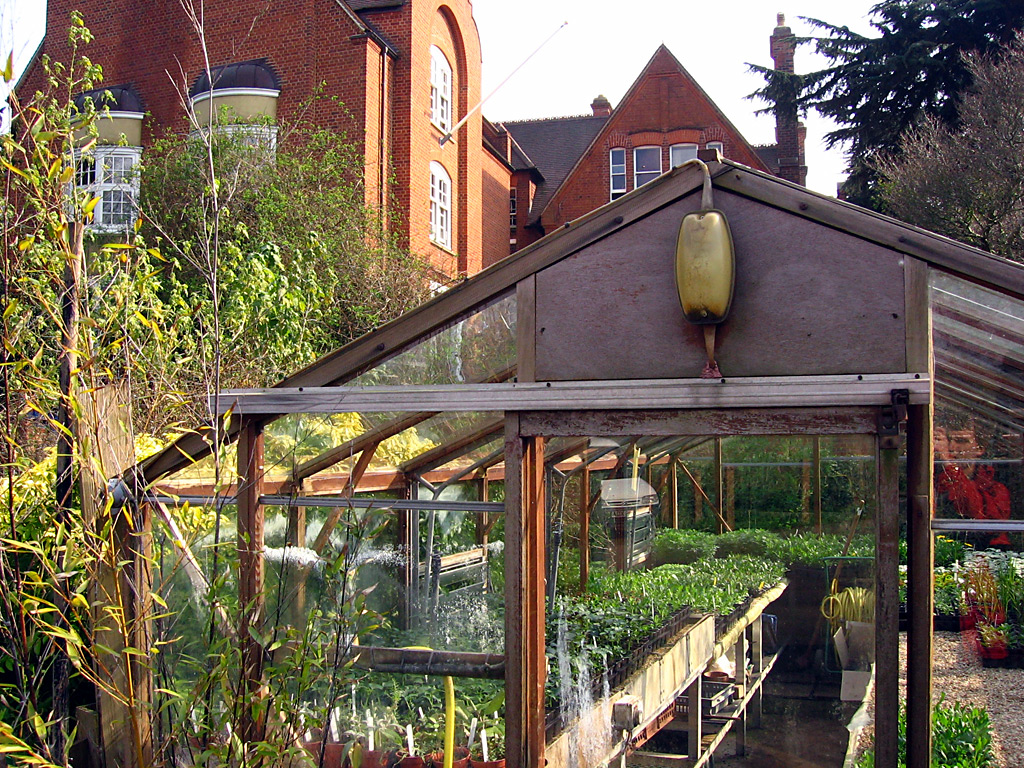
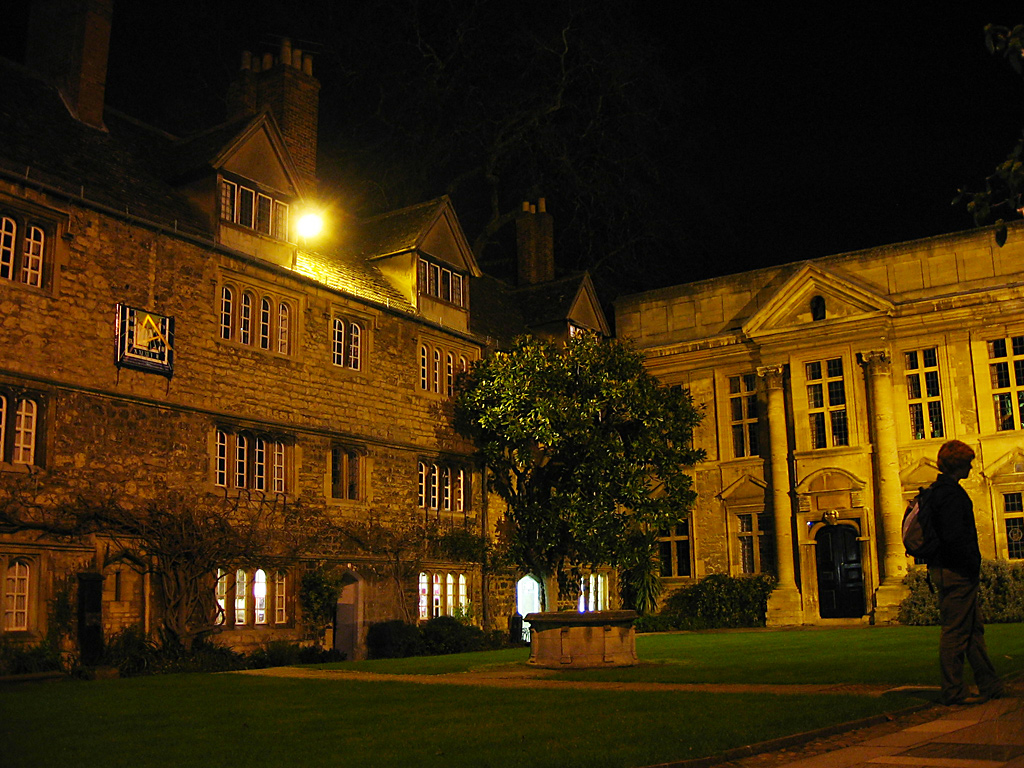
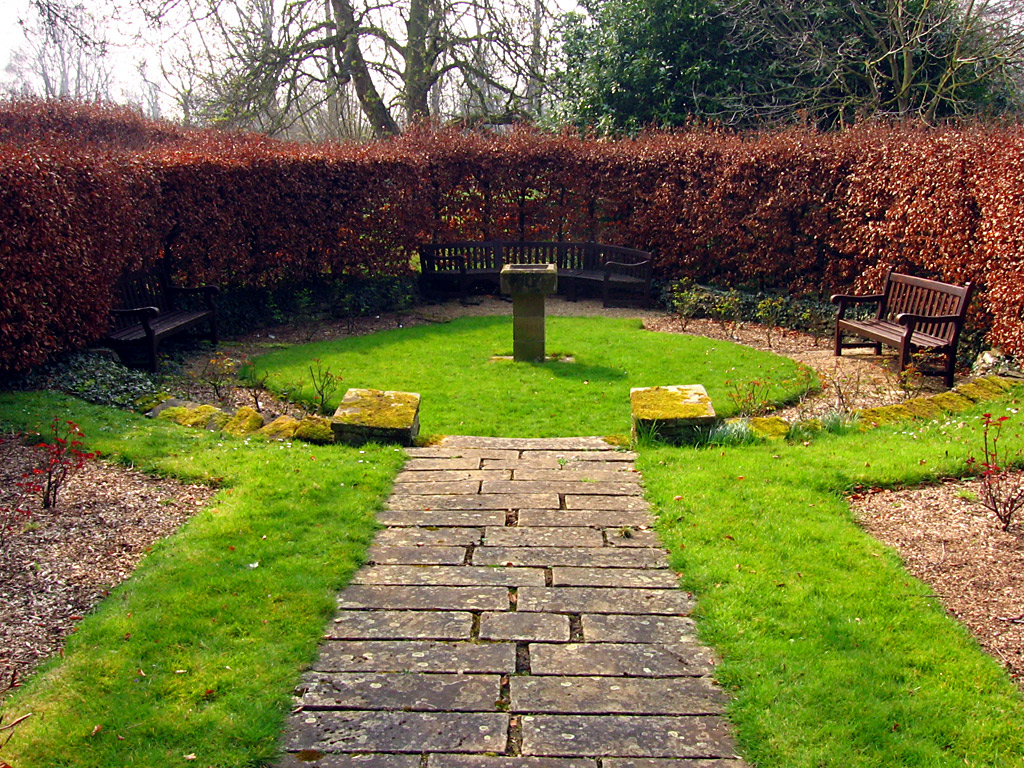
Worcester College (extensive garden exploration)

Hopefully, I will be able to embolden a few names, and link a few images, before my tenure here comes to a close in July.

Separate not a man from his techie tools

I have a request for intelligent people around the world. Can we please agree that tiny little multi-tools like my SOG Crusscut are in no way dangerous weapons? Certainly, they are no more so than all manner of items (from pens to umbrellas) that are legitimately carried into all manner of places.

As one of the items that I carry around virtually everywhere, I am quite reliant upon it: particularly the scissors, screwdriver, bottle opener, and ruler. When I am forced to not carry it, usually because of travel, I frequently find myself frustrated and annoyed. The same should go for the Leatherman Micra and similar tools. Gram for gram, these little things are up there with LED headlamps, in terms of usefulness in varied circumstances.

PS. This minor tirade was prompted by this lengthy article on survival equipment, written by Neil Andrews. Judging by his ‘modules,’ he is the fellow to know in the event of a massive natural disaster or zombie attack.

Ten days to chapter two

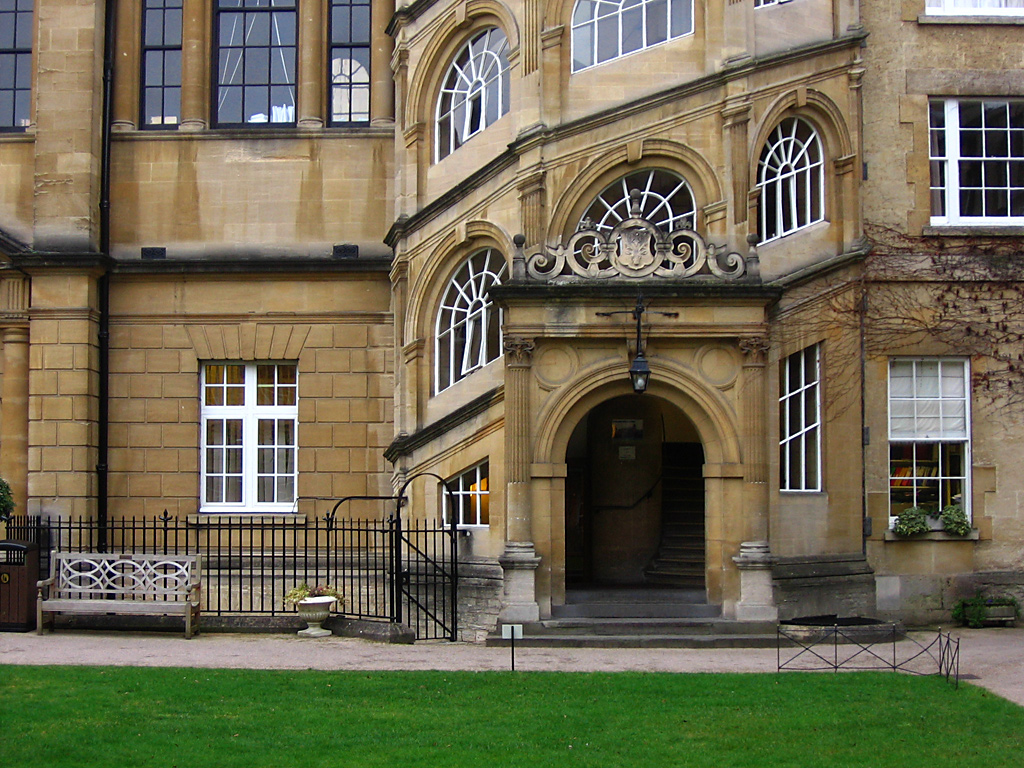
Bridge in Worcester College

By the end of this month, I am to submit the second chapter of my thesis. On “problem identification and investigation” it will detail the scientific processes that led to the Stockholm Convention and the Kyoto Protocol. Largely because of the sheer scale of the latter effort, it is a more difficult thing to pin down, especially in a reasonably concise way. If someone knows of an article or chapter that provides a neat scientific history of the climate change debate, UNFCCC, and Kyoto, I would appreciate being pointed in that direction.

On the theoretical side, the chapter will examine the ways in which phenomena in the world are categorized as ‘problems’ or not. I am also going to examine the role of existing bureaucratic structures in determining if and how scientific research in undertaken. There, the contrast between the American and Canadian approaches to dealing with POPs should be illustrative.

About 7,000 words long, this chapter will be one of the three pillars upon which the thesis as a whole will succeed or fail. As such, I am understandably anxious to do as good a job on it as can be managed, given the limitations on how much I can actually read and remember. My biggest source of anxiety remains the thought that I haven’t done enough research to speak authoritatively on the subject. Finishing the Litfin and Bernstein books is thus the first order of business, for the next few days. To that end, I should resume my ‘peripatetic and caffeinated’ reading strategy.

Visual programming tools for non-coders

Using Yahoo Pipes, a neat visual tool for making simple web applications, I made an RSS feed that aggregates new blog posts, blog comments, changes to the wiki, and 43(places/things/people) contributions. While this particular feed is probably only of use to me, people may well find the architecture useful for doing other things.

While it will probably never be the case that you can do serious computer engineering without knowing how to write code, tools like this are a good way to deal with the fact that the vast majority of computer users will never write Java or PERL. Designing interfaces which are both flexible and comprehensible to non-experts is quite a challenge, but certainly one worth taking up. Much of the momentum behind blogs is simply the result of the fact that they can be set up and operated by people who have never needed to deal with a command prompt or the configuration of a web server.

Quarterly Church Walk party

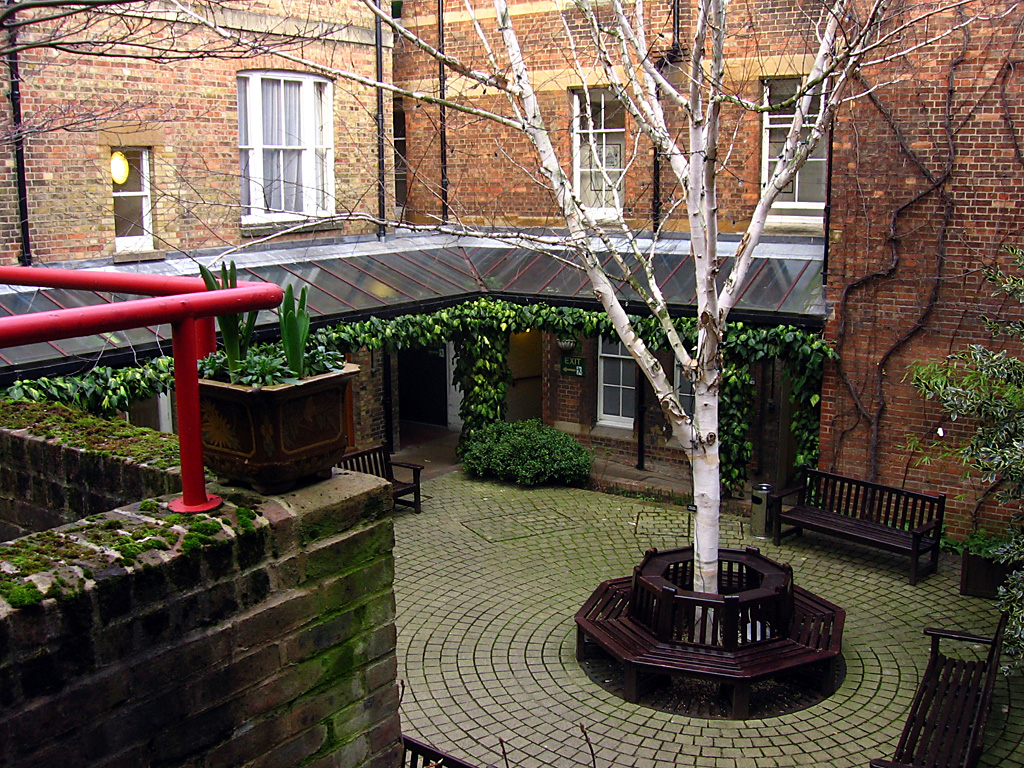
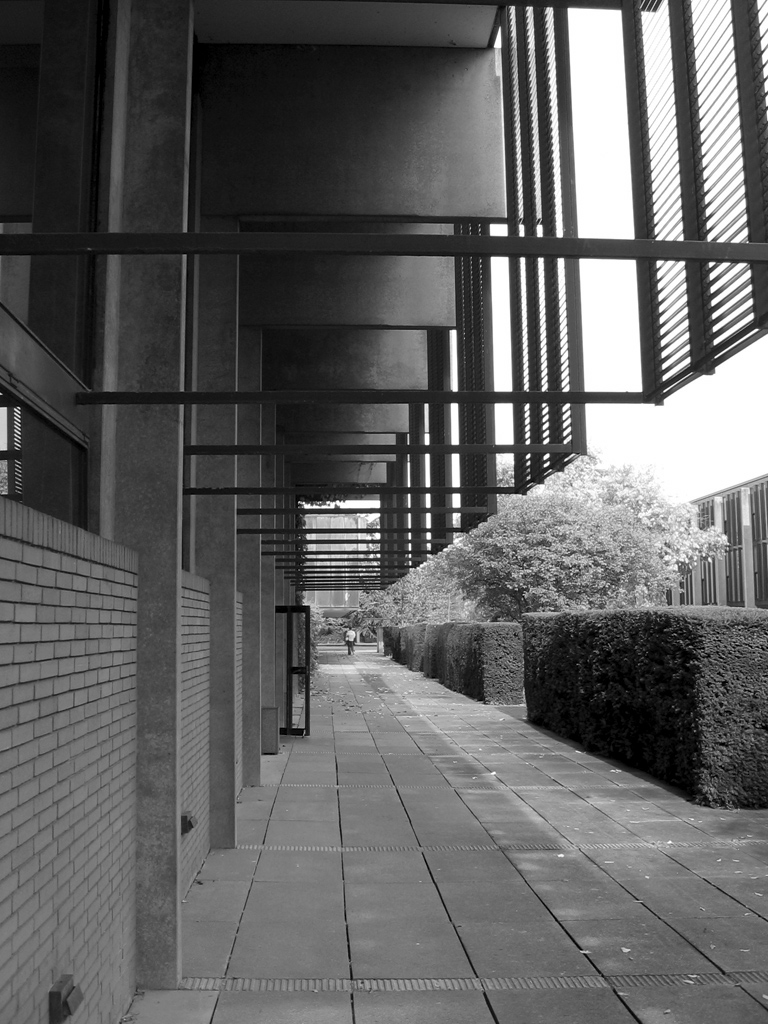
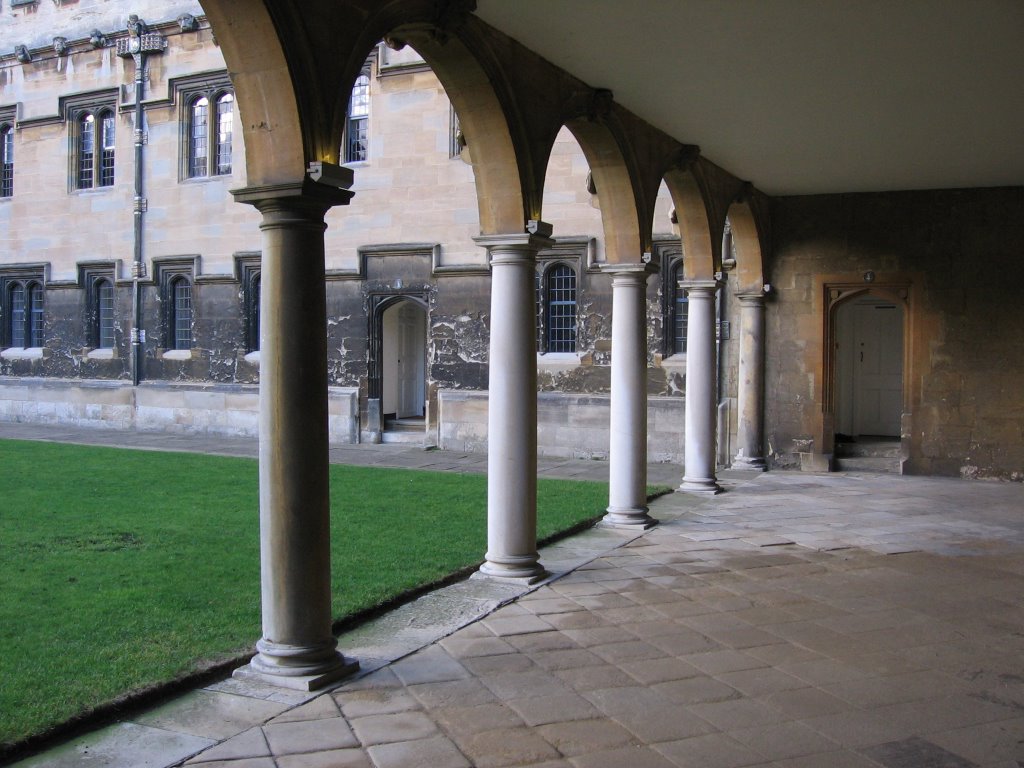
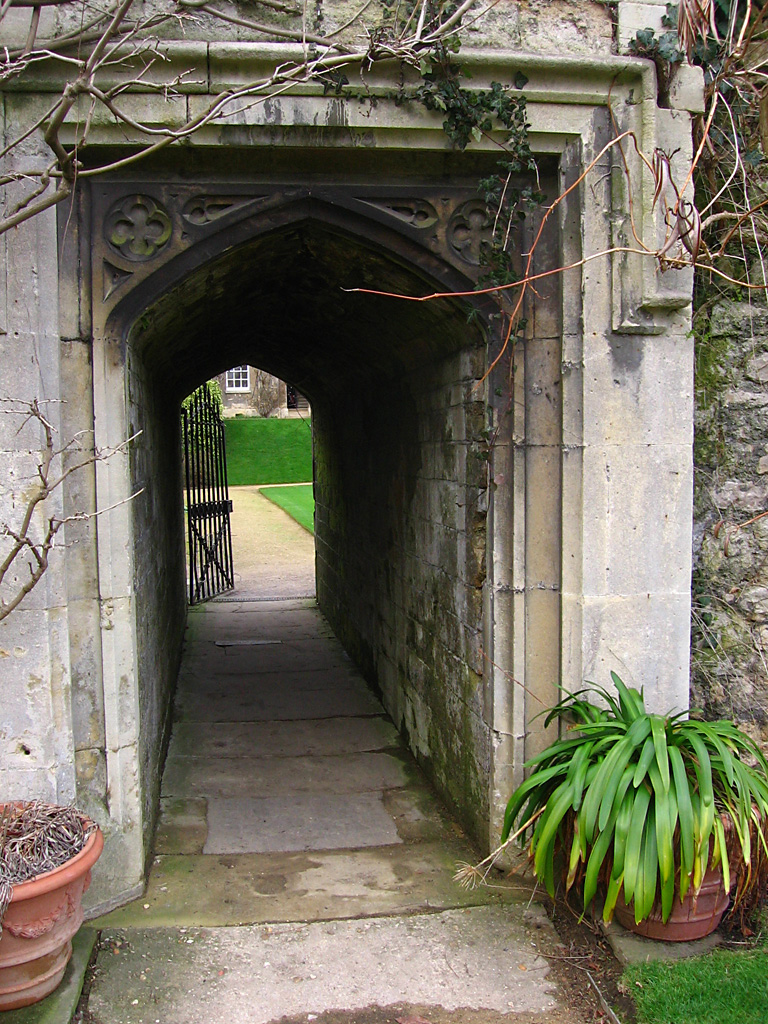
Passageway in Worcester College

Later tonight, my flatmates and I are having one of our periodic parties, the major purpose of which is to see some of our classmates who have disappeared from site since everyone separated into the various optional seminars. There are probably a couple of people from my year in the M.Phil in International Relations who I haven’t seen since before the summer, and I know very few of the people who joined the program this year. Of course, the scattering that has already occurred is just a prelude to what will happen in July, as people spread out to all corners of the earth and many separated areas of human endeavour, leaving behind a dedicated cadre to complete the D.Phil in an additional two years.

It will be exciting to see where such a dynamic and capable group of people find themselves in twenty five or thirty years. That said, I know very little about the subsequent fortunes of people who completed this program in the best, barring the subset that have gone on to teach it: a surprisingly high fraction of the total body of instructors.

Given the extent to which the ‘come as your supervisor’ theme of the previous party was ignored, this one has officially been declared ‘ambiguously themed.’ Interpret that as you will.

[Update: 18 February 2007] The party went well, and had a good number of people present, though very few were actually from the IR program. Someone left a dark blue backpack in our sink. It says: ‘Hikerpak’ on the side and seems to contain various notes and papers. If you know to whom it belongs, please come and claim it.

American primaries upcoming

The primary season that precedes American elections is always an interesting time for strategizing. As a supporter of either party, you want to achieve two things: the election of the most appealing or electable candidate for your party, and the election of the most appealing or least electable candidate for the other. The tension in the latter pair is probably the most interesting bit. Should committed Democrats try to help a centrist like Guliani get elected (a particularly pressing issue in states with open primaries, where registered Democracts can vote in the Republican primary and vice versa) or should they try to push the Republicans towards a hopeless candidate?

The risk averse option, and the one that seems the most sensible, is to choose the most electable option for the party you support (provided their platform is not seriously objectionable) and the most tolerable option for the other party. For this election cycle, it isn’t quite clear who would fill either role, but my guesses right now would be Hillary Clinton and Rudy Giuliani. That said, I am reasonably willing to tolerate moderate fiscal conservatism, as long as it isn’t accompanied by culture war conservative values fodder. American voters may well feel otherwise. For instance, an atheist candidate is essentially unelectable in the US, but would probably be slightly preferable for me.

From the perspective of someone who is not a dyed-in-the-wool supporter of either party – and both have plenty of ugly features – the strategies that yield relatively centrist candidates are probably the most desirable. Anyone who is able to excite the party faithful to a feverish level, but not reach out to the intelligent independents who must ultimately represent the balance of opinion, is both unlikely to win and unlikely to govern very well.

It will be interesting to see what we learn about the candidates while they are tramping around New Hampshire and Iowa: another curious feature of American electoral politics.

More published photos

First, it was The Oxford Student. Now, the 2007 Wadham College Gazette, produced by the college and distributed to students past and present, features two photos that I took and posted on various websites. The back cover is a photo I took of the flowers behind the cloisters last spring. Happily, they credited me for the images. Unhappily, they called me Milan Llnckyi.

Now, I can understand how a person sees Smyth and writes Smith. I cannot see how someone sees Ilnyckyj, just wings it, and writes ‘Llnckyi.’ Every single website from which these photos might have been taken (blog, Facebook, and Photo.net) includes my name in full. Incredulity aside, I have invented a mnemonic for the aid of future generations:

I
Love
New
York
City.
Kate (Happy Birthday)
Yodels
Joyfully.
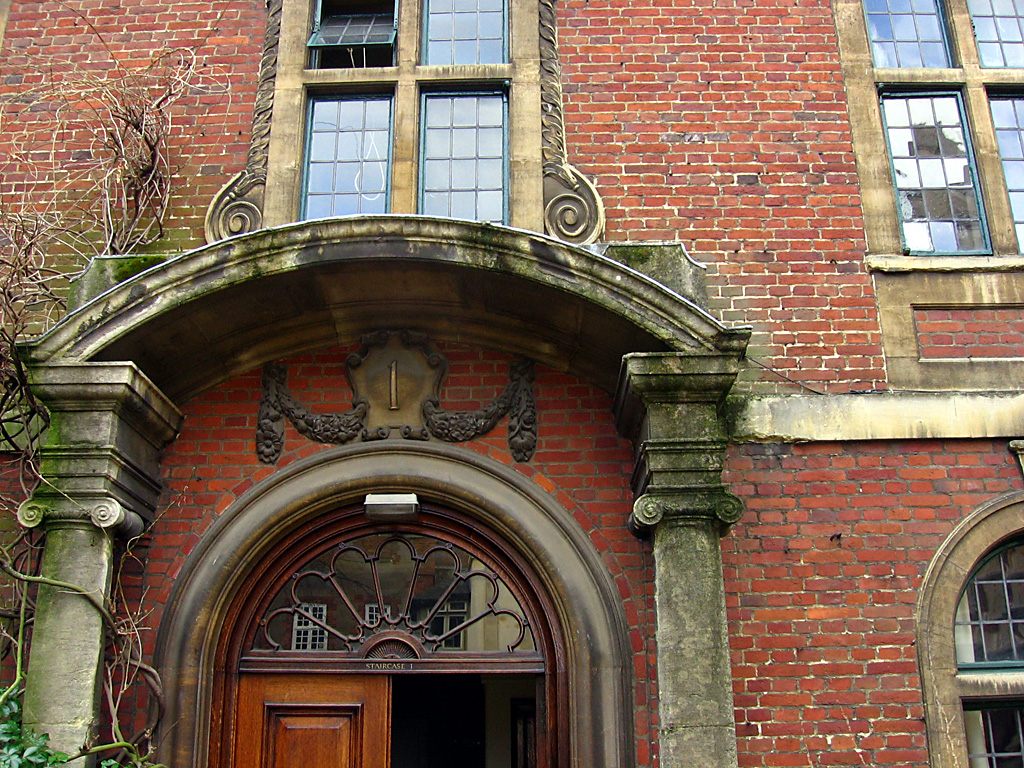
Add this to the pronunciation guide, in Ilnyckyj lore. Still, I am flattered that the college found my photos worthy of printing and distributing.
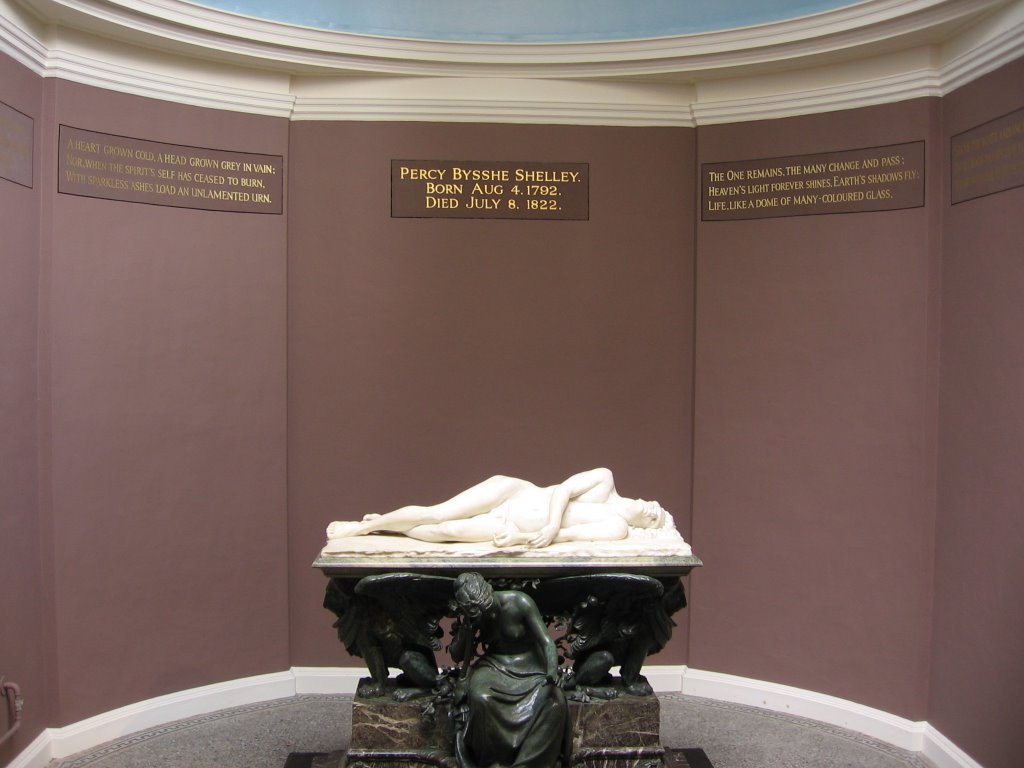
PS. I really can’t be too scathingly critical. I have been double and triple checking this entry to make sure I haven’t committed the spectacular gaff of misspelling my own name.

Climate change, law, and predictability

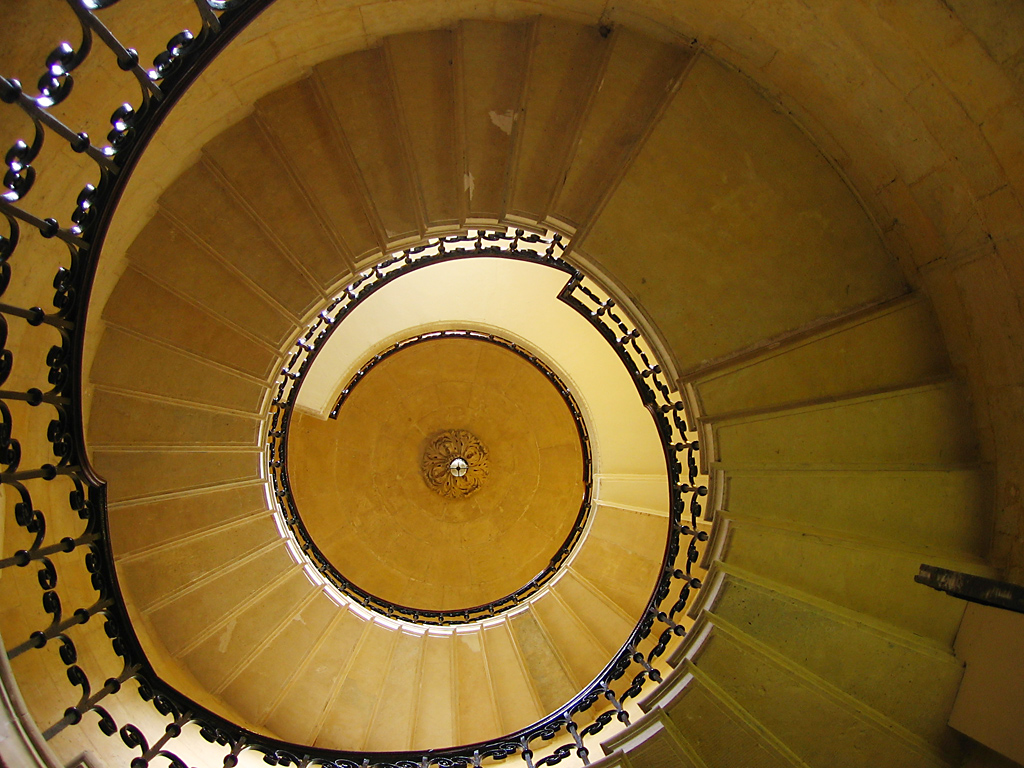
Spiral staircase in Worcester College

Happy Birthday Kate Dillon

In a somewhat surprising move, a coalition of opposition members of Parliament in Canada have passed a bill forcing the government to live up to the commitment that was made when we signed and ratified the Kyoto Protocol. Specifically, Canada is to cut greenhouse gas (GHG) emissions to 6% below their 1990 levels by 2012. This is quite a substantial reduction to achieve in the next five years, given that emissions are presently about 30% above their 1990 levels.

In many ways, this situation demonstrates how not to deal with the problem of climate change. What you need to do is create the certainty, within industry, that the costs of GHG emissions will increase predictably and progressively over time. Then, when decisions are being made about what equipment to buy and how to set up industrial processes, the extra constraints can be taken into account. By contrast, the present on-again-off-again approach doesn’t create clear incentives. Even worse, it is not clear to industry what will happen after 2012.

The most straightforward and effective approach would be a tax on every tonne of GHG emissions, weighted according to the contribution the particular gas makes to global warming. Since methane contributes more than CO2, it would be more highly taxed. That tax would then rise progressively over time, until Canada reached the point where GHG emissions stabilized and then began to drop towards pre-industrial levels. Whether such an approach would be politically possible (especially with Alberta eying a tar sands bonanza that could mean massive emissions) is another matter. Three plans for meeting the target are outlined in this article from The Globe and Mail.

It comes in threes

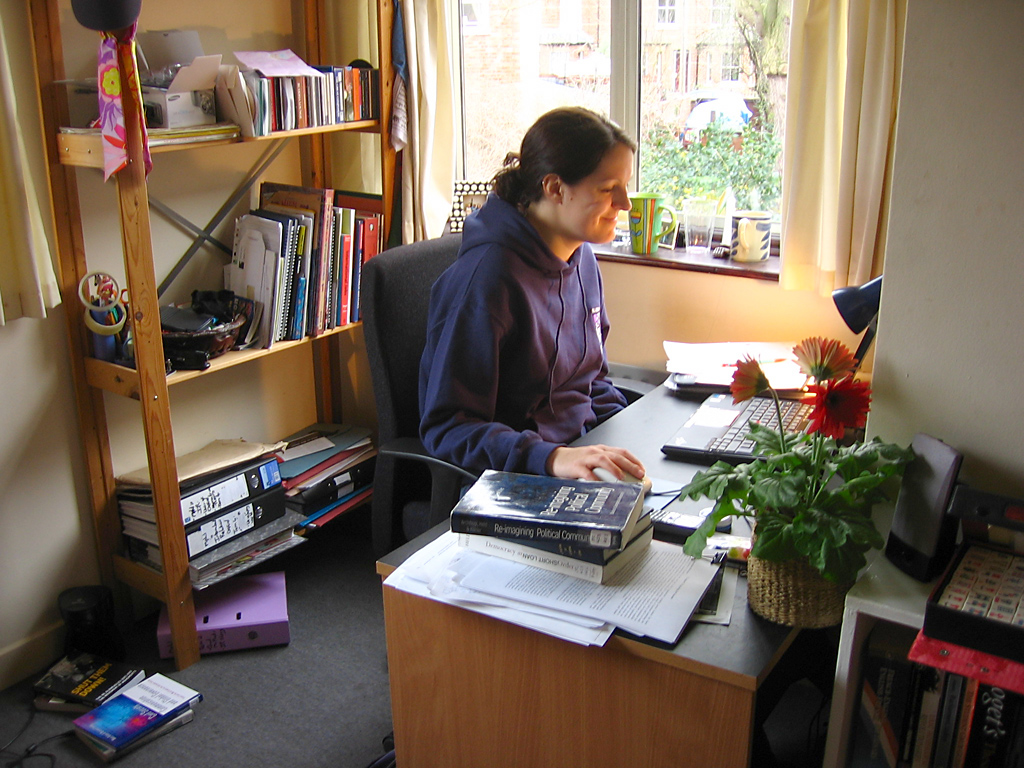
Claire Leigh working

The first substantive chapter of the thesis is about problem identification and investigation. This is not being treated as necessarily temporally prior to the next two substantive chapters (consensus formation and remedy design), but the three do seem analytically separable. Throughout the triptych, at least three themes are likely to be ever-present: the moral relevance of uncertainty, the importance of social roles, and the ways in which normative assumptions are embedded and concealed within processes.

The confluence of three other things defines the reasons for which this thesis is a novel contribution: the exploration of those themes, the combination and comparison of the two case studies, and the focus upon the contribution that international relations as a discipline can make to the subject at hand. Having those three overlapping reasons is comforting, because it means I am quite unlikely to be utterly scooped by someone else who is looking at the same problems in similar ways.

Pragmatically, it does seem like the environment is likely to be a growth area in international relations. That said, there are three major possibilities for the future overall:

  1. Climate change proves to be less threatening than the worst case, runaway change scenarios would suggest; other environmental problems prove manageable
  2. Climate change is as bad as some of the most pessimistic assessments claim, but it is uniquely threatening among environmental problems
  3. For whatever reason (population growth, economic growth, technological progress, etc) additional problems of the climate change magnitude will arise

If I had to put my money on one of those options, it would be the second. I can see human behaviour causing all manner of specific problems, both localized or confined to particular species or elements of the environment. It is hard to see another human activity (aside from the danger of nuclear war) that threatens the possibility of human society continuing along a path of technological and economic evolution, during the next three to five hundred years.

Back among IR scholars

I switched gears in reading today, and the result has been dramatic. There are really three kinds of research going into this thesis:

  1. Background reading about fundamental concepts like the nature of science
  2. Research on the case studies
  3. Examination of analyses of other case studies

Shifting from 1 to 3, I feel like I have gone from picking a few grains of gold dust out of a bucket of mud to striking a vein of solid gold. By that, I do not mean that the previous reading was uninteresting or poor scholarship. Rather, I mean that the ratio between pages of reading and possible thesis content approaches 1:1 in a lot of Litfin’s work, while it was much lower when reading general background materials. Seeing whole paragraphs that I could well imagine in my own thesis is both empowering and frightening. It proves that I am not totally insane in what I have written so far, and it holds out the threat that what I have come up with isn’t exactly original.

In any case, reading Karen Litfin’s Ozone Discourses, on the Montreal Protocol, has been quite engaging – even if she does have an annoying habit of wandering off into abstract discussions of marginally related philosophy, apparently simply so as to prove to everyone that she has thought a lot about Foucault.

That said, perhaps her statement that there is a “general human proclivity to believe that what one does not understand must not be very important” is proven in my response to her lengthy dissemination on Habermas et al.

PS. Days remaining until submission: 66.