Soon to be smokeless

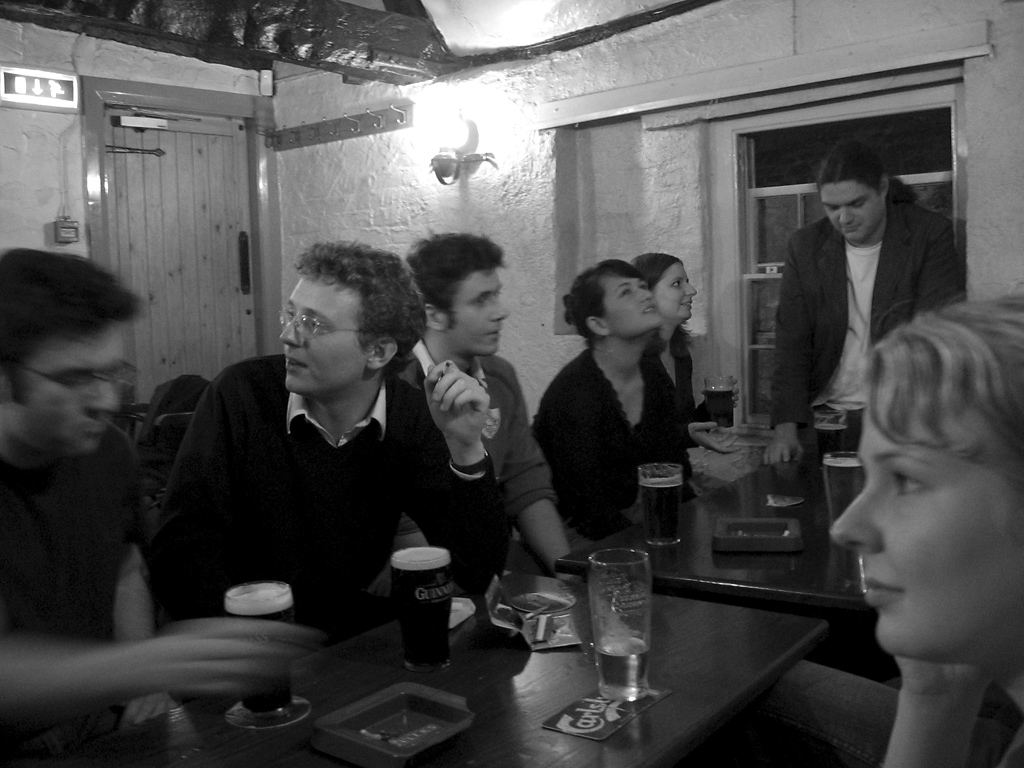
Lamb and Flag, Oxford

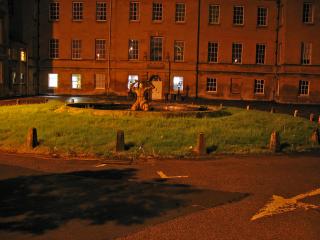
A sign I passed this evening reminded me of how I will only be around to appreciate one day of the new UK smoking ban in enclosed public places, such as pubs. I would not hesitate to call it long overdue. It will make conditions better for people who work in pubs, improve overall health, and end the experience of smelling like an ashtray for days after spending any time in such places.

Of course, it will probably take months for the majority of the smell to seep out from chairs and curtains around the UK. Once that has happened, however, the UK will be a more modern and appealing place.

Fish paper published

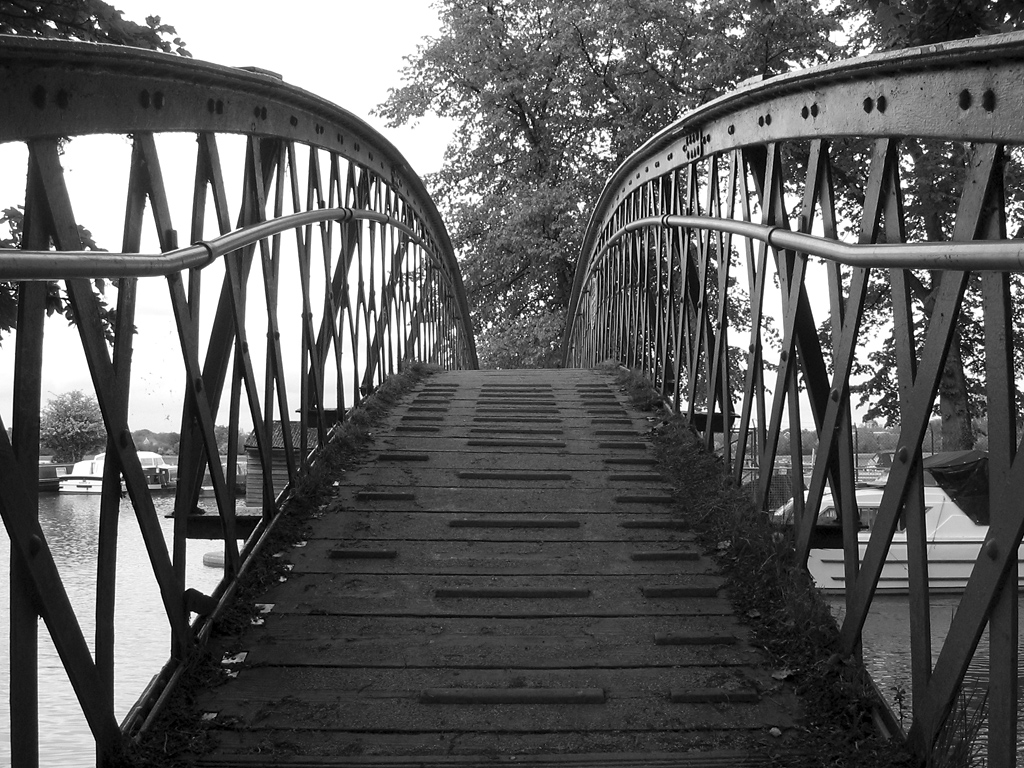
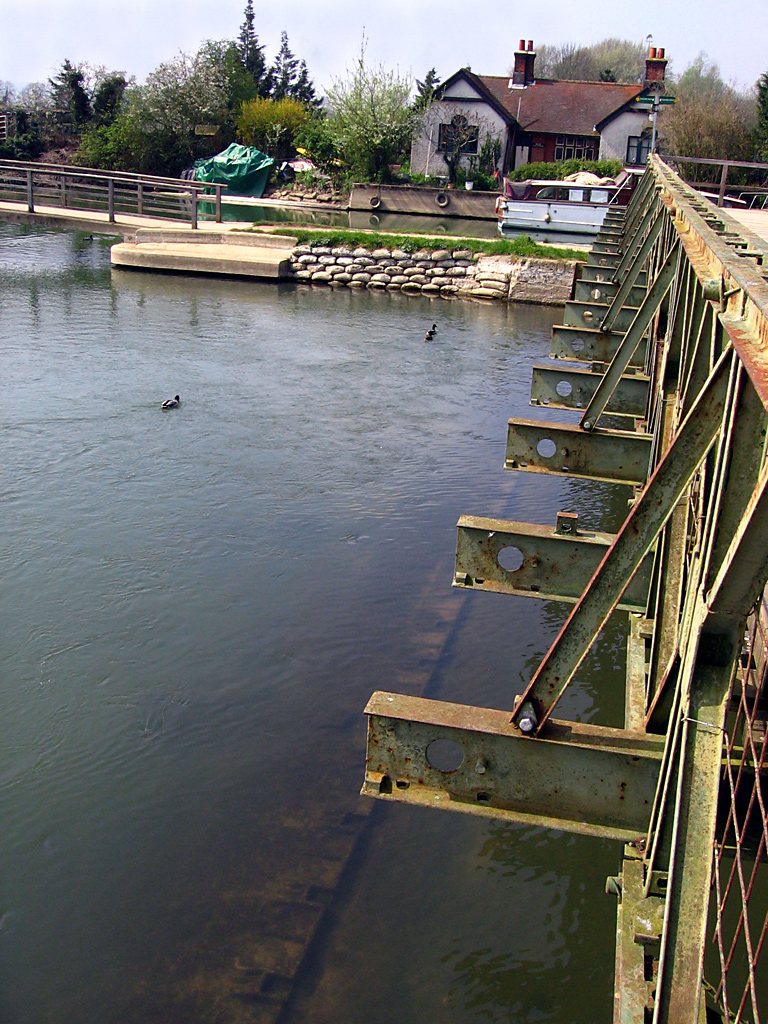
Bridge near The Perch, Oxford

After two years of being reworked, assessed, shortened, updated, and assessed again, the eternal fish paper has been published. They didn’t print my acknowledgments, so I shall list them here:

Many thanks to Dr. Ian Townsend-Gault, who has helped a great deal throughout the entire process. In particular, his assistance with the international legal components of the paper is much appreciated. I also want to thank Dr. Daniel Pauly, Dr. Jacqueline Alder, and Dr. Rashid Sumaila of the UBC Fisheries Centre and Sea Around Us Project. They are the ones who helped me find and understand much of the scientific material that supports the paper. Finally, I want to thank the editors of the MIT International Review for their comments, as well as for formatting the final version so nicely. The efforts of Solomon Hsiang are particularly appreciated.

Anyone who wants the version with more than 100 footnotes should email me. Like Foreign Affairs, this journal has a policy of not including them.

Cameron Hepburn on climate economics

Dr. Cameron Hepburn gave an informative presentation in the Merton MCR this evening on the economics of climate change. While it was largely a reflection of the emerging conventional wisdom, it was very professionally done and kept the audience in the packed Merton MCR asking questions right until it became necessary to disband for dinner. Dr. Hepburn, incidentally, is my friend Jennifer Helgeson’s supervisor.

My notes are on the wiki.

PS. When I imagined Oxford before coming here, the kind of rooms I imagined were more like the Merton MCR than most of the places I have actually seen. That probably derives from having my expectations defined by The Golden Compass and The Line of Beauty.

Fire at The Perch

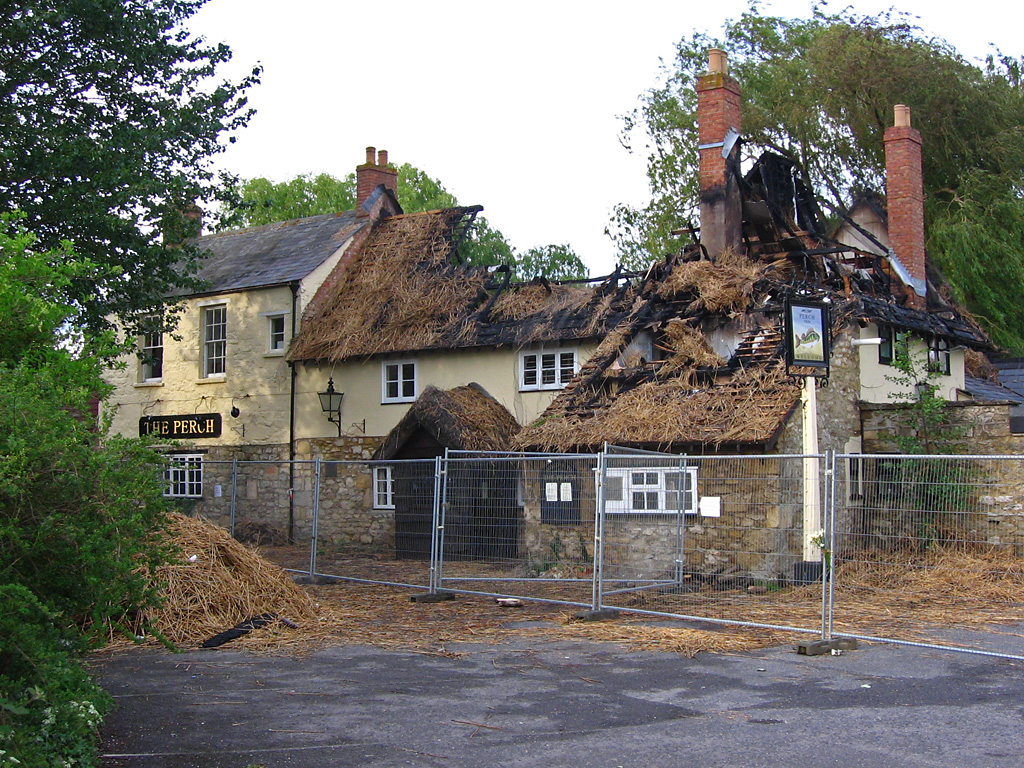
Fire at the Perch Pub, Oxford

The Perch, one of Oxford’s best pubs, suffered from a fairly severe fire on Wednesday. Based on the look I had at it today, the external damage is limited to the roof. Inside, things might be a lot worse. Apparently, the fire started in one of the chimneys. Thankfully, nobody was injured. A similar blaze took place thirty years ago, so it seems likely that rebuilding will occur.

The nicest thing about The Perch is the location. To get there from northern Oxford, you need to walk across the Port Meadow and then up along the canal for a short ways. At night, you are likely to see some of the Port Meadow cows or horses along the way. During the day, patrons can sit outside in a grassy area surrounded by willow trees. When each of my parents visited Oxford, we made a visit to this pub. I have also been there with a good collection of friends over the last year and a half.

Despite the high probability that the pub will eventually be open for business again, I doubt it will occur before I depart. One more reason to visit Oxford in a few years, I suppose.

What dread hand and what dread feet?

Oxford gardens

Tragically and unusually, someone in British Columbia was killed by a tiger this week. Apparently, the animal was privately owned and part of some sort of exotic zoo. The 32 year old woman was standing near the cage when a single paw strike severed her femoral artery. As a consequence, people have called for tougher laws on the ownership of such animals and the tiger has been killed.

The first measure seems entirely reasonable. It is well worth asking whether ownership of endangered and dangerous animals should be permitted. Certainly, the incident demonstrates that they are not always confined appropriately. Whether their welfare is being adequately maintained or not is another concern. According to the the Victoria Times-Colonist “the tigers were kept in small chain-link cages with no flooring.” It sounds as though the circumstances in which the animals were held were neither respectful, humane, nor intelligent. Apparently, the Society for the Prevention of Cruelty to Animals has tried several times since 2005 to have this tiger seized from its owner, on the basis of both safety and animal welfare. Paul Springate of the Rainforest Reptile Refuge has some intelligent comments on the failures in the current Canadian system for managing exotic animals. It seems intuitively obvious that if people are allowed to own such animals (itself a policy of dubious quality), there must be standards for keeping them and a system of inspections.

Putting the tiger to death, on the other hand, strikes me as highly inappropriate. It should come as no revelation to anybody that tigers are dangerous and that spending time at close quarters with one could imperil you. It is certainly a tragedy that this young woman’s life was cut short and it makes perfect sense to investigate the conditions that led to it and act upon them. Punishing a tiger simply for being a tiger, on the other hand, is an inappropriate extension of vengeance into a situation where it makes no sense to apply.

Five boxes left to tick

Along with revising, I am now working on my final paper for the M.Phil. As with the previous one on the environment, this is for the international law course with Vaughan Lowe and Adam Roberts. With that submitted by Friday, only exam preparation will remain.

The weather is doing its bit to aid the process along. Few people are out enjoying the spring greening of Oxford while there is so much rain coming down.

Circularity

Wet leaves

A night that one had no reason to expect to be abnormal has actually been highly interesting, though in entirely non-academic senses. I learned about how delicious Ketjap Manis is, a bit about Greenpeace, lots about a private Oxford company of interest, some things about friends of mine, and a bit about improvised cooking. The dish was invented in three stages, while being cooked, and worked out quite well.

In some ways, this last Oxford term is proving a lot like my first.

An urban world

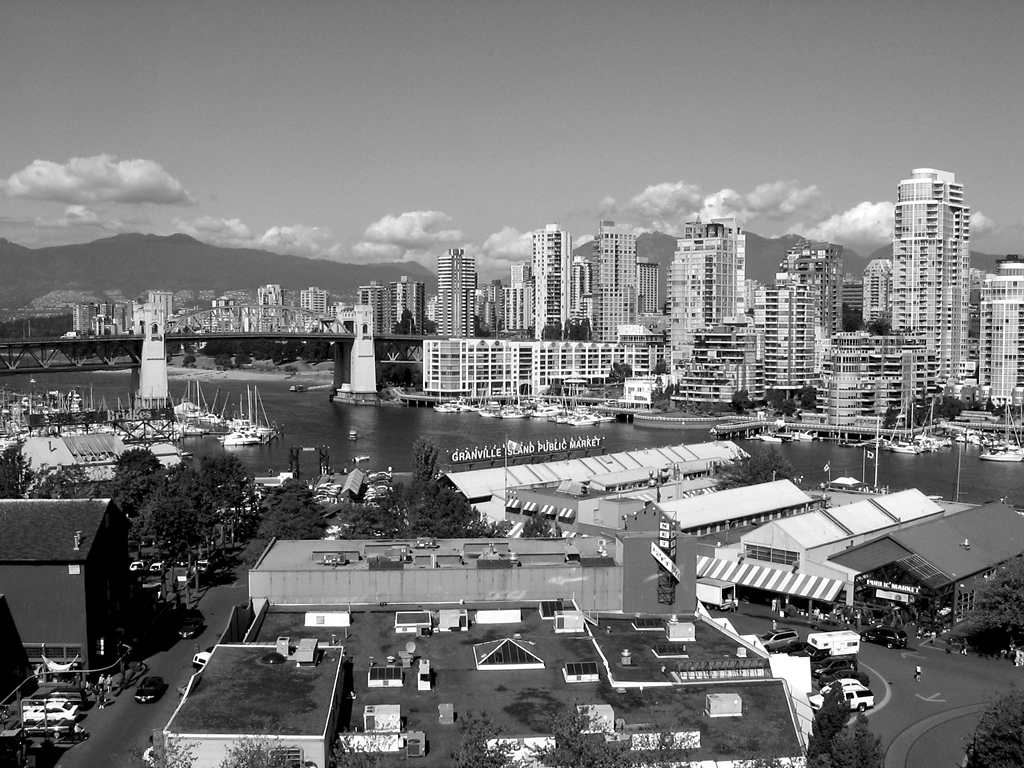
Downtown Vancouver

In recognition of how half the global population now lives in cities, this week’s issue of The Economist has a survey on urbanization. Much of it makes for fascinating reading. For instance, they allege that the Kibera slum in Nairobi exists more for reasons of corruption than of poverty. The provision of private services and the need for constant bribery make its continued existence profitable, just as the pool of cheap labour it provides plays an important economic role.

As always, they come up with some interesting statistics, as well. Vancouver is ranked as the most livable city in the world, and one is reminded that Tokyo has a larger population than all of Canada. Delhi has the world’s dirtiest air, as measured by particulates, followed by Cairo and Calcutta. More than 70% of all urban dwellers in sub-Saharran Africa live in slums. In Ethiopia, Malawi, and Uganda that figure is over 90%.

The United Nations envisions human population growth as a phenomenon that will eventually slow, leaving the world with a population of about eleven billion. By then, more than 60% of people will be living in cities, dependent upon agricultural productivity elsewhere to be able to sustain themselves. Hopefully, climate change and other ecological phenomena will not make that overly challenging.

Spam egg sausage and spam

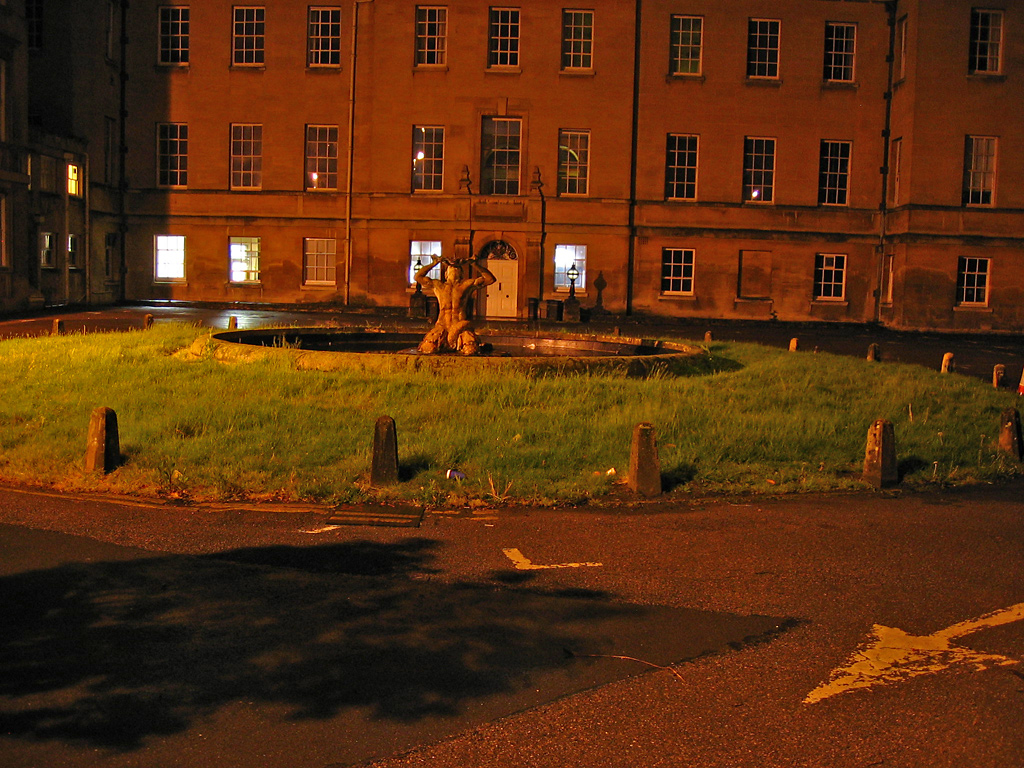
Radcliffe Infirmary

As time goes by and Google indexes more and more of my content, I get more spam of every variety. I get spam emails, spam comments on the blog, and spam added to the wiki. Of the three, the email spam is the most common, but also the most easily dealt with. It has existed for so long that good systems exist for dealing with it: whether based on Bayesian reasoning or on group filtering processes. The former are largely centered around word usage. If an email contains the word ‘Viagra’ the chances of it being spam are high. If it includes the string of characters ‘V1agr4!!!’ it is virtually certain to be spam. The latter are based on user reporting. Most spam isn’t very original. As such, if GMail has 1000 people report that a particular message is spam, it can pretty reliably block it for everybody else.

I cannot get too far into how this blog’s anti-spam system works. This is because automated systems seem to have become capable of determining which system or combination of systems a site is using and then launching an appropriate attack. Suffice it to say that the blog uses a variant of both approaches above, plus one more special thing. Since the system was implemented, it has dealt with spam from 9188 different IP addresses. Security through obscurity may not be intelligent or rubust in many circumstances, but it works well enough when you are somewhat better defended than most sites, not of much value to attack, and surrounded by sites with much worse systems.

The wiki is the most vulnerable, precisely because the intended purposes of a wiki requires easy editing. Given that so few users contribute to mine, the best solution might be to lock it down so that only those with approved accounts can access it.

One possible lesson to be drawn from this is that technology eventually evolves the ability to deal with abuse. The older the system being attacked is, the more likely a sensible and effective set of countermeasures will be developed. Alternatively, it is possible that the more open approaches used by blogs and wikis are fundamentally more vulnerable to abuse.

Only time will tell.

54 days left in England

I have booked my flight back to Canada for the 2nd of July. My exams are between June 11th and 13th. On the 29th, it is possible that I will have a viva (oral) examination. That would only be if I found myself on the cusp of passing or failing, or passing and getting a distinction.

Whittling down my possessions to two checked bags of under 20kg will be a challenge. Oxford residents may be interested in what I have for sale.