Category: Toronto
University College and King’s College Circle

Winter and the Third Floor Neighbourhood
Ride the Worm
Possibly fractured tailbone
I was on an evening walk through the University of Toronto campus when it occurred to me that, since the holidays had passed, it might be a good time to check if any serious damage has been done by my fall on an icy sidewalk on my way back from trying to fly my kite on the early winds of the storm on the 28th.
At Mount Sinai hospital, I described the situation to a woman at the front desk who recommended I wait to be triaged. While in the emergency room, a man in a suit was brought in by two Toronto police officers. Sitting a couple of chairs away, I overheard the man asking one officer various questions, while the officer gave responses that indicated frustration. The police wanted to hand over custody of the man to hospital security and after uncuffing him (with little cooperation from the man or graciousness on the part of the police) they left.
The man then spent a while sitting while three yellow-jacketed members of hospital security stood close by and kept an eye on him. I was then called up to the reception window. While providing personal details to the woman behind the glass there, I noticed that the man in the suit had gotten up and taken several steps essentially directly at me. By the time I noticed him behind me, he already had two hospital security guards working toward holding him down.
While he was being held to the ground — explaining to those detaining him that his wife had called the police on him several times — a woman who I hadn’t seen before came out and asked where he had come from. She was told that the police had brought him and then left. The woman quietly instructed the staff to strap him down on a bed, which they took him off to do. The woman in the reception area told me that the agitated man was a frequent visitor to the hospital.
While standing (or sitting uncomfortably) in the first waiting room, I had a few conversations with other patients. In particular, I spoke with a U of T engineering student who was having sudden unexplained double vision and with his mother. In the post-reception waiting area, I spoke with a young man who urgently needed a prescription refilled and his 17-year-old ex-hostess friend who is trying to start a knitting business via Etsy. Coincidentally, during a parallel conversation with an ex-Canadian Forces artilleryman with a broken ankle, we realized that we had all lived near Trout Lake and the Nanaimo subway station in Vancouver. Improbably enough, the ex-reservist — who described expecting to be called up to fight in the Gulf War while the Oka Crisis was going on — was drawn into our conversation by a discussion of the reasons not to machine wash wool using standard detergents.
Thanks to my friend Amanda, I had a copy of Micah White’s The End of Protest: A New Playbook for Revolution with me, so time not spent talking with other patients was largely occupied in considering the ideas therein with those in Srdja Popovic and Naomi Klein’s recent books on activism, as well as activism as practised by Toronto350.org and as being examined academically in my PhD work.
Eventually, I had three pelvic x-rays taken: two with my lying on my back (where no gonad protection is possible because of the area being imaged) and one lying on the side with a lead shield. I chatted with the x-ray technician briefly about digital x-rays, radiation dosages, and the history of the discovery of x-rays. All he would say when I asked about how serious it looked was that: “Being able to walk is a good sign”.
After another wait, an emergency room doctor showed me the x-rays and gave a curious diagnosis. About the bottom centimetre of my coccyx is not aligned with the rest of my spine, but bent inward at almost 90 ˚ like an ‘L’. He said that this was probably the result of the fall, but that it’s possible that it already had that shape before. He referred me to another clinic on the morning of the 8th, explaining that they will decide whether to operate to straighten it or do nothing (as was the case for my collarbone).
I have almost never spent time in hospital emergency rooms, in part because of a nervousness in medical settings that extends back to childhood. I was admitted to the emergency room at Lions Gate Hospital in North Vancouver when I fractured my wrist in high school. Working at Pharmasave near the University of British Columbia I was admitted again after a customer accidentally sprayed Scotchgard in my eyes while demonstrating a defective spray bottle which she wanted to return. In England, I once accompanied an injured friend to what they call “A & E” (Accident and Emergency). Finally, I was taken to the hospital by ambulance in Ottawa after I hit that pothole and broke my collarbone.
The emergency room doctor explained that pain and discomfort are likely to accompany the injury (the senior nurse discharging me estimated 4-6 weeks) but explained that all the nerves in the spinal cord branch out higher than where I suffered this damage. It seems I managed to fall on the right spot when both legs suddenly flew out forward from under me on Monday, though I wish I had been wearing a puffier jacket or carrying a scarf in my big back pocket.
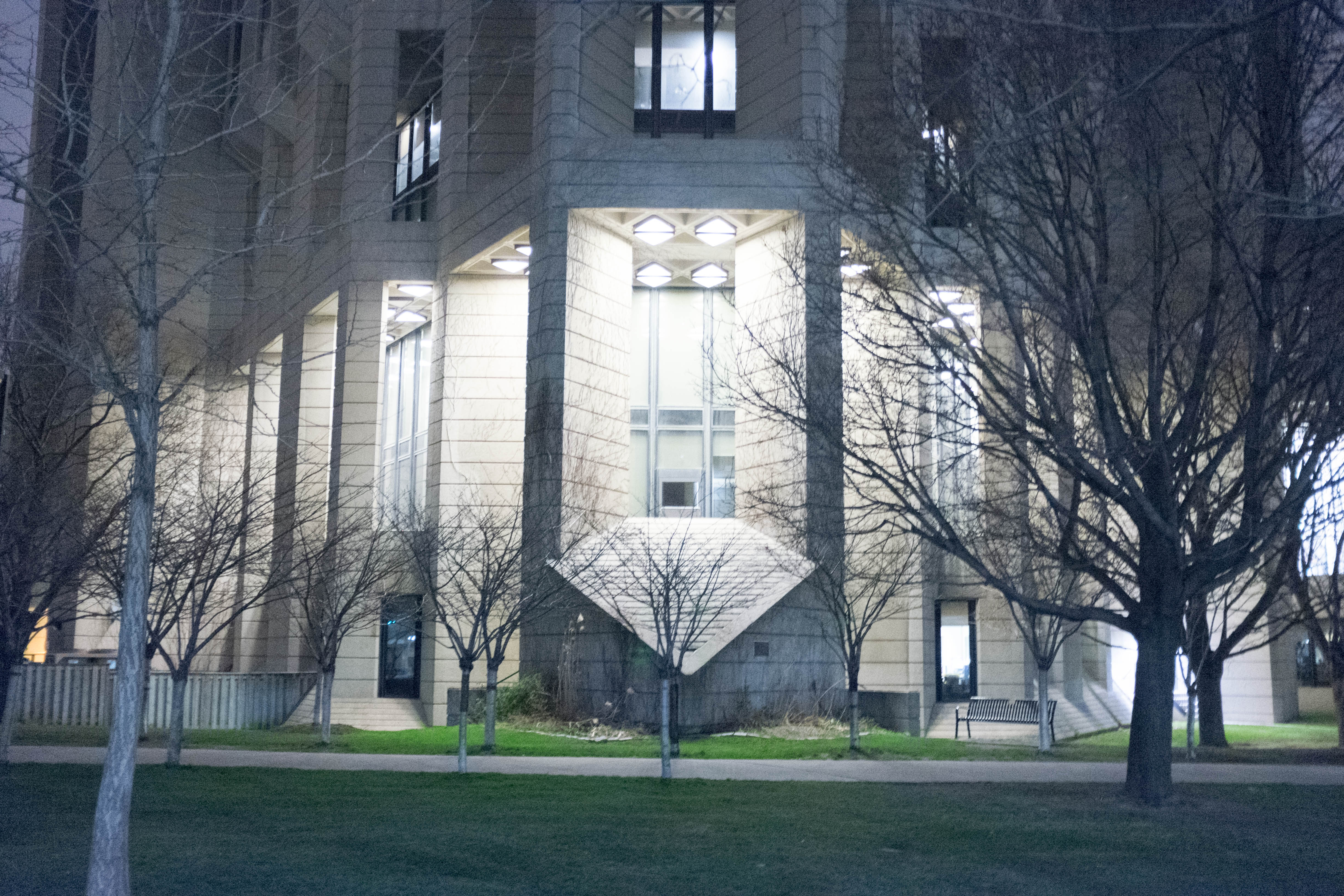
Angled concrete
Kensington Market winter solstice celebration
I got some photos of this year’s parade. The emphasis is on fire-spinning and the huge sculpture of hands which they burned.
U of T ad hoc committee recommends divestment
The presidential committee at the University of Toronto just recommended divestment!
They lay out criteria for excluding stocks based on their climate change impact and “recommend… that the University of Toronto instruct its investment managers to divest immediately” from such holdings.
They specifically identify ConocoPhillips, ExxonMobil, the Peabody Energy Corporation, Arch Coal Inc., Alpha Natural Resources LLC, Cloud Peak Energy, and the Westmoreland Coal Company for divestment.
Look for more information on this in the hours ahead from UofT350.org and Toronto350.org.
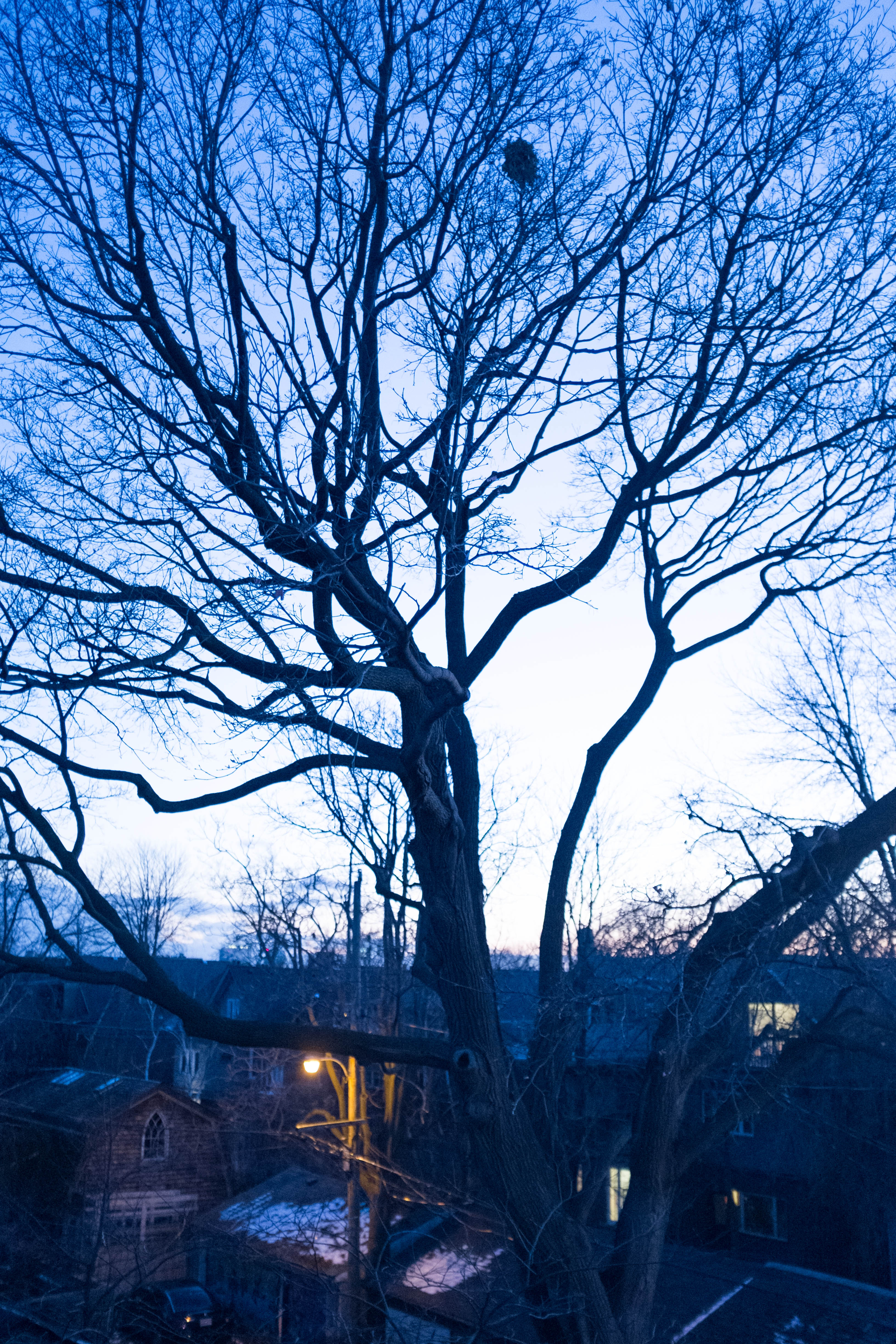
Bedroom view
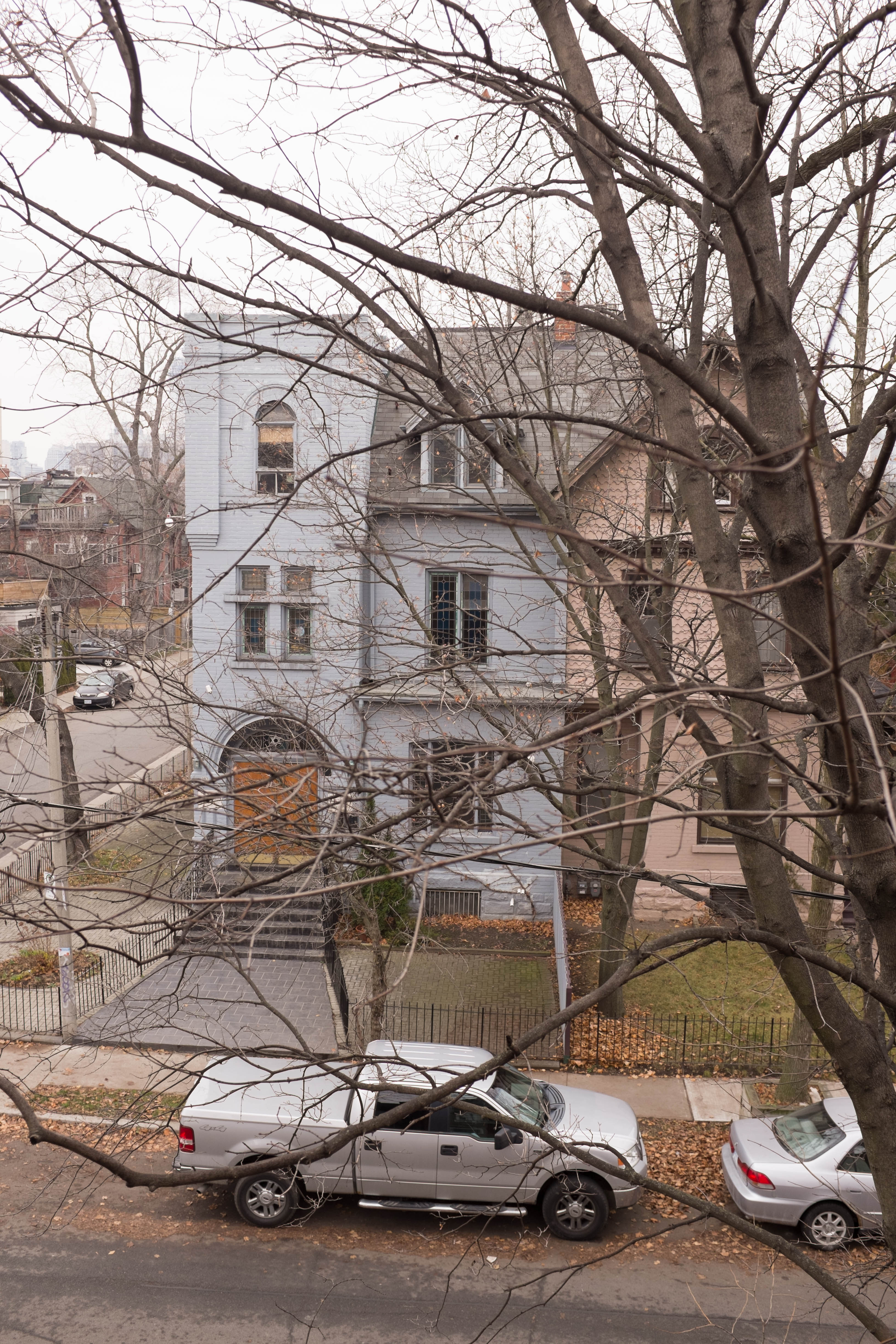
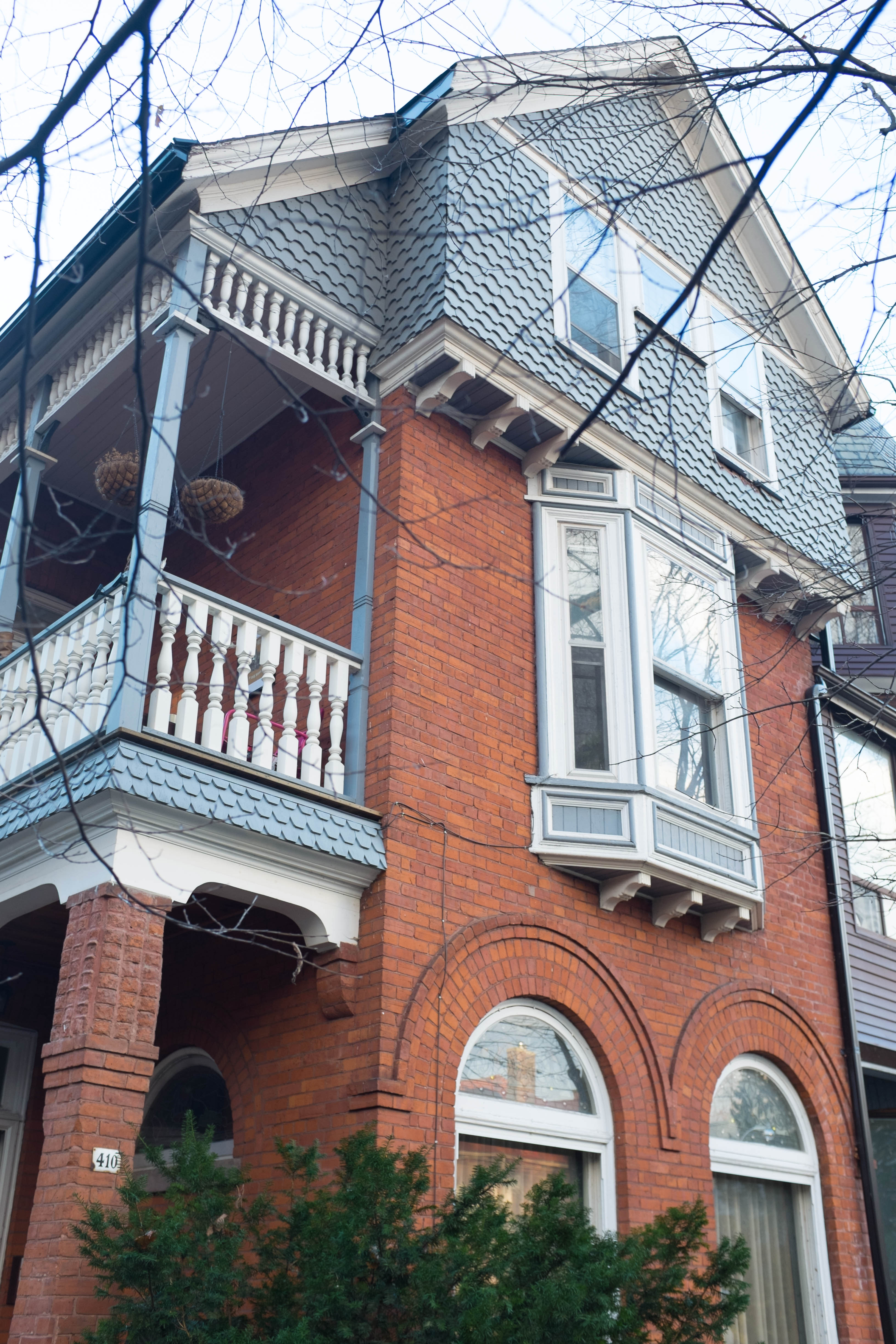
1892 house