In recognition of how half the global population now lives in cities, this week’s issue of The Economist has a survey on urbanization. Much of it makes for fascinating reading. For instance, they allege that the Kibera slum in Nairobi exists more for reasons of corruption than of poverty. The provision of private services and the need for constant bribery make its continued existence profitable, just as the pool of cheap labour it provides plays an important economic role.
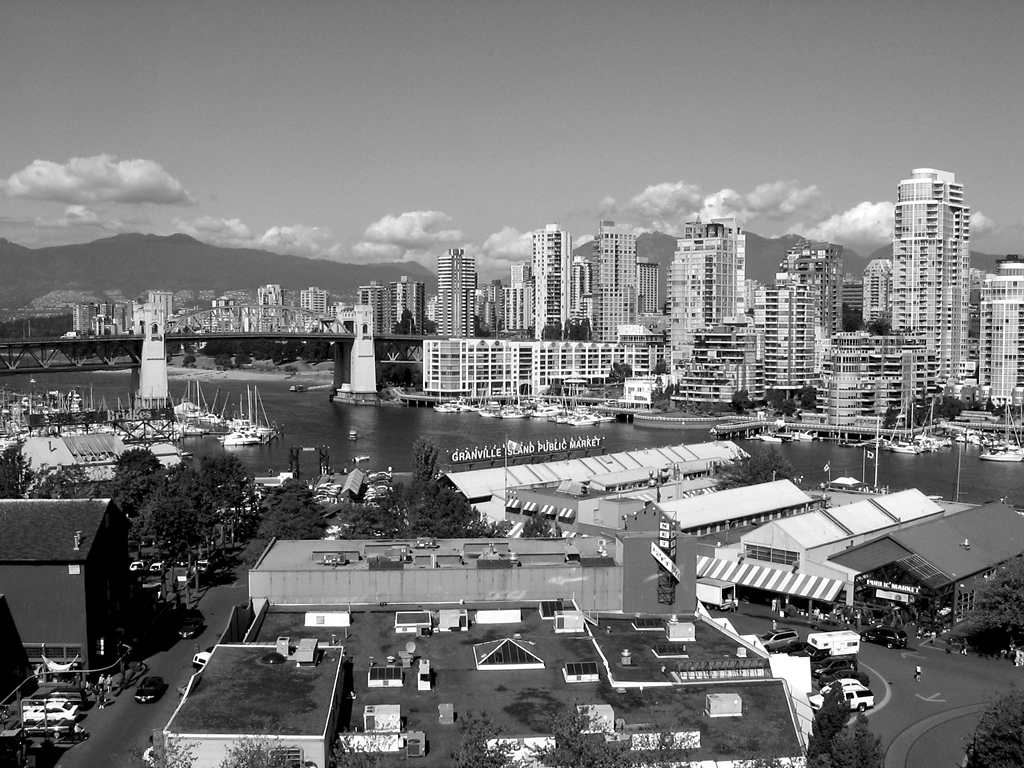
As always, they come up with some interesting statistics, as well. Vancouver is ranked as the most livable city in the world, and one is reminded that Tokyo has a larger population than all of Canada. Delhi has the world’s dirtiest air, as measured by particulates, followed by Cairo and Calcutta. More than 70% of all urban dwellers in sub-Saharran Africa live in slums. In Ethiopia, Malawi, and Uganda that figure is over 90%.
The United Nations envisions human population growth as a phenomenon that will eventually slow, leaving the world with a population of about eleven billion. By then, more than 60% of people will be living in cities, dependent upon agricultural productivity elsewhere to be able to sustain themselves. Hopefully, climate change and other ecological phenomena will not make that overly challenging.