The road to Kyoto plus, lessons from ozone

A lot of people seem to despair about the possibility of effective regulation of greenhouse gas emissions around the world, but the more I read about the cases of persistent organic pollutants and CFCs, the more plausible it seems, given that a few specific and important progressions take place.

The first is the process of scaling upwards in policy levels, as seen very distinctly with CFCs. The Rowland and Molina paper that first suggested that CFCs cause stratospheric ozone degradation was published in 1974. By 1975, two US states had already banned their use as aerosol propellants (Oregon and New York). Hopefully, the progression from there to national and international regulation is one that can be emulated. Already, lots of American cities and states have signaled that they are serious about climate change, and willing to use regulation to combat it.

The second important dynamic has to do with industry expectations. Six years before CFCs became an issue in environmental regulation, DuPont – the largest manufacturer – canceled its program for developing alternatives. When it became clear that regulation was forthcoming, they were able to field some alternatives within six months, and a comprehensive range within a few years. Up to the point where regulation seemed inevitable, they continued to claim that alternatives could not be easily developed. The point here is twofold. First, it shows that the existence of solutions to environmental problems is not independent of regulation and industry expectations about future regulation. Secondly, industries that anticipate national legislation (as they began to in the US in the mid-1980s on the CFC issue) become a powerful lobby pushing government towards completing an international agreement. It is far worse for American industry to be at a loss because local rules are tougher than global ones than it is to simply deal with some new issues.

Thus, an American administration that takes up the baton from the many states that have initiated their own efforts to deal with climate change might be able to create the same kind of expectations in industry. Some are already asking for regulation to “guide the market,” specifically decisions about what technologies and forms of capital in which to invest. From there, it is at least possible that the US could play a key role in negotiating a successor treaty to Kyoto that begins the process of stabilizing and reducing greenhouse gas emissions.

A related point has to do with the extent to which environmental images are heavily influenced by images and symbols. According to Karen Litfin, the Antarctic ozone hole was one of the major factors that led to the Montreal Protocol. She calls it an ‘anomaly,’ unpredicted by the atmospheric science that had been done up to that point, and thus capable of making scientists and politicians more aware of the possibility of unancitipated risks.

At his talk yesterday, Henry Shue says he is hoping for some iconic moment in climate change, to play a similar galvanizing role (a bare-topped Kilimanjaro, the Larsen B collapse, drowning polar bears, and Hurricane Katrina don’t seem to have done it yet, though the connection between climate change and the last of those is not entirely established.) Some spectacular and distressing (but hopefully non-lethal) demonstration of the profound effects human greenhouse gas emissions are having may be necessary to generate an urgent and powerful drive towards effective responses.
Studio photography on the (very) cheap

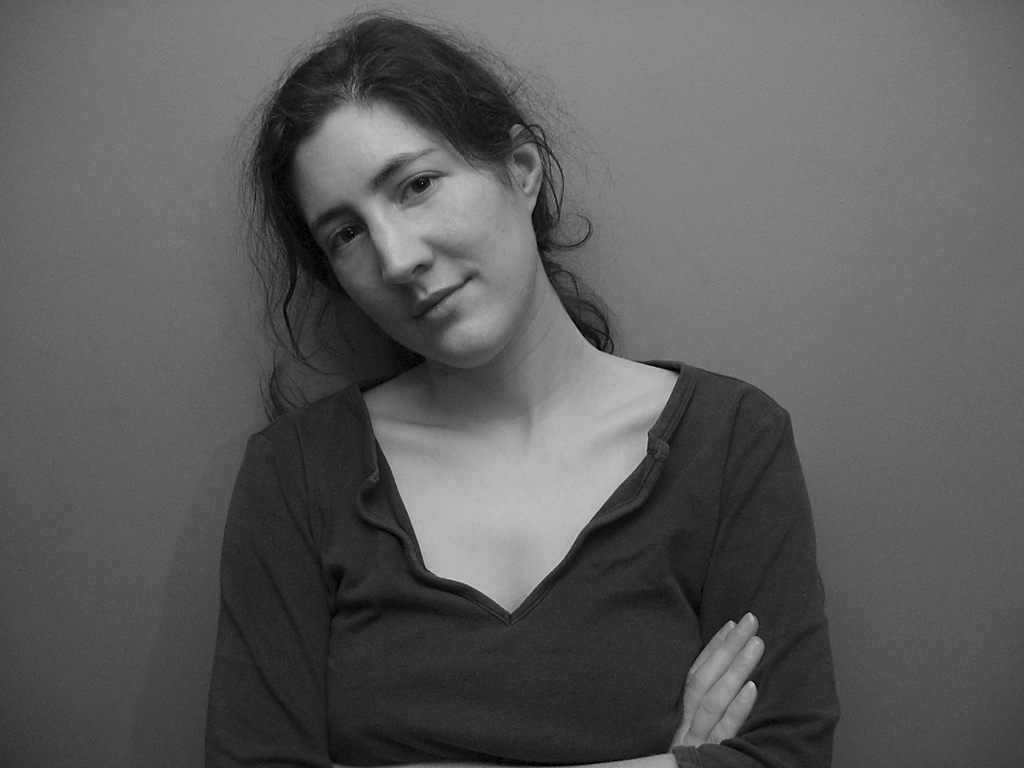
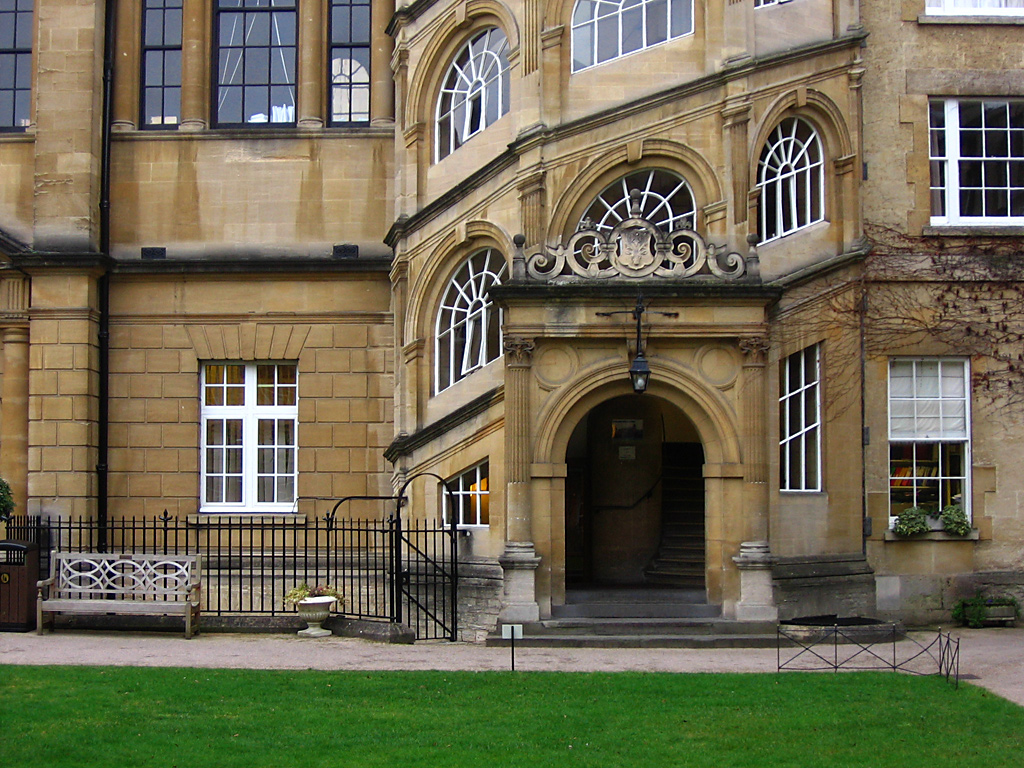
Antonia Mansel-Long, bounce-lit

Something useful learned tonight: using standard height white ceilings, a glossy white St. Anthony’s College laundry card, and the on-camera flash on a Canon Powershot A510 digital camera, you can pull off some tolerable bounce-lit flash photography. A hand-held mirror is even better, though I would recommend using a relatively matte ceiling, with that arrangement. The flash is only really adequate for this role in the wide-angle range, due to a low power rating, but this does make it dramatically less unflattering, through the dual benefit of eliminating white patches that have been completely overexposed and removing the unnatural shadows that arise from a flash too close to the lens.

Attempt to make diffusers out of Sainsbury’s receipts, onion-skin paper, and other miscellaneous translucent materials were less successful. I look forward to eventually having a proper off-camera flash with diffuser, not to mention the chance to do some real studio work. If only this pesky thesis wasn’t getting in the way of various hobbies.
Coffee, sandwiches, and bibliographies: the blocks from which theses are made

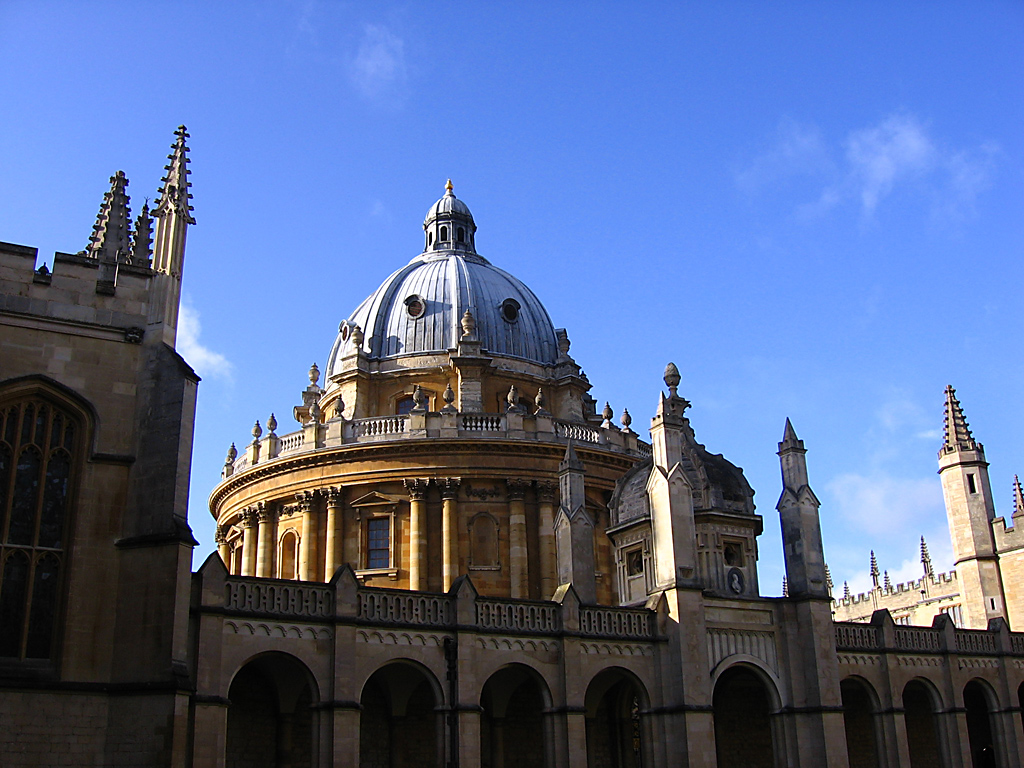
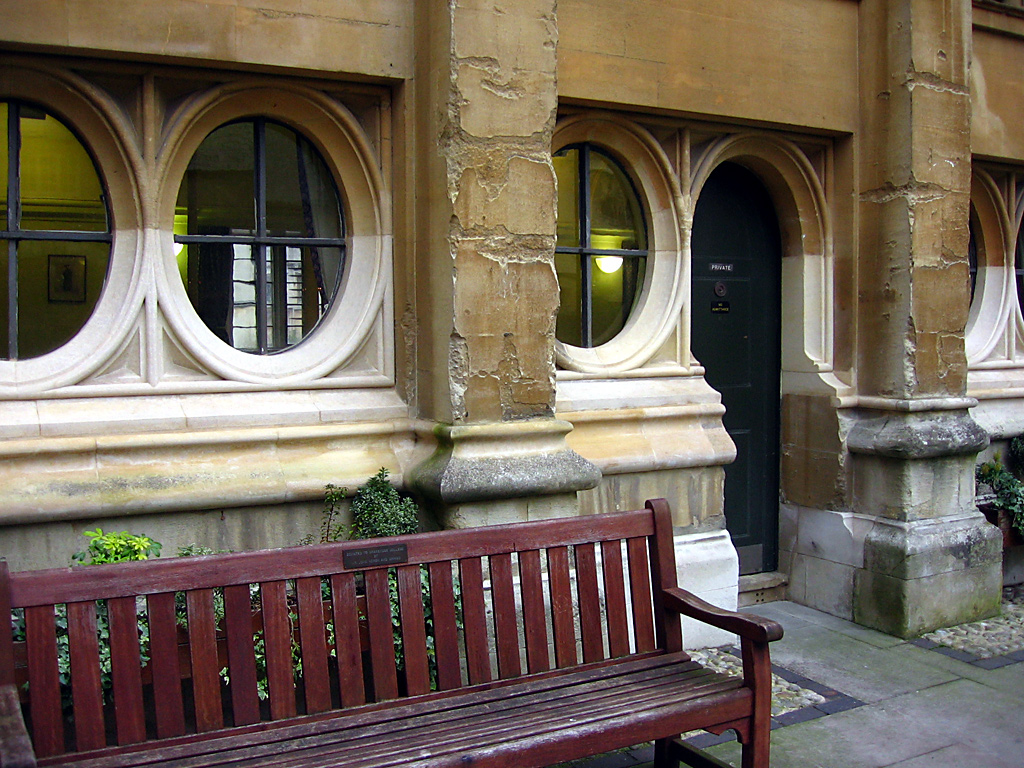
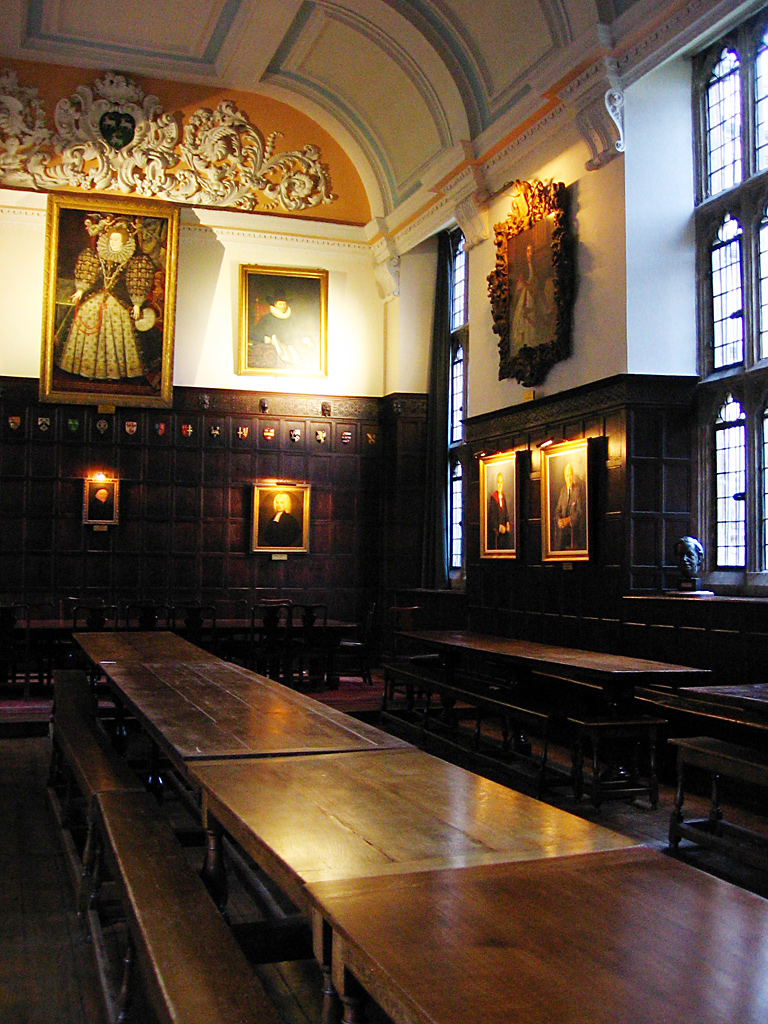
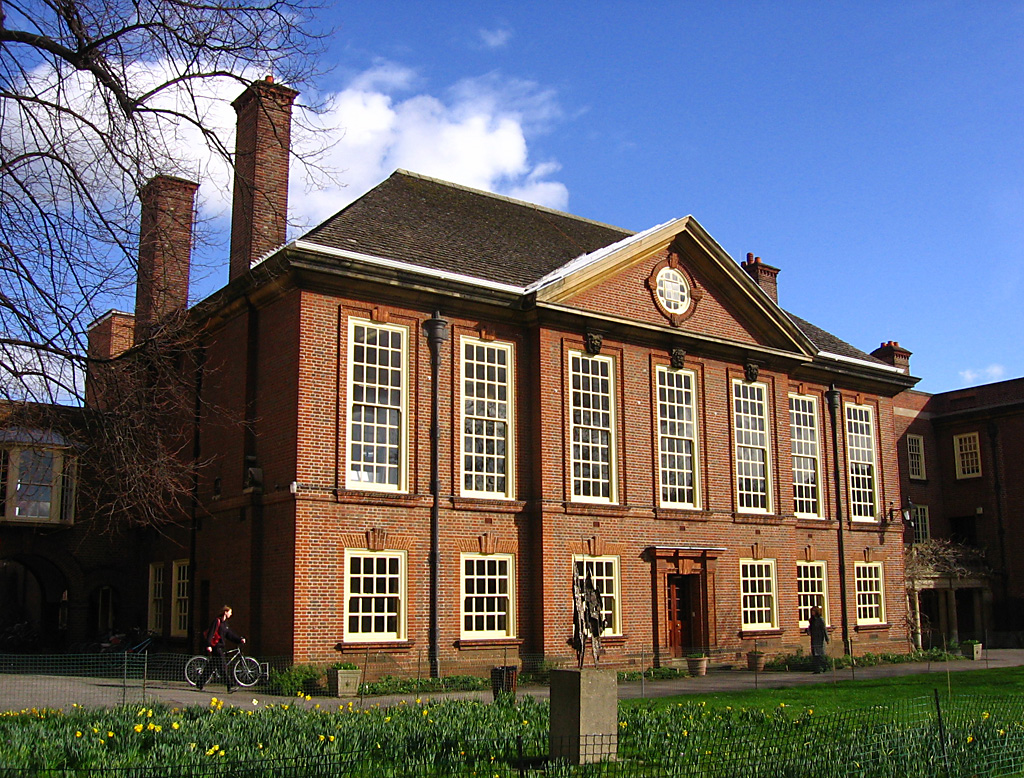
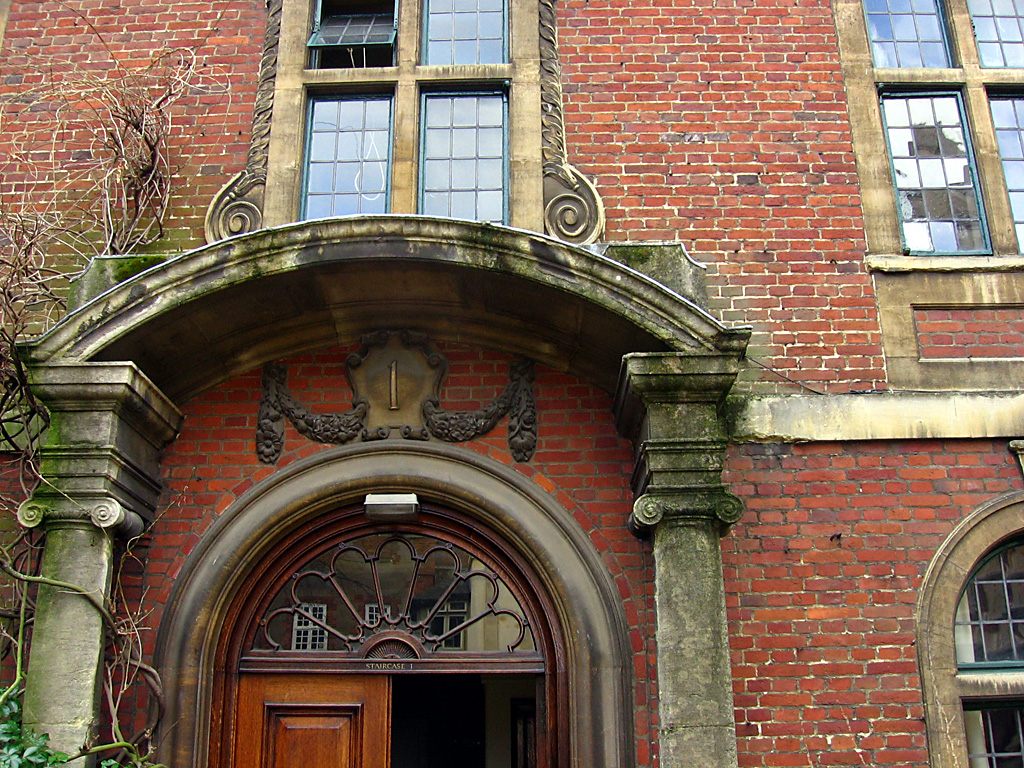
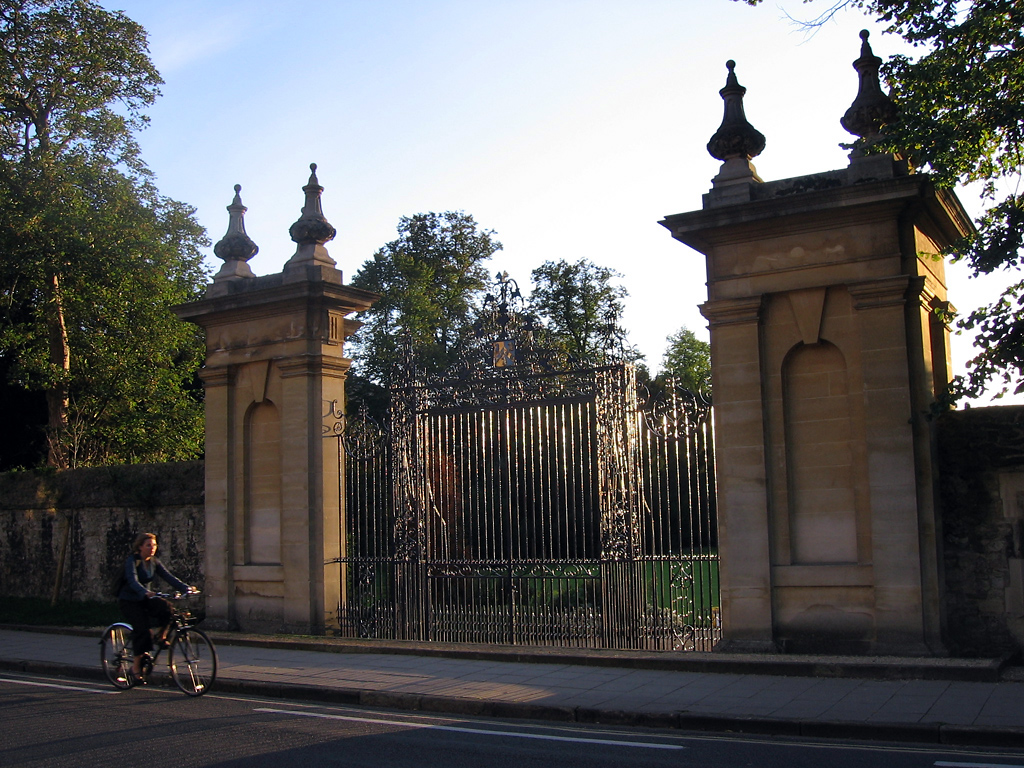
Hertford College, Oxford

There was a talk in Corpus Christi today that was a kind of grad student slam dunk. Organized by Cinnamon Carlane and given by Henry Shue, the talk was on the ethics of climate change. Firstly, it involved free sandwiches (fully 2/3 of which were vegetarian). Secondly, as with most of Professor Shue’s talks, it involved the distribution of a comprehensive bibliography. With a thesis upcoming, you can never have too many articles of assuredly high quality to include in your discussion and, perhaps more importantly, your bibliography. Thirdly, the room was packed with people interested in environmental politics: an elusive variety of student who seem to be spread across every program and department, and only come together under unusual circumstances.
Shue’s moral argument is, of course, very well thought out and compelling. The biggest flaw, I think, is that he is not focused enough on the policy course that would be required to deal with climate change effectively, and the secondary moral phenomena that arise from that. That said, being able to make a strong foundational case that climate change is a problem upon which we are morally obligated to act may be an important step in the generation of the requisite level of political will.

Those interested in this stuff will probably appreciate knowing that Professor Sir Nicholas Stern is talking about his report on the economics of climate change in the exam schools, this Wednesday at 5:00pm.

Oxford colleges cataloged

With 131 days left as an Oxford student, it seems time to complete my collection of Oxford college visits. In the list below, those in bold have been explored thoroughly (sometimes with an explanation in parentheses). Those in italics have been ducked into, usually only to see the main quad. Those that are links are ones for which I have photographs online, with the link going to an example:

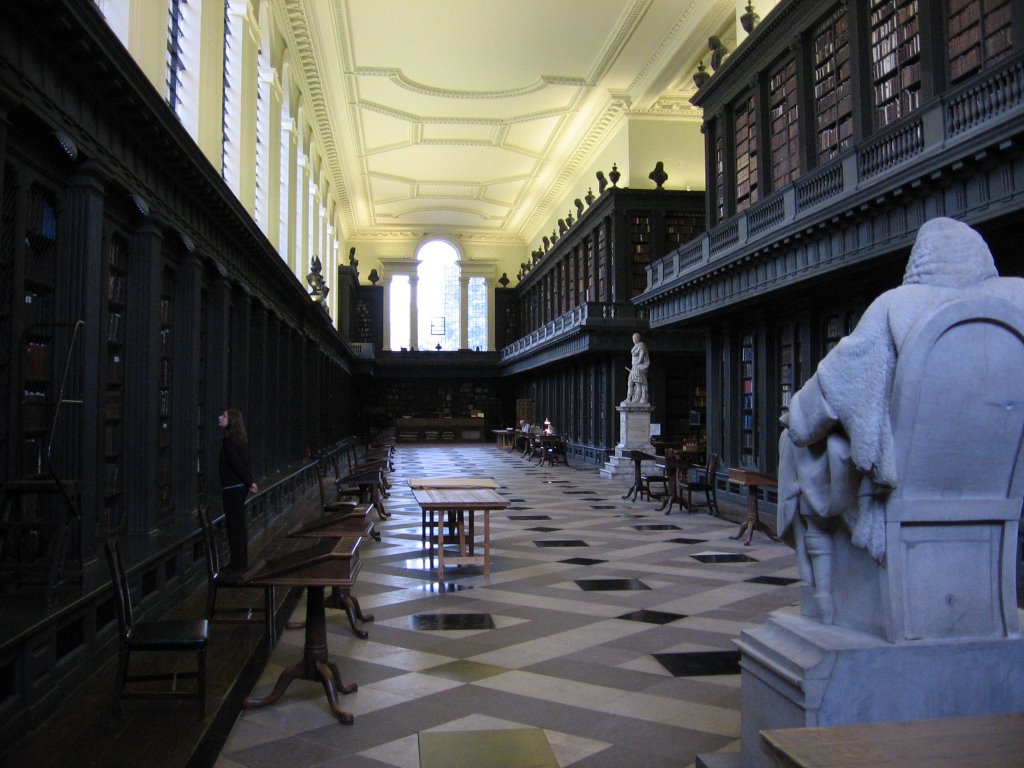
All Souls College (Strategic Studies Group, international law seminar, Codrington Library reader)
Balliol College
Brasenose College
Christ Church
Corpus Christi College

Exeter College (concert)
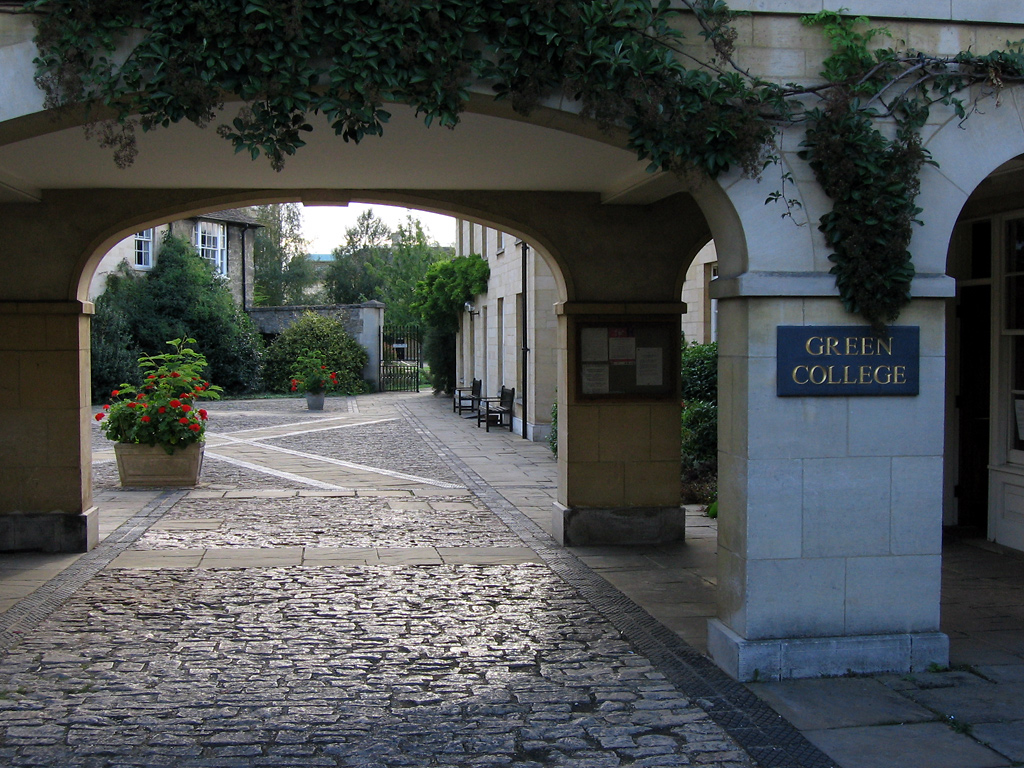
Green College (good parties, view from inside tower at night is excellent)
Harris Manchester College
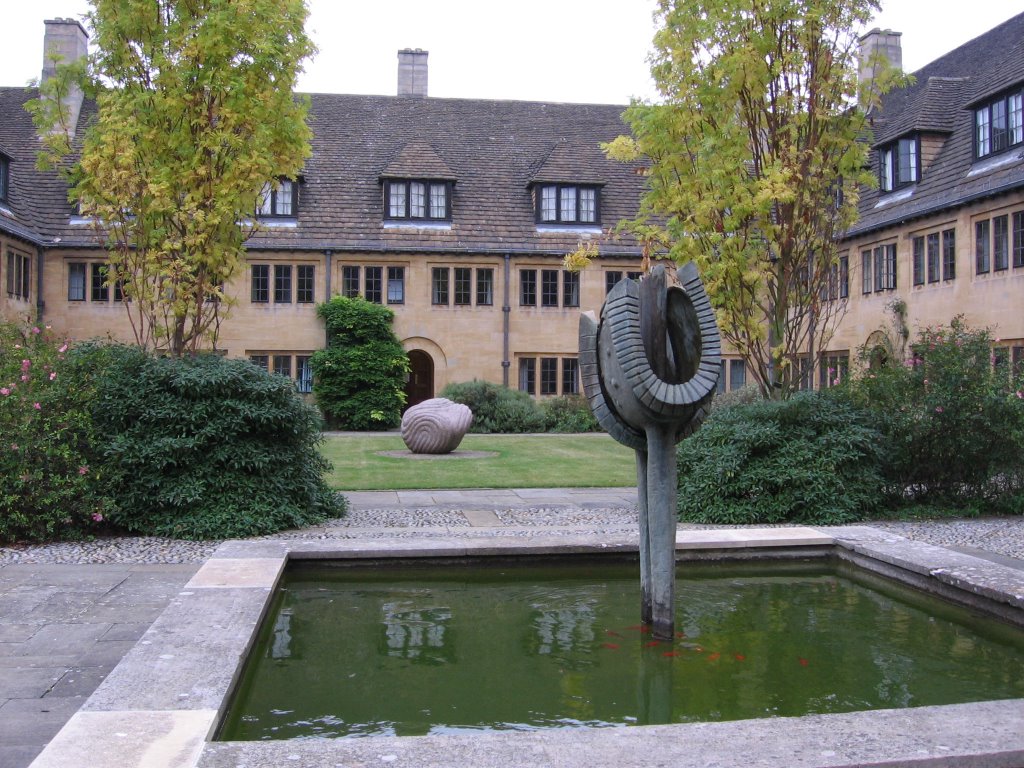
Hertford College
Jesus College

Keble College
Kellogg College
Lady Margaret Hall (dinner once)
Linacre College
Lincoln College

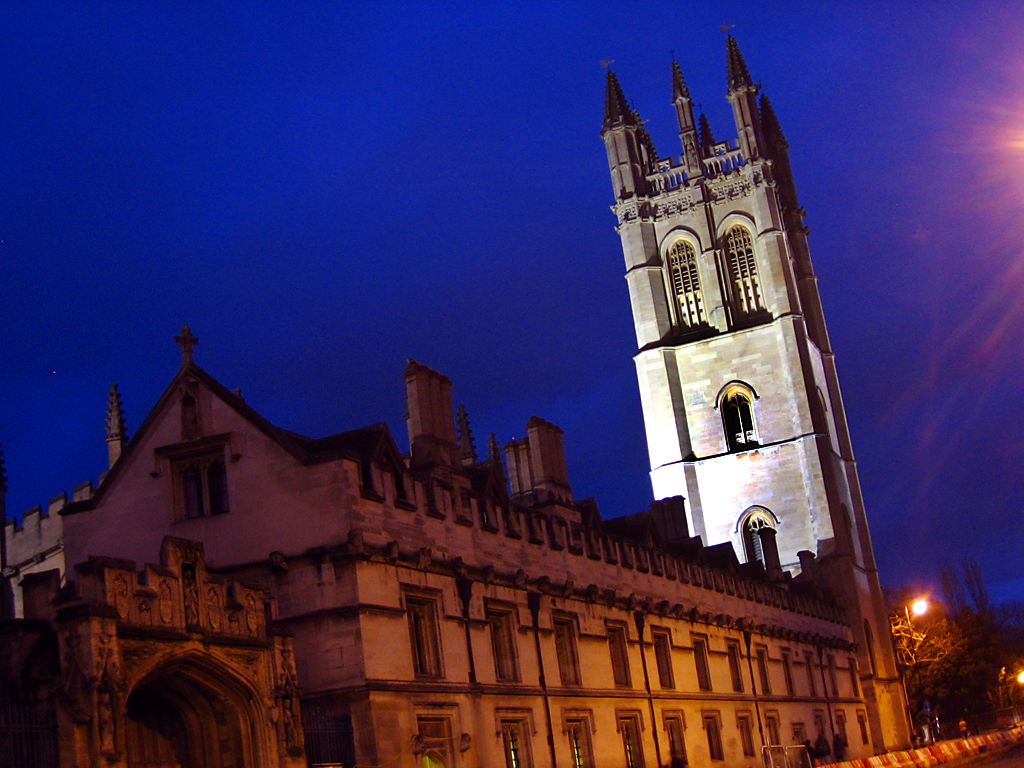
Magdalen College (Evensong)
Mansfield College
Merton College (Evensong)
New College (Strategic Studies Group dinners, very good parties)
Nuffield College (supervisions, seminars)

Oriel College
Pembroke College
Queen’s College, The
Somerville College
St Anne’s College

St Antony’s College (dinners, bops, laundry, my place of residence)
St Catherine’s College
St Cross College (dinners, lunches, bops)
St Edmund Hall
St Hilda’s College

St Hugh’s College (taught tutorials there, dinner)
St John’s College
St Peter’s College
Templeton College
Trinity College

University College (Global Economic Governance Group seminars)
Wadham College (my college)
Wolfson College
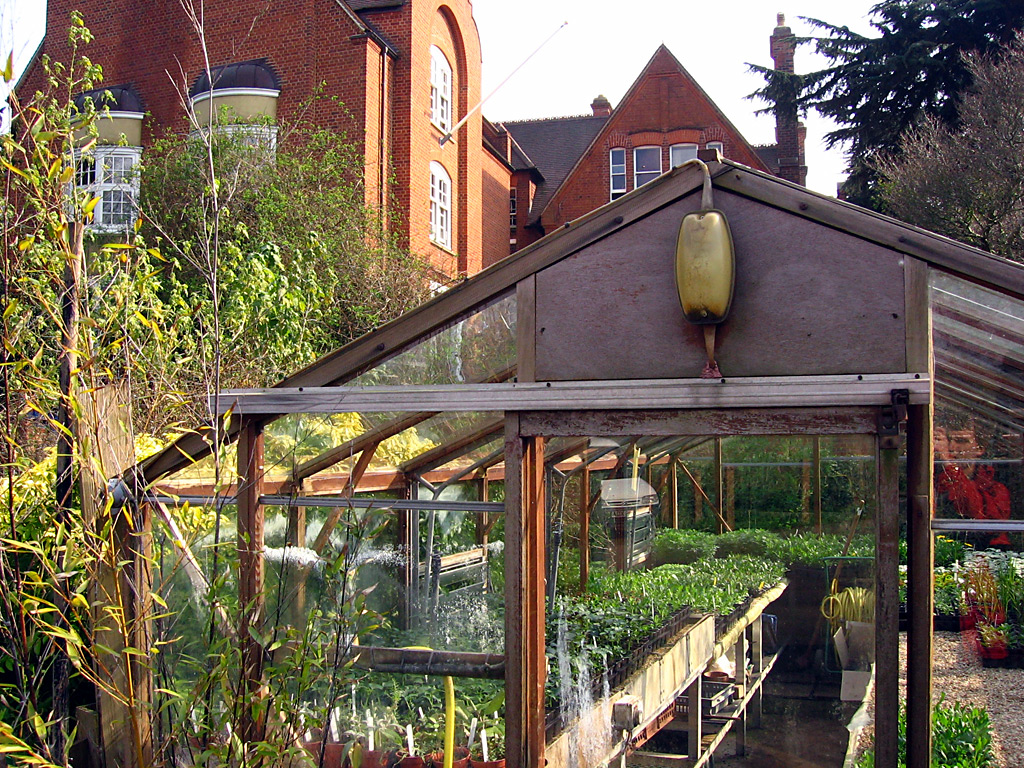
Worcester College (extensive garden exploration)

Hopefully, I will be able to embolden a few names, and link a few images, before my tenure here comes to a close in July.

Separate not a man from his techie tools

I have a request for intelligent people around the world. Can we please agree that tiny little multi-tools like my SOG Crusscut are in no way dangerous weapons? Certainly, they are no more so than all manner of items (from pens to umbrellas) that are legitimately carried into all manner of places.

As one of the items that I carry around virtually everywhere, I am quite reliant upon it: particularly the scissors, screwdriver, bottle opener, and ruler. When I am forced to not carry it, usually because of travel, I frequently find myself frustrated and annoyed. The same should go for the Leatherman Micra and similar tools. Gram for gram, these little things are up there with LED headlamps, in terms of usefulness in varied circumstances.

PS. This minor tirade was prompted by this lengthy article on survival equipment, written by Neil Andrews. Judging by his ‘modules,’ he is the fellow to know in the event of a massive natural disaster or zombie attack.

Ten days to chapter two

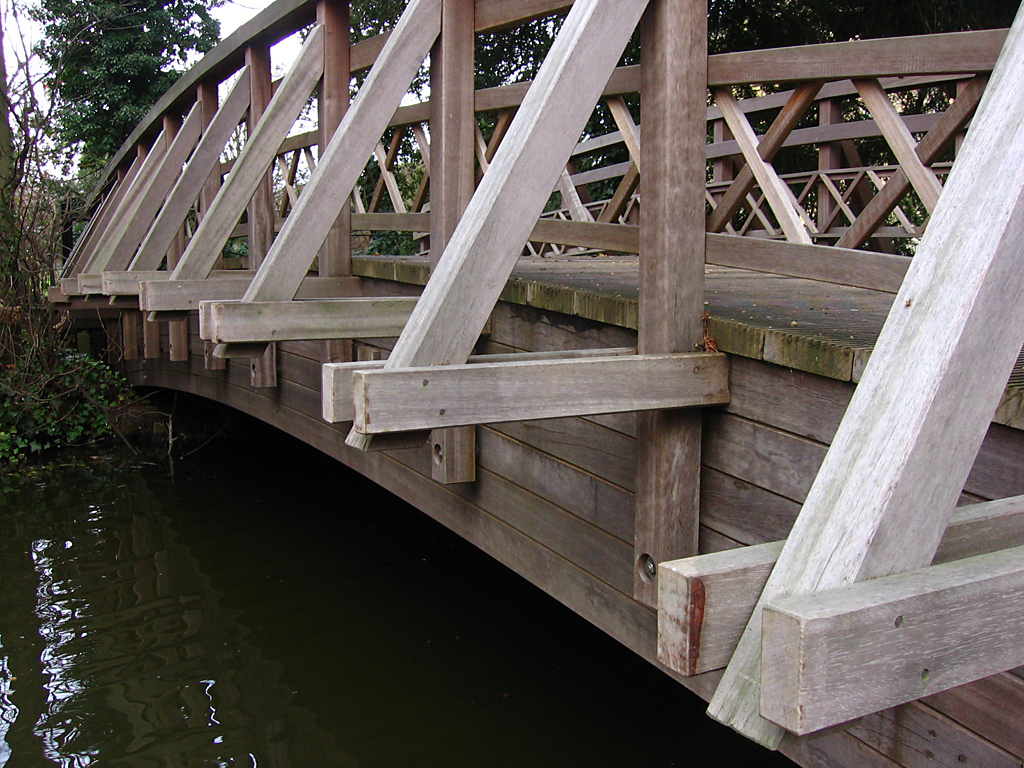
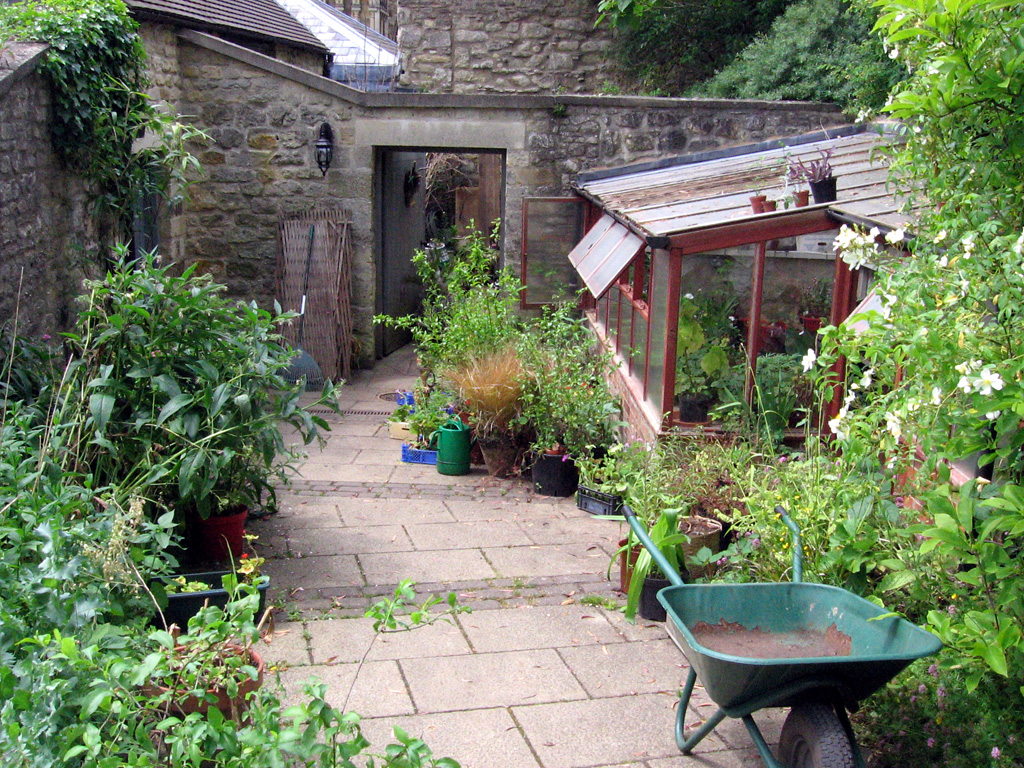
Bridge in Worcester College

By the end of this month, I am to submit the second chapter of my thesis. On “problem identification and investigation” it will detail the scientific processes that led to the Stockholm Convention and the Kyoto Protocol. Largely because of the sheer scale of the latter effort, it is a more difficult thing to pin down, especially in a reasonably concise way. If someone knows of an article or chapter that provides a neat scientific history of the climate change debate, UNFCCC, and Kyoto, I would appreciate being pointed in that direction.

On the theoretical side, the chapter will examine the ways in which phenomena in the world are categorized as ‘problems’ or not. I am also going to examine the role of existing bureaucratic structures in determining if and how scientific research in undertaken. There, the contrast between the American and Canadian approaches to dealing with POPs should be illustrative.

About 7,000 words long, this chapter will be one of the three pillars upon which the thesis as a whole will succeed or fail. As such, I am understandably anxious to do as good a job on it as can be managed, given the limitations on how much I can actually read and remember. My biggest source of anxiety remains the thought that I haven’t done enough research to speak authoritatively on the subject. Finishing the Litfin and Bernstein books is thus the first order of business, for the next few days. To that end, I should resume my ‘peripatetic and caffeinated’ reading strategy.

Visual programming tools for non-coders

Using Yahoo Pipes, a neat visual tool for making simple web applications, I made an RSS feed that aggregates new blog posts, blog comments, changes to the wiki, and 43(places/things/people) contributions. While this particular feed is probably only of use to me, people may well find the architecture useful for doing other things.

While it will probably never be the case that you can do serious computer engineering without knowing how to write code, tools like this are a good way to deal with the fact that the vast majority of computer users will never write Java or PERL. Designing interfaces which are both flexible and comprehensible to non-experts is quite a challenge, but certainly one worth taking up. Much of the momentum behind blogs is simply the result of the fact that they can be set up and operated by people who have never needed to deal with a command prompt or the configuration of a web server.

Quarterly Church Walk party

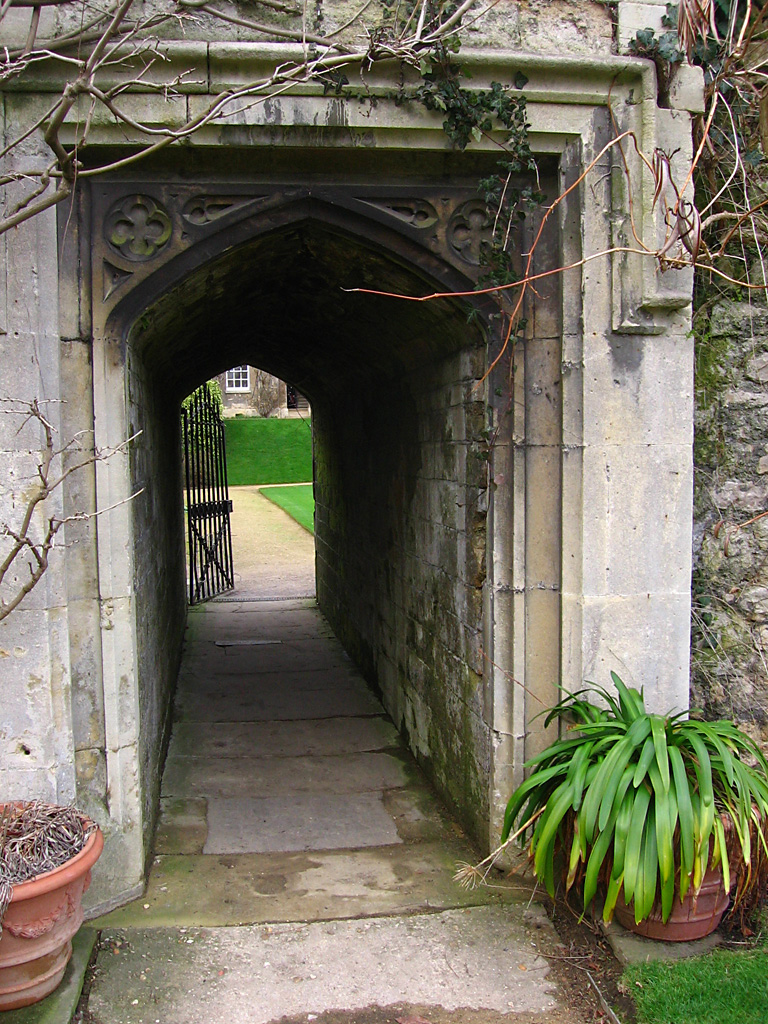
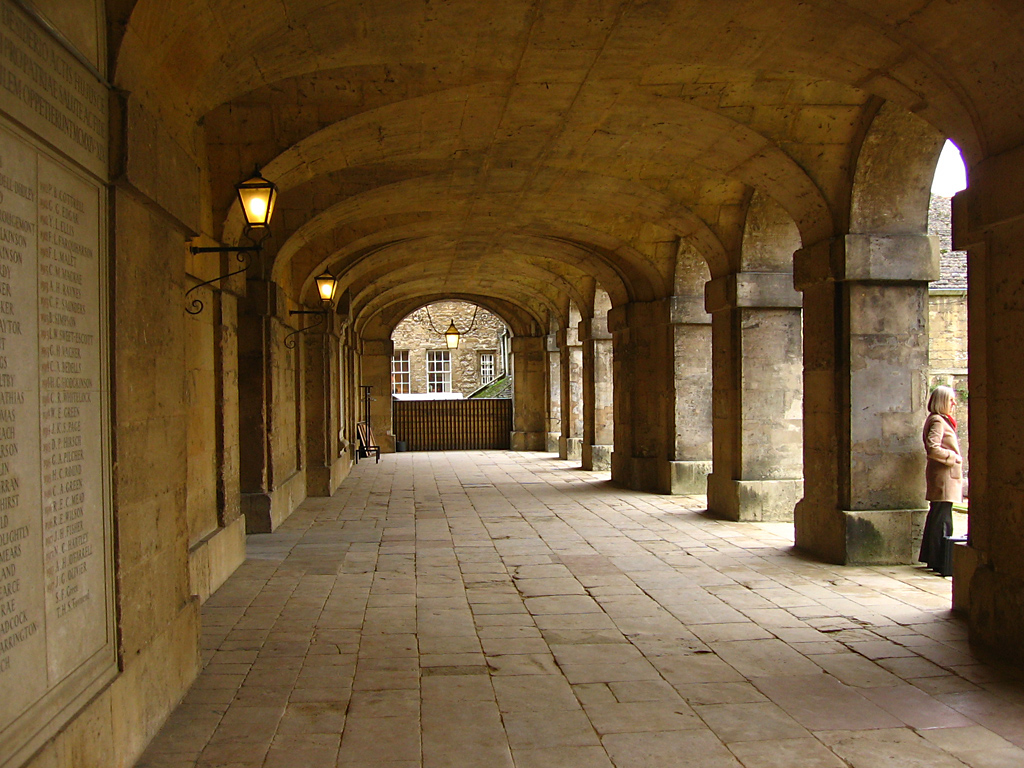
Passageway in Worcester College

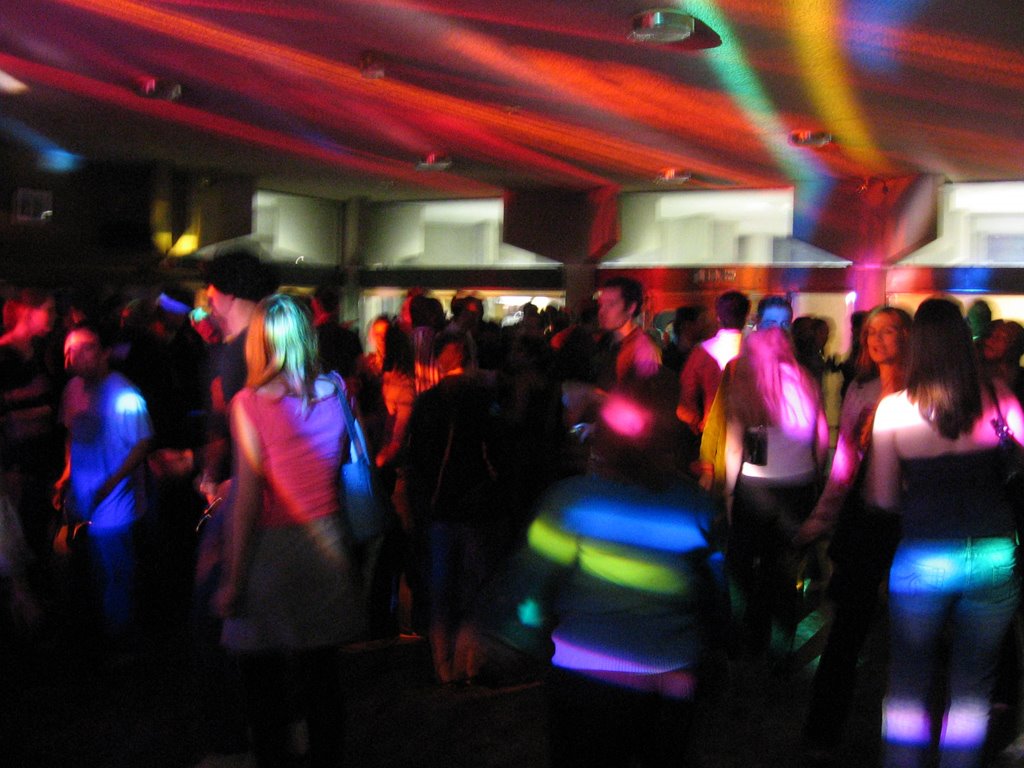
Later tonight, my flatmates and I are having one of our periodic parties, the major purpose of which is to see some of our classmates who have disappeared from site since everyone separated into the various optional seminars. There are probably a couple of people from my year in the M.Phil in International Relations who I haven’t seen since before the summer, and I know very few of the people who joined the program this year. Of course, the scattering that has already occurred is just a prelude to what will happen in July, as people spread out to all corners of the earth and many separated areas of human endeavour, leaving behind a dedicated cadre to complete the D.Phil in an additional two years.

It will be exciting to see where such a dynamic and capable group of people find themselves in twenty five or thirty years. That said, I know very little about the subsequent fortunes of people who completed this program in the best, barring the subset that have gone on to teach it: a surprisingly high fraction of the total body of instructors.

Given the extent to which the ‘come as your supervisor’ theme of the previous party was ignored, this one has officially been declared ‘ambiguously themed.’ Interpret that as you will.

[Update: 18 February 2007] The party went well, and had a good number of people present, though very few were actually from the IR program. Someone left a dark blue backpack in our sink. It says: ‘Hikerpak’ on the side and seems to contain various notes and papers. If you know to whom it belongs, please come and claim it.

American primaries upcoming

The primary season that precedes American elections is always an interesting time for strategizing. As a supporter of either party, you want to achieve two things: the election of the most appealing or electable candidate for your party, and the election of the most appealing or least electable candidate for the other. The tension in the latter pair is probably the most interesting bit. Should committed Democrats try to help a centrist like Guliani get elected (a particularly pressing issue in states with open primaries, where registered Democracts can vote in the Republican primary and vice versa) or should they try to push the Republicans towards a hopeless candidate?

The risk averse option, and the one that seems the most sensible, is to choose the most electable option for the party you support (provided their platform is not seriously objectionable) and the most tolerable option for the other party. For this election cycle, it isn’t quite clear who would fill either role, but my guesses right now would be Hillary Clinton and Rudy Giuliani. That said, I am reasonably willing to tolerate moderate fiscal conservatism, as long as it isn’t accompanied by culture war conservative values fodder. American voters may well feel otherwise. For instance, an atheist candidate is essentially unelectable in the US, but would probably be slightly preferable for me.

From the perspective of someone who is not a dyed-in-the-wool supporter of either party – and both have plenty of ugly features – the strategies that yield relatively centrist candidates are probably the most desirable. Anyone who is able to excite the party faithful to a feverish level, but not reach out to the intelligent independents who must ultimately represent the balance of opinion, is both unlikely to win and unlikely to govern very well.

It will be interesting to see what we learn about the candidates while they are tramping around New Hampshire and Iowa: another curious feature of American electoral politics.

More published photos

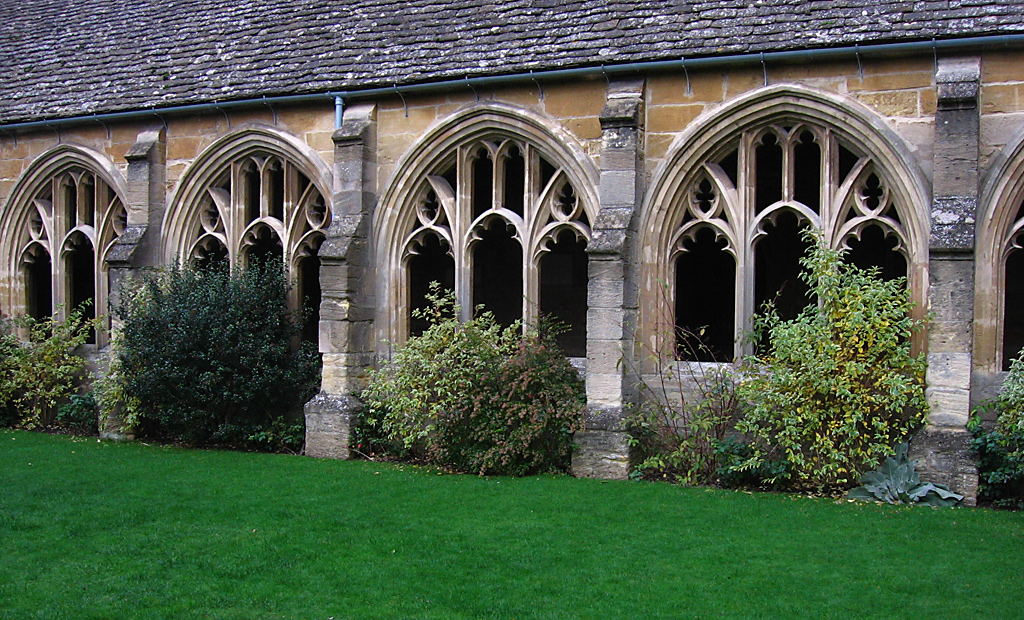
First, it was The Oxford Student. Now, the 2007 Wadham College Gazette, produced by the college and distributed to students past and present, features two photos that I took and posted on various websites. The back cover is a photo I took of the flowers behind the cloisters last spring. Happily, they credited me for the images. Unhappily, they called me Milan Llnckyi.

Now, I can understand how a person sees Smyth and writes Smith. I cannot see how someone sees Ilnyckyj, just wings it, and writes ‘Llnckyi.’ Every single website from which these photos might have been taken (blog, Facebook, and Photo.net) includes my name in full. Incredulity aside, I have invented a mnemonic for the aid of future generations:

I
Love
New
York
City.
Kate (Happy Birthday)
Yodels
Joyfully.

Add this to the pronunciation guide, in Ilnyckyj lore. Still, I am flattered that the college found my photos worthy of printing and distributing.

PS. I really can’t be too scathingly critical. I have been double and triple checking this entry to make sure I haven’t committed the spectacular gaff of misspelling my own name.