
Defence booked

My PhD dissertation defence is booked for 2–4pm on December 2nd.

The defence is conducted by the examination committee, which consists of my PhD research committee plus an internal external examiner (from our department but not involved in my project) and external external examiner (from another university).

I will get a report from the external external a bit before the oral defence, and the most likely result of the proceedings is to be asked to make minor changes over a week.

In the interim, along with TA work, I will get ready for the final round of approval for use of direct quotes. To help people feel comfortable and protected during the interviews, I told people that they would get a chance to review direct quotes attributed to them prior to publication, with the option to have them included anonymously instead.

I will also prepare the LaTeX manuscript to print a couple of dozen copies at the Asquith Press at the Toronto Reference Library. I will give them to major supporters of the project, as well as Robarts Library and the U of T archives (as we did with the divestment brief).

I am also now giving serious thought to setting up a student coaching business. One-on-one guidance about planning and working through the term, as well as engaging with the countless enrichment opportunities at U of T that it is up to the student to go out and find, would provide something which is painfully absent at U of T. It would rely on skills which I already have from my own student and TA experience, and it would serve a need and a market which I know exists. It would also separate employment and my ability to pay rent, bills, and student loans from the politics of climate change within organizations. Instead of having to stress about finding an organization to work for where I endorse their strategy and they endorse my activist efforts, I could keep myself going with work that is independent of anybody else and devote the rest of my time to making a difference on climate change in areas I am good at (research and policy analysis) rather than those where I have little experience or skill (non-profit fundraising).
Teaching and writing

While my dissertation work is overwhelmingly done, the combination of residual writing up tasks and TA work is making this a pleasantly busy term and a reminder of Septembers past, including my own starts at UBC, Oxford, and U of T.

As of last night my dissertation is off to the external external examiner, whose six-week review is the last step before the defence: now expected in the last days of November or first days of December, right around my 39th birthday.

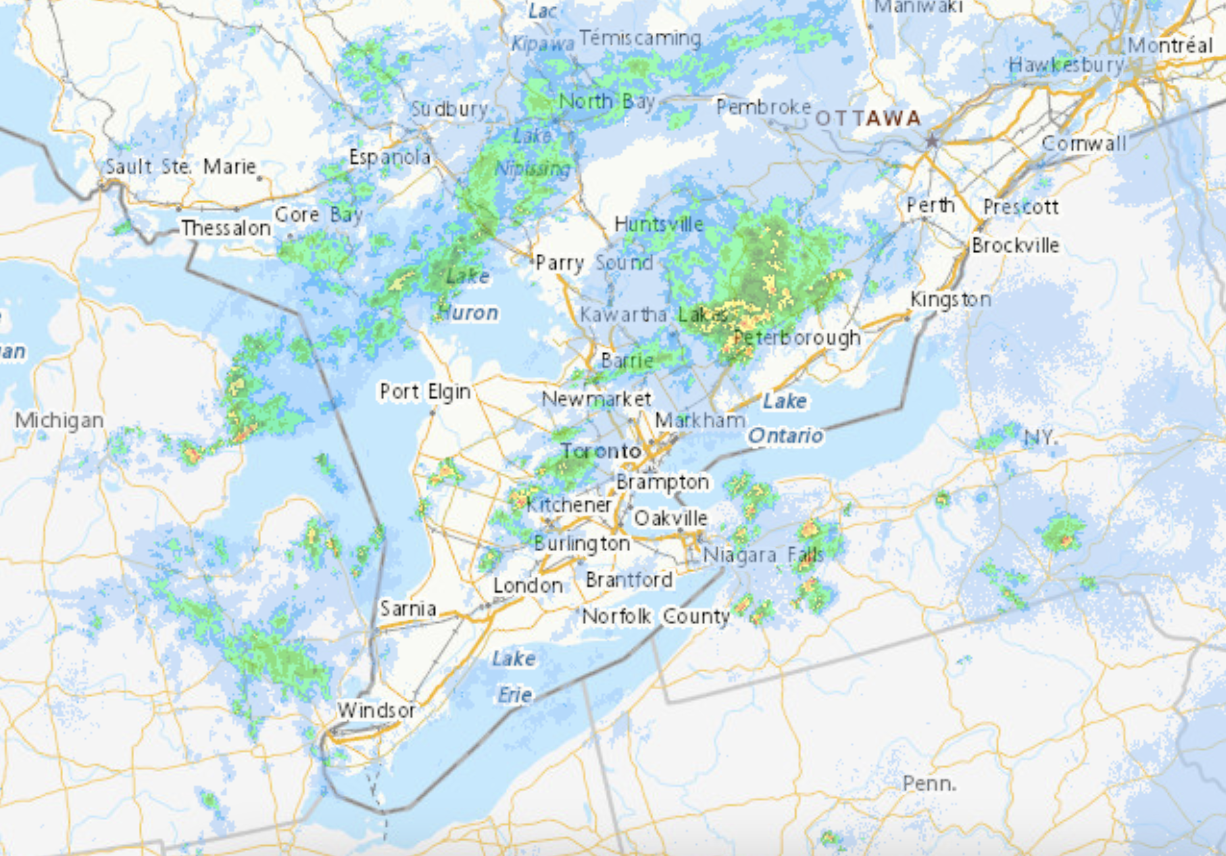
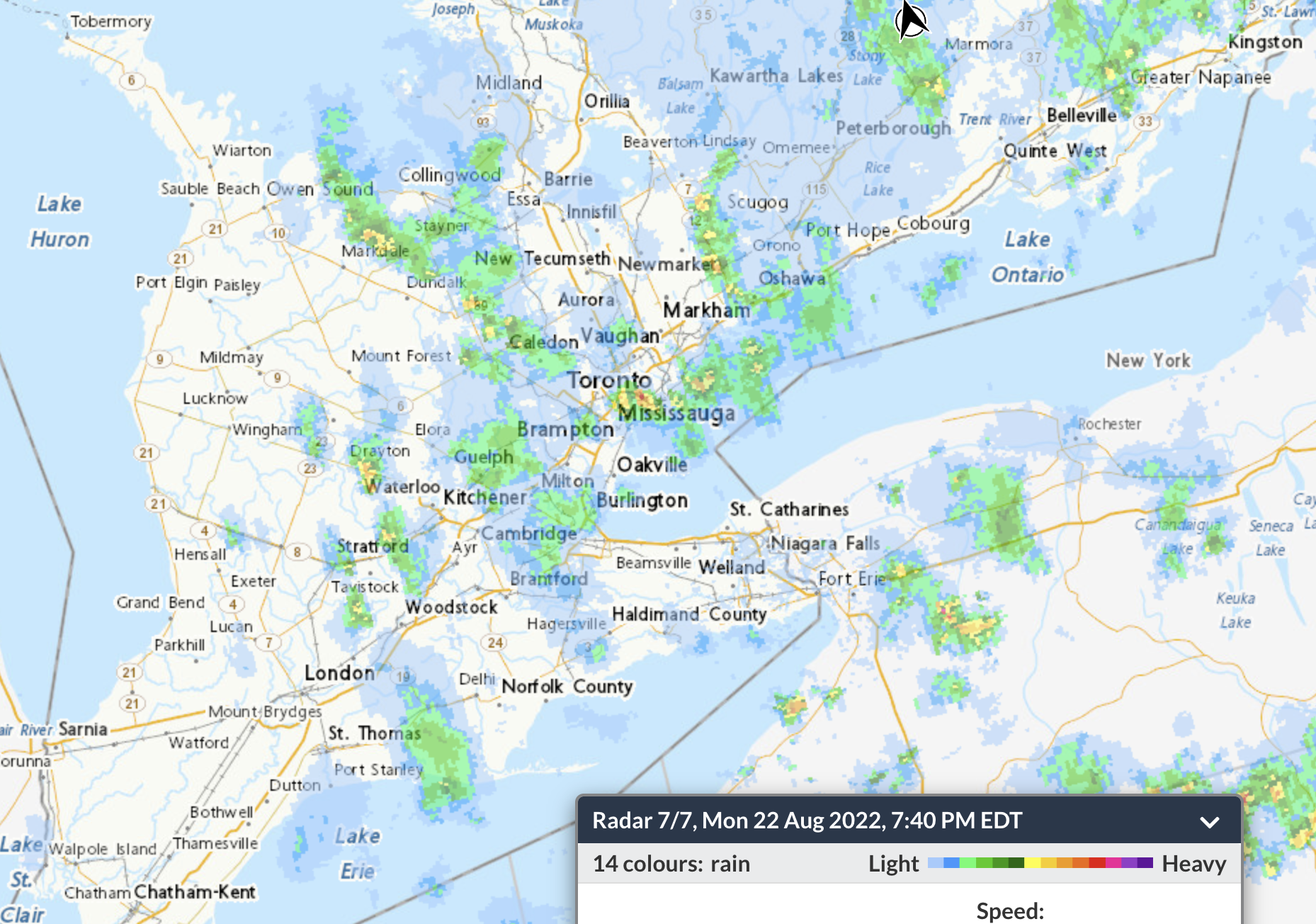
COVID: fall 2022

Here we are:

And where we have been:

One data point to add to the galaxy thereof: at today’s science forum at Massey College, among the people sitting at the front the ones wearing masks along with me included the college’s chair of science and an Order of Canada-winning astrophysicist.

Switched to a safety razor

Sometime around late elementary school or early high school I got my first razor as a gift: a Gillette Mach 3 using cartridge blades. I used those more or less exclusively until I began using Harry’s catridge razors in Ottawa or maybe early in my Toronto time around 2012. One lesson I did learn in the UK and used subsequently is that shave oil (like King of Shaves) works better with just a few drops than covering your whole face in foam — plus you can always see what you are doing and thus avoid acne.

About a week ago, something set me off reading reviews and watching videos about safety razors: a style that used double-edged (DE) razor blades, dates back to the early 1900s, and was popularized by WWI. I think it might have been annoyance about how, if I don’t shave for a few days, cartridge razors get instantly clogged up betweeen the blades.

I ordered a Merkur 38C, made in Germany, from the House of Knives in BC because I was worried that the same product from Amazon was likely to be counterfeit. I got 10 Merkur blades, 100 Astra blades, plus two shaving creams (Harry’s and Creamo) and a shaving soap (Proraso).

I got the soap and a basic boar brush a day before the razor, so I tried it with my catridge razor. There is no question that warming your face with hot water and then applying shaving soap with a brush feels excellent on its own, and makes shaving with whatever tool closer, better-feeling, and safer.

With the safety razor, shaving with both cream and foam was surprisingly painless and easy after what all the videos prepared me for. I found no trouble identifying the right angle to let the weight of the razor do the pulling, and I don’t think I came close to cutting myself in any trial. The results are also noticeably noticeably closer: one day after a safety razor shave it feels about as close as one minute after a careful cartridge razor shave with oil.

I still need to obtain or make a sharps bin or ‘blade bank,’ but, despite reading about how many DE safety razor users change blades every time, I have been finding them more than good enough for at least 3-4 shaves.

In the last few years, I have mostly fallen back to shaving every 2-4 days and semi-periodically growing a beard for a week or two. In part I think that’s because of the not-so-satisfying experience of those cartridge blades. The last time I bought a set of Harry’s blades, it was $40 for 16 blades in May 2021. During the first 1-3 uses, they have an effortlessly sharp and clean feeling which feels like how shaving ought to work. However, in less than a week I can feel them starting to pull rather than cut hairs, and leaving behind most of the hairs they cross on each path. Anything but the brand-new-blade feeling isn’t the best shaving experience, and even those three sharp shaves feel a little frustrating because they mean I just threw a blade cartridge away and because I know the new one won’t last long.

I know part of it is just new toy enthusiasm, but since getting the Merkur I have felt a bit disappointed that only one shave a day is required — and would have to be foregone for several days to get long stubble for a DE blade versus cartridge comparison. I’ll report back if I do manage to slash my face open, or if this new toolset becomes entrenched as my long-term default.

This year’s kick of September enthusiasm

I know I will feel differently when teaching and research deadlines start to overlap and the stress compounds, but the experience of the last few days makes me think I had so little energy lately because I had too little to do. There is something very different between having a solitary (but supervised) project where you are always meant to be getting as much done as possible and the social need to be present when expected by others, teach, answer questions, grade, and so on. Even non-academic obligations like recording a recent podcast have cost me standard hours of sleep but added rather than subtracted energy.

Teaching in 2022

With my dissertation largely done and PhD funds much depleted, I am taking a final TA job in POL106 “Contemporary Challenges to Democracy: Democracy in the Social Media Age” (Professor Ronald Deibert).

The subject matter is obviously at an introductory level, and it relates to courses where I have been a TA before: POL211 “Intelligence, Disinformation & Deception: Challenges of Global Governance in the Digital Age” (Professors Jon Lindsay and Janice Stein) and ENV381 “Social Media and Environmentalism” (Professor Steve Easterbrook).

Ron Deibert is the founder and director of U of T’s very interesting Citizen Lab, which will add to the interest of the course.

My brother Mica is starting this term as a teacher at the Bodwell High School in North Vancouver, and Sasha is starting his second year at the Chief Jimmy Bruneau Regional High School. It’s neat that we will all be teaching this term.

Onward toward examiners

A complete dissertation manuscript in LaTeX format is done and in the hands of my committee.

Now, I should get comments from a professor within the department but outside my committee (internal external) and a political scientist from a different university (external external).

Once I address their comments, we can move to the dissertation defence, which my committee is currently expecting in November.

To do lists telescoping down

Despite still not being at 100% physically or mentally, I am working through a four-step process for getting through all dissertation-related to-do lists, including emails to self, project tracking spreadsheets, and tasks written on physical notecards:

  1. Is there anything essential to successfully defending the dissertation still unfinished?
  2. Create final MS Word version for the LaTeX conversion. Accept all tracked changes.
  3. Convert Word manuscript into LaTeX, including complete footnotes.
  4. Re-write the final ten pages of the conclusion to better serve as a summary of the overall argument and statement about the work’s contribution to the literature.

The target date for the LaTeX version, ready for external examiners, and the new closing pages is the end of August.

Again through familiar pages

This weekend I have been working through a complete draft of my dissertation, with two tasks in mind. Now that the big pieces are in place, I can work on making sure the whole thing is as well-written as possible and flows smoothly. Also, I am incorporating comments from my third committee member on chapters 2-4, most of which are either requests for more substantiation, objections to excessive substantiation, and requests for clearer storytelling.

The aim is to have this next draft finished tomorrow, essentially completing the project of having a draft ready for the internal external examiner by the end of July.