LeBreton Towers

For the whole time I have been living in the LeBreton Flats area, these towers have been under construction. They are out in an open patch of land, with the War Museum in one corner and open fields in most of it. Apparently, the land used to be contaminated, but has had the soil carted off and been re-designated for development. Along with residential structures, another national museum is promised on one of the many billboards that keep getting knocked over and smashed by the wind.
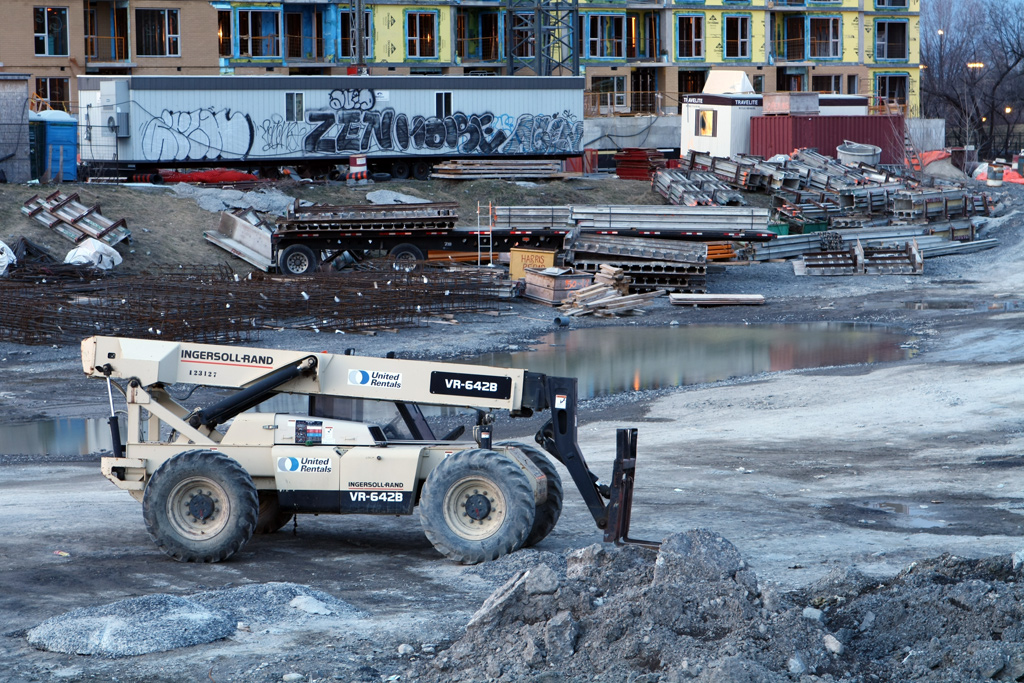
One tower is already finished and has some people living in it, though it is far from full. A second is just a skeletal frame of steel and concrete.
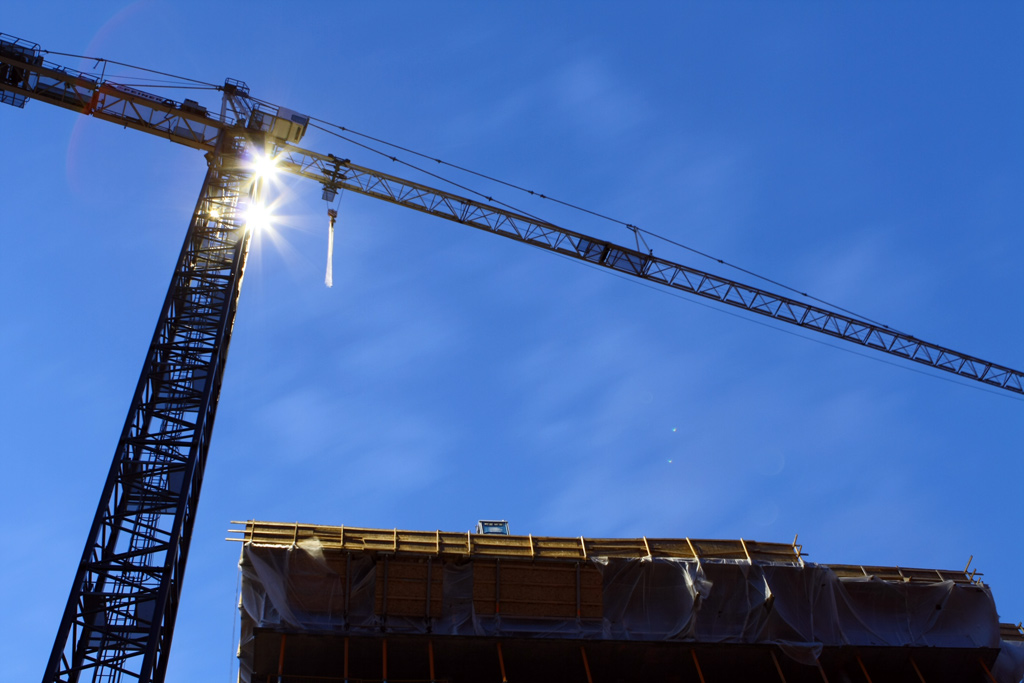
Thankfully for wandering photographers, the fencing around the site is far from complete. Likewise, the level of surveillance. Indeed, someone bolder than I could probably have their run of the semi-constructed tower, if they wanted.
A bit of the ways up Booth Street, there is another significant project ongoing. This one part of the much-touted ‘Economic action plan.’ Between the two, the area north of Chinatown has been in a fairly dynamic state lately.
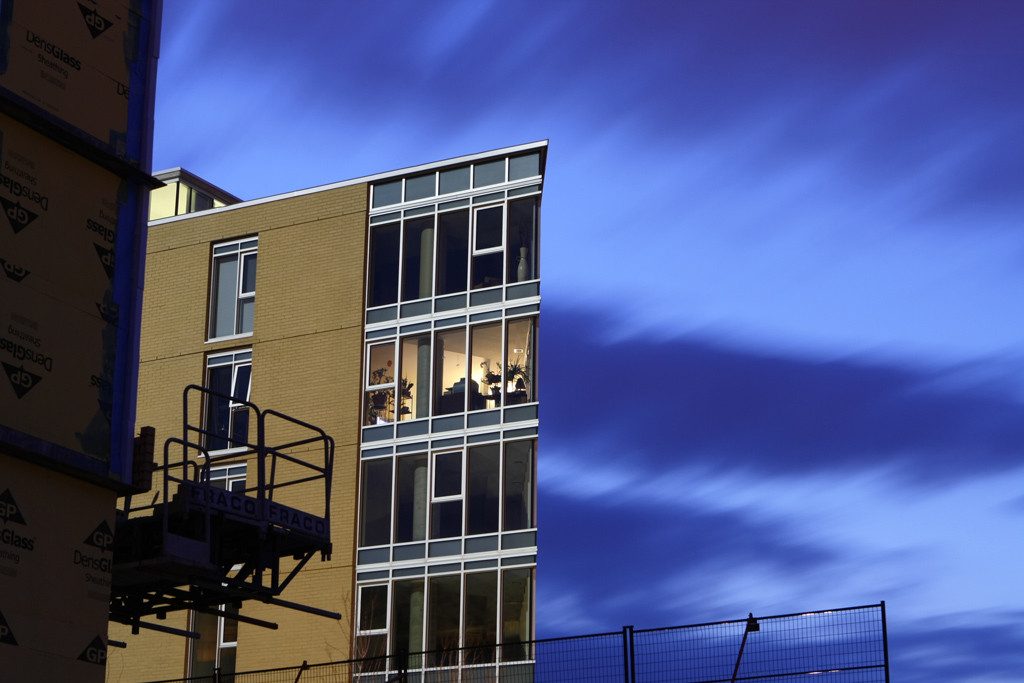
People are already living in the first tower. Probably, those with apartments facing towards downtown have made the safer choice. While there is a creek and a park off in that direction, the view the other way remains unknown until the plans for the whole area are sorted out.
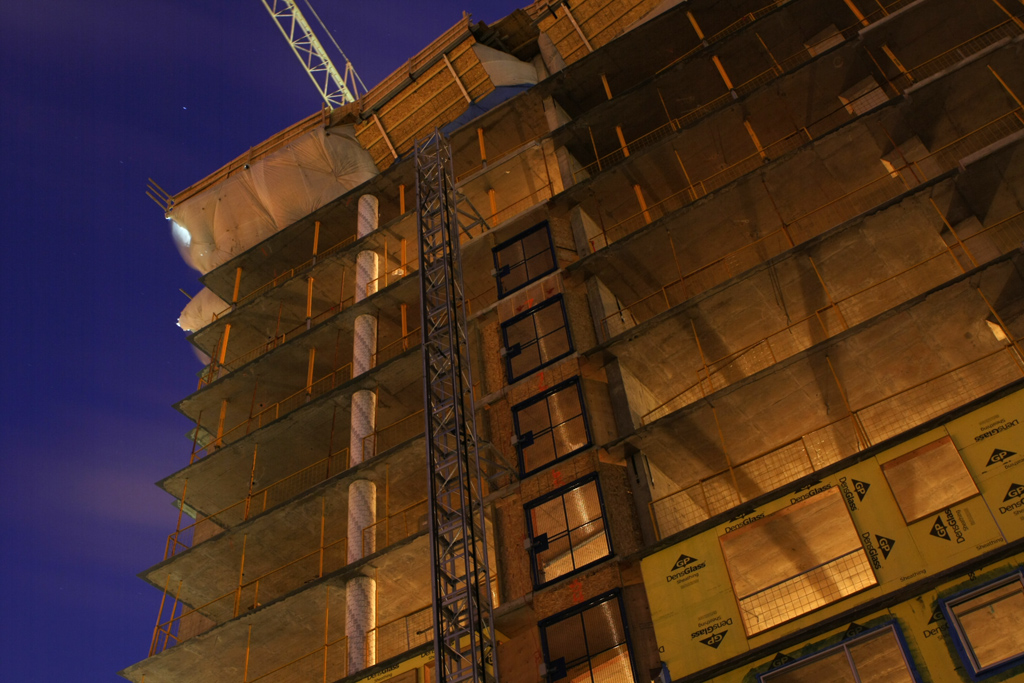
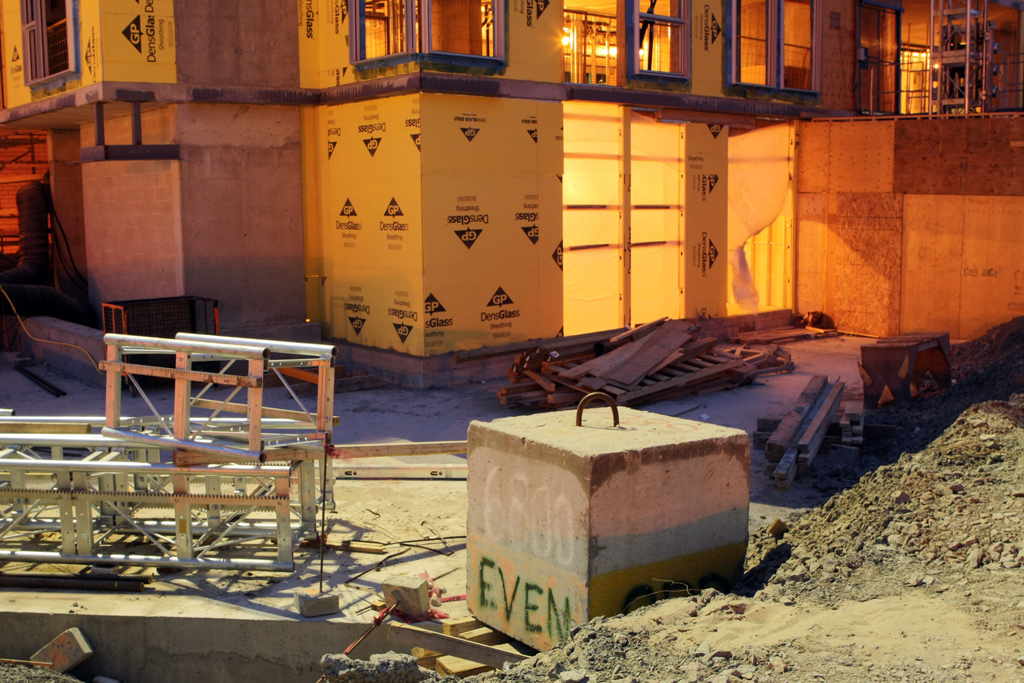
To me, it seems a bit curious to light the whole site up so elaborately at a time when nobody is working.
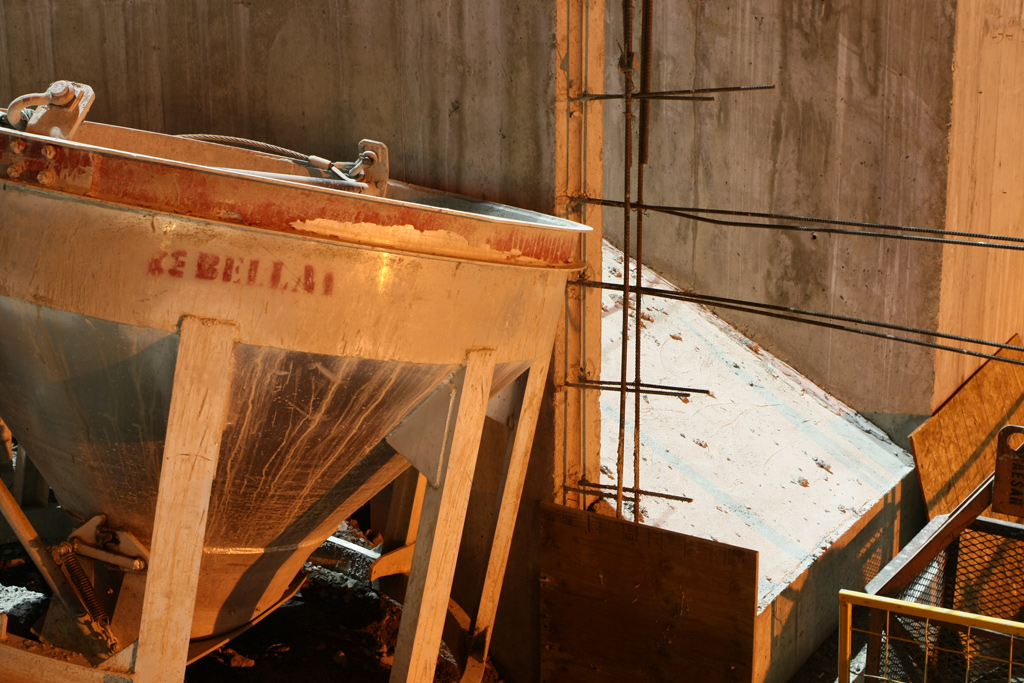
The towers are mostly glass and concrete, like most of the high structures in the area. At the top, the first one has a pretty elaborate looking penthouse with balconies, but it seems to be uninhabited still.
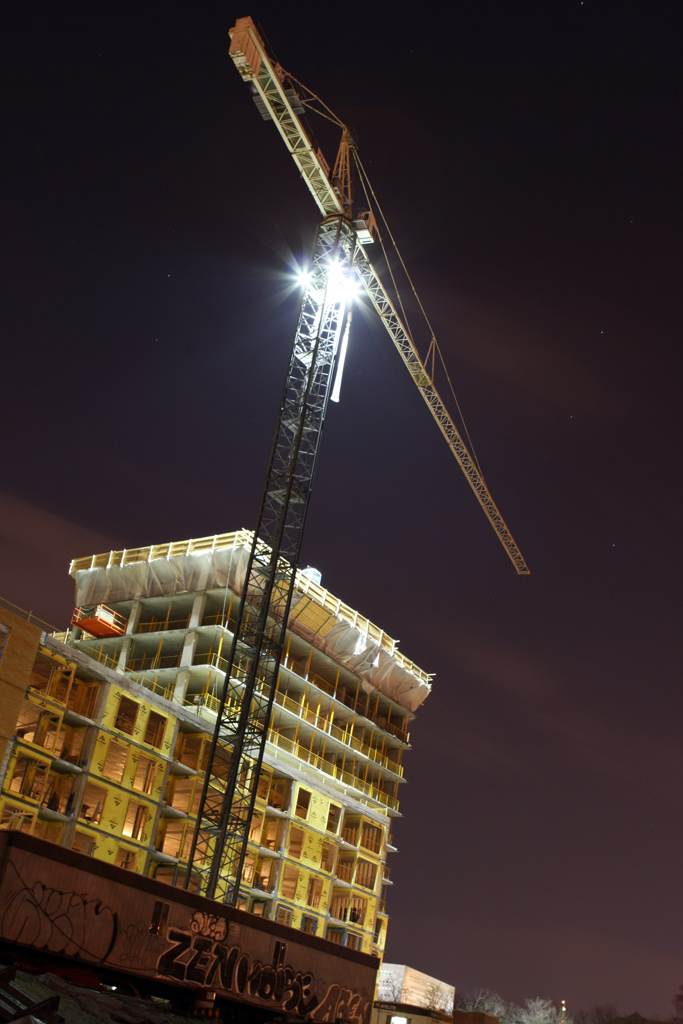
The gray rectangular block in the corner here is Canada’s National Archives.
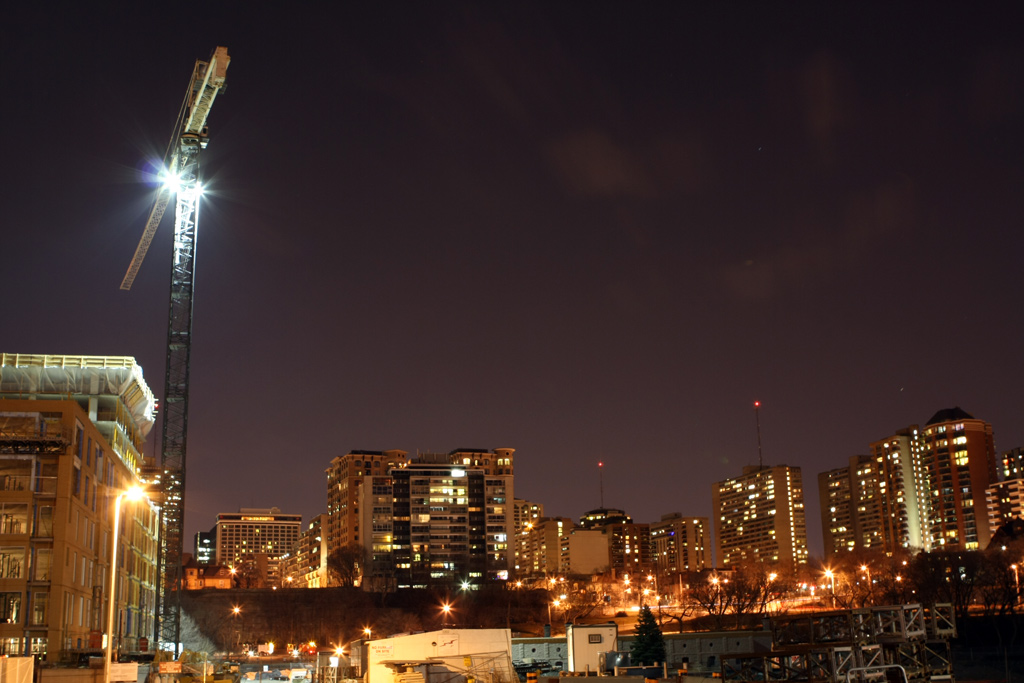
The new towers do seem more attractive than the giant concrete waffles that were put up in previous decades. That said, the nicest housing in this area probably consists of converted two-story brick houses. The condition varies a lot, and they are often poorly insulated (foolish in this climate), but at least they make you more connected with your neighbourhood than living in a big filing cabinet.
On academic specialization and climate change

I have spent six years in university and taken two degrees: a B.A. with majors in International Relations and Political Science and an M.Phil in International Relations. The logical academic progression, if I were to continue, would be to do a Ph.D or D.Phil. That would take between 2+ (Oxford D.Phil) and 4+ (North American Ph.D) years, but I have my doubts about whether that would be the best use of time. The 2+ is generous for Oxford, given that my thesis was the weakest part of the work I did there. I would need a more solid research project to form the basis of a doctorate.

Doing a doctorate in something like I.R. or PoliSci would certainly involve some new learning: perhaps some more quantatative and qualitative methods, certainly more exposure to theory and a particular subject area for a dissertation. It would increase how much I know about PoliSci/I.R. compared with other people who have studied in those fields.

By contrast, spending 3-4 years studying something like engineering, law, or a pure science would certainly teach me more, relative to what I know now. It would involve whole new methodologies and areas of knowledge. By any objective measure, it would widen my knowledge enormously more than doing more work on PoliSci/I.R.

That said, academia isn’t like trivia; your ranking isn’t based on your relative level of knowledge on a broad range of subjects. Rather, the stature of students is determined by how much they know compared with their peers (and, between real academics, on the basis of publication history).

At this time, I don’t have any interest in trying to rise up in academia. It would surely be a tedious endeavour, full of weird infighting and ever-increasing specialization. My ambition, at this point, is to try to make a difference in how humanity responds to the threat of climate change.

Measured against that objective, the question ceases to be about the relative abstract knowledge value of study in different areas. To me, it seems clear that more PoliSci/I.R. work would be fairly pointless. Some sort of technical study could be useful, depending on how exactly I want to work on climate change. For instance, an engineering degree would give me a better ability to evaluate ideas about energy sources, efficiency, conservation, and so forth.

Despite that, when it comes to lack of action on climate change, I don’t think a lack of technical experts is our problem. We have the knowledge and skills to start building a low-carbon global economy. What we lack is the drive to do so. That drive is unlikely to arise out of academic study, and greater technical knowledge may not provide any insights into how to generate it. Focused on that issue, spending a few more years cloistered in school doesn’t seem like a good way to advance my objective.

Everything about climate change is steeped in uncertainty. Just as we cannot know in advance how the climate system will respond to our actions, we cannot fully anticipate how entrenched human systems will respond to any sort of effort to change them. For now, the best approach seems to be a combination of branching out (to pursue multiple strategies) and determination.

That said, if it ever seems like the world has finally gotten itself off a course towards destruction, it would be nice to go back and study something interesting for the sake of knowledge itself. It would also be around that time that I thought it was fair and potentially sensible to have children. Right now, we would be introducing them into a world fraught with such terrible risk that I question the ethics of doing so.

Chaudiere Bridge and Domtar Mill

For two years, the Chaudiere Bridge and Domtar Mill were between home and work for me. Indeed, throughout Ottawa’s long winter bus strike (and much of the time in nicer months), I would walk through both most days of the week. The mill is mostly shut down now, though part of it has been converted into a run-of-river hydroelectric station.

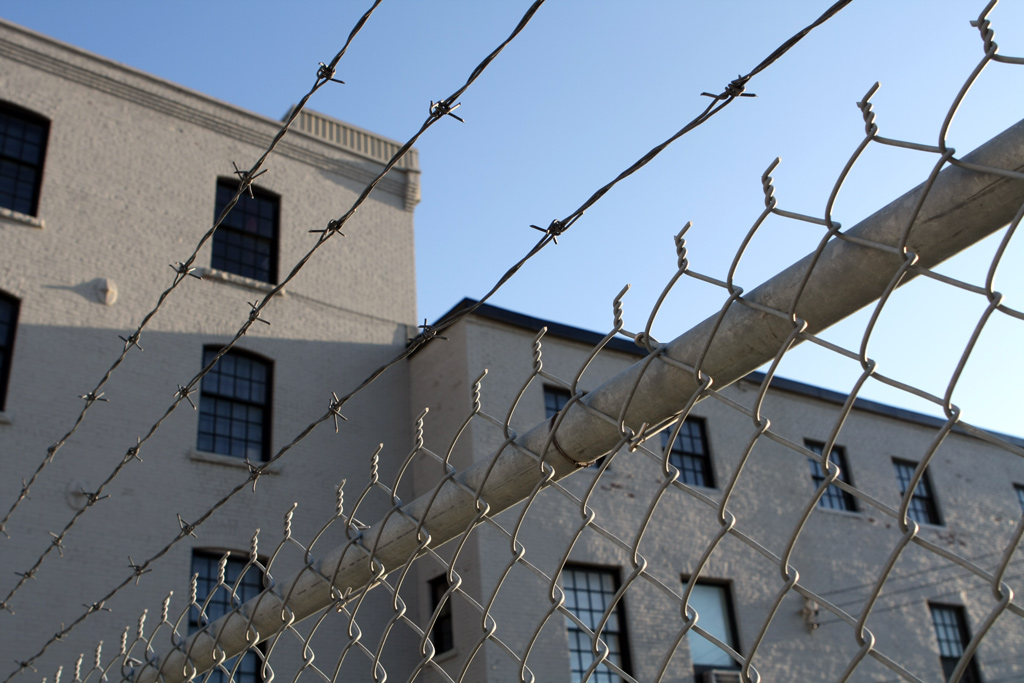
While there are still security personnel and vehicles around, most of the mill seems to be shut down and locked up. The area is full of fences, locks, and barbed wire.

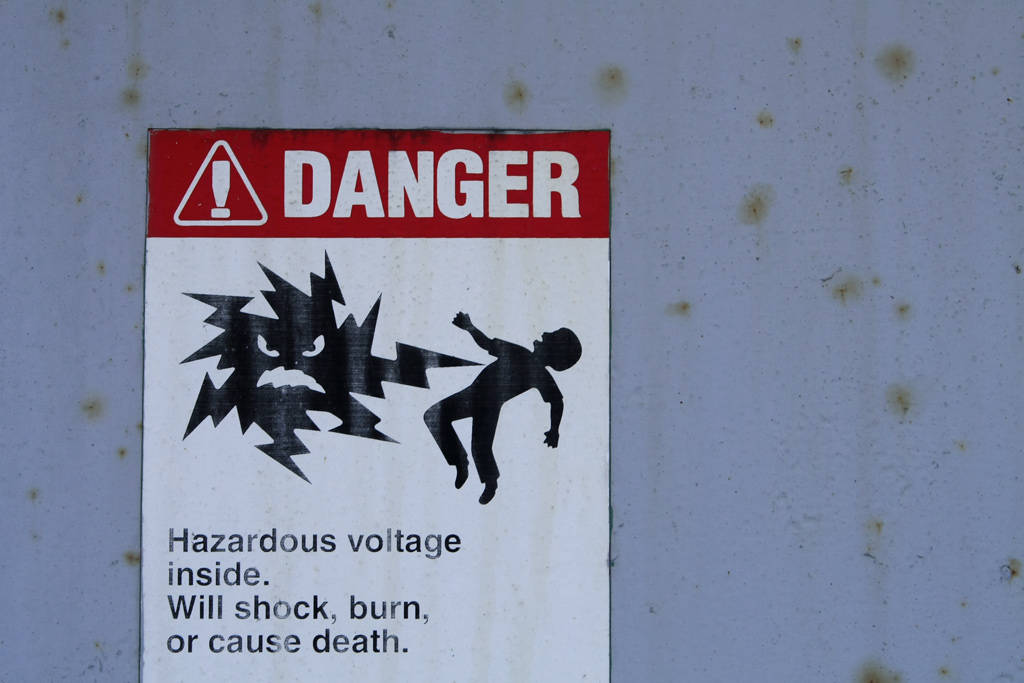
I love how malicious this lightning creature looks, striking down the small boy. It is certainly an effective warning sign.

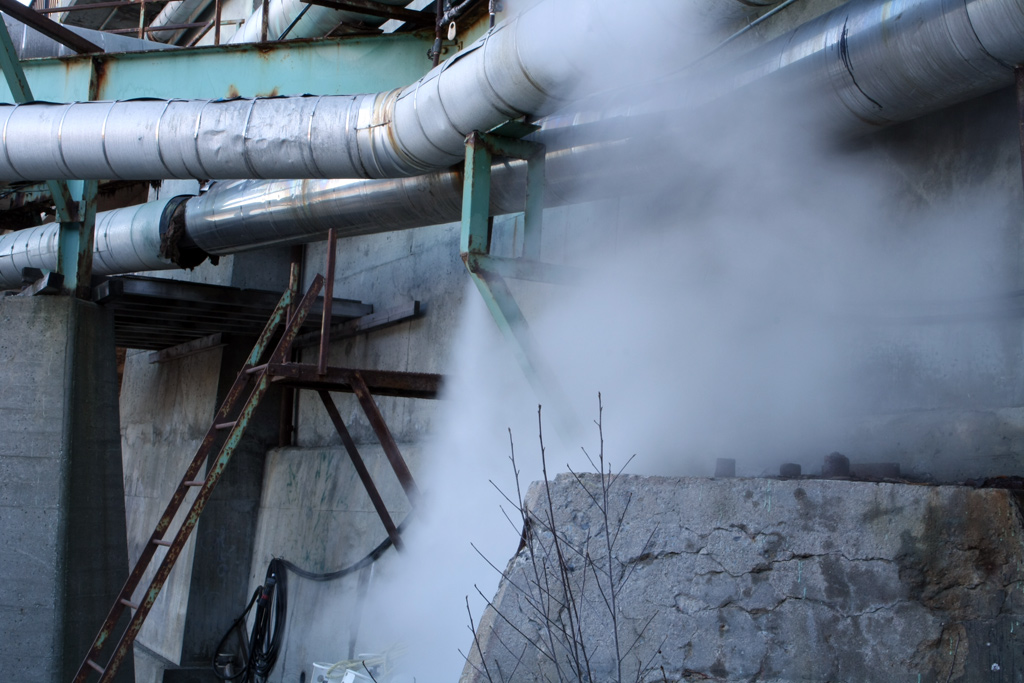
High-pressure steam pipes run all around the complex. At regular intervals there are pressure release systems that vent steam every few seconds.

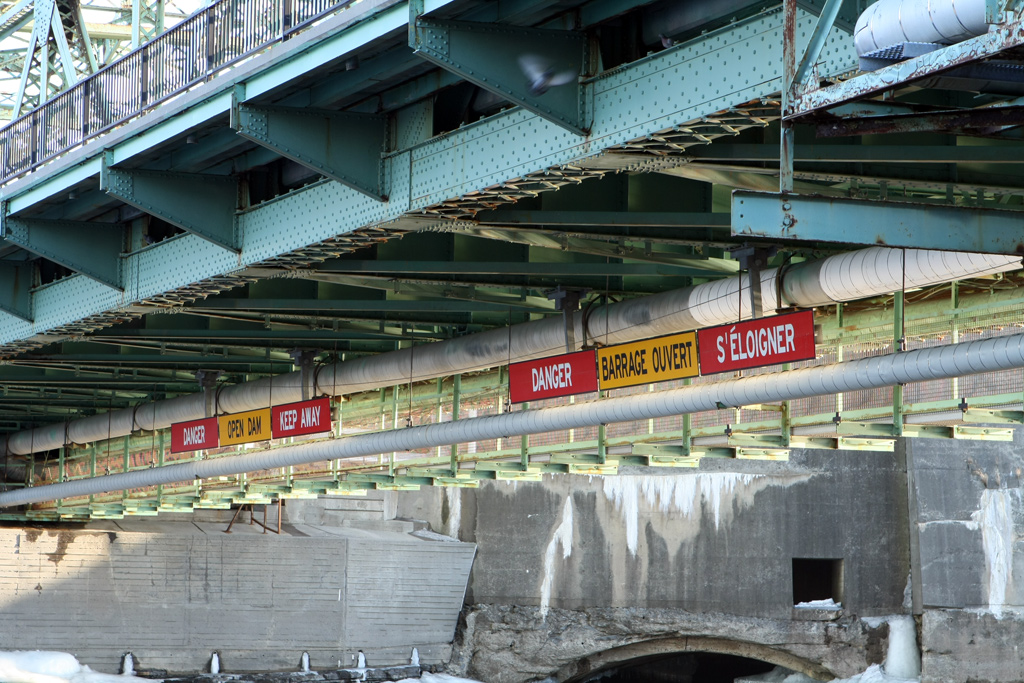
Both upstream and downstream, there are signs and barriers to warn boaters about the dam.

For several months last year, the Chaudiere Bridge was either closed or taking restricted traffic, because of concerns about its structural stability. Ottawa’s freeze-thaw cycles are brutal on infrastructure, especially roads and bridges.

I have always found bridges to be especially elegant and compelling structures. It has something to do with the mathematics of them, as well as the way in which they serve as an interface between human desires and the natural environments in which people live.

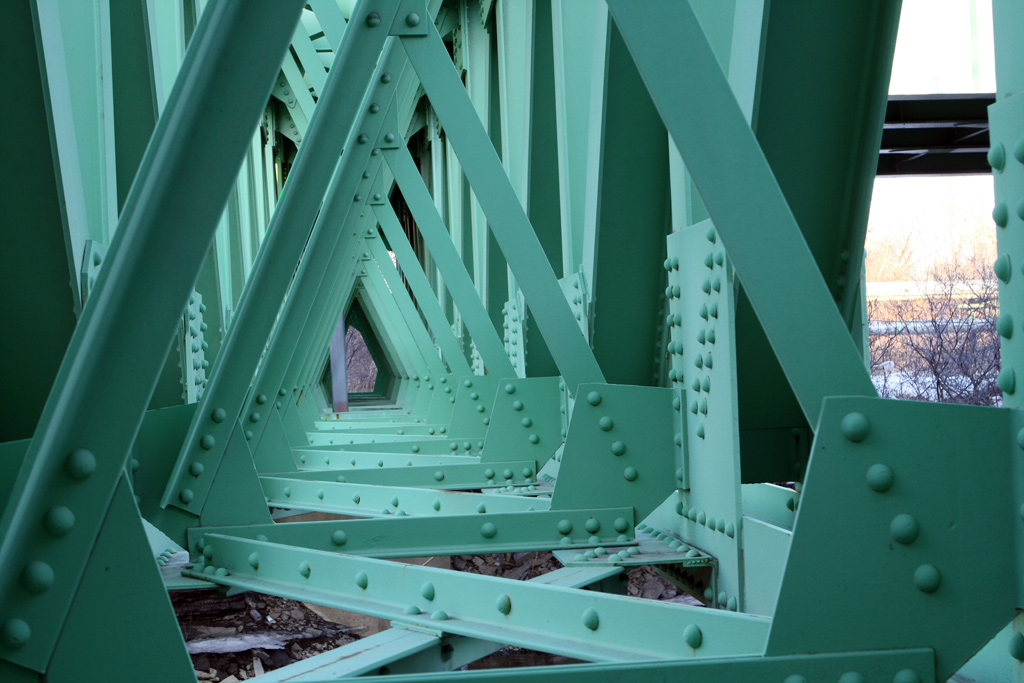
These green struts extend around the bridge, mostly supporting thick steam pipes that run between different parts of the mill.

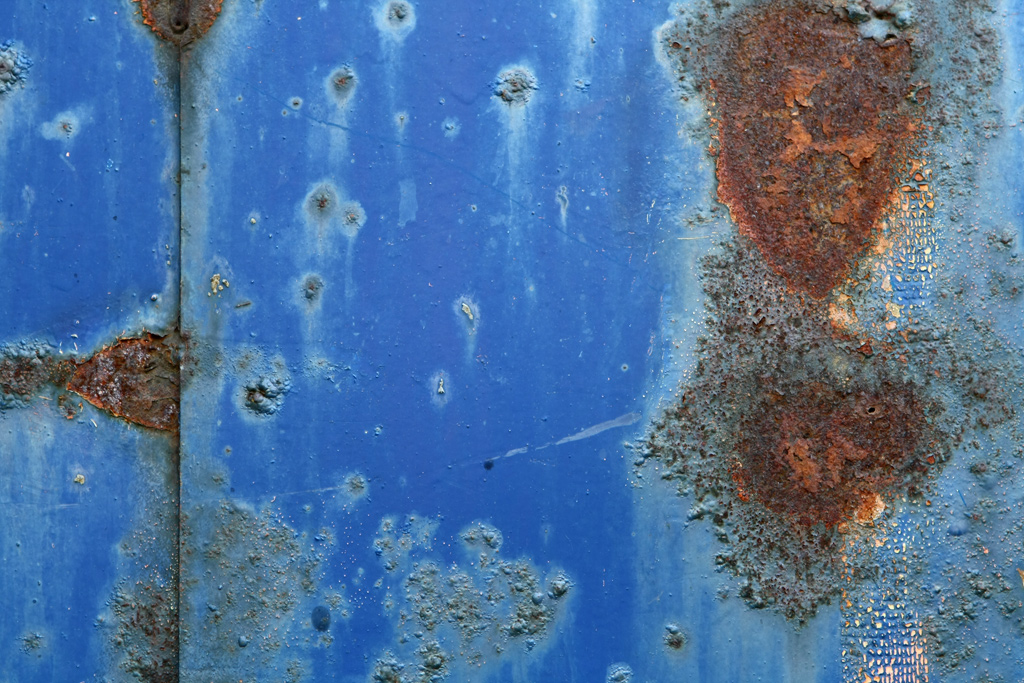
Most of the metal in the area is corroded to one extent or another. Part of that must be the result of constant exposure to the salt used by the city to keep the roads and sidewalks relatively clear of ice in the winters.

Even on a Sunday evening, the bridge always has traffic. Walking to and from work may have contributed to my increasingly genuine hatred of automobiles. Single individuals, needlessly spilling greenhouse gases to propel themselves around in giant hulks of metal and glass, splashing and killing pedestrians and cyclists alike.

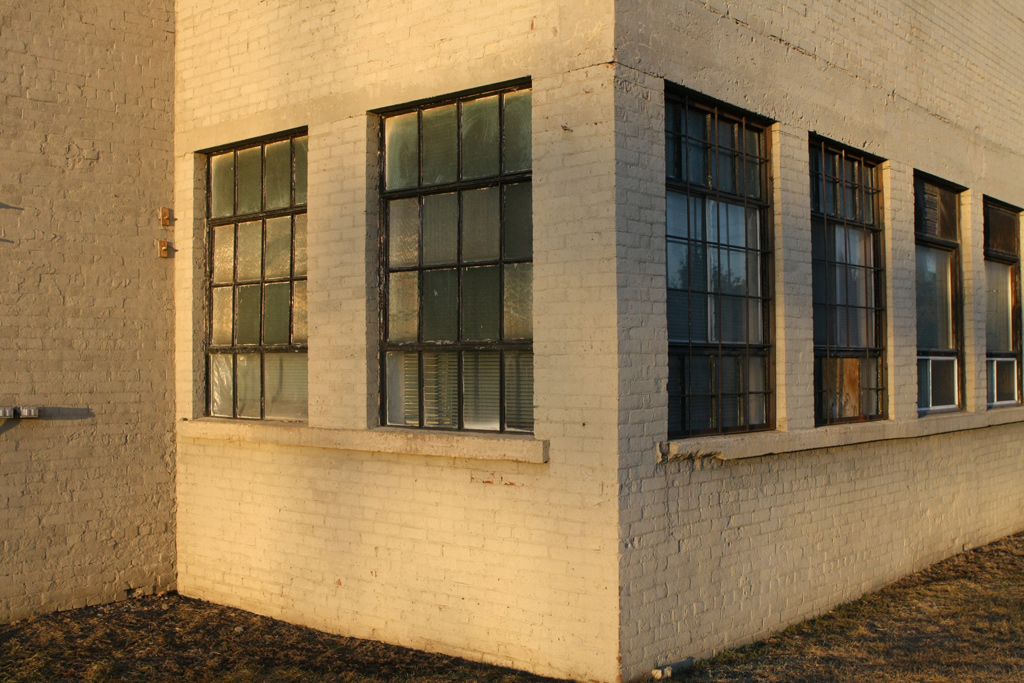
Even in the more remote accessible corners of the Domtar complex, you can see papers and personal effects behind windows. It is hard to tell whether these are active offices, or abandoned workspaces.

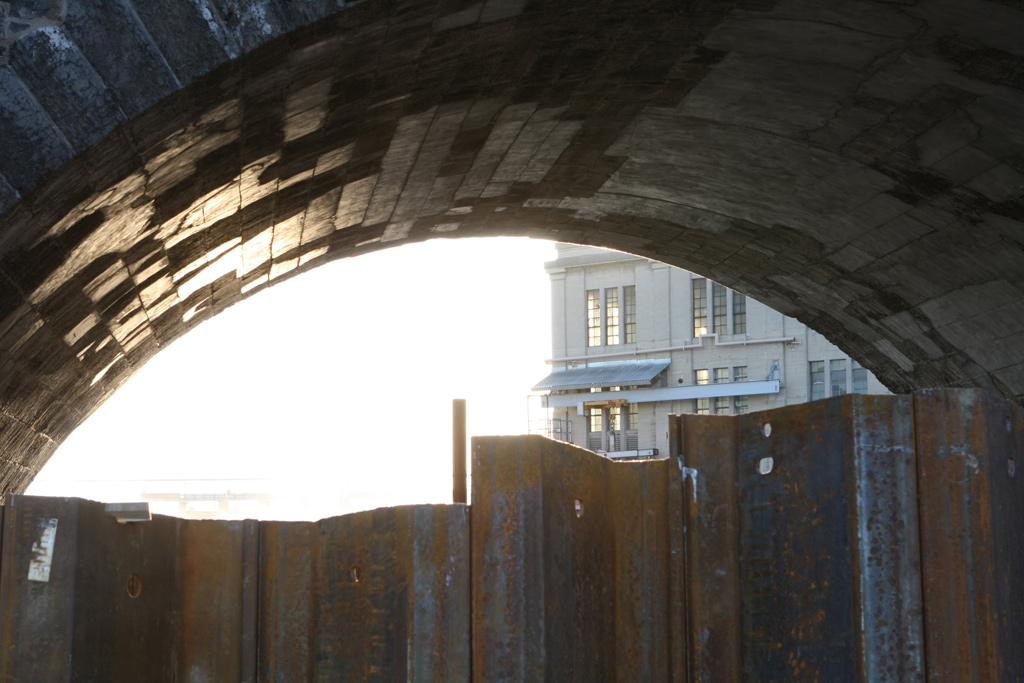
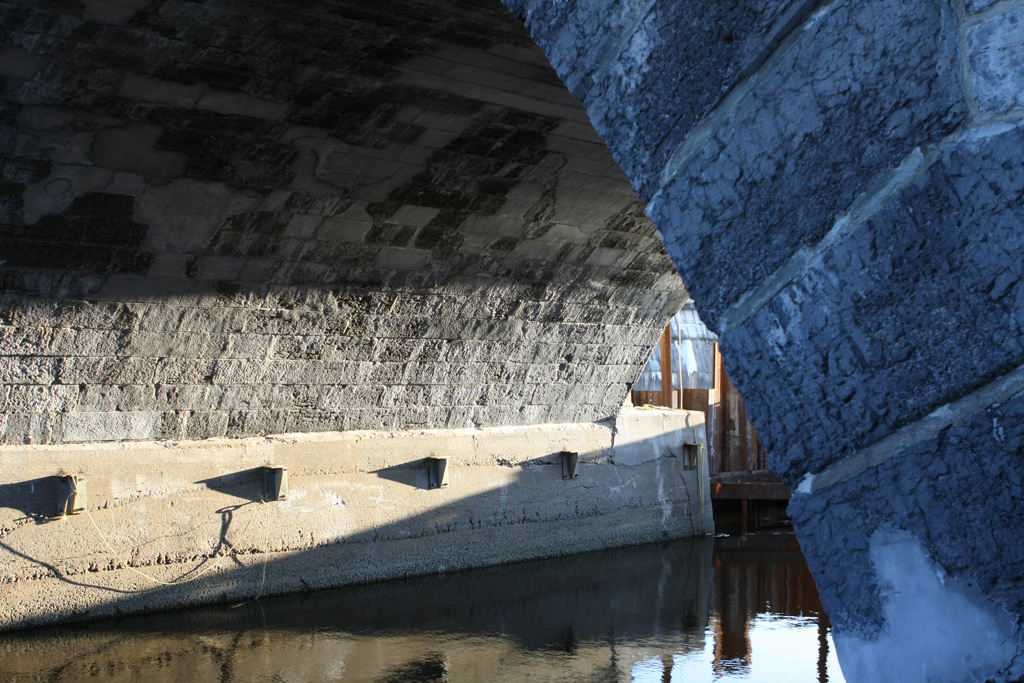
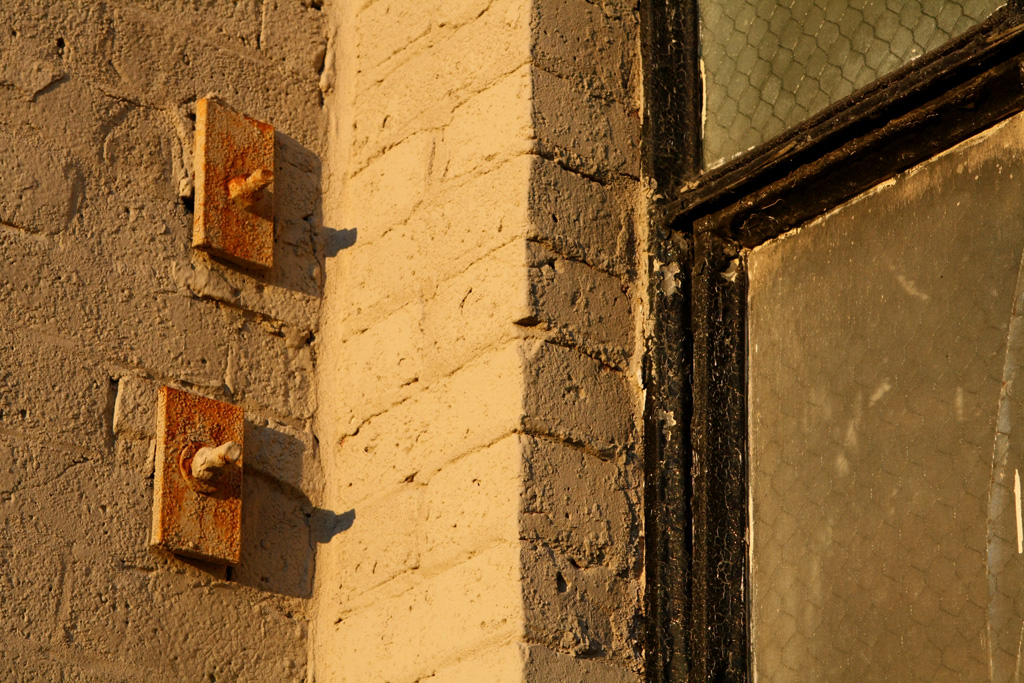
The complex is full of interesting structural details – power cables, girders, metal and concrete works built to constrain the flow of the river.

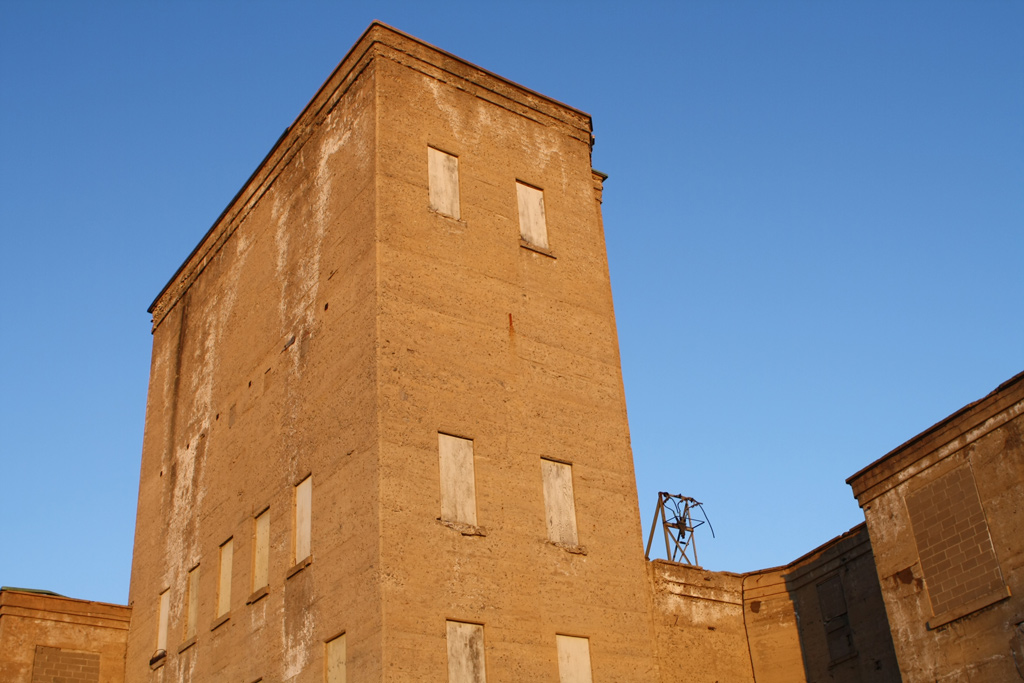
One of the taller Domtar buildings has been converted into an indoor climbing gym. As far as I can tell, this one has just been boarded up and abandoned.

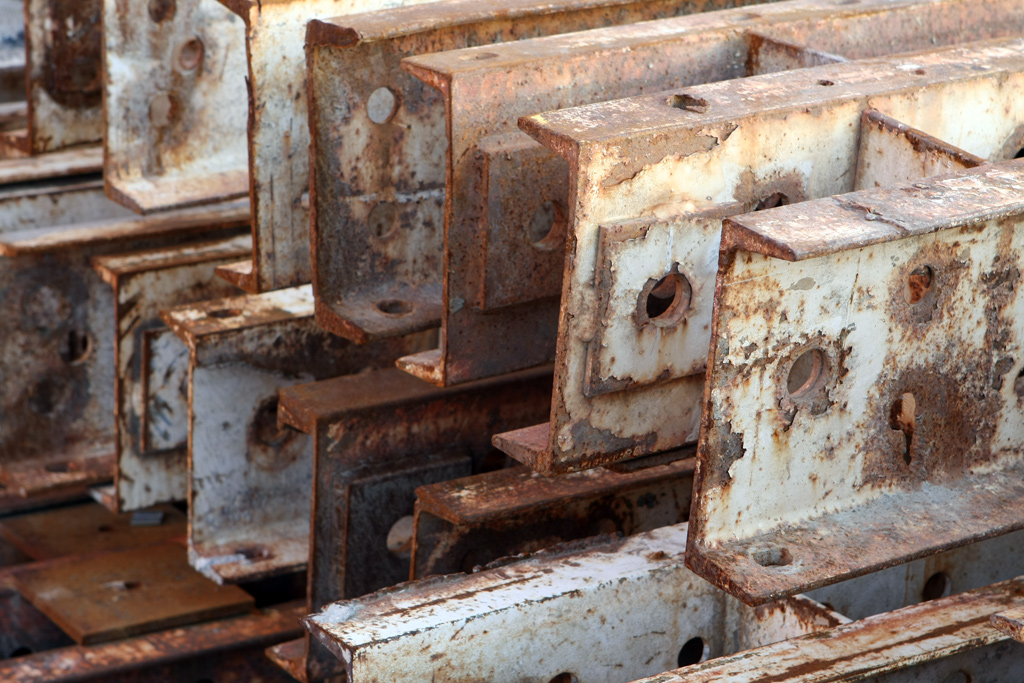
On the eastern side of part of the complex, some sort of big recycling effort is underway. These girders may eventually find their way into something new.

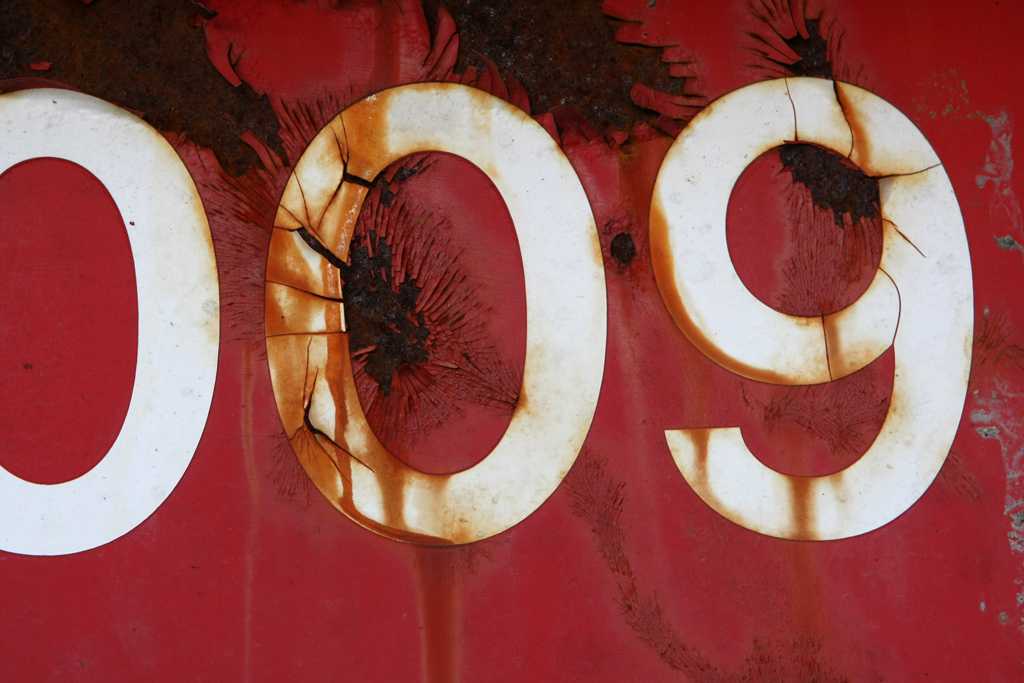
The giant recycling bins themselves are corroded, with peeling paint and sharp edges.

Apparently, there were three previous Chaudiere bridges: 1827, 1845, and 1892.

Water geysers on Enceladus

Enceladus, one of Saturn’s moons, has geysers erupting water into space. The Cassini–Huygens spacecraft has taken some neat photos of the whole thing.

The Cassini–Huygens spacecraft itself is pretty interesting. It runs on three plutonium-powered radioisotope thermoelectric generators (RTGs). It flew past Venus twice to steal some momentum from the planet. It observed atmospheric circulation on Jupiter and performed tests to verify Einstein’s Theory of General Relativity.

To inject a touch of personal opinion, the Cassini–Huygens spacecraft shows how wonderful robots are for space exploration. If we sent humans to the relatively nearby destination of Mars, it would cost a fortune and quite possibly kill them. By contrast, some of our robot probes are already well beyond the boundary of the solar system, as defined by the orbits of the planets (and Pluto):

Image taken from Wikipedia.

Thankful towards TransLink

On my first night in Vancouver, during the December visit, I was at the SeaBus terminal at Lonsdale Quay. Thinking the ticket machines work like the ones in Montreal, I bought ten tickets, expecting to be able to validate each one later in the visit. Unfortunately, the Vancouver machines sell batches of tickets all validated for the time of sale, leading to me spending about $40 for the one journey.

I let the people working there know what happened, and they gave me a little incident card with the time and some other information on it. Later, I mailed that along with all of the tickets and an explanation to TransLink. Today, I am happy to report that I got a refund for nine of the tickets.

I really appreciate the generous way in which they corrected for my error.

Donate art for Haiti

Ottawa Centre Member of Parliament Paul Dewar is collecting art, which will be sold to raise money for victims of the earthquake in Haiti. Local artists who want to donate something should get in touch with his office (Dewarp1@parl.gc.ca). All donations must be confirmed by February 5th. Only one work per person will be accepted.

The art will be sold on Tuesday, February 9th at the Cube Gallery, on 7 Hamilton Street. It will be on display as of 11:00am, with a sale starting at 6:00pm and an auction at 8:00pm. Some light snacks will apparently be provided.

I will be donating one of the remaining prints from my Raw Sugar photo exhibition.

[Update: 10:43am] An error was corrected in the post above. The date listed is now correct.

[Update: 2:23pm] Readers in Toronto may be interested in attending the Haitian relief fundraiser my friend Tristan is organizing. It is on Saturday, February 6th at 8:00pm. $10 will get you a buffet vegan dinner and the chance to hear music from Tyler Shipley and several other musical acts.

Media from the anti-prorogation protests

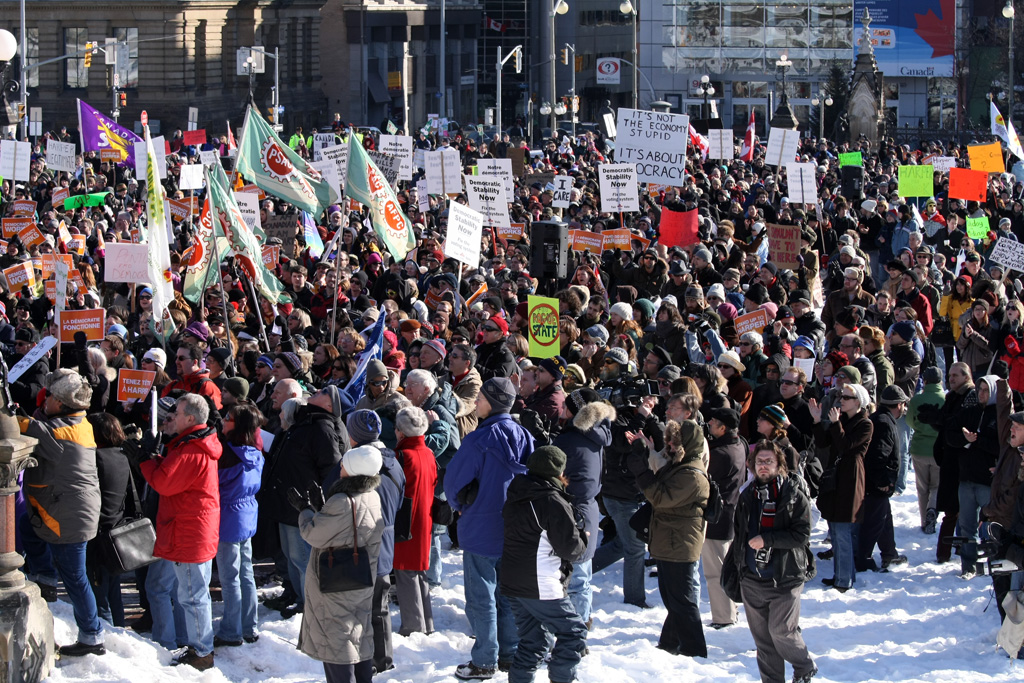
Today’s Ottawa protest against the prorogation of Parliament drew fewer people than the Fill The Hill climate protest, though it enjoyed much nicer weather.

Here is a slideshow of all of my photos from today. Higher resolution versions are available on request.

One of the more entertaining parts of today’s rally was Trevor Strong‘s song “The Wild Proroguer.” This member of the Arrogant Worms modified a traditional song to include lyrics about Canada’s second prorogation in about a year. The MP3 is on his website; I uploaded a video of the performance on Parliament Hill to YouTube.

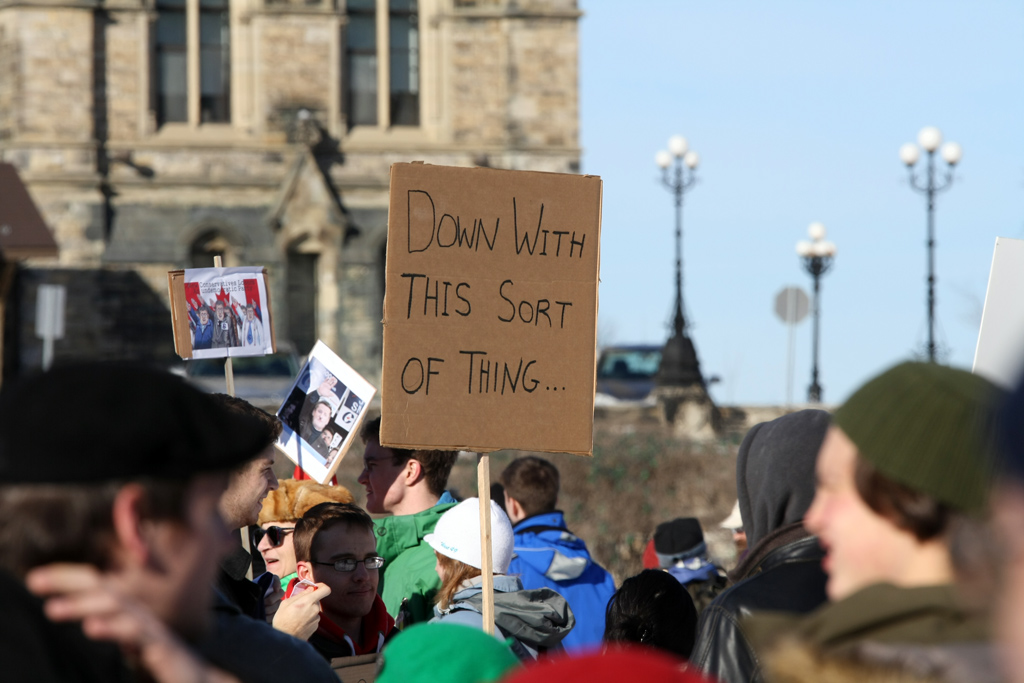
This might be the funniest sign I saw today. The owner will never need to make another one, regardless of how many protests or counter-protests they decide to attend.

Note: all this content is covered by a Creative Commons license. Feel free to use it for non-commercial purposes, with attribution.

[Update: 24 January 2010] Other Ottawa bloggers also attended the event: Zoom, Watawa Life, and Coyote.

LC^3T: Part II

Compared with Part I, the second voyage was more chaotic but also more visually appealing. Not having something terribly exciting to look forward to contributes to a certain lack of focus and discipline on the voyage. On the positive side, I actually passed through some scenic areas during the daytime.

My video camera also suffered several cold-related battery failures, which explains some of the smash cut editing near the end.

LC^3T: Over and done with

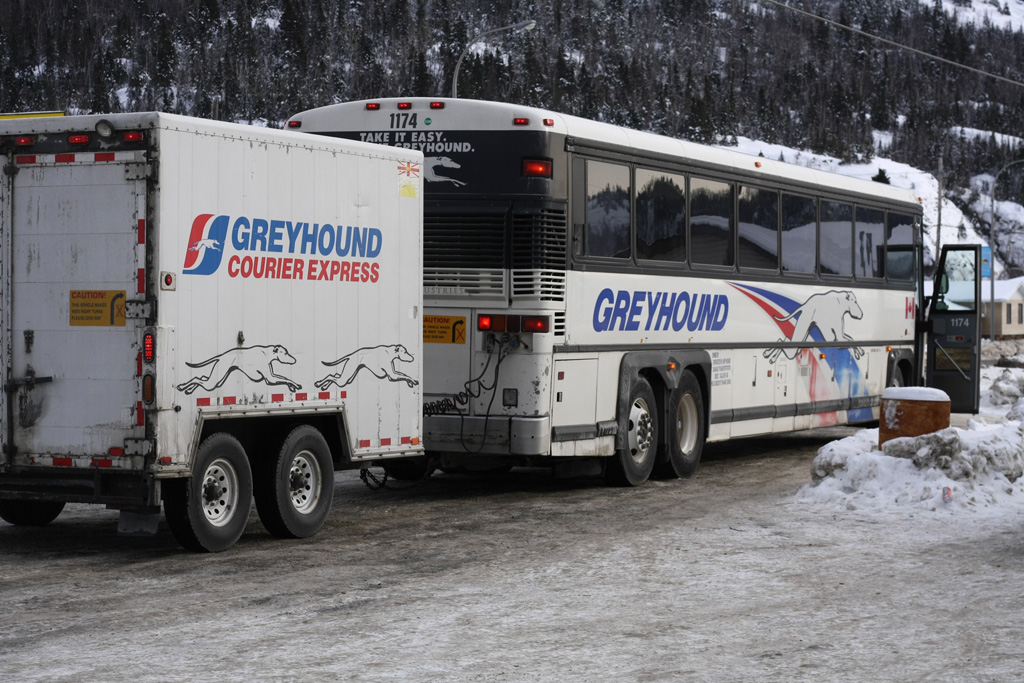
Greyhound bus in Revelstoke

The bus journeys were often uncomfortable and grindingly boring, but my low-carbon expedition out west went wonderfully, all told. I spent some excellent time with my family during Christmas and at Yellow Point Lodge; I saw a heap of long-neglected friends during the span of a frantic night’s partying; and I got to devote a solid block of time to catching up with Emily.

It will probably take me a while to adjust to the cold (and to normal working hours), though I will be aided in the former by an excellent woolen coat my brother Mica gave me. While the return journey involved the loss of a treasured green Pilot G2 pen, the whole expedition can only really be counted as an incredible success. My thanks again to everyone who contributed to that.